

Section: Module 5: Wellbeing for educators (Optional) | Mental Health Literacy | NextGenU.org
-
Upon completion of this module, learners should be able to: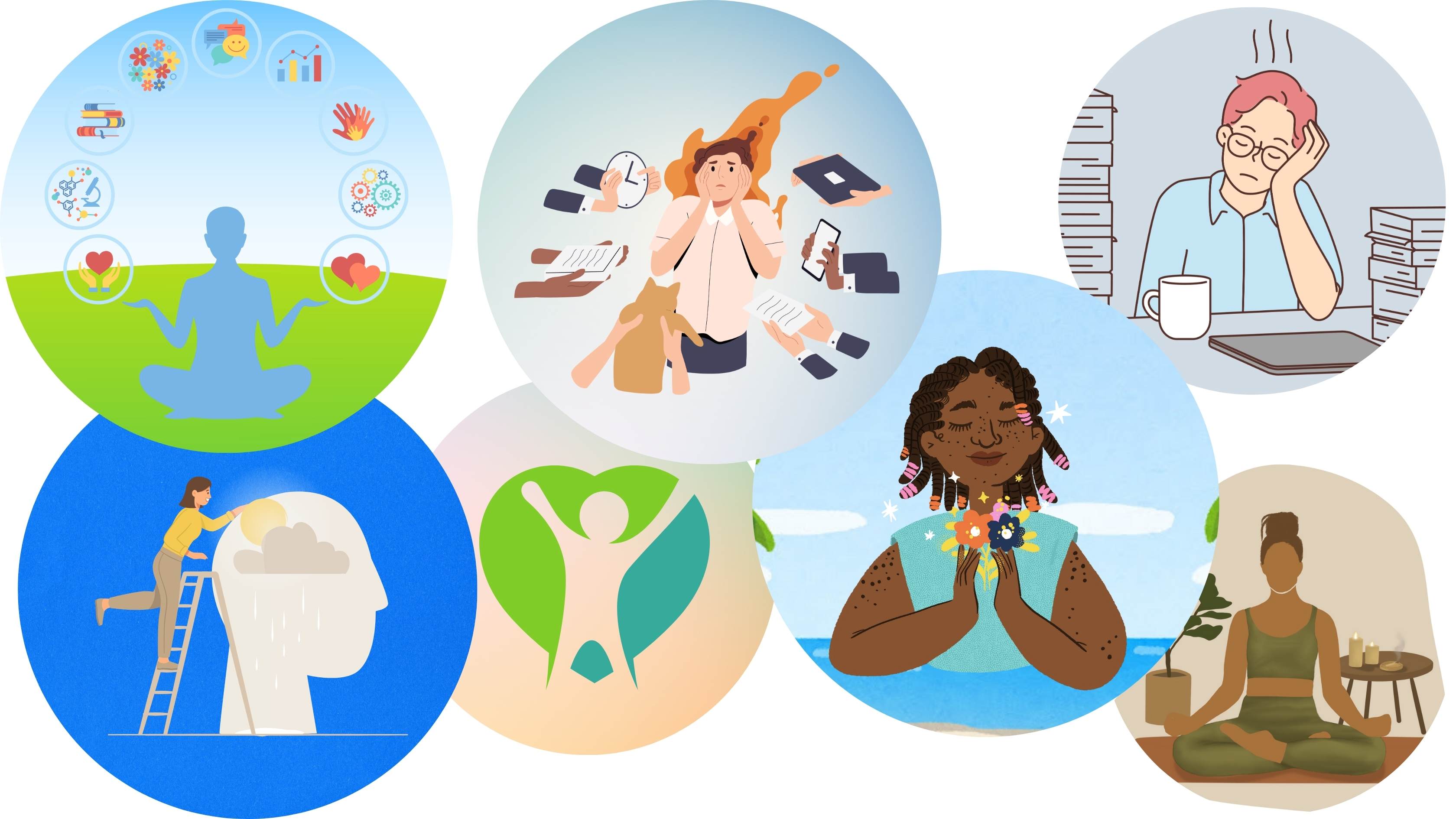 Student Learning Outcomes:
- Understand the multifaceted concept of wellbeing and its relation to happiness and life satisfaction in both professional and personal contexts.
- Understand the six key professional contributing factors to educators' wellbeing: Demands, Control, Support, Relationships, Role, and Change.
- Recognize the importance of personal wellbeing, its correlation to happiness and life satisfaction, and its impact on teaching effectiveness.
- Identify the eight dimensions of personal wellbeing and understand how each contributes to overall wellness: Emotional, Environmental, Financial, Intellectual, Occupational, Physical, Social, and Spiritual.
- Develop strategies to maintain and enhance your wellbeing in each of the dimensions mentioned above.
- Understand how to manage change effectively within your organization and personal life.
- Recognize the signs of when your wellbeing may be compromised and know when and where to seek help.
- Apply understanding of wellbeing to foster a positive, supportive, and healthy work environment for yourself and your colleagues.
-
The module slides provide a concise and engaging overview of the course material, making it easier for you to grasp key concepts. The slides are a perfect companion to the handbook, ensuring you have a comprehensive learning experience.
-
To access the microlesson:
Step 1: Click on "Microlesson 5"
Step 2: Select "Enter"; the microlesson will open in a new window
Step 3: Click on "Start Course" to begin the microlesson.
If you need to exit the microlesson before it is completed, either click on "Exit Course" on the top right of the screen, or simply close the window. Your progress should be saved automatically.
There are activities and questions within the microlesson. These are not graded, but are intended to help you actively learn and practice the content. -
Students mustMark as done
To access the activity:
Step 1: Click on "Branching Logic Activity 5"
Step 2: Select "Enter"; the microlesson will open in a new window
Step 3: Click on the arrow at the bottom of the screen to begin the activity.This activity is not graded. It provides scenario-based practice to help you apply what you have just learned.
If you need to exit the microlesson before it is completed, either click on "Exit Course" on the top right of the screen, or simply close the window. Your progress should be saved automatically. -
In this learning activity, you will work on creating a vision board. A vision board is a powerful visual tool to help manifest your aspirations and dreams. It serves as a tangible representation of where you want to be in life, acting as a source of motivation to reach your goals. In this activity, we're using it to focus on improving our wellbeing. Remember, this activity is meant to be a fun, creative process that helps you set tangible goals for improving your wellbeing. Happy vision boarding!
Step 1: Reflect on the Eight Dimensions of Wellbeing: Before starting, remind yourself of the eight dimensions of wellbeing: Emotional, Environmental, Financial, Intellectual, Occupational, Physical, Social, and Spiritual. Rate your current level of satisfaction in each of these areas on a scale of 1 to 10. Note down the areas that need improvement.
Step 2: Gather Your Tools: This is a digital vision board, so you'll need access to a computer or tablet. You can use various online tools to create your vision board. Some suggestions include Pinterest, Canva, or Google Slides. Choose a platform you're comfortable with.
Step 3: Search for Inspirations: Start by searching for images, symbols, or quotes that resonate with your goals for each wellbeing dimension. For instance, if you want to improve your physical wellbeing by running a marathon, you might choose a picture of a runner crossing a finish line. Be creative and choose images that inspire and motivate you.
Step 4: Create Your Digital Vision Board: Start arranging the images on your chosen platform. You can divide your board into sections for each wellbeing dimension, or you can create a collage. The layout is entirely up to you. The key is that when you look at your board, the images should inspire and motivate you to improve your wellbeing.
Step 5: Reflect on Your Vision Board: Once your board is complete, take some time to look at it. What do you feel? Do the images inspire you? Do they represent the life you want to live? Use this time to visualize yourself achieving the goals your board represents.
Step 6: Create an Action Plan: Now, write down specific actions that can help you reach the goals represented on your board. If you have a picture of a runner to represent physical wellbeing, an action might be "run three times a week." Keep these actions manageable, realistic, and in line with your current life situation.
Keep Your Vision Board Visible: It's important to look at your vision board regularly to remind yourself of your goals. You can set it as your desktop wallpaper, or keep it in a digital folder you access regularly. The key is to make it a part of your daily life.OPTIONAL Step 7: Interact (10 minutes)
If you would like to, you can reply to your peers' posts in a respectful and professional manner. Ensure that your post engages your peers' ideas by including a reflection on their comments, sharing ideas of other potential difficulties and parties involved, or asking thought-provoking questions. If a peer comments on your posting, please reply. To post a reply, click “Reply” on a particular discussion, write your feedback and then click on “Post to forum.”
-
Quiz: Module 5
To access the quiz, click on the name of the quiz provided above. On the following screen, click the "Preview quiz now" button to respond to the questions.
TO PASS THIS QUIZ, YOU MUST OBTAIN A SCORE OF 80%