Health Assessment Course Resource
-
NursingHealth Assessment Course ResourceResume0% complete0% complete
-
Students mustStudent must submit this questionnaire to complete it
Show More-


DISCLAIMER: This content is designed to enhance the study of nursing. This content is generic and is not designed to take into account the specific objectives, needs, and/or circumstances of any particular region or country. To become a nurse, learners must successfully complete a program of study approved by the government or state-regulatory agency in their place of residence. We cannot guarantee that the successful completion of these materials will enable you to practice in your place of residence. Make sure that you are in compliance with the scope of practice of your regulatory body before attempting to put into use or practice any of the knowledge gained.
The Nurses International Health Assessment course materials provide the nurse educator with a resource for their students that outlines a learning experience that provides students with the opportunity to learn the nursing theories and skills required to complete a comprehensive assessment of physical, social, mental, spiritual, and cultural aspects of a patient’s needs across the lifespan. The primary focus is on the well individual with references to illness for comparison.
Health Assessment (HA) is designed to assist the learner in developing history interviewing skills, perform a systematic physical examination and a psychosocial assessment. The course resource integrates knowledge from the physical and behavioral sciences, allowing the learner to initiate a comprehensive assessment review and document data findings. HA utilizes differential interpretation of normal versus abnormal, with an emphasis placed on the well individual with references to illness for comparison. HA fosters the development of critical thinking abilities, utilizing the nursing process, as well as identifying assessment characteristics of a variety of symptoms which forms a basis for clinical reasoning.

The fourteen (14) modules are designed to help learners:
- Conduct comprehensive and focused physical, behavioral, psychological, spiritual, socioeconomic, and environmental assessments of health and illness parameters in patients, using developmentally and culturally appropriate approaches.
- Apply safeguards to support a safe practice environment for both patients and healthcare workers.
- Demonstrate the ability to effectively communicate and collaborate with the patient and inter-professional team to deliver safe, person-centered care to individuals, families, and communities.
- Perform assessments, including environmental exposure and family history that recognizes risks, to identify current and future health problems of individuals, families, groups, and communities.
- Exhibit ethical and professional nursing values into one's professional nursing practice.
- Demonstrate professionalism, including attention to appearance, demeanor, respect for self and others, and attention to professional boundaries with patients and families as well as among caregivers.
This course has been developed by Nurses International (NI) and NextGenU.org (NGU).
Engaging with this course:
- Nurse Educators may register to review all of the course content.
- Nurse Educators may contact NextGenU.org and request to use the platform with their students for free using the contact form.
- Begin the course with Module 1. For each lesson, read the description.
- Each lesson comprises introductory remarks. You can click on the collections of resources in each section.
- There is a forum on each lesson for reflection, and you will be able to add a new topic or respond to a previous one. You may want to share your learning from this and other readings, comment on the topics from your own experience, comment on others' posts, or provide feedback on how we can improve the content and/or presentation.
- A grade of 100% is required on quizzes and unit exams. Submission of required activities for all case studies and reflection exercises is necessary to progress to the next lesson or section.
- A grade of 80% is required to pass the final exam. If not achieved, learners may self-remediate and attempt a second exam of comparable content.
A certificate of completion is available for download upon successful course completion.
Subscribe to our newsletter to be notified of future updates, new courses, and to be part of our community.
*This content is designed to enhance the study of nursing. To become a nurse, learners must successfully complete a program of study approved by the government or state-regulatory agency in their place of residence.
-
-
Students mustMark as done
-
Students mustMark as done
-
-
Learning Objectives:

- Discuss the purpose and content of a health assessment.
- Explain the legal and ethical considerations in performing a health assessment.
- Explore the main components of the comprehensive health assessment process.
- Contrast the nursing health assessment with the medical examination.
-
Students mustMark as done
Slide Deck Presentation
-
Students mustView
-
Students mustMark as done
Supplementary Resources
-
Students mustView
-
Students mustMark as done
Quiz
-
Quiz Module 1: Introduction
To access the quiz, click on the name of the quiz provided above. On the following screen, click the attempt quiz button to respond to the questions.
TO PASS THIS QUIZ YOU MUST OBTAIN A SCORE OF 4/5.
Not available unless: The activity Course Registration is marked complete -
- Discuss the purpose and content of a health assessment.
-
Learning Objectives:
- List environmental considerations.
- Describe how to prepare the environment for collecting a health assessment.
- Explain how the environment can influence the quality of the data collected during the health assessment.
-
Students mustMark as done
Slide Deck Presentation
-
Students mustView
-
Students mustMark as done
Supplementary Resources
-
Students mustMark as done
-
Students mustMark as done
Quiz
-
Quiz Module 1: Lesson 2
To access the quiz, click on the name of the quiz provided above. On the following screen, click the attempt quiz button to respond to the questions.
Not available unless: The activity Quiz Module 1: Introduction is complete and passed
-
Learning Objectives:
- Differentiate between subjective and objective data collected during a health assessment.
- List 5 examples of objective data and 5 examples of subjective data.
- Compare the analysis of objective and subjective data to identify a patient’s condition.
- Discuss three strategies to decide if data is subjective or objective.
-
Students mustMark as done
Slide Deck Presentation
-
Students mustView
-
Students mustMark as done
Supplementary Resources
-
Students mustView
-
-
Students mustMark as done
Quiz
-
Quiz Module 1: Lesson 3
To access the quiz, click on the name of the quiz provided above. On the following screen, click the attempt quiz button to respond to the questions.
Not available unless: The activity Quiz Module 1: Lesson 2 is complete and passed
- Differentiate between subjective and objective data collected during a health assessment.
-
Learning Objectives:
- Identify how to interpret measures of height, weight, and vital signs.
- Describe how data about height, weight, and vital signs influence other data collection techniques during the completion of a health assessment.
- Explain how variations in height, weight, and vital signs may influence findings during the health assessment.
-
Students mustMark as done
Slide Deck Presentation
-
Students mustView
-
Students mustMark as done
Supplementary Resources
-
-
Students mustMark as done
Quiz
-
Quiz Module 1: Lesson 4
To access the quiz, click on the name of the quiz provided above. On the following screen, click the attempt quiz button to respond to the questions.
Not available unless: The activity Quiz Module 1: Lesson 3 is complete and passed -
Students mustMark as done
Suggested Assignments
- Identify how to interpret measures of height, weight, and vital signs.
-
Learning Objectives:

- Identify key components of a successful patient interview.
- Describe a structured process for interviewing patients.
- Compare and contrast the different patient interview approaches in various clinical settings.
- Discuss importance of using open & closed-ended questions.
- Describe use of and differentiate between facilitation, reflection, clarification, empathetic responses, confrontation, & interpretation when completing a health assessment.
- Identify strategies for promoting patient trust and openness when collecting data about sensitive or uncomfortable topics.
-
Students mustMark as done
Slide Deck Presentation
-
Students mustView
-
Students mustMark as done
Supplementary Resources
-
Students mustView
-
Students mustView
-
Students mustMark as done
-
-
Students mustMark as done
Quiz
-
Quiz Module 2
To access the quiz, click on the name of the quiz provided above. On the following screen, click the attempt quiz button to respond to the questions.
Not available unless: The activity Quiz Module 1: Lesson 4 is complete and passed -
-
Students mustMark as done
Suggested Assignments
-
- Identify key components of a successful patient interview.
-
Learning Objectives:
- Explain the significance of documenting the findings from a health interview and physical assessment.
- Describe strategies to recheck, clarify or verify data.
- Outline the components of documenting the findings of a health assessment.
-
Students mustMark as done
Slide Deck Presentation
-
Students mustView
-
Students mustMark as done
Supplementary Resources
-
Students mustView
-
Students mustMark as done
Quiz
-
Students mustMark as done
Suggested Assignments
- Explain the significance of documenting the findings from a health interview and physical assessment.
-
Learning Objectives:
- List the components of a health history interview.
- Describe how to obtain an accurate, comprehensive history from the patient.
- Outline the content of each component of the health history interview.
-
Students mustMark as done
Slide Deck Presentation
-
Students mustView
-
Students mustMark as done
Supplementary Resources
-
-
Students mustMark as done
Quiz
-
Quiz Module 2: Lesson 3
To access the quiz, click on the name of the quiz provided above. On the following screen, click the attempt quiz button to respond to the questions.
Not available unless: The activity Quiz Module 2 is complete and passed -
Students mustMark as done
Suggested Assignments
-
Learning Objectives:
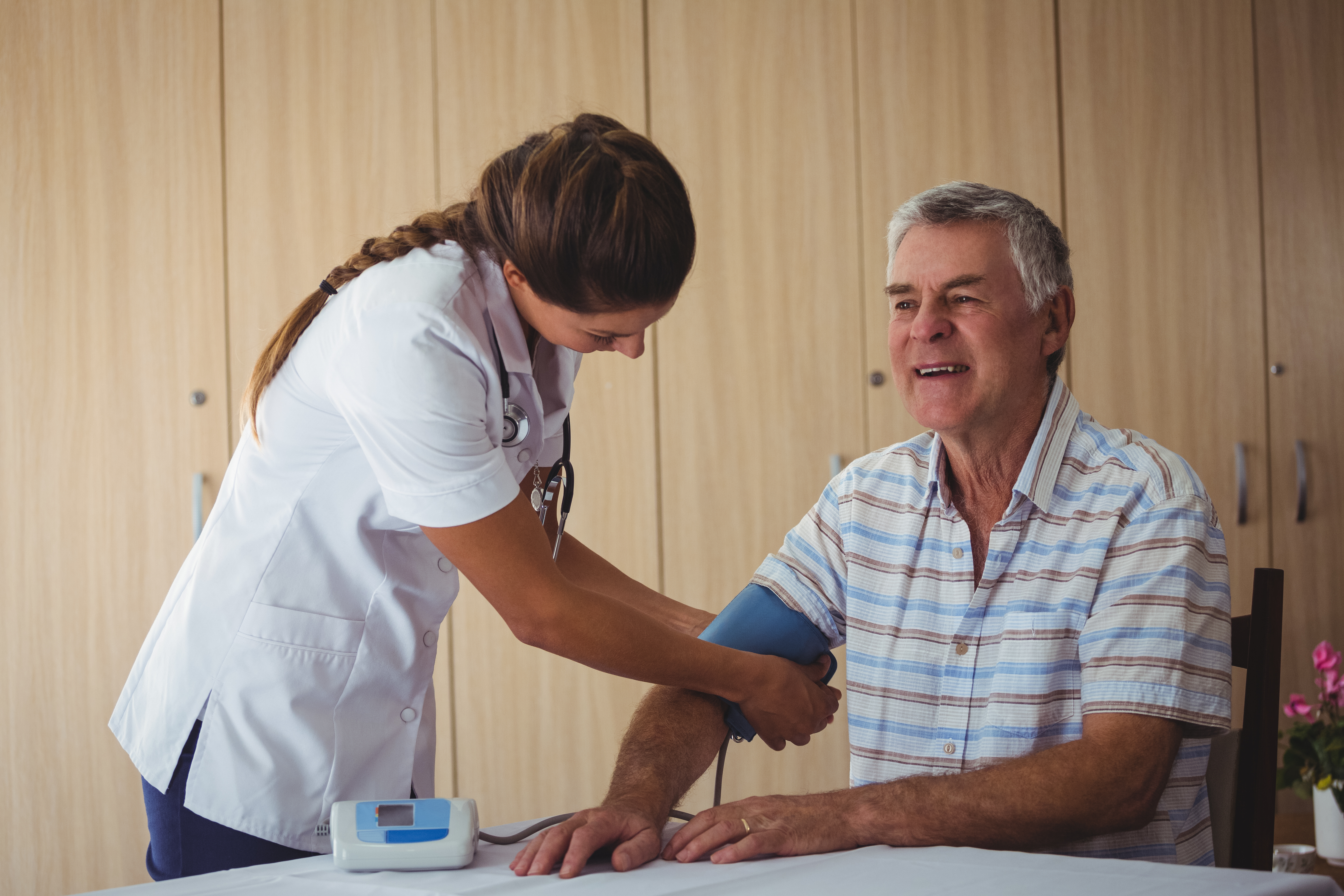
- Describe the five techniques used when performing a health assessment: Inspection Palpation, Percussion, Auscultation, Interpretation.
- Demonstrate knowledge at a beginning level of skill in the techniques of physical exam: inspection, palpation, percussion, auscultation, and interpretation.
-
Students mustMark as done
Slide Deck Presentation
-
Students mustView
-
Students mustMark as done
Supplementary Resources
-
Students mustView
-
-
Students mustMark as done
Quiz
-
Quiz Module 3
To access the quiz, click on the name of the quiz provided above. On the following screen, click the attempt quiz button to respond to the questions.
TO PASS THIS QUIZ YOU MUST OBTAIN A SCORE OF 4/5.
Not available unless: The activity Quiz Module 2: Lesson 3 is complete and passed -
Students mustMark as done
-
Students mustMark as done
Suggested Assignments
- Describe the five techniques used when performing a health assessment: Inspection Palpation, Percussion, Auscultation, Interpretation.
-
Learning Objectives:
- Explain the purpose of each of the following pieces of health equipment and explain its proper use in conducting a physical assessment: Stethoscope, sphygmomanometer, pulse oximeter, reflex hammer, thermometer, pen light, scissors, watch with second hand, tuning fork, tongue depressor, monofilament, goniometer, otoscope, ophthalmoscope, speculum, tape measure, scale.
-
Students mustMark as done
Slide Deck Presentation
-
Students mustView
-
Students mustMark as done
Quiz
-
Quiz Module 3: Lesson 2
To access the quiz, click on the name of the quiz provided above. On the following screen, click the attempt quiz button to respond to the questions.
Not available unless: The activity Quiz Module 3 is complete and passed -
Students mustMark as done
Suggested Assignments
- Explain the purpose of each of the following pieces of health equipment and explain its proper use in conducting a physical assessment: Stethoscope, sphygmomanometer, pulse oximeter, reflex hammer, thermometer, pen light, scissors, watch with second hand, tuning fork, tongue depressor, monofilament, goniometer, otoscope, ophthalmoscope, speculum, tape measure, scale.
-
Learning Objectives:
- Describe the components of the thoracic cavity, lung borders, lung lobes, and mechanics of respiration.
- Describe assessment of the thorax and lungs.
- Discuss documentation of assessment findings.
- Interpret assessment in terms of normal vs. abnormal findings and signs of clinical emergencies.
-
Students mustMark as done
Slide Deck Presentation
-
Students mustView
-
Students mustMark as done
Supplementary Resources
-
-
Students mustMark as done
Quiz
-
Quiz Module 3: Lesson 3
To access the quiz, click on the name of the quiz provided above. On the following screen, click the attempt quiz button to respond to the questions.
Not available unless: The activity Quiz Module 3: Lesson 2 is complete and passed
- Describe the components of the thoracic cavity, lung borders, lung lobes, and mechanics of respiration.
-
Learning Objectives:
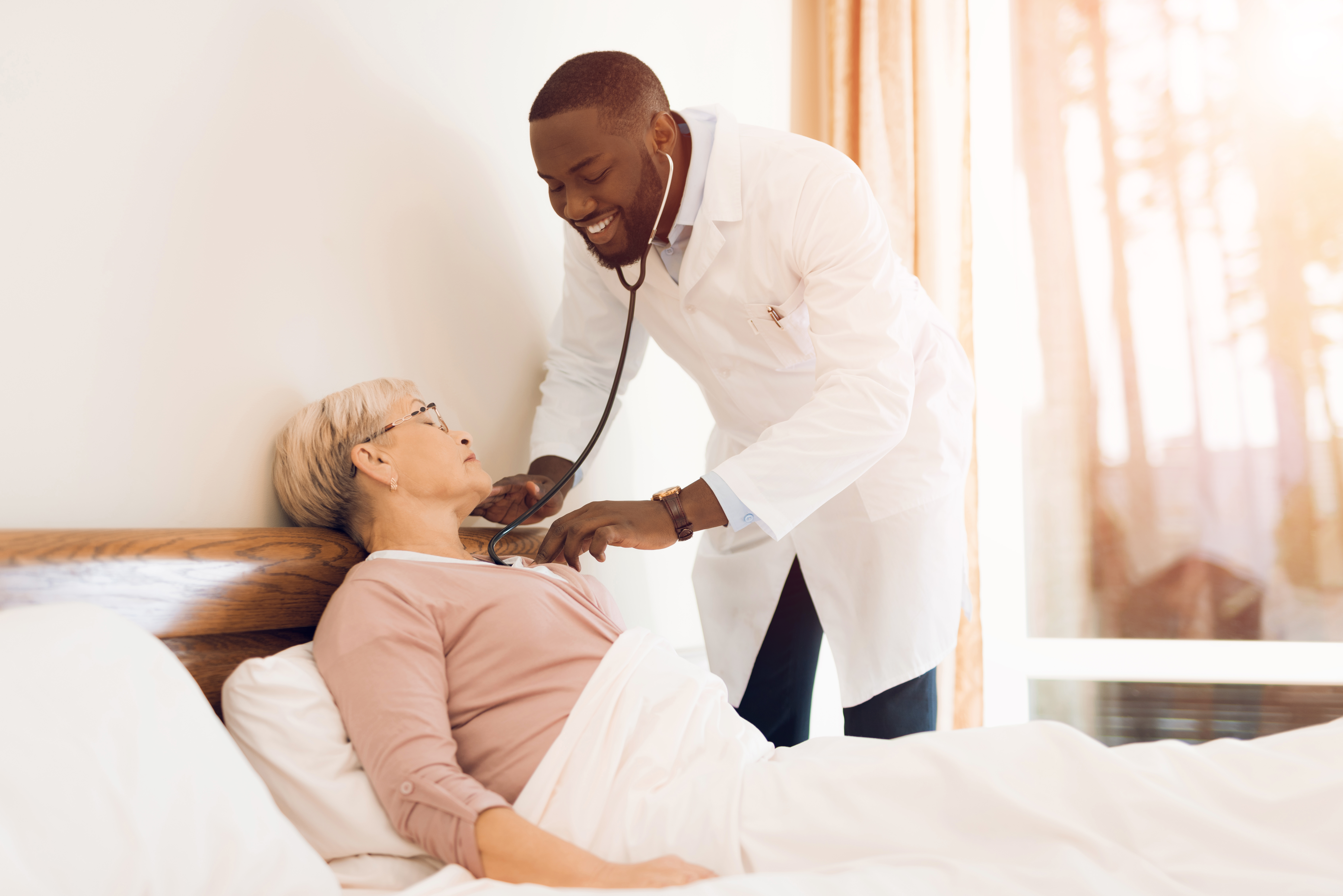
- Identify the physical landmarks of auscultating the following sites: Aortic valve, pulmonic valve, Erb’s point, tricuspid valve, mitral valve.
- Explain how to locate the PMI, and identify the significance of a PMI displaced laterally.
- Differentiate between normal and abnormal assessment findings of the heart.
-
Students mustMark as done
Slide Deck Presentation
-
Students mustView
-
Students mustMark as done
Supplementary Resources
-
Students mustView
-
Students mustMark as done
Quiz
-
Students mustViewReceive a gradeReceive a passing grade
- Identify the physical landmarks of auscultating the following sites: Aortic valve, pulmonic valve, Erb’s point, tricuspid valve, mitral valve.
-
Learning Objectives:
- Explain the changes that occur in circulation at birth and the need to repeat the cardiac assessment after 48 hours.
- Differentiate between normal and abnormal assessment findings with respect to the heart rate and skin color.
- Explain the importance of early identification of Rheumatic Fever in early childhood.
-
Students mustMark as done
Slide Deck Presentation
-
Students mustView
-
Students mustMark as done
Supplementary Resources
-
-
Students mustView
-
Students mustView
-
Students mustView
-
Students mustMark as done
Quiz
-
Quiz Module 4: Lesson 2
To access the quiz, click on the name of the quiz provided above. On the following screen, click the attempt quiz button to respond to the questions.
Not available unless: The activity Quiz Module 3: Lesson 3 is complete and passed -
Students mustMark as done
-
Students mustMark as done
Suggested Assignments
- Explain the changes that occur in circulation at birth and the need to repeat the cardiac assessment after 48 hours.
-
Learning Objectives:
- Describe the components and function of the peripheral vascular system.
- Describe assessment of the peripheral vascular system.
- Discuss documentation of assessment findings.
- Interpret assessment in terms of normal vs. abnormal and emergent findings.
-
Students mustMark as done
Slide Deck Presentation
-
Students mustView
-
Students mustMark as done
Supplementary Resources
-
-
Students mustMark as done
Quiz
-
Quiz Module 4: Lesson 3
To access the quiz, click on the name of the quiz provided above. On the following screen, click the attempt quiz button to respond to the questions.
Not available unless: The activity Quiz Module 4: Lesson 2 is complete and passed -
Students mustMark as done
Suggested Assignments
- Describe the components and function of the peripheral vascular system.
-
Learning Objectives:
- Describe the components and functioning of the gastrointestinal (GI) system.
- Describe the assessment of the GI system, including patient medical-surgical history, pain, presence of bowel sounds, and order of GI assessment.
- Discuss documentation of assessment findings.
- Interpret GI assessment findings in terms of GI functioning.
-
Students mustMark as done
Slide Deck Presentation
-
Students mustView
-
Students mustMark as done
Supplementary Resources
-
-
Students mustMark as done
Quiz
-
Quiz Module 5
To access the quiz, click on the name of the quiz provided above. On the following screen, click the attempt quiz button to respond to the questions.
Not available unless: The activity Quiz Module 4: Lesson 3 is complete and passed
- Describe the components and functioning of the gastrointestinal (GI) system.
-
Learning Objectives:
- Correctly identify structures and functions of organs associated with the female reproductive tract.
- Describe breast self-exam teaching.
- Identify changes that occur with pregnancy and expected vs unexpected findings in the pregnant female.
- Correctly identify patients at higher risk for female GU problems.
- Correctly identify GU findings that constitute an emergency.
-
Students mustMark as done
Slide Deck Presentation
-
Students mustView
-
Students mustMark as done
Supplementary Resources
-
Students mustMark as done
Quiz
-
Quiz Module 5: Lesson 2
To access the quiz, click on the name of the quiz provided above. On the following screen, click the attempt quiz button to respond to the questions.
Not available unless: The activity Quiz Module 5 is complete and passed
-
Learning Objectives:
- Discuss the structure and function of the male genitalia.
- Describe the assessment of the male genitalia including reproductive, sexual history, external exam, and examination of the rectum/prostate.
- Correctly identify findings that constitute an emergency.
-
Students mustMark as done
Slide Deck Presentation
-
Students mustView
-
Students mustMark as done
Supplementary Resources
-
-
Students mustMark as done
Quiz
-
Quiz Module 5: Lesson 3
To access the quiz, click on the name of the quiz provided above. On the following screen, click the attempt quiz button to respond to the questions.
Not available unless: The activity Quiz Module 5: Lesson 2 is complete and passed
- Discuss the structure and function of the male genitalia.
-
Learning Objectives:
- List the number, name, and function of each of the 12 cranial nerves.
- Describe how to assess the functioning of each of the 12 cranial nerves.
- Discuss the documentation of cranial nerve assessment.
- Interpret cranial nerve assessment findings.
-
Students mustMark as done
Slide Deck Presentation
-
Students mustView
-
Students mustMark as done
Supplementary Resources
-
Students mustMark as done
Quiz
-
Quiz Module 6
To access the quiz, click on the name of the quiz provided above. On the following screen, click the attempt quiz button to respond to the questions.
Not available unless: The activity Quiz Module 5: Lesson 3 is complete and passed
-
Learning Objectives:
- Describe the structure and function of the CNS and PNS.
- Describe how to assess the functioning of the CNS and PNS using the 5 basic parameters of the neurological assessment (Mental status, Cranial nerves, Reflexes, Motor function, and sensory function) and give specific examples. (Note: CN 1-12 will be covered in detail in a separate PowerPoint).
- Discuss documentation of CNS and PNS assessment.
- Interpret CNS and PNS assessment findings in terms of signs of clinical emergencies.
-
Students mustMark as done
Slide Deck Presentation
-
Students mustView
-
Students mustMark as done
Supplementary Resources
-
Students mustView
-
Students mustMark as done
Quiz
-
Quiz Module 6: Lesson 2To access the quiz, click on the name of the quiz provided above. On the following screen, click the attempt quiz button to respond to the questions.Not available unless: The activity Quiz Module 6 is complete and passed
-
Students mustMark as done
Suggested Assignments
-
Learning Objectives:
- Explain the processes, procedures and techniques in the assessment of the eyes and vision.
- Differentiate between normal and abnormal assessment findings of the eye.
- Outline the nurse’s actions in the assessment of the eyes and vision.
-
Students mustMark as done
Slide Deck Presentation
-
Students mustView
-
Students mustMark as done
Supplementary Resources
-
-
-
Students mustMark as done
Quiz
-
Quiz Module 6: Lesson 3
To access the quiz, click on the name of the quiz provided above. On the following screen, click the attempt quiz button to respond to the questions.
TO PASS THIS QUIZ YOU MUST OBTAIN A SCORE OF 4/5.
Not available unless: The activity Quiz Module 6: Lesson 2 is complete and passed -
Students mustMark as done
Suggested Assignments
-
Learning Objectives:
- Explain the processes, procedures and techniques in the assessment of the head and neck.
- Differentiate between normal and abnormal assessment findings of the head and neck, including lymph nodes of the neck.
- Outline the nurse’s actions in the assessment of the head and neck.
-
Students mustMark as done
Slide Deck Presentation
-
Students mustView
-
Students mustMark as done
Supplementary Resources
-
Students mustMark as done
Quiz
-
Quiz Module 8
To access the quiz, click on the name of the quiz provided above. On the following screen, click the attempt quiz button to respond to the questions.
Not available unless: The activity Quiz Module 6: Lesson 3 is complete and passed
-
Learning Objectives:
- Explain the processes, procedures, and techniques in the assessment of the ears and nose.
- Differentiate between normal and abnormal assessment findings of the ears and nose.
- Outline the nurse’s actions in the assessment of the ears and nose.
-
Students mustMark as done
Slide Deck Presentation
-
Students mustView
-
Students mustMark as done
Supplementary Resources
-
-
Students mustMark as done
Quiz
-
Quiz Module 8: Lesson 2
To access the quiz, click on the name of the quiz provided above. On the following screen, click the attempt quiz button to respond to the questions.
Not available unless: The activity Quiz Module 8 is complete and passed -
Students mustMark as done
Suggested Assignments
-
Learning Objectives:
- Explain the processes, procedures and techniques in the assessment of the mouth and throat.
- Differentiate between normal and abnormal assessment findings of the mouth and throat.
- Outline the nurse’s actions in the assessment of the mouth and throat.
-
Students mustMark as done
Slide Deck Presentation
-
Students mustView
-
Students mustMark as done
Supplementary Resources
-
Students mustView
-
Students mustView
-
Students mustView
-
Students mustView
-
Students mustMark as done
Quiz
-
Quiz Module 8: Lesson 3
To access the quiz, click on the name of the quiz provided above. On the following screen, click the attempt quiz button to respond to the questions.
Not available unless: The activity Quiz Module 8: Lesson 2 is complete and passed
-
Learning Objectives:
- Describe location, size, consistency, and other attributes of lymphadenopathy.
- Identify common clinical scenarios involving lymphadenopathy.
-
Students mustMark as done
Slide Deck Presentation
-
Students mustView
-
Students mustMark as done
Supplementary Resources
-
Students mustView
-
Students mustView
-
Students mustMark as done
Quiz
-
Quiz Module 9To access the quiz, click on the name of the quiz provided above. On the following screen, click the attempt quiz button to respond to the questions.Not available unless: The activity Quiz Module 8: Lesson 3 is complete and passed
-
Students mustMark as done
Suggested Assignments
-
Learning Objectives:
- Identify the structure and function of and changes in the components of the breast.
- Explain the importance of breast cancer screenings and the key risk factors related to breast cancer.
- List the objective and subjective concerns related to breast complaints.
- Explain key teaching points of the Breast Self Exam.
-
Students mustMark as done
Slide Deck Presentation
-
Students mustView
-
Students mustMark as done
Supplementary Resources
-
Students mustView
-
Students mustView
-
Students mustView
-
-
Students mustMark as done
Quiz
-
Quiz Module 9: Lesson 2
To access the quiz, click on the name of the quiz provided above. On the following screen, click the attempt quiz button to respond to the questions.
Not available unless: The activity Quiz Module 8: Lesson 3 is complete and passed
-
Learning Objectives:
- Explain the processes, procedures and techniques in the assessment of the skin, hair and nails.
- Differentiate between normal and abnormal assessment findings of the skin, hair and nails.
- Outline the nurse’s actions in the assessment of the skin, hair and nails.
-
Students mustMark as done
Slide Deck Presentation
-
Students mustView
-
Students mustMark as done
Supplementary Resources
-
Students mustView
-
-
Students mustMark as done
Quiz
-
Quiz Module 9: Lesson 3
To access the quiz, click on the name of the quiz provided above. On the following screen, click the attempt quiz button to respond to the questions.
Not available unless: The activity Quiz Module 9: Lesson 2 is complete and passed -
Students mustMark as done
Suggested Assignments
-
Learning Objectives:
- State the structure and function of the musculoskeletal system.
- Describe the assessment of a patient’s mobility, motor skills, gait, pain, and use of assistive devices.
- Discuss documentation of the musculoskeletal assessment.
- Interpret musculoskeletal assessment findings in terms of range of motion, strength and sensory findings.
-
Students mustMark as done
Slide Deck Presentation
-
Students mustView
-
Students mustMark as done
Supplementary Resources
-
Students mustView
-
-
Students mustMark as done
Quiz
-
Students mustMark as done
Suggested Assignments
-
Learning Objectives:
- Identify 8 specific strategies that should be used when assessing a disabled patient. Give examples.
- Describe 4 barriers faced by disabled populations in obtaining health care needs.
-
Students mustMark as done
Slide Deck Presentation
-
Students mustView
-
Students mustMark as done
Supplementary Resources
-
Students mustView
-
Students mustView
-
Students mustMark as done
Quiz
-
Quiz Module 10: Lesson 2
To access the quiz, click on the name of the quiz provided above. On the following screen, click the attempt quiz button to respond to the questions.
Not available unless: The activity Quiz Module 9: Lesson 3 is complete and passed -
Students mustMark as done
Suggested Assignments
-
Learning Objectives:
- Explain the role of genetics with respect to cancer risk.
- Identify the key components of a prenatal genetic assessment.
- Explain how data about a patient’s genetics influences other data collection techniques during the completion of a health assessment.
- Demonstrate how to develop and interpret a genogram.
-
Students mustMark as done
Slide Deck Presentation
-
Students mustView
-
Students mustMark as done
Supplementary Resources
-
Students mustView
-
Students mustView
-
-
Students mustMark as done
Quiz
-
Quiz Module 10: Lesson 3
To access the quiz, click on the name of the quiz provided above. On the following screen, click the attempt quiz button to respond to the questions.
Not available unless: The activity Quiz Module 10: Lesson 2 is complete and passed -
Students mustMark as done
Suggested Assignments
-
Learning Objectives:
- Describe the purpose of the general survey.
- List the elements of a general survey.
- Analyze how the nurses’ behavior during the general survey may influence the quality of the data collected during the health assessment.
-
Students mustMark as done
Slide Deck Presentation
-
Students mustView
-
Students mustMark as done
Supplementary Resources
-
-
Students mustMark as done
Quiz
-
Students mustMark as done
Suggested Assignments
-
Learning Objectives:
- Describe the four types of person-centered assessments completed by the nurse.
- Explain how the sequence of the content of a health assessment differs based on the type of assessment.
- Illustrate a situation in which each type of assessment is most appropriate.
-
Students mustMark as done
Slide Deck Presentation
-
Students mustView
-
Students mustMark as done
Supplementary Resources
-
Students mustMark as done
Quiz
-
Students mustMark as done
Suggested Assignments
-
Learning Objectives:
- Outline data collection techniques specific to the care of the elderly.
- Differentiate between performing an assessment of a healthy adult and a healthy elderly person.
- Explain how assessment techniques vary across the lifespan.
-
Students mustMark as done
Slide Deck Presentation
-
Students mustView
-
Students mustMark as done
Supplementary Resources
-
Students mustView
-
Students mustView
Discuss risk factors and strategies and community resources to support those with dependent elder.
-
Students mustMark as done
Quiz
-
Quiz Module 12
To access the quiz, click on the name of the quiz provided above. On the following screen, click the attempt quiz button to respond to the questions.
Not available unless: The activity Quiz Module 10: Lesson 3 is complete and passed -
Students mustMark as done
Suggested Assignments
-
Learning Objectives:
- Students will be able to define pain.
- Students will be able to list at least three things pain can do to impact their patient.
- Students will be able to discuss the use of “OLD CARTS” and its role in documenting pain characteristics.
- Students will be able to list at least two methods of pain relief they can offer their patient other than medications.
-
Students mustMark as done
Slide Deck Presentation
-
Students mustView
-
Students mustMark as done
Supplementary Resources
-
Students mustView
-
Students mustMark as done
Quiz
-
Quiz Module 12: Lesson 2
To access the quiz, click on the name of the quiz provided above. On the following screen, click the attempt quiz button to respond to the questions.
Not available unless: The activity Quiz Module 12 is complete and passed -
Students mustMark as done
Suggested Assignments
-
Learning Objectives:
- Outline the components of a nutritional assessment.
- Identify situations when the nurse would perform a nutritional assessment.
- Describe how data about nutrition influences other data collection techniques during the completion of a health assessment.
-
Students mustMark as done
Slide Deck Presentation
-
Students mustView
-
Students mustMark as done
Supplementary Resources
-
Students mustMark as done
Quiz
-
Quiz Module 12: Lesson 3
To access the quiz, click on the name of the quiz provided above. On the following screen, click the attempt quiz button to respond to the questions.
TO PASS THIS QUIZ YOU MUST OBTAIN A SCORE OF 5/5.
Not available unless: The activity Quiz Module 12: Lesson 2 is complete and passed -
Students mustMark as done
Suggested Assignments
-
Learning Objectives:
- Outline the components of a psychosocial assessment
- Explain the role of stress/coping, roles/relationships in the maintenance of health or development of illness.
-
Students mustMark as done
Slide Deck Presentation
-
Students mustView
-
Students mustMark as done
Supplementary Resources
-
Students mustView
-
Students mustMark as done
Quiz
-
Quiz Module 13
To access the quiz, click on the name of the quiz provided above. On the following screen, click the attempt quiz button to respond to the questions.
TO PASS THIS QUIZ YOU MUST OBTAIN A SCORE OF 5/5.
Not available unless: The activity Quiz Module 12: Lesson 3 is complete and passed -
Students mustMark as done
Suggested Assignments
-
Learning Objectives:
- Describe how a patient’s cultural beliefs and cultural behaviors influence their health.
- Define cultural competence.
- Define the components of a cultural assessment.
- Identify and apply a tool that can be used for a cultural assessment.
-
Students mustMark as done
Slide Deck Presentation
-
Students mustView
-
Students mustMark as done
Supplementary Resources
-
Students mustView
Go to the following HHS.gov website and take course 1 of the “Culturally Competent Nursing Care”.
-
Students mustMark as done
Quiz
-
Quiz Module 13: Lesson 2
To access the quiz, click on the name of the quiz provided above. On the following screen, click the attempt quiz button to respond to the questions.
TO PASS THIS QUIZ YOU MUST OBTAIN A SCORE OF 5/5.
Not available unless: The activity Quiz Module 13 is complete and passed -
Students mustMark as done
Suggested Assignments
-
Learning Objectives:
- Identify at least five attributes of community health nursing.
- Distinguish among individual-oriented care, delivery-oriented, and population-oriented community health nursing roles.
- Describe at least five client-oriented roles performed by community health nurses.
- Describe at least three delivery-oriented roles performed by community health nurses.
- Describe at least four population-oriented roles performed by community health nurses.
-
Students mustMark as done
Slide Deck Presentation
-
Students mustView
-
Students mustMark as done
Supplementary Resources
-
Students mustView
Read the following article:
Corley, A. G., Thornton, C. P., & Glass, N. E. (2016). The role of nurses and community health workers in confronting neglected tropical diseases in Sub-Saharan Africa: a systematic review. PLoS neglected tropical diseases, 10(9), e0004914. -
Students mustMark as done
Quiz
-
Quiz Module 14Not available unless: The activity Quiz Module 13: Lesson 2 is complete and passed
-
Learning Objectives:
- Outline the components of a safety assessment.
- Explain strategies to earn the patient’s trust and openness when assessing for violence or abusive situations.
- Discuss the ethical and legal implications of having knowledge about potentially dangerous situations.
-
Students mustMark as done
Slide Deck Presentation
-
Students mustView
-
Students mustMark as done
Supplementary Resources
-
Students mustView
Read the following study:
Sardinha, L., & Catalán, H. E. N. (2018). Attitudes towards domestic violence in 49 low-and middle-income countries: A gendered analysis of prevalence and country-level correlates. PloS one, 13(10), e0206101. -
Students mustMark as done
Quiz
-
Quiz Module 14: Lesson 2
To access the quiz, click on the name of the quiz provided above. On the following screen, click the attempt quiz button to respond to the questions.
TO PASS THIS QUIZ YOU MUST OBTAIN A SCORE OF 4/5.
Not available unless: The activity Quiz Module 14 is complete and passed -
Students mustMark as done
Suggested Assignments
-
-
Final Exam Quiz
To take the final exam, you must complete all quizzes and complete all the required activities. The final exam consists of 20 questions, and you will have 30 minutes to complete it. When the time is over you will not be able to answer additional questions.
To access the exam, click on the name of the exam provided above. On the following screen, click the attempt quiz button to respond to the questions.
Not available unless any of: All of: ...Not available unless any of:-
All of:
- The activity Course Registration is marked complete
- The activity Quiz Module 1: Introduction is marked complete
- The activity Quiz Module 1: Lesson 2 is marked complete
- The activity Quiz Module 1: Lesson 3 is marked complete
- The activity Quiz Module 1: Lesson 4 is marked complete
- The activity Quiz Module 2 is marked complete
- The activity Quiz Module 2: Lesson 3 is marked complete
- The activity Quiz Module 3 is marked complete
- The activity Quiz Module 3: Lesson 2 is marked complete
- The activity Quiz Module 3: Lesson 3 is marked complete
- The activity Quiz Module 4 is marked complete
- The activity Quiz Module 4: Lesson 2 is marked complete
- The activity Quiz Module 4: Lesson 3 is marked complete
- The activity Quiz Module 5 is marked complete
- The activity Quiz Module 5: Lesson 2 is marked complete
- The activity Quiz Module 5: Lesson 3 is marked complete
- The activity Quiz Module 6 is marked complete
- The activity Quiz Module 6: Lesson 2 is marked complete
- The activity Quiz Module 6: Lesson 3 is marked complete
- The activity Quiz Module 8 is marked complete
- The activity Quiz Module 8: Lesson 2 is marked complete
- The activity Quiz Module 8: Lesson 3 is marked complete
- The activity Quiz Module 9 is marked complete
- The activity Quiz Module 9: Lesson 2 is marked complete
- The activity Quiz Module 9: Lesson 3 is marked complete
- The activity Quiz Module 10: Lesson 2 is marked complete
- The activity Quiz Module 10: Lesson 3 is marked complete
- The activity Quiz Module 12 is marked complete
- The activity Quiz Module 12: Lesson 2 is marked complete
- The activity Quiz Module 12: Lesson 3 is marked complete
- The activity Quiz Module 13 is marked complete
- The activity Quiz Module 13: Lesson 2 is marked complete
- The activity Quiz Module 14 is marked complete
- The activity Quiz Module 14: Lesson 2 is complete and passed
- You belong to Alberta Health Service
-
All of:
-
-
 In this section, you can provide feedback about this course to help us make NextGenU.org better. Once evaluations are completed, you will be able to download your certificate of completion.
-
Course Evaluation QuestionnaireNot available unless: The activity Final Exam is complete and passed
-
Self Evaluation QuestionnaireNot available unless: The activity Final Exam is complete and passed
-
-