Vaping Prevention
-
Professional Development CoursesVaping PreventionResume0% complete0% complete
-
Students mustStudent must submit this questionnaire to complete it
-
Students mustViewReceive a grade
Show More-

Introduction
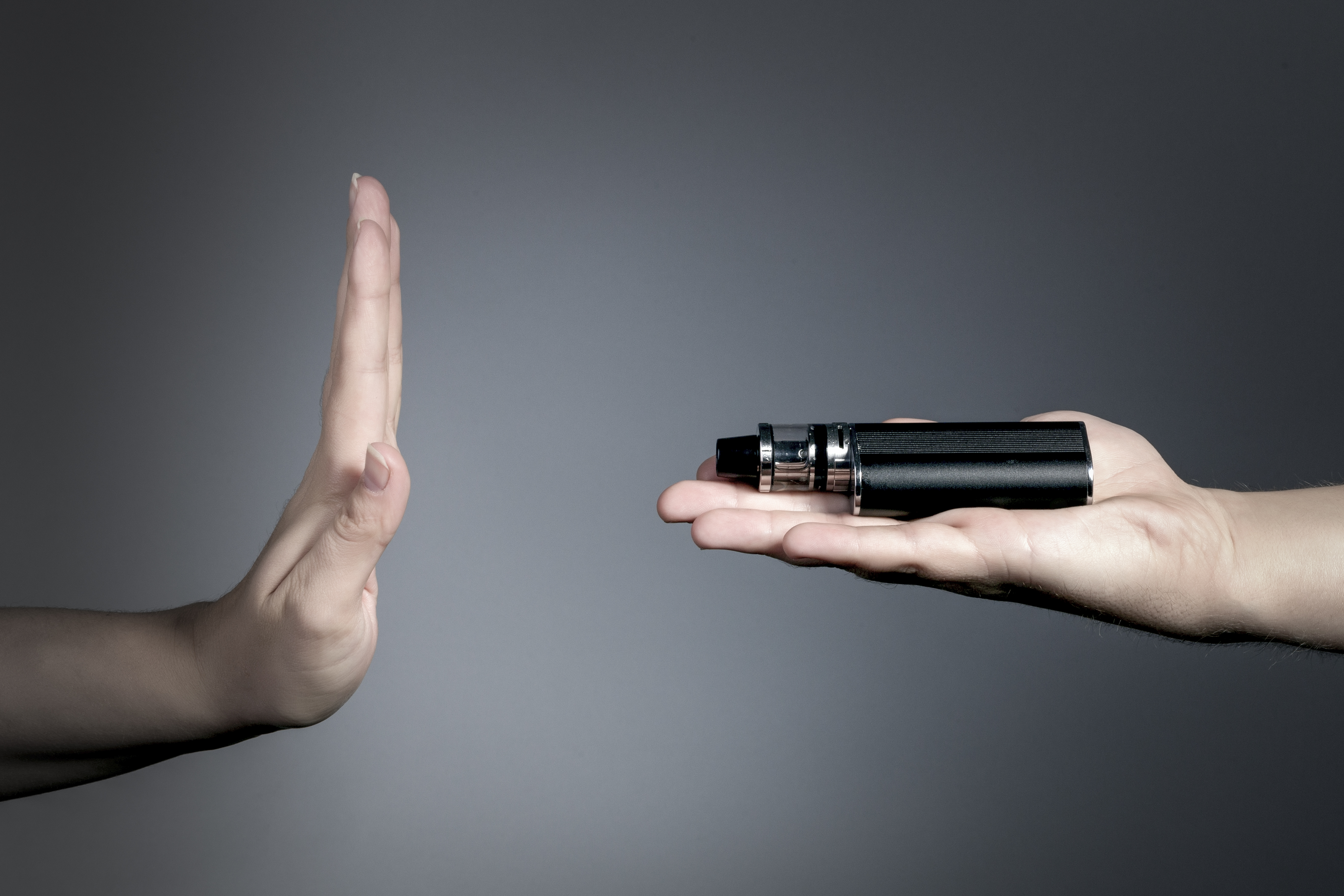
This course on vaping prevention will teach you, from a medical and public health perspective, about the health risks of vaping and e-cigarettes and the approaches used to prevent their misuse. It provides practical insight into the most prevalent health outcomes of vaping and the recommended strategies to prevent vaping, such as policy formation and updates, and also will describe the role of vaping in smoking cessation.
The course is designed to help you:
- Describe basic aspects of vaping and e-cigarettes, such as history, types of devices, and trends in their use.
- Identify common ingredients in vaping products.
- Discuss trends in the use of e-cigarettes.
- Explain the most prevalent health outcomes related to vaping.
- Summarize the mechanisms of nicotine dependence.
- Identify recommended strategies to prevent vaping.
- Propose a policy update to prevent vaping in your region.
- Describe the role of vapes and e-cigarettes in smoking cessation
- Examine the current debate in the scientific community regarding the efficacy and safety of vaping as a smoking cessation method.
- Discuss supporting and refuting evidence that examines the efficacy and safety of vapes and e-cigarettes as aids for smoking cessation.
There are four modules to complete, which include:- Module 1: Introduction to Vaping and E-Cigarettes
- Module 2: Vaping and Health
- Module 3: Vaping Prevention
- Module 4: Vape Use for Smoking Cessation
The completion time for this course is estimated at 13 hours, including 3 hours and 10 minutes of learning resources, 6 hours and 20 minutes for study and assimilation, and 3 hours and 30 minutes of participating in learning activities and quizzes to assist the learners in the synthesis of learning materials.
Engaging with this course- To register for this course, complete the registration form. Begin the course with Module 1. For each lesson, read the descriptions.
- There is a final quiz to assess your understanding of some important concepts. Click on the hyperlinks to take you to these items in each topic.
Requirements to obtain the certificate
You may browse this course for free to learn for your personal enrichment. There are no requirements.
To PASS and obtain a certificate, a learner must successfully complete:
- All reading requirements
- All quizzes and pass with a 80% with unlimited attempts,
- The final exam with a minimum of 80% and a maximum of 3 attempts and
- The self and course evaluation forms
Here are the next steps to take the course and earn a certificate.- Complete the registration form.
- Take the pre-test.
- Begin the course with Module 1: Introduction to Vaping and E-Cigarettes. In each lesson, read the description, complete all required readings and any required activity, as well as take the corresponding quizzes.
This course meets nationally approved standards of education developed for the addiction/substance use disorders counseling profession. This course's participants are assured that the continuing education (CE) credits provided will be accepted toward national credentialing by the NAADAC Certification Commission for Addiction Professionals (NCC AP), as well as by many of the individual state licensing/certification bodies in the addiction and other helping professions.
-
 Student Learning Outcome:
- Describe fundamental aspects of vaping and e-cigarettes, such as history, basic functioning, and types of devices.
- Identify common ingredients in vaping products.
- Discuss trends in the use of e-cigarettes among adults and young people.
-
Students mustMark as done
Required Learning Resources and Activities
-
Students mustView
Read the following sections: (6 minutes)
- The rise and rise of e-cigarette
- What is an e-cigarette?
- How has the design of e-cigarettes evolved?
- What words are used relating to e-cigarettes?Cambridge University Press: BJPsych Advances , Volume 25 , Issue 5 - 2019
-
Students mustView
Read the headings "What are E-Cigarettes," "How do E-Cigarettes Work?" and "What is JUUL?". (9 minutes)
Office on Smoking and Health, National Center for Chronic Disease Prevention and Health Promotion - 2022
-
Students mustView
Read the section under "Background" and study the image (Figure 1). (5 minutes)
Respiratory Research volume - 2021
-
Students mustView
Read the heading "What's in E-Cigarette Aerosol?". (9 minutes)
Office on Smoking and Health, National Center for Chronic Disease Prevention and Health Promotion - 2022
-
Students mustView
Read the sections under: (6 minutes)
- Vaping Under Teens
- Reports of Deaths Related to Vaping
- Health Effects for TeensNational Institute on Drug Abuse; National Institutes of Health; U.S. Department of Health and Human Services. - 2020
-
Students mustView
Read the Introduction, Results, and Discussions. (4 minutes)
Jama Internal Medicine - 2020
-
Students mustView
Read the Introduction, Discussion, and Conclusion. (9 minutes)
Jama Paediatrics - 2020
-
Students mustViewStart discussions: 1
In this activity, you will discuss the trends in the use of e-cigarettes among the youth and adults in your region.
Step 1. Research [45 minutes]
Search for data or statistics within 2018-2022 that display the trends in the use of e-cigarettes among the youth and adults in your region. If there is no existing data for your region, select another region or country with available data. Ensure that the following indicators exist in the data gathered:
- Sociodemographic characteristics
- Cigarette smoking status
Step 2. Analyze [ 30 minutes]
Analyze the data and statistics. Consider the following points in your analysis:
- The trends and the variances in e-cigarette use in terms of sociodemographic characteristics
- Gender
- Age
- Income
- Type(s) of e-cigarettes devices is(are) the most widely used
Step 3. Discuss [180 minutes]
Prepare a 300-600 word analysis that covers and discusses the following questions:
- Which has a higher percentage of e-cigarette use: the male or female population?
- Which shows a more prevalent use of e-cigarettes: the youth or adults?
- Is there a gender difference in the use of e-cigarettes among the youth?
- What are some commonly cited reasons for e-cigarette use?
- Which type(s) of e-cigarettes devices is(are) the most widely used?
- What are the other factors accountable for the variation of trends in using e-cigarettes among the youth and adults?
- Is there a difference in the type of devices used by adults and by youth?
Step 4. Share [10 minutes]
To share your work, click on the “Add a new discussion topic” button under this post and paste your work into the “Message” box. Make sure to reference others’ intellectual property when necessary. All references should follow 7th Edition APA formatting. For further instructions, see the resource on the Himmelfarb Health Sciences Library: APA citation resource (N.B. references are excluded from word counts).
Step 5: Evaluate [10 minutes]
Evaluate and categorize the work from one of your peers based on items A - E of the rubric below. Provide a rationale for the grade you have provided, as well as comments or suggestions for improvement. To post a reply, click “Reply” on a particular discussion, write your feedback and then click on “Post to the forum.” You can use the list below as an example:
Item A is .…. because…. My suggestions for improvement are….
Item B is .…. because…. My suggestions for improvement are….
Item C is .…. because…. My suggestions for improvement are….
Item D is .…. because…. My suggestions for improvement are….
Item E is .…. because…. My suggestions for improvement are….OPTIONAL Step 6: Interact (10 minutes)
If you would like to, you can reply to your peers' posts in a respectful and professional manner. Ensure that your post engages your peers' ideas by including a reflection on their comments, sharing ideas of other potential difficulties and parties involved, or asking thought-provoking questions. If a peer comments on your posting, please reply. To post a reply, click “Reply” on a particular discussion, write your feedback and then click on “Post to forum.”
-
Quiz: Module 1
To access the quiz, click on the name of the quiz provided above. On the following screen, click the attempt quiz button to view the case studies and respond to the questions.
Not available unless: The activity Course Registration is marked complete ...Not available unless:- The activity Course Registration is marked complete
- The activity Pre-Test is marked complete
-
Students mustMark as done
Recommended Additional Readings
-
Students mustView
Watch the entire video. (21 minutes)
ValleyHospital - 2020
-
Students mustView
Watch the entire video. (2 minutes)
UK Health Security Agency - 2019
-
Students mustView
Watch the entire video. (2 minutes)
National Institute on Drug Abuse (NIDA/NIH) - 2018
-
 Student Learning Outcome:
- Explain the most prevalent health outcomes related to vaping.
- Summarize the mechanisms of nicotine dependence related to the use of e-cigarettes among the general population, especially young people.
-
Required Learning Resources and Activities
-
Students mustView
Read the entire webpage. (11 minutes)
Office on Smoking and Health, National Center for Chronic Disease Prevention and Health Promotion - 2020
-
Students mustView
Go to the section "Read Fact Sheet" - Electronic Cigarettes, What's the Bottom Line - and read the section "What are the Health effects of using E-Cigarettes?". (2 minutes)
Centre for Disease Control - Office on Smoking and Health, National Center for Chronic Disease Prevention and Health Promotion - 2021
-
Students mustView
Read from "Effect of e-cigarette vapour versus conventional cigarette exposure" to "The e-cigarette device." (30 minutes)
Respiratory Research - 2021
-
Students mustView
Watch the entire video. (6 minutes)
Demystifying Medicine - 2021
-
Students mustView
Read the Abstract and Conclusion. (5 minutes)
Journal of pharmacopuncture - 2020
-
Students mustView
Read the entire webpage. (6 minutes)
National Institute on Drug Abuse (NIDA), USA - 2020
-
Students mustViewStart discussions: 1
In this activity, you will raise awareness about the mechanisms of nicotine dependence related to vaping and its most prevalent health outcomes using Twitter.
Step 1. Study (30 minutes)
Study the given scenario below
Scenario:
There is a documented rise in e-cigarette and vape use among the youth population in your city. In order to mitigate the problem, you are tasked to lead a social media campaign on Twitter to raise awareness about the mechanisms of nicotine dependence related to vaping and its most prevalent health outcomes. To prepare for the social media campaign, you will draft the lay language for the campaign using the following:
- Mechanisms of nicotine dependence
- Most prevalent health outcomes of vaping
Step 2. Respond (180 minutes)
Write 5-7 tweets (280 characters max for each) for a social media campaign covering the following key points:
- Mechanisms of nicotine dependence
- Neuronal system in the brain
- Activity of dopaminergic system leading to craving and withdrawal effects
- Prevalent health outcomes of vape and e-cigarette use among the youth
- Impacts on the brain
- Lung injury
- Current status of the e-cigarette youth users
Step 3: Share (10 minutes)
To share your work, click on the “Reply” button under this post and paste your work into the “Message” box. Make sure to reference others’ intellectual property when necessary. All references should follow 7th Edition APA formatting. For further instructions, see the resource on the Himmelfarb Health Sciences Library: APA citation resource (N.B. references are excluded from word counts).
Step 4: Interact (10 minutes)
Evaluate and categorize the work from one of your peers based on items A - E of the rubric below. Provide a rationale for the grade you have provided, as well as comments or suggestions for improvement. To post a reply, click “Reply” on a particular discussion, write your feedback and then click on “Post to forum.” You can use the list below as an example:
Item A is .…. because…. My suggestions for improvement are….
Item B is .…. because…. My suggestions for improvement are….
Item C is .…. because…. My suggestions for improvement are….
Item D is .…. because…. My suggestions for improvement are….
Item E is .…. because…. My suggestions for improvement are…. -
Students mustViewReceive a gradeReceive a passing grade
To access the quiz, click on the name of the quiz provided above. On the following screen, click the attempt quiz button to respond to the questions.
-
Students mustMark as done
Recommended Additional Readings
-
Students mustView
Read the following sections: Introduction and Vulnerability to Nicotine in Adolescence. (10 minutes)
Nicotine Induced Neurobiological Changes in Adolescents - 2021
-
Students mustView
Watch the entire video. (8 minutes)
Centers for Disease Control and Prevention (CDC) - 2021
- Explain the most prevalent health outcomes related to vaping.
-
 Student Learning Outcome:
- Identify recommended strategies to prevent vaping in adult and adolescent populations.
- Describe examples of existing national and global policies that seek to mitigate the vaping crisis.
- Propose a policy update to prevent vaping in your region.
-
Required Learning Resources and Activities
-
Students mustView
Read Chapter 4 - Examples of Effective Vaping Prevention and Reduction
Interventions. (19 minutes)Substance Use and Mental Health Services Administration (SAMHSA) - 2020
-
Students mustView
Read the entire article. (9 minutes)
The New England Journal of Medicine - 2020
-
Students mustView
Read the Introduction and Discussions. (9 minutes)
Tobacco Control - 2017
-
Students mustViewStart discussions: 1
In this activity, you will select an existing policy on tobacco legislation and write a letter to propose a policy update.
Step 1. Research (30 minutes)
Search for existing policies on tobacco legislation in your locality. Select one policy that you think needs to be updated.
Step 2. Analyze (30 minutes)
Analyze the inclusions of the policy and reflect on how the policy can be updated so that it can also address strategies to mitigate the prevalent use of e-cigarettes and vaping among the youth and young adults.
Step 3. Respond (150 minutes)
Respond by writing a 250-400 word letter addressed to your locality’s representative legislator. Include in your letter the following:
- Reasons why the policy needs to be updated
- Is the policy being implemented as intended?
- Does the policy having the desired effect?
- Are the policies and procedures current and relevant?
- Proposed amendments to the policy to address the purpose
- People who will be involved, whether a beneficiary to or a benefactor of the policy
Step 4: Share (10 minutes)
To share your work, click on the “Reply” button under this post and paste your work into the “Message” box. Make sure to reference others’ intellectual property when necessary. All references should follow 7th Edition APA formatting. For further instructions, see the resource on the Himmelfarb Health Sciences Library: APA citation resource (N.B. references are excluded from word counts).
Step 5: Interact (10 minutes)
Evaluate and categorize the work from one of your peers based on items A - E of the rubric below. Provide a rationale for the grade you have provided, as well as comments or suggestions for improvement. To post a reply, click “Reply” on a particular discussion, write your feedback and then click on “Post to forum.” You can use the list below as an example:
Item A is .…. because…. My suggestions for improvement are….
Item B is .…. because…. My suggestions for improvement are….
Item C is .…. because…. My suggestions for improvement are….
Item D is .…. because…. My suggestions for improvement are….
Item E is .…. because…. My suggestions for improvement are…. -
Students mustViewReceive a gradeReceive a passing grade
To access the quiz, click on the name of the quiz provided above. On the following screen, click the attempt quiz button to respond to the questions.
-
Students mustMark as done
Recommended Additional Readings
-
Students mustView
Watch the entire video. (4 minutes)
ASTHO - 2019
-
Students mustView
Watch the entire video. (3 minutes)
CBC News: The National - 2019
-
 Student Learning Outcome:
- Describe the role of vapes and e-cigarettes in smoking cessation.
- Examine the current debate in the scientific community regarding the efficacy and safety of vaping as a smoking cessation method.
- Discuss supporting and refuting evidence that examines the efficacy and safety of vapes and e-cigarettes as aids for smoking cessation.
-
Required Learning Resources and Activities
-
Students mustView
Read the entire article. (15 minutes)
Journal of American Heart Association - 2019
-
Students mustView
Read the Introduction and Discussion. (9 minutes)
Tobacco Control - BMJ - 2022
-
Students mustView
Read the entire article. (13 minutes)
Preventive medicine reports, - 2021
-
Students mustView
Read "CAN E-CIGARETTES HELP ADULTS QUIT SMOKING CIGARETTES?" (1 minute)
Centre for Disease Control - Office on Smoking and Health, National Center for Chronic Disease Prevention and Health Promotion - 2021
-
Students mustView
Read the Abstract and Discussion. (6 minutes)
Current opinion in Pulmonary Medicine - 2018
-
Students mustViewStart discussions: 1
In this activity, you will examine the current debate on the efficacy and safety of vaping and e-cigarettes as aids for smoking cessation and write a post to discuss it.
Step 1. Review (45 minutes)
Read all required readings for this lesson taking into account the following:
- Evidence/Findings that support the use of e-cigarettes and vapes as aids for smoking cessation
- Evidence/Findings that refute the use of e-cigarettes and vapes as aids for smoking cessation
Step 2. Respond (180 minutes)
Imagine yourself as a healthcare provider in consultation dialogue with a heavy smoking patient. Suppose the patient asks you for recommendations if vaping is useful to help him stop smoking.
Respond by preparing a 300-600 word piece of writing to address this question by discussing two sides of the argument: evidence supporting and evidence refuting the efficacy and safety of vaping and e-cigarettes as aids for smoking cessation. Ensure that your response includes the following :
- Mechanisms of vaping and e-cigarettes for managing nicotine cravings
- Risks and benefits associated with the use of vapes and e-cigarettes as aids for smoking cessation
- Effectiveness of using e-cigarettes for quitting smoking compared to other cessation methods
Step 3: Share (10 minutes)
To share your work, click on the “Add a new discussion topic” button under this post and paste your work into the “Message” box. Make sure to reference others’ intellectual property when necessary. All references should follow 7th Edition APA formatting. For further instructions, see the resource on the Himmelfarb Health Sciences Library: APA citation resource (N.B. references are excluded from word counts).
Step 4: Interact (10 minutes)
Evaluate the work from one of your peers. Provide comments or suggestions for improvement and your thoughts about the points that your peer has written. To post a reply, click “Reply” on a particular discussion, write your feedback and then click on “post to forum.”
-
Students mustViewReceive a gradeReceive a passing grade
To access the quiz, click on the name of the quiz provided above. On the following screen, click the attempt quiz button to respond to the questions.
-
-
Final Exam Quiz
To take the final exam, you must complete all quizzes and complete all the required activities. The final exam consists of 20 questions, and you will have 40 minutes to complete it. When the time is over, you will have two minutes to submit your attempt before it expires, and your progress is discarded. You will not be able to answer additional questions in the grace period.
To access the exam, click on the name of the exam provided above. On the following screen, click the attempt quiz button to respond to the questions.
Not available unless any of: All of: ...Not available unless any of:-
All of:
-
All of:
- The activity Course Registration is marked complete
- The activity Pre-Test is marked complete
- The activity Quiz: Module 1 is marked complete
- The activity Quiz: Module 2 is marked complete
- The activity Quiz: Module 3 is marked complete
- The activity Quiz: Module 4 is marked complete
-
All of:
- The activity Peer Activity 1: Trends in the Use of E-cigarettes Among the Youth and Adults (275 minutes) is marked complete
- The activity Peer Activity 2: Vaping and Health (230 minutes) is marked complete
- The activity Peer Activity 3: Policy Proposal Update for Vaping Prevention (230 minutes) is marked complete
- The activity Discussion Forum 1: Vape Use for Smoking Cessation (245 minutes) is marked complete
-
All of:
- You belong to Miami Med
-
All of:
-
-
 In this section, you can provide feedback about this course to help us make NextGenU.org better. Once evaluations are completed, you will be able to download your certificate of completion.
Click here give your feedback
-
Course Evaluation QuestionnairePlease help us make NextGenU.org courses even better by submitting this evaluation. Your evaluation is confidential and used only for improving our trainings.Not available unless: The activity Final Exam is marked complete
-
Self Evaluation QuestionnairePlease take the time to reflect on how you would evaluate yourself as a learner.Not available unless: The activity Final Exam is marked complete
-
-