Adult Cardiovascular Disease Prevention
-
Medicine CoursesAdult Cardiovascular Disease PreventionResume0% complete0% complete
Introduction
-
Students mustStudent must submit this questionnaire to complete it
-
Students mustViewReceive a grade
Show More-
Adult Cardiovascular Disease Prevention Homepage
Highlighted

Welcome to the Adult Cardiovascular Disease Prevention course. This course is designed to provide an understanding of the prevention of cardiovascular disease and is intended to provide the knowledge needed for clinically-prepared medical students, residents and practicing physicians.
The Adult Cardiovascular Disease Prevention course, like all NextGenU.org courses, is competency-based, using competencies from the ACCF/AHA/ACP 2009 Competence and Training Statement: A Curriculum on Prevention of Cardiovascular Disease. It uses learning resources from accredited, world-class organizations such as the American Heart Association, and National Institute of Health.
The Adult Cardiovascular Disease Prevention course was created by Judith Thomas and was designed by the NextGenU.org team: Eduardo Bianco, MD; Hugo Rojas, MD, MSc, DiplEd; Pablo Baldiviezo Rodriguez, MD, DiplEd; Alixandria Ali, BSc; Carolina Bustillos, MD and Kabiru Gulma, Ph.D.
For publications on NextGenU.org’s courses’ efficacy, see the NextGenU.org’s publication page. Subscribe to our newsletter to be notified of future updates, new courses, and to be part of our community.
There are 4 modules to complete, which provide an introduction to:
- Module 1: Epidemiology, Public Health and Preventive Cardiology
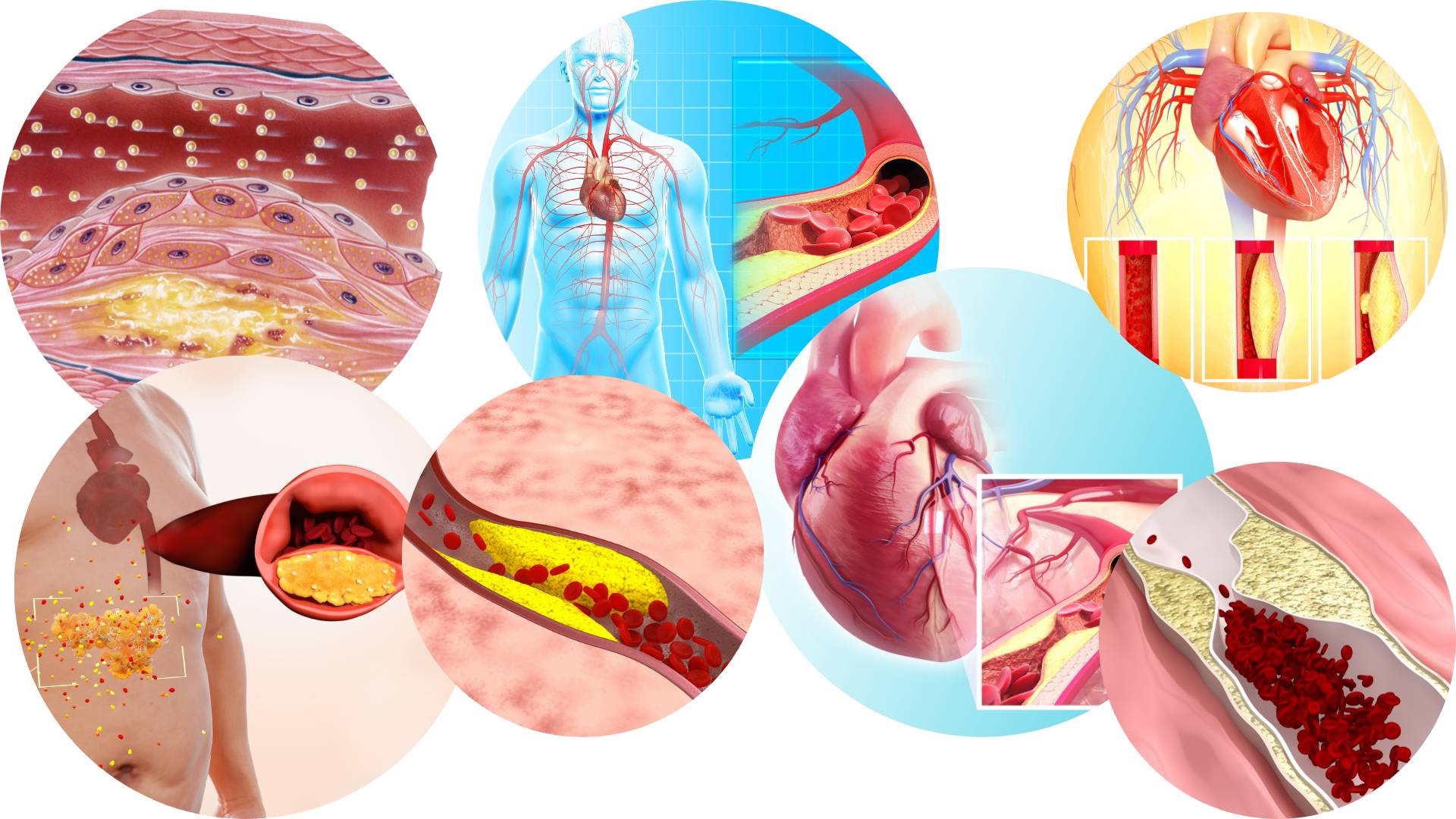
- Module 2: Aetiology and Pathophysiology of Atherosclerosis
- Module 3: Primary Prevention and Risk Factor Management
- Module 4: Secondary Prevention and Cardiovascular Rehabilitation
At the end of each module, there is a practice quiz of ten (10) multiple-choice questions. After you’ve completed each module, quiz, and learning activity, at the end of the course, you’ll have access to a final exam consisting of thirty-two (32) multiple-choice questions, and a chance to evaluate this course. Participants have up to three opportunities to take the final exam and achieve the required score of >=70%.
Once you’ve passed that last test, you will be able to download a certificate of completion from NextGenU.org and our course’s co-sponsoring organizations. We keep all of your personal information confidential, never sell any of your information, and only use anonymized data for research purposes. Also, we are happy to report your testing information and share your work with anyone (your school, employer, etc.) at your request.
Approximate time for completion of this course is 110 hours at an average reading rate of 144 words/minute.
Engaging with this Course:
You may browse this course for free to learn for your personal enrichment; there are no requirements.
To PASS and obtain a certificate, a learner must first register for the course and then successfully complete:
- All the reading requirements,
- All quizzes and pass with a 80% with unlimited attempts,
- The final exam with a minimum of 80% and a maximum of 3 attempts, and
- The self and course evaluation forms.
To obtain credit:
Complete all requirements listed above for the certificate, and your learning institution or workplace should approve the partner-university-sponsored NextGenU.org course for educational credit, as they would for their learner taking a course anywhere.
NextGenU.org is happy to provide your institution with:
- A link to and description of the course training, so they can see all its components, including the cosponsoring universities and other professional organization cosponsors;
- Your grade on the final exam;
- Your work products, and any other required or optional shared materials that you produce and authorize to share with them;
- Your evaluations -- course, and self-assessments;
- A copy of your certificate of completion, with the co-sponsoring universities and co-sponsors.
To obtain a degree, NextGenU.org co-sponsors degree programs with institutional partners. To obtain a full degree co-sponsored with NextGenU.org, registrants must be enrolled in a degree program as a student of a NextGenU.org institutional partner. If you think that your institution might be interested in offering a degree with NextGenU.org contact us.
We hope that you will find this a rewarding learning experience, and we count on your assessment and feedback to help us improve this training for future students.
Here are the next steps to take the course and earn a certificate.
- Complete the registration form.
- Take the pre-test.
Begin the course with Module 1: Epidemiology, Public Health and Preventive Cardiology. In each lesson, read the description, complete all required readings and any required activity, as well as take the corresponding quizzes.
-
 Competencies covered in this module:
- Design, implement, and evaluate preventive interventions at the population level.
- Design, implement, and evaluate preventive interventions at the population level.
-
Upon completion of this lesson, you will be able to:Student Learning Outcomes:
- Identify target populations and preventive interventions, including groups currently underrepresented in clinical studies (women, older people, ethnic minorities, and migrants).
- Examine the evidence regarding population-based approaches to prevention (e.g., epidemiology, randomized controlled trials, and cost-effectiveness studies).
- Describe the research methodology to collect data/run analysis/synthesize results of study outcomes/use audit tools.
- Identify potential stakeholders and collaborators.
- Identify how to disseminate health-related issues.
- Explain data collection tools (questionnaires, instruments to collect clinical data).
- Describe statistical methods to analyze data taking into account possible biases/confounders.
- Consider the cost-effectiveness of interventions.
-
Students mustMark as done
Required Learning Resources and Activities
-
Students mustView
Read the entire article. (15 minutes)
National Institute for Health and Care Research - 2020
-
Students mustView
Read the entire article except for the reference list. (30 minutes)
Centers for Disease Control and Prevention - 2012
-
Students mustView
Read the entire article. (35 minutes)
Cyberspace - 2019
-
Students mustView
Read the entire article. (20 minutes)
Journal of General Internal Medicine - 2022
-
Students mustView
Read the entire article. (60 minutes)
Agency for Healthcare Research and Quality - 2012
-
Students mustView
Read the entire article. (35 minutes)
Form Plus - 2022
-
Students mustView
Read the entire article. (30 minutes)
Faculty of Public Health - 2018
-
Students mustView
Read the entire article. (30 minutes)
Health Economics Reveiw - 2012
-
Students mustViewStart discussions: 1
General Instructions: In the following activity, you will apply research methodology concepts to collect data, run analyses, synthesize results, and use statistical methods. Read the case study and develop points for the different populations.
Step 1 - Review: Imagine the following scenario:
You are tasked with investigating Hospital X. The research involves understanding the population's knowledge about the risk factors of cardiovascular diseases, and the same subject must be researched across two different populations. The first population consists of adults between 30 and 60 years of age (Population A) who are treated in various specialties at Hospital X. The second population includes adolescents between 13 and 17 years of age who attend the same hospital (Population B).
Step 2 - Respond: Develop the following points for Populations A and B:
What characteristics (qualitative or quantitative) will the two investigations have? Will they be qualitative or quantitative?
- Write three inclusion criteria that you would use in the investigations.
- What data collection tool would you use for each population?
- What data analysis methods would you use?
- What biases should you consider in each of the populations?
- What essential points should you consider to avoid biases in both populations?
Step 3 - Share: To share your work, click the "Add a new discussion topic" button under this post and paste your work into the "Message" box. Remember to reference others' intellectual property when necessary. All references should follow the 7th Edition APA formatting. For further instructions, see the resource on the Himmelfarb Health Sciences Library: APA citation resource (Note: references are excluded from word counts).
Step 4 - Interact: To complete the activity, you must reply to at least two posts made by your peers in a respectful and professional manner. Make sure your post engages your peers' ideas by including a reflection on their comments, sharing ideas about other potential difficulties and involved parties, or asking thought-provoking questions. If a peer comments on your post, please reply. To post a reply, click "Reply" on a particular discussion, write your feedback, and then click "Post to forum."OPTIONAL Step 5: Interact (10 minutes)
If you would like to, you can reply to your peers' posts in a respectful and professional manner. Ensure that your post engages your peers' ideas by including a reflection on their comments, sharing ideas of other potential difficulties and parties involved, or asking thought-provoking questions. If a peer comments on your posting, please reply. To post a reply, click “Reply” on a particular discussion, write your feedback and then click on “Post to forum.”
- Identify target populations and preventive interventions, including groups currently underrepresented in clinical studies (women, older people, ethnic minorities, and migrants).
-
Upon completion of this lesson, you will be able to:Student Learning Outcomes:
- Describe the epidemiology of CVD.
- Explain common risk factors that apply to CVD.
- Identify what individual/patient groups are at high risk for CVD and how they should be targeted for preventive care.
- Demonstrate an understanding of how the social determinants of health influence CV health and health inequalities.
- Describe the key critical success factors for delivering effective CVD prevention programs.
- Summarize existing public health strategies employed for the prevention of cardiovascular diseases at the population and individual levels.
Approximate time required for the readings for this lesson (at 144 words/minute): 8 hours and 30 minutes.
-
Students mustMark as done
Required Learning Resources and Activities
-
Students mustView
Read the entire article. (35 minutes)
Journal of the American College of Cardiology - 2022
-
Students mustView
Read the entire article. (10 minutes)
Centers for Disease Control and Prevention - 2019
-
Students mustView
Read the entire article. (30 minutes)
Public Health Reviews - 2015
-
Students mustView
Read the entire article. (60 minutes)
McGraw Hill - 2017
-
Students mustView
Read the entire article and stop at "Organizing for Action". (40 minutes)
National Library of Medicine - 2010
-
Students mustView
Read the entire article. (30 minutes)
Journal of the American Heart Association - 2020
-
Students mustViewStart discussions: 1
General Instructions: In this activity, you will write a research proposal that examines the morbidity, mortality, and criteria of vascular diseases with the greatest impact in your country. The proposal should include the following subsections, each developed in no more than 200 words.
Step 1 - Review: Consider and review the following points, and if necessary, gather updated information for your writing (from up to five years ago).
Choose a potential research topic based on the epidemiological data of cardiovascular disease (CVD) and its associated lifestyle, medical, and psychosocial risk factors in your country. Select a population group from the following: women, older people, ethnic minorities, or migrants.
At the end of the investigation, include a subsection for proposals: consider the latest evidence-based guidelines for managing individuals with multifactorial cardiovascular risk profiles. Outline the key critical success factors for delivering, and discuss what could be the most important health policies for effective CVD prevention.
Step 2 - Respond: Taking into account the points mentioned above, write brief paragraphs explaining and justifying your research topic, proposal, and chosen population, considering your context. Keep in mind that each explanation should not exceed 200 words.
- What would be the research topic?
- Provide a summarized paragraph to explain the justification.
- What methodology and characteristics would the research have?
- Mention possible titles for the content of your theoretical framework (at least five).
- What data collection tools would you use?
- What measures or actions would you propose once your research problem has been analyzed? (Campaigns, workshops, or other awareness actions aimed at your study population).
Step 3 - Share: To share your work, click the "Add a new discussion topic" button under this post and paste your work into the "Message" box. Remember to reference others' intellectual property as necessary. Make sure all references follow the 7th Edition APA formatting. For further instructions, see the resource on the Himmelfarb Health Sciences Library: APA citation resource (Note: references are excluded from word counts).
Step 4 - Interact: To complete the activity, you must reply to at least two posts made by your peers in a respectful and professional manner. Ensure your post engages with your peers' ideas by reflecting on their comments, sharing ideas about potential difficulties and involved parties, or asking thought-provoking questions. If a peer comments on your post, please reply. To post a reply, click "Reply" on a specific discussion, write your feedback, then click "Post to forum."OPTIONAL Step 5: Interact (10 minutes)
If you would like to, you can reply to your peers' posts in a respectful and professional manner. Ensure that your post engages your peers' ideas by including a reflection on their comments, sharing ideas of other potential difficulties and parties involved, or asking thought-provoking questions. If a peer comments on your posting, please reply. To post a reply, click “Reply” on a particular discussion, write your feedback and then click on “Post to forum.”
-
Students mustViewReceive a gradeReceive a passing grade
To access the quiz, click on the name of the quiz provided above. On the following screen, click the "Preview quiz now" button to respond to the questions.
-
Students mustMark as done
Recommended Additional Readings
-
This guideline provides evidence-based recommendations for preventing cardiovascular disease in adults who have not yet developed clinical evidence of the disease. By reading this guideline, students will gain valuable knowledge about best practices for preventing cardiovascular disease and promoting heart health. It’s an essential resource for anyone interested in learning about the latest strategies for preventing cardiovascular disease
-
it provides evidence-based recommendations for preventing cardiovascular diseases in adults. These guidelines are developed by experts in the field and are based on the latest scientific research. By following these guidelines, healthcare and public health workers can help their patients reduce their risk of developing cardiovascular diseases and improve their overall heart health. It’s a valuable resource for students in a course on adult cardiovascular prevention to learn about the latest best practices in the field.
- Describe the epidemiology of CVD.
-
 Competencies covered in this module:
- The competencies here are from ACCF and are used as the objectives.
- The competencies here are from ACCF and are used as the objectives.
-
Upon completion of this lesson, you will be able to:Student Learning Outcomes:
- Explain atherosclerosis.
- Describe the role of inflammation, plaque fissuring, erosion, and rupture in the genesis of acute coronary syndromes.
- Differentiate between systemic and local neurohormonal derangements that lead to vasoregulatory impairment and fibrinolytic imbalance.
- Explain the biological, social, and environmental determinants of neurohormonal derangements that lead to vasoregulatory impairment and fibrinolytic imbalance.
- Discuss evidence-based therapies/interventions used to manage endocrine and autocrine neurohormonal issues.
Approximate time required for the readings for this lesson (at 144 words/minute): 8 hours and 50 minutes.
-
Students mustMark as done
Required Learning Resources and Activities
-
Students mustView
Read the entire article. (8 minutes)
Johns Hopkins Medicine - 2023
-
Students mustView
Watch the short video. (2 minutes)
Johns Hopkins Medicine - 2023
-
Students mustView
Read the entire article. (70 minutes)
The Journal of Nuclear Medicine - 2007
-
Students mustView
Read the entire article. (35 minutes)
Endotext - 2018
-
Students mustView
Read the entire article. (90 minutes)
Circulation Research - 2017
-
Students mustView
Read the entire article. (30 minutes)
Progress in Cardiovascular Diseases - 2020
-
Students mustViewStart discussions: 1
General Instructions: In this activity, you will review and recall criteria and concepts, then answer the questions based on the resources read and the standards learned. Stay focused.
Step 1 - Review: Read the clinical case below:
A 55-year-old male patient presented to our clinic with complaints of chest pain, shortness of breath, and fatigue. Upon further evaluation, he had a history of smoking and high blood pressure. A physical examination revealed decreased pulses in his lower extremities and a reduced ankle-brachial index. Coronary and Peripheral Vascular Atherosclerosis was suspected based on his medical history and symptoms.
Reviewing his measurements, his blood pressure was 150/90 mmHg, his BMI was 30 kg/m2, and his waist circumference was 105 cm. A cardiovascular examination revealed a regular rate and rhythm with a grade 2/6 systolic murmur at the aortic area. His electrocardiogram showed evidence of left ventricular hypertrophy.
Further investigations included a lipid profile, fasting glucose, and hemoglobin A1C. The results indicated a high total cholesterol level of 280 mg/dl, a low HDL cholesterol level of 30 mg/dl, a high triglyceride level of 230 mg/dl, a fasting glucose level of 170 mg/dl, and a hemoglobin A1C level of 8%.
Additional tests included an echocardiogram showing severe aortic stenosis with an ejection fraction of 50%. Coronary angiography revealed significant stenosis of the left anterior descending artery and the right coronary artery.
Step 2 - Respond: Answer the following questions based on the provided clinical case:
- What were the patient's neurohormonal evaluation results?
- What is the diagnostic impression?
- What treatment options are available for managing the patient's symptoms and underlying condition?
- After speaking with the patient, he reveals that he has no friends, has been a widower for four years, and lives alone in a small, closed apartment. He does not engage in physical activities, and most of his needs are met through phone calls, the internet, and delivery services. What lifestyle changes can be recommended to improve the patient's overall health and reduce the risk of further complications?
- How important would it be to advise the patient to quit smoking and follow a low-salt diet to manage his high blood pressure?
- Are there any medications or interventions that can help improve blood flow to the patient's lower extremities?
Step 3 - Share: To share your work, click the "Add a new discussion topic" button under this post and paste your work into the "Message" box. Remember to reference others' intellectual property when necessary. Make sure all references follow the 7th Edition APA formatting. For further instructions, see the resource on the Himmelfarb Health Sciences Library: APA citation resource (Note: references are excluded from the word counts).
Step 4 - Interact: To complete the activity, you must reply to at least two posts made by your peers in a respectful and professional manner. Make sure your post engages with your peers' ideas by reflecting on their comments, sharing ideas on potential difficulties and involved parties, or asking thought-provoking questions. If a peer comments on your post, please reply. To post a reply, click "Reply" on a specific discussion, write your feedback, then click "Post to forum."OPTIONAL Step 5: Interact (10 minutes)
If you would like to, you can reply to your peers' posts in a respectful and professional manner. Ensure that your post engages your peers' ideas by including a reflection on their comments, sharing ideas of other potential difficulties and parties involved, or asking thought-provoking questions. If a peer comments on your posting, please reply. To post a reply, click “Reply” on a particular discussion, write your feedback and then click on “Post to forum.”
- Explain atherosclerosis.
-
Upon completion of this lesson, you will be able to:Student Learning Outcomes:
- Explain how lipids, hypertension, thrombosis, diabetes and insulin resistance affect cardiovascular health.
- Explain how lifestyle can affect cardiovascular health (e.g., cigarette smoking and obesity).
- Explain the role and efficacy of statins and common medications.
- Explain the role and efficacy of renin-angiotensin-aldosterone system agents.
- Explain the role of antiplatelet therapy.
- Explain the role of antihypertensive medications.
- Identify pharmacological interactions of common cardiovascular medications with over-the-counter supplements, nutriceuticals, and common dietary ingredients.
- Explain the need for dose adjustment across age, gender, and ethnicity.
- Explain the influence of common comorbidities on pharmacologic dosing.
- Identify common combination medications used for slowing and reversing the progression of atherosclerosis.
- Describe the efficacy of pairing atherosclerosis-specific targeted interventions with the use of combination medications.
- Discuss the importance of genetic testing in preventative cardiology.
Approximate time required for the readings for this lesson (at 144 words/minute): 15 hours and 40 minutes.
-
Students mustMark as done
Required Learning Resources and Activities
-
Students mustView
Read the entire article. (10 minutes)
Centers for Disease Control and Prevention - 2019
-
Students mustView
Read the entire article. (60 minutes)
International Journal of Environmental Research and Public Health - 2020
-
Students mustView
Read the entire article. (25 minutes)
National Library of Medicine - 2022
-
Students mustView
Read the entire article. (45 minutes)
Pharmacological Research - 2017
-
Students mustView
Read the entire article. (60 minutes)
Journal of the Americal College of Cardiology - 2017
-
Students mustView
Read the entire article. (10 minutes)
MediLib - 2021
-
Students mustView
Read the entire article. (10 minutes)
Heart Attack and Stroke Syndrome - 2023
-
Students mustView
Read the entire article. (25 minutes)
Frontiers in Cardiovascular Medicine - 2022
-
Students mustView
Read the entire article. (13 minutes)
-
Students mustView
Read the entire article. (10 minutes)
-
Students mustView
Read the entire article. (70 minutes)
-
Students mustView
Read the entire article. (5 minutes)
BMJ - 2003
-
Students mustView
Read the entire article. (35 minutes)
Molecular Therapy - 2022
-
Students mustView
Read the entire article. (7 minutes)
American College of Cardiology - 2022
-
Students mustView
Read the entire article. (50 minutes)
Circulation: Genomic and Precision Medicine - 2020
-
Students mustViewStart discussions: 1
General Instructions: In this activity, you will review and recall criteria and concepts about preventive medicine, drug dosage, and the need to adjust it according to age and gender. Review the clinical case and answer the subsequent six questions.
Step 1 - Review:
Jhona, a 67-year-old Asian male with a family history of heart disease, visits the clinic for a regular check-up. He is concerned about his potential risk for developing cardiovascular disease considering his increasing age, overweight status, history of hypertension, Type 2 Diabetes, mild chronic kidney disease, and family history. His medical history, family history of heart disease, concurrent comorbidities, and personal concerns underscore a potential complexity in pharmacological treatment and the possible need for dose adjustments tailored to his specific circumstances, making his case an enriching study for students to examine.
Step 2 - Respond: Answer the following questions based on the given scenario:
- How might these comorbidities impact the choice of pharmacologic therapy (e.g., antihypertensive medications, cholesterol-lowering drugs) to mitigate his cardiovascular risk?
- What monitoring would you recommend to ensure his medication regimen is safe and effective?
- This patient is of Asian descent. Are there any specific considerations around dosage or medication selection that should be considered, given his ethnicity and age?
- How would you approach a discussion with Jhona about the role of genetic testing in preventative cardiology and why?
- How would you address Jhona's concerns about the financial cost and insurance coverage for genetic testing and additional cardiovascular screening tests?
- What resources or referral options could you provide to assist with this issue?
- Based on existing evidence, what recommendations would you prioritize to reduce Jhona's risk of developing cardiovascular disease, and how would you work with the patient to implement them effectively?
Step 3 - Share: To share your work, click the "Add a new discussion topic" button under this post and paste your work into the "Message" box. Remember to reference others' intellectual property when necessary. All references should follow the 7th Edition APA formatting. For further instructions, see the resource on the Himmelfarb Health Sciences Library: APA citation resource (Note: References are excluded from word counts).
Step 4 - Interact: To complete the activity, you must reply to at least two posts made by your peers in a respectful and professional manner. Make sure your post engages your peers' ideas by reflecting on their comments, sharing ideas on potential difficulties and parties involved, or asking thought-provoking questions. If a peer comments on your post, please reply. To post a reply, click "Reply" on a specific discussion, write your feedback, then click "Post to forum."OPTIONAL Step 5: Interact (10 minutes)
If you would like to, you can reply to your peers' posts in a respectful and professional manner. Ensure that your post engages your peers' ideas by including a reflection on their comments, sharing ideas of other potential difficulties and parties involved, or asking thought-provoking questions. If a peer comments on your posting, please reply. To post a reply, click “Reply” on a particular discussion, write your feedback and then click on “Post to forum.”
-
Students mustViewReceive a gradeReceive a passing grade
To access the quiz, click on the name of the quiz provided above. On the following screen, click the "Preview quiz now" button to respond to the questions.
-
Students mustMark as done
Recommended Additional Readings
-
Students mustView
Read the entire article. (45 minutes)
BMC - 2013
- Explain how lipids, hypertension, thrombosis, diabetes and insulin resistance affect cardiovascular health.
-
 Competencies covered in this module:
- Manage individuals with multifactorial cardiovascular risk profiles.
- Manage a patient with non-traditional cardiovascular risk factors.
- Use cardiopulmonary exercise testing for diagnosis, risk stratification and exercise prescription.
- Appraise and apply the use of cardiovascular risk assessment tools in clinical practice and discuss the utility of emerging tools for cardiovascular risk assessment, including imaging techniques.
-
Upon completion of this lesson, you will be able to:Student Learning Outcomes:
- Explain the importance and use of risk estimation.
- Describe various successful risk estimation tools in CVD prevention.
- Define precision medicine and deep phenotyping.
- Explain the relationship between precision medicine, deep phenotyping, and clinical decision-making.
- Explain how success is measured in prevention programs.
- Describe factors that determine program success.
- Describe successful CVD prevention programs across various settings.
- Relate the social determinants of health to CV health.
Approximate time required for the readings for this lesson (at 144 words/minute): 10 hours and 36minutes.
-
Students mustMark as done
Required Learning Resources and Activities
-
Students mustView
Read the entire article. (25 minutes)
2020
-
Students mustView
Read the entire article. (35 minutes)
European Heart Journal. - 2020
-
Students mustView
Read the content under the following headings: (33 minutes)
- Abstract
- Genetic Basis of Inherited Cardiovascular Disease
- Modes of Genetic Inheritance
- Types of Genetic Variations
- Approach to Cardiac Genetic Testing
- Analysis and Interpretation of Genetic Data
- Role of Functional Genomics in V.Journal of the American College of Cardiology - 2021
-
Students mustView
Read under headlines: (10 minutes)
- What is a Phenotype?
- Why “Deep” Phenotyping?NIH - 2012
-
Students mustView
Read the content under the following headings: (16 minutes)
- Clinical Utility of Cardiac Genetic Testing
- Recent Developments in the Field
- Ethical, Legal, and Societal Implications
- ConclusionsJournal of the American College of Cardiology - 2021
-
Students mustView
Read the entire page. (28 minutes)
NIH - 2014
-
Students mustView
Read the entire article. (31 minutes)
2019
-
Students mustView
Read the following sections: (35 minutes)
-Evidence–Practice Gaps in the Prevention and Management of CVD
-Barriers to Evidence-Based and Efficient CVD Management
-Targets for Resource-Effective Strategies
-Resource-Effective Strategies to Prevent and Manage CVD. -
Students mustView
Read the entire article. (35 minutes)
2022
-
Students mustView
Read the entire article. (40 minutes)
2021
-
Students mustViewStart discussions: 1
General Instructions: In this activity, you will review and recall criteria and concepts about cardiac risks and their estimation, distinguish between vital concepts such as precision medicine, deep phenotyping, and clinical decision-making, and recognize the components that make a prevention program successful.
Review the four essential points of the case and answer the fifth question based on the clinical case.
Step 1 - Review: Consider the following scenario:
Clinical Case: A 45-year-old female patient presents to the clinic for a routine check-up. She has no current complaints but has a family history of heart disease. The physician, Dr. McRife, decides to assess her cardiovascular risk using various risk estimation tools.
Dr. McRife explains to the patient the importance of estimating her risk for cardiovascular disease (CVD) to implement preventative measures and reduce her chances of developing heart disease.
Dr. McRife uses various risk estimation tools, such as the Framingham Risk Score and the American College of Cardiology/American Heart Association Pooled Cohort Equations, to assess the patient’s risk for CVD. These tools consider age, sex, blood pressure, cholesterol levels, and smoking status to estimate the patient’s 10-year risk for developing CVD.
Dr. McRife also discusses with the patient the potential benefits of precision medicine and deep phenotyping in clinical decision-making. By using advanced technologies to gather detailed information about the patient’s genetics, lifestyle, and environment, the physician can tailor prevention and treatment strategies to the patient’s unique needs.
Based on the results of the risk estimation tools and the patient’s characteristics, the physician recommends a CVD prevention program that includes lifestyle changes such as healthy eating, regular exercise, and smoking cessation. The physician also discusses successful CVD prevention programs that have been implemented in various settings, such as community clinics and workplace wellness programs.
Step 2 - Respond: Answer the following questions based on Dr. McRife's actions:
- Explain why estimating your risk for CVD is essential.
- Describe some of the risk estimation tools used in CVD prevention.
- Explain the relationship between precision medicine, deep phenotyping, and clinical decision-making.
- How can advanced technologies be used to gather detailed information about a person’s genetics, lifestyle, and environment?
- How can this information be used to tailor prevention and treatment strategies for CVD?
Step 3 - Share: To share your work, click the "Add a new discussion topic" button under this post and paste your work into the "Message" box. Remember to reference others' intellectual property when necessary. Make sure all references follow the 7th Edition APA formatting. For further instructions, see the resource on the Himmelfarb Health Sciences Library: APA citation resource (Note: references are excluded from word counts).
Step 4 - Interact: To complete the activity, you must reply to at least two posts made by your peers in a respectful and professional manner. Make sure your post engages with your peers' ideas by reflecting on their comments, sharing ideas about potential difficulties and parties involved, or asking thought-provoking questions. If a peer comments on your post, please reply. To post a reply, click "Reply" on a specific discussion, write your feedback, then click "Post to forum."OPTIONAL Step 5: Interact (10 minutes)
If you would like to, you can reply to your peers' posts in a respectful and professional manner. Ensure that your post engages your peers' ideas by including a reflection on their comments, sharing ideas of other potential difficulties and parties involved, or asking thought-provoking questions. If a peer comments on your posting, please reply. To post a reply, click “Reply” on a particular discussion, write your feedback and then click on “Post to forum.”
-
Students mustMark as done
Recommended Additional Readings
-
Students mustView
Read the entire article. (7 minutes)
NIH - 2021
-
Students mustView
Read the entire article. (8 minutes)
American College of Cardiology - 2020
-
Students mustView
Read the entire article. (41 minutes)
2020
- Explain the importance and use of risk estimation.
-
Upon completion of this lesson, you will be able to:Student Learning Outcomes:
- Identify non-traditional CV risk factors.
- Identify diseases with elevated CV risk: chronic kidney disease, chronic obstructive pulmonary disease, congenital heart disease, inflammatory disease, migraine with aura, erectile dysfunction, preeclampsia, gestational diabetes and sleep disorders.
- Discuss the importance of addressing non-traditional CV risk factors.
- Explain strategies for addressing non-traditional CV risk factors.
- Discuss difficulties in addressing non-traditional CV risk factors.
- Describe methods of investigation of individuals with non-traditional CV risk factors.
- Explain the management techniques for individuals with non-traditional CV risk factors.
- Identify clinical complications in patients with non-traditional CV risk factors.
- Explore the management strategies for clinical complications in patients with non-traditional CV risk factors.
- Identify the main laboratory tests for assessing CV risks.
- Explain when the need for a referral or collaboration may arise for assessing CV risk.
- Interpret laboratory test results useful for assessing CV risks.
- Explain the importance of consulting laboratory testing when planning personal health strategies.
- Describe effective communication strategies when dealing with patients and their families.
- Describe effective communication skills when collaborating with colleagues, including advocating for patients and negotiating.
Approximate time required for the readings for this lesson (at 144 words/minute): 19 hours and 8 minutes.
-
Students mustMark as done
Required Learning Resources and Activities
-
Students mustView
Read the following sections: (100 minutes)
Introduction,
What Are Disease Risk Factors and What Are Biomarkers?,
Traditional Risk Factors,
CVD Risk Factors,
Biomarkers, and Childhood,
and Conclusions.2011
-
Students mustViewRead under headline: (30 minutes)
- Pathophysiology of CVD in CKD
- Nontraditional Risk Factors of Vascular Disease in CKD.
- Therapy of cardiovascular disease in CKD -
Students mustView
Reading entire article. (45 minutes)
PMC - 2018
-
Students mustView
Read the entire article. (30 minutes)
BMC - 2019
-
Students mustView
Read the entire article. (10 minutes)
Mayo Clinic - 2021
-
Students mustView
Read the entire article. (20 minutes)
NIH - 2020
-
Students mustView
Read the entire article. (25 minutes)
-
Students mustView
Read the entire article. (10 minutes)
Neurology Advisory - 2021
-
Students mustView
Read the entire article. (18 minutes)
JAMA - 2018
-
Students mustView
Read the entire article and download and read the PDF complete. (40 minutes)
U.S. Preventive services. - 2018
-
Students mustView
Read the entire article. (16 minutes)
European Society of Cardiology. - 2021
-
Students mustView
Reading under headlines: (44 minutes)
- "Abstract
-Introduction
-Methods
-Box. Definitions of Risk Prediction Measures Included for KQ2
-Results
-Discussion
-Conclusions"U.S. Preventive Services. - 2018
-
Students mustView
Read the sections under "Treatment Approaches Based on Risk" and "Current Recommendations and Clinical Practice in the United States" (6 minutes)
NIH
-
Students mustView
Read the entire article. (12 minutes)
American College of Cardiology Foundation - 2019
-
Students mustView
Read the entire article. (13 minutes)
Testing.com - 2021
-
Students mustView
Read the entire article. (25 minutes)
NIH - 2015
-
Students mustView
Read the entire article. (13 minutes)
2021
-
-
Students mustView
Read the entire article. (39 minutes)
2022
-
Students mustView
Read the entire article.
-
Students mustViewStart discussions: 1
General Instructions: In this activity, you will review and recall concepts about preventive medicine, drug dosage, and the necessity to adjust it, considering age, gender, and non-traditional risk factors. Furthermore, be aware of the significance of laboratory testing when planning personal health strategies.
Review the clinical case and answer the subsequent five questions.
Step 1 - Review: Carefully read the following scenario and answer the questions accordingly.
Patient Information: Samantha, a 45-year-old woman, visits your clinic for a routine check-up. Although she has a family history of heart disease, she considers herself healthy. Her lifestyle is sedentary; she works long hours at a desk job, experiences high stress levels, and has a diet high in processed foods and added sugars. As part of her routine evaluation, you note that her Ankle Brachial Index Test (ABI) score is >1.3, and her hsCRP is 0.286. A tomographic calcium score study shows extracoronary calcification at the level of the aortic valve, mitral annulus, and descending aorta, yielding a score of 101-300 AU, indicating moderate calcification.
Step 2 - Respond:
Answer the following questions based on Samantha's case:
- Differentiate and list common and uncommon risk factors.
- Explain her traditional risk factors, such as family history, sedentary lifestyle, and poor diet. Educate her on the lifestyle and dietary modifications that can help mitigate these risks. Consider medication options if necessary.
- What risk estimation tool that considers non-traditional risk factors can you use for this patient?
- What laboratory testing can help identify and monitor non-traditional and traditional cardiovascular disease risk factors?
- How can laboratory results be used to plan personal health strategies and monitor the patient?
Step 3 - Share: To share your work, click the "Add a new discussion topic" button under this post and paste your work into the "Message" box. Remember to reference others' intellectual property when necessary. All references should follow the 7th Edition APA formatting. For further instructions, see the resource on the Himmelfarb Health Sciences Library: APA citation resource (Note: references are excluded from word counts).
Step 4 - Interact: To complete the activity, you must reply to at least two posts made by your peers in a respectful and professional manner. Ensure your post engages with your peers' ideas by reflecting on their comments, sharing ideas on other potential difficulties and parties involved, or asking thought-provoking questions. If a peer comments on your post, please reply. To post a reply, click "Reply" on a specific discussion, write your feedback, then click "Post to forum."OPTIONAL Step 5: Interact (10 minutes)
If you would like to, you can reply to your peers' posts in a respectful and professional manner. Ensure that your post engages your peers' ideas by including a reflection on their comments, sharing ideas of other potential difficulties and parties involved, or asking thought-provoking questions. If a peer comments on your posting, please reply. To post a reply, click “Reply” on a particular discussion, write your feedback and then click on “Post to forum.”
-
Students mustViewReceive a gradeReceive a passing grade
To access the quiz, click on the name of the quiz provided above. On the following screen, click the "Preview quiz now" button to respond to the questions.
-
Students mustMark as done
Recommended Additional Readings
-
Students mustView
Read the entire article. (20 minutes)
2018
-
Students mustView
Read the entire article. (15 minutes)
2019
- Identify non-traditional CV risk factors.
-
 Competencies covered in this module:
- Manage a prevention and rehabilitation programme for a cardiovascular patient.
- Manage a prevention and rehabilitation programme for a cardiovascular patient with significant comorbidities, frailty, and/or cardiac devices.
- Manage a cardiovascular prevention and rehabilitation programme for an oncology patient.
- Use cardiopulmonary exercise testing for diagnosis, risk stratification, and exercise prescription.
- Interdisciplinary work with the oncology team, and other healthcare professionals.
-
Upon completion of this lesson, you will be able to:Student Learning Outcomes:
- Define "prevention" and "rehabilitation"
- Identify presentations that indicate the need for prevention and rehabilitation.
- Discuss indications and interpretation of exercise capacity tests (ECG exercise testing, CPET, 6-min walk test [6MWT], strength tests).
- Identify the principles of counseling for secondary prevention.
- Describe current evidence and expected benefits of comprehensive CV prevention and rehabilitation.
- Describe current successful rehabilitation programs across various settings and populations.
- Explain the principles of the FITT-VP (frequency, intensity, time, type, volume, and progression) model for exercise prescription and for using scales of perceived exertion (e.g., Borg).
- Identify the strengths of guideline-directed medical therapies.
- Describe common guideline-directed medical therapies.
- Recognize the composition and relationships of the interdisciplinary CV prevention and rehabilitation staff.
- Discuss the role of the family and social support for CVD patients.
- Describe the importance of patient education management (empowerment, self-management, self-efficacy, and adherence promotion).
Approximate time required for the readings for this lesson (at 144 words/minute): 14 hours and 15 minutes.
-
Students mustMark as done
Required Learning Resources and Activities
-
Students mustView
Read from the beginning of the Abstract to the end of the section, " Conceptual framework within preventive cardiology" (16 minutes)
-
Students mustView
Read the entire article. (7 minutes)
NIH - 2015
-
Students mustView
Read the entire article. (45 minutes)
NIH - 2021
-
Students mustView
Read under headlines: (90 minutes)
- 2. Overarching Recommendations for ASCVD Prevention Efforts e601
- 3. Lifestyle Factors Affecting Cardiovascular Risk e605
- 4. Other Factors Affecting Cardiovascular Risk e609American Heart Association - 2019
-
Students mustView
Click on the following sections and read them: (18 minutes)
Exercise Capacity
Functional Testing
Exercise PrescriptionNATIONAL HEART FOUNDATION OF AUSTRALIA - 2023
-
Students mustView
Read the entire content. (18 minutes)
American College of Cardiology
-
Students mustView
Read the entire content. (20 minutes)
NIH - 2020
-
-
-
Students mustView
Read the entire content. (10 minutes)
2023
-
Students mustView
Read the entire content. (24 minutes)
ESSA - 2018
-
Students mustView
Read the entire content. (19 minutes)
Radcliffe Medical Media - 2023
-
Students mustView
Read the entire content. (23 minutes)
Egypt Heart - 2020
-
Students mustView
Read the following section - "Definition and Components of a CR Program" (5 minutes)
Elsavier - 2021
-
Students mustView
Read the entire content. (30 minutes)
2022
-
Students mustView
Read the entire content. (55 minutes)
JAHA - 2019
-
Students mustViewStart discussions: 1
General Instructions: Read the case study and respond to the questions about the content learned in the lesson.
Step 1 - Review: John, a 55-year-old man recently diagnosed with coronary heart disease (CHD), has a history of smoking and hypertension. He was hospitalized due to chest pain. Following an angiogram, John underwent angioplasty to relieve a blockage in his coronary artery. After being discharged from the hospital, John is referred to the cardiac rehabilitation program.
Step 2 - Respond:
Answer the following questions based on John's case:
- What is the FITT-VP model for exercise prescription, and how can it be used to develop a personalized exercise plan for a cardiovascular disease patient?
- Why is family and social support important for cardiovascular disease patients, and how can healthcare providers encourage patients to seek and utilize support from loved ones?
- What is patient education management, and how can it help improve outcomes for cardiovascular disease patients? Provide examples of strategies that can be used to promote patient empowerment, self-management, self-efficacy, and adherence to treatment plans.
- How does hypertension contribute to the development and progression of cardiovascular disease, and what are some key strategies for managing hypertension in patients with CVD?
- How can healthcare providers work with patients to develop a personalized treatment plan that addresses their unique risk factors and health needs?
Step 3 - Share: To share your work, click the "Add a new discussion topic" button under this post and paste your work into the "Message" box. Remember to reference others' intellectual property when necessary. Ensure all references follow the 7th Edition APA formatting. For additional guidance, refer to the Himmelfarb Health Sciences Library: APA citation resource (Note: references are excluded from word counts).
Step 4 - Interact: Complete the activity by replying to at least two posts made by your peers in a respectful and professional manner. Be sure your post engages with your peers' ideas by providing reflections on their comments, sharing ideas on other potential difficulties and involved parties, or asking thought-provoking questions. If a peer comments on your post, please reply. To post a reply, click "Reply" on a specific discussion, write your feedback, then click "Post to forum."OPTIONAL Step 5: Interact (10 minutes)
If you would like to, you can reply to your peers' posts in a respectful and professional manner. Ensure that your post engages your peers' ideas by including a reflection on their comments, sharing ideas of other potential difficulties and parties involved, or asking thought-provoking questions. If a peer comments on your posting, please reply. To post a reply, click “Reply” on a particular discussion, write your feedback and then click on “Post to forum.”
-
Students mustMark as done
Recommended Additional Readings
-
Students mustView
Read the entire content. (15 minutes)
Institute for Work & Health - 2015
-
Students mustView
Read the entire content and analyze pictures. (20 minutes)
Department of Physiotherapy, School of Medical
Sciences and Physiotherapy - 2021
- Define "prevention" and "rehabilitation"
-
Upon completion of this lesson, you will be able to:Student Learning Outcomes:
- Explain the management of individual comorbidities.
- Discuss the implications of comorbidities and their management on CV health.
- Explain the implication of CIED on managing CV health.
- Explain the implication of LVAD on managing CV health.
- Explain the implication of HTX on managing CV health.
- Explain the concept of comprehensive CV prevention and rehabilitation.
- Discuss evidence for the use of comprehensive CV prevention and rehabilitation.
- Describe the benefits of comprehensive CV prevention and rehabilitation.
- Explain the appropriate timing for referral to comprehensive CV prevention and rehabilitation programs.
- Discuss existing contradictions to comprehensive CV prevention and rehabilitation programs.
- Examine the evidence for employing modalities of exercise for adapting to specific comorbidities.
Approximate time required for the readings for this lesson (at 144 words/minute): 9 hours and 48 minutes.
-
Students mustMark as done
Required Learning Resources and Activities
-
Students mustView
Read the entire content. (30 minutes)
NIH - 2019
-
Students mustView
Read the entire content and watch videos. (15 minutes)
Up Beat - 2019
-
Students mustView
Read the entire content. (36 minutes)
European Journal of Heart Failure - 2021
-
Students mustView
Read the entire content. (40 minutes)
NIH - 2020
-
Students mustView
Read under headline: (60 minutes)
- Core components and objectives common to all clinical conditions
- Core components and objectives in specific clinical conditions
- Core components and objectives in challenging populations
- Future perspectivesEuropean Journal of Preventive Cardiology - 2021
-
Students mustView
Read the entire content. (28 minutes)
NIH - 2021
-
Students mustView
Read the entire content. (40 minutes)
Journal of the American College of Cardiology - 2021
-
Students mustViewStart discussions: 1
General Instructions: In this activity, you will review a clinical case and answer questions related to the concepts discussed in the lesson.
Step 1 - Review: Mrs. Smith, a 65-year-old woman, visits the clinic with complaints of shortness of breath, fatigue, and mild chest discomfort over the past few weeks. She also mentions occasional palpitations and dizziness. She has a history of hypertension and hyperlipidemia, for which she takes medication. She has no previous history of cardiovascular disease or hospitalization.
During her physical examination, Mrs. Smith shows no signs of fever, but her blood pressure is slightly elevated at 150/90 mmHg. A grade 2/6 systolic murmur is detected at the apex of the heart during a cardiac examination, radiating to the axilla. No jugular venous distension or peripheral edema is found, but respiratory sounds are slightly diminished at the lung bases.
A cardiologist further evaluates Mrs. Smith, given her symptoms and murmur. The cardiologist orders an electrocardiogram that shows sinus rhythm with occasional premature ventricular contractions. An echocardiogram reveals mild left ventricular hypertrophy with segmental wall motion abnormalities and moderate mitral regurgitation.
Suspecting underlying coronary artery disease, the cardiologist orders a cardiac stress test, which reveals exercise-induced ischemia with a functional capacity of 6 METS. Mrs. Smith underwent coronary angiography, and based on the evaluation, medical therapy and cardiovascular rehabilitation for ischemic heart disease was recommended. The cardiologist emphasizes the importance of comprehensive cardiovascular prevention and rehabilitation programs to reduce her risk factors and improve her overall health.
Step 2 - Respond:
Answer the following questions based on Mrs. Smith's case:
- How would you describe the benefits of comprehensive cardiovascular prevention and rehabilitation for Mrs. Smith?
- What would be the appropriate timing for referral to comprehensive cardiovascular prevention and rehabilitation programs for Mrs. Smith?
- Based on Mrs. Smith's medical history, which modalities of exercise would be most appropriate for her?
- What are some existing contraindications to comprehensive cardiovascular prevention and rehabilitation programs, and how should they be addressed in Mrs. Smith's care plan?
Step 3 - Share: To share your work, click the "Add a new discussion topic" button under this post and paste your work into the "Message" box. Remember to reference others' intellectual property when necessary. All references should follow the 7th Edition APA formatting. For additional guidance, see the resource on the Himmelfarb Health Sciences Library: APA citation resource (Note: references are excluded from word counts).
Step 4 - Interact: To complete the activity, you must respectfully and professionally reply to at least two posts made by your peers. Engage with your peers' ideas by reflecting on their comments, sharing ideas on potential challenges and parties involved, or asking thought-provoking questions. If a peer comments on your post, please reply. To post a reply, click "Reply" on a specific discussion, write your feedback, then click "Post to forum."OPTIONAL Step 5: Interact (10 minutes)
If you would like to, you can reply to your peers' posts in a respectful and professional manner. Ensure that your post engages your peers' ideas by including a reflection on their comments, sharing ideas of other potential difficulties and parties involved, or asking thought-provoking questions. If a peer comments on your posting, please reply. To post a reply, click “Reply” on a particular discussion, write your feedback and then click on “Post to forum.”
-
Students mustMark as done
Recommended Additional Readings
-
Students mustView
Read the entire content. (25 minutes)
NIH - 2021
- Explain the management of individual comorbidities.
-
Upon completion of this lesson, you will be able to:Student Learning Outcomes:
- Identify clinical interactions between cancer and CVDs.
- Identify risk factors common to cancer and CVD (e.g., aging, smoking, alcohol abuse, unbalanced diet, and physical inactivity).
- Explain CV toxicity of specific chemo- and radiotherapies in cancer patients.
- Describe the prognosis of different cancers.
- Explain the specific need for exercise and psychological therapies in cancer patients with or at risk of CVD.
- Explain the specific need for social education therapies in cancer patients with or at risk of CVD.
- Discuss the existing interventions or programs for the management and prevention of cancer patients with or at risk of CVD.
- Explain the role of exercise and cardio-oncology rehabilitation in limiting cancer progression and relapses.
- Discuss indications and interpretation of exercise capacity tests (ECG exercise testing, CPET, 6MWT, and strength tests).
- Discuss the strategies to limit disabilities, impaired quality of life, and psycho-social distress induced by cancer and CVD.
Approximate time required for the readings for this lesson (at 144 words/minute): 14 hours and 8 minutes.
-
Students mustMark as done
Required Learning Resources and Activities
-
Students mustView
Read the entire content. (36 minutes)
Karger International - 2022
-
Students mustView
Read the entire content. (20 minutes)
NIH - 2022
-
Students mustView
Read the entire content. (35 minutes)
AHA Journals - 2022
-
Students mustView
Read the entire content except unde headline ¨Future directions¨ (40 minutes)
NIH - 2020
-
Students mustView
Read the entire content. (28 minutes)
NIH - 2020
-
Students mustView
Read the entire content. (33 minutes)
PMC - 2022
-
Students mustView
Read under headlines: (29 minutes)
- 1. INTRODUCTION
- 2. METHODS
- 3. RESULTS
- 4. DISCUSSIONNIH - 2020
-
Students mustView
Read the entire content. (40 minutes)
NIH - 2020
-
Students mustView
Read the entire content. (35 minutes)
European Journal - 2019
-
Students mustView
Read the entire content. (18 minutes)
NATIONAL HEART FOUNDATION OF AUSTRALIA - 2023
-
Students mustView
Read under headline: (45 minutes)
- Negative Psychological Health and CVD
- Positive Psychological Health and CVD
- Pathways Linking Psychological Health and CVD
- Interventions to Promote Positive Psychological Health
- Implications for Clinical PracticeNIH - 2020
-
Students mustViewStart discussions: 1
General Instructions:
In this activity, you will need to read the development of a clinical case and answer questions about the concepts learned in the lesson.
Step 1 - Review: Mr. Johnson, a 55-year-old man, has recently been diagnosed with stage III colon cancer. He is scheduled to begin a chemotherapy regimen known as FOLFOX, which involves 12 cycles. Mr. Johnson expresses concerns about cardiovascular toxicity during his initial consultation due to his family history of heart disease. This concern is taken into account by the oncologist when formulating his treatment plan.
Step 2 - Respond:
Write a 500-word essay responding to the questions that follow.
- Start by briefly summarizing Mr. Johnson's case and his concerns about cardiovascular toxicity from chemotherapy.
- Then, for each of the four questions, discuss the relevant information and research in greater detail. For example, for the first question, explain how certain chemotherapy and radiotherapy treatments can cause cardiovascular toxicity and provide examples of standard drugs or protocols known to have this effect.
- In addressing the second question, delve into the various risk factors associated with cancer and cardiovascular disease and discuss how they combine to intensify the risk for patients like Mr. Johnson.
- When addressing the third question, examine the growing evidence supporting the role of exercise and cardio-oncology rehabilitation in enhancing cancer outcomes and decreasing the risk of cardiovascular complications, citing specific examples of successful exercise programs or interventions.
Lastly, for the fourth question, review existing interventions and programs available for cancer patients at risk of cardiovascular complications.
Questions:
- How do specific chemotherapy and radiotherapy treatments contribute to cardiovascular damage in cancer patients?
- What are the common risk factors for cancer and cardiovascular disease, and how do they intersect?
- How can exercise and cardio-oncology rehabilitation programs help limit cancer progression and relapse and minimize the risk of cardiovascular complications from cancer treatment?
- What are some existing interventions or programs for managing and preventing cardiovascular complications in cancer patients, and how effective are they?
Step 3 - Share: To share your work, click the "Add a new discussion topic" button under this post and paste your work into the "Message" box. Be sure to reference others' intellectual property when necessary. All references should follow the 7th Edition APA formatting. For further instructions, refer to the resource on the Himmelfarb Health Sciences Library: APA citation resource (Note: references are not included in word counts).
Step 4 - Interact: Complete the activity by replying to at least two posts made by your peers in a respectful and professional manner. Be sure your post engages with your peers' ideas by reflecting on their comments, sharing thoughts on additional potential challenges and involved parties, or posing thought-provoking questions. If a peer comments on your post, please reply. To post a reply, click "Reply" on a specific discussion, write your feedback, then click "Post to forum."OPTIONAL Step 5: Interact (10 minutes)
If you would like to, you can reply to your peers' posts in a respectful and professional manner. Ensure that your post engages your peers' ideas by including a reflection on their comments, sharing ideas of other potential difficulties and parties involved, or asking thought-provoking questions. If a peer comments on your posting, please reply. To post a reply, click “Reply” on a particular discussion, write your feedback and then click on “Post to forum.”
-
Students mustViewReceive a gradeReceive a passing grade
To access the quiz, click on the name of the quiz provided above. On the following screen, click the "Preview quiz now" button to respond to the questions.
-
Students mustMark as done
Recommended Additional Readings
-
Students mustView
Read the entire content. (30 minutes)
European Journal - 2020
-
Students mustView
Read the entire content. (24 minutes)
BMC Cancer - 2020
- Identify clinical interactions between cancer and CVDs.
-
-
Final Exam Quiz
To take the final exam, you must complete all quizzes and complete all the required activities. The final exam consists of 40 questions, and you will have 40 minutes to complete it. When the time is over, you will have two minutes to submit your attempt before it expires, and your progress is discarded. You will not be able to answer additional questions in the grace period.
To access the exam, click on the name of the exam provided above. On the following screen, click the attempt quiz button to respond to the questions.
Not available unless: All of: ...Not available unless:-
All of:
- The activity Course Registration is marked complete
- The activity Pre-Test is marked complete
- The activity Quiz: Module 1 is marked complete
- The activity Quiz: Module 2 is marked complete
- The activity Quiz: Module 3 is marked complete
- The activity Quiz: Module 4 is marked complete
-
All of:
- The activity Scenario Activity 1: Public Health Interventions (60 minutes) is marked complete
- The activity Scenario Activity 2: Public Health Interventions in Cardiology (90 minutes) is marked complete
- The activity Scenario Activity 3: Cardiovascular Biology (60 minutes) is marked complete
- The activity Scenario Activity 4: Cardiovascular Pharmacology (60 minutes) is marked complete
- The activity Scenario Activity 5: Multifactorial Cardiovascular Risk Profiles (60 minutes) is marked complete
- The activity Scenario Activity 6: Managing Non-traditional Cardiovascular Risk Factors (60 minutes) is marked complete
- The activity Scenario Activity 7: Prevention and Rehabilitation (45 minutes) is marked complete
- The activity Scenario Activity 8: Managing a Secondary Prevention and Rehabilitation Programme (90 minutes) is marked complete
- The activity Scenario Activity 9: Cardiovascular Prevention and Rehabilitation Programme for an Oncology Patient (120 minutes) is marked complete
-
All of:
-
-

In this section, you can provide feedback about this course to help us make NextGenU.org better. Once evaluations are completed, you will be able to download your certificate of completion.
Click here give your feedback
-
Course Evaluation QuestionnaireNot available unless: The activity Final Exam is complete and passed
-
Self Evaluation QuestionnaireNot available unless: The activity Final Exam is complete and passed
-
-
-
Students mustMark as done
-
-