Medical-Surgical 1
-
NursingMedical-Surgical 1Resume0% complete0% complete
Introduction
-
Students mustStudent must submit this questionnaire to complete it
-
Students mustMark as done
Show More-

DISCLAIMER: This content is designed to enhance the study of nursing. This content is generic and is not designed to take into account the specific objectives, needs, and/or circumstances of any particular region or country. To become a nurse, learners must successfully complete a program of study approved by the government or state-regulatory agency in their place of residence. We cannot guarantee that the successful completion of these materials will enable you to practice in your place of residence. Make sure that you are in compliance with the scope of practice of your regulatory body before attempting to put into use or practice any of the knowledge gained.

Medical-Surgical Nursing 1 is an introductory course designed to provide students with the necessary knowledge and skills to deliver patient-centered and family-friendly nursing care.
Throughout the course, students will explore key concepts related to the professional role of a nurse in medical-surgical settings. They will develop a deeper understanding of cultural competency, with an emphasis on progressing toward unconscious cultural competence. The role of the global medical-surgical nurse will be examined, specifically focusing on identifying, preventing, and managing health alterations in adult clients. Additionally, the unique needs of the elderly population will be emphasized, covering topics such as illness prevention, management, autonomy, and quality of life. The course will also highlight the importance of collaboration among healthcare professionals to enhance patient outcomes.
The Medical-Surgical Nursing 1 course competencies are developed in collaboration with subject matter experts in medical-surgical nursing education and practice. The Essentials: Core Competencies for Professional Nursing Education direct the course objectives. The course uses learning resources from accredited world-class organizations such as the World Health Organization (WHO), the U.S. National Institutes of Mental Health (NIMH), universities, international guidelines, and peer-reviewed journals. The Moodle Learning Management System (LMS) facilitates distance learning specifically for the independent online learner. The course was designed by NextGenU’s Instructional Design team and Nurses International’s team members: Kathleen Capone MS, RN CNE, Ed.D; Lourdes Webster RN, BSN, MSN; Stephanie Marfurt RN, Ph.D.; Marija Bjegovich-Weidman RN, BSN, MSN, DNP, CCAP; Jordan Wilson MSN, RN, NPD-BC, MEDSURG-BC; Monique Green MPH, MSN, RN; Debra Heinrich RN, BSN, MA, M.Ed, Ed.D.; Laurel Richardson MSN, BA, RN, CNE, Bimila Rai BSN, RN; Seeta Ghimire, BSN, RN; Saphalta Chaudhary MSN, RN.
There are 4 units/modules to complete, which include:
Unit 1: Introduction to Med-Surg Nursing
Unit 2: Physiological Function
Unit 3: Respiratory Disorders
Unit 4: Cardiovascular Disorders
Instructions:
The course consists of four (4) learning units. Individual lessons with accompanying assigned reading resources, PowerPoint presentations with speaker notes, learner self-assessment, and interactive clinical judgment learning activities are included in the units. A grade of 100% is required on quizzes and unit exams and submission of the required activities for all case studies/reflection activities to access the next lesson or section.
There is a 100-question multiple-choice exam at the end of the course. A grade of 80% is required. If a grade of 80% is not achieved, the learner may self-remediate and take another exam. The second exam is of comparable content, and 80% is required for a passing grade.
A certificate of completion may be downloaded upon successful completion of the course.
Engaging with this Course:
There are no specific prerequisites for this course, although a basic understanding of nursing fundamentals and healthcare concepts would be beneficial.
Note: Please refer to the regulations and guidelines applicable to your area of nursing practice, as the global nursing scope of practice may vary depending on your country, national, government, and professional regulatory agencies.
To obtain a certificate, the learner must complete:
All the reading requirements;
All quizzes and unit exams with a passing grade of 80%;
All activities and case studies;
The final exam with a minimum of 80% and a maximum of 2 attempts, and;
The self and course evaluation forms.
NextGenU.org is happy to provide your institution with:
A link to and a description of the course training so they can see all its components, including the co-sponsoring universities and other professional organization co-sponsors;
Your grade on the final exam;
Your work products (e.g., case study activities) and any other required or optional shared materials that you produce and authorize to share with them;
Your evaluations -- course and self-assessments;
A copy of your certificate of completion.
To obtain a degree:
NextGenU.org co-sponsors degree programs with institutional partners. To obtain a full degree co-sponsored with NextGenU.org, registrants must be enrolled in a degree program as a student of a NextGenU.org institutional partner. If you think that your institution might be interested in offering a degree with NextGenU.org please feel free to contact us.
We hope that you will find this a rewarding learning experience, and we count on your assessment and feedback to help us improve this training for future students.
For Nurse Educators:
This course's teacher resources include didactic and clinical syllabi, a teacher’s guide, and suggested teaching activities.
Nurse educators may contact info@nursesinternational.org with queries/permission to access faculty files for this course.
Technical Support for Learners and Educators:
If you experience any difficulties with the technical aspects of the course or access to any course activities, please contact support@nextgenu.org for assistance.
-

Unit Objectives:
- Identify the professional competencies of the global medical-surgical nurse.
- Explain the significance of cultural competency for the medical-surgical nurse related to care of global populations.
- Explore the application of a cultural model to progress toward unconscious cultural competency.
- Identify adaptations in care related to the needs of the elderly population.
- Explore the relationship between physical health and mental health.
- Explain the medical surgical nurse’s focus with relation to prevention, treatment, and medical, psychological, and social impact of chronic illness.
- Explore the medical-surgical nurse’s role in identifying and addressing substance abuse in patient populations.
-
Student Learning Outcomes:
- Identify some of the professional nursing roles.
- Review the nursing professional competencies.
- Describe the elements of patient-centered care.
-
Students mustMark as done
Required Learning Resources and Activities
-
-
Students mustView
Read the entire article. (6 minutes)
Arkansas State University -
Students mustView
Read the content for the section ‘Key Responsibilities’ under ‘Registered Nurses’, and also the section ‘Nurses are Key to the Health of the Nation’. (1 minute)
American Nurses Association -
Students mustViewDownload the document and read pages 16-22. (18 minutes)
-
Students mustView
Read the entire sections ‘Working with empathy’ and ‘Responding to the sufferings of others’. (10 minutes).
Bettercare Learning Programs -
Students mustViewRead subheading ” What does the surgical nurse do?” (3 minutes)
-
Students mustView
Read the section ‘Recognition of professionals in intensive care as moral agents: "There is no other way" and "Let us do this so that everything will be all right". (4 minutes)
Journal-Rev Bras Ter Intensiva -
Students mustMark as done
Slide Deck Presentation
-
Students mustView
-
Students mustMark as done
Quiz Unit
-
Quiz: Unit 1.1
To access the quiz, click on the name of the quiz provided above. On the following screen, click the "Preview quiz now" button to view the case studies and respond to the questions.
Not available unless: The activity Course Registration is marked complete
- Identify some of the professional nursing roles.
-
Student Learning Outcomes:
- Define unconscious cultural competency as it relates to patient care.
- Outline the nurse’s progression toward achievement of unconscious cultural competency.
- Explain the Purnell Cultural Competency model (PCM).
- Describe how the medical-surgical nurse uses the PCM in practice.
- Discuss family roles related to cultural competency.
-
Students mustMark as done
Required Learning Resources and Activities
-
-
-
Students mustView
Read 2nd paragraph to understand the definition. Concise definition on figure 1. PDF format available. (3 minutes)
-
Students mustView
Read the entire article. (10 minutes)
-
-
Students mustView
Read the entire article and table and table 8.4.4. (46 minutes)
-
Students mustView
Read the entire article. (30 minutes)
International Archives of Nursing and Health Care -
Students mustView
Read the entire article. (22 minutes)
Journal of Nursing and Health Science -
Students mustView
Read the Introduction, Results, Discussion, and Conclusion sections. (53 minutes)
-
Students mustMark as done
Slide Dick Presentation
-
Students mustView
-
Students mustMark as done
Quiz Unit
-
Quiz: Unit 1.2
To access the quiz, click on the name of the quiz provided above. On the following screen, click the "Preview quiz now" button to view the case studies and respond to the questions.
Not available unless: The activity Quiz: Unit 1.1 is complete and passed
-
Student Learning Outcomes:
- Outline the physiological changes that occur in the elderly population related to body systems and their adaptation.
- Explain the psychological changes experienced by members of the aging population and their adaptations.
- Explain the social changes experienced by the members of the aging populations and the nurse’s role in care of aging populations in health promotion, disease prevention, and quality of life.
-
Students mustMark as done
Required Learning Resources and Activities
-
Students mustView
Read the section “ Physical Changes of Aging” under chapter 28. (21 minutes)
Human Behavior and the Social Environment - Saphalta -
Students mustView
Chapter 7 - Lesson 5: Read the first paragraph. (1 minute)
Introduction to Psychology – 1st Canadian Edition -
Students mustView
Read the section. “cognitive and mental health”. (2 minutes)
American Psychological Association -
-
Students mustView
Read the entire article. (21 minutes)
-
Students mustView
Read the section. “Mistreatment and Abuse’’. (5 minutes)
Introduction to Sociology-2nd Canadian Edition -
Students mustView
Read sections 19.1 Care of the older adult introduction’‘ 19.2 Basic Concepts, ‘ 19.3 Applying nursing process’. (20 minutes)
Open RN Nursing Fundamentals -
Students mustView
Read the section “ 10 tips for the nurses to effectively communicate with elderly patients.” (4 minutes)
Regis College -
Students mustView
Read the entire page. (4 minutes)
Victoria Department of Health -
Students mustMark as done
Slide Dick Presentation
-
Students mustView
-
Students mustMark as done
Quiz Unit
-
Quiz: Unit 1.3
To access the quiz, click on the name of the quiz provided above. On the following screen, click the "Preview quiz now" button to view the case studies and respond to the questions.
Not available unless: The activity Quiz: Unit 1.2 is complete and passed
-
Student Learning Outcomes:
- Define chronic illness.
- Outline the impact of chronic illness on health and quality of life (including physical, social, and mental health).
- Discuss the nurse’s role in care and management and treatment of clients with disability.
- Discuss the challenges of caring for clients with multiple co-morbidities.
-
Students mustMark as done
Required Learning Resources and Activities
-
-
Students mustView
Read the overview. (4 minutes)
Frontier in Public Health -
-
-
Students mustView
Read the entire article. (2 minutes)
-
Students mustView
Read the entire article. (43 minutes)
-
Students mustView
Read the entire article. (3 minutes)
WHO -
Students mustView
Read the section ‘Result’. (20 minutes)
Journal- BMC Family Practice -
Students mustView
Read the introduction and discussion. (5 minutes)
SAMHSA -
Students mustView
Read ‘Table 1’, ‘Table 2’, and ‘Table 3’ of the ‘RESULTS’ section, and ‘DISCUSSION’ section. (12 minutes)
Revista de Pesquisa: Cuidado é Fundamental Online -
Students mustView
Read the second, third, and fourth paragraphs of the article. (2 minutes)
Journal of Nursing Research -
-
Students mustView
Read the introduction and conclusion. (6 minutes)
Healthcare -
-
Students mustView
Read the sections “Background” and “Conclusions”. (7 minutes)
BMC Public Health -
Students mustView
Read the entire article. (45 minutes)
-
-
Students mustView
Read the Introduction 1st and 2nd paragraphs. (3 minutes)
-
Students mustMark as done
Slide Dick Presentation
-
Students mustView
-
Students mustMark as done
Quiz Unit
-
Quiz: Unit 1.4
To access the quiz, click on the name of the quiz provided above. On the following screen, click the "Preview quiz now" button to view the case studies and respond to the questions.
Not available unless: The activity Quiz: Unit 1.3 is complete and passed
-
Student Learning Outcomes:
- Discuss how mental health is related to physical health.
- Outline the medical-surgical nurse’s role in the promotion of mental health.
- Discuss the impact of depression on the mental and physical health of individuals.
- Describe depression as it relates to various populations.
-
Students mustMark as done
Required Learning Resources and Activities
-
-
-
Students mustView
Read the entire article. (3 minutes)
Office of Disease Prevention and Health Promotion, US -
Students mustView
Read the sections ‘Concepts in mental Health’, ‘Determinant of mental health’, ‘Mental health promotion and prevention’, and ‘Mental health care and treatment’. (7 minutes)
WHO -
Students mustViewRead the entire article. (3 mins)
CDC -
Students mustView
Read the ‘Discussion’ section, 2nd - 7th paragraph. (3 minutes)
Journal- Social Science & Medicine -
-
Students mustView
Read the entire article. (10-15 minutes)
-
-
Students mustView
Read the entire article. (10 minutes)
-
Students mustView
Read the entire article. (15 minutes)
-
-
Students mustMark as done
Slide Dick Presentation
-
Students mustMark as done
Quiz Unit
-
Quiz: Unit 1.5
To access the quiz, click on the name of the quiz provided above. On the following screen, click the "Preview quiz now" button to view the case studies and respond to the questions.
Not available unless: The activity Quiz: Unit 1.4 is complete and passed
-
Student Learning Outcomes:
- Describe the types of substance abuse.
- Identify the criteria for the diagnosis of substance use disorders.
- Recognize the risk factors for substance misuse.
- Describe nursing interventions for individuals experiencing intoxication or overdose from substances.
-
Students mustMark as done
Required Learning Resources and Activities
-
Students mustView
Read the entire page. (7 minutes)
-
Students mustView
Read the entire page. (6 minutes)
-
Students mustView
Read the entire page. (5 minutes)
-
Students mustView
Read the entire page. (3 minutes)
-
-
Students mustMark as done
Slide Dick Presentation
-
Students mustView
-
Students mustMark as done
Quiz Unit
-
Quiz: Unit 1.6.1
To access the quiz, click on the name of the quiz provided above. On the following screen, click the "Preview quiz now" button to view the case studies and respond to the questions.
Not available unless: The activity Quiz: Unit 1.5 is complete and passed
-
Student Learning Outcomes:
- Outline the role of the medical-surgical nurse in the identification, management, and prevention of substance use disorders.
- Describe withdrawal symptoms and appropriate nursing interventions.
- Recognize the importance of early intervention strategies in the treatment of individuals at risk of substance use disorder.
- Discuss the impact of substance use on the mental and physical health of complex populations.
-
Students mustMark as done
Required Learning Resources and Activities
-
Students mustView
Read the entire article. (34 minutes)
-
Students mustView
Read the entire article. (34 minutes)
-
Students mustMark as done
Slide Dick Presentation
-
Students mustView
-
Students mustMark as done
Quiz Unit
-
Quiz: Unit 1.6.2
To access the quiz, click on the name of the quiz provided above. On the following screen, click the "Preview quiz now" button to view the case studies and respond to the questions.
Not available unless: The activity Quiz: Unit 1.6.1 is complete and passed -
Unit 1 Exam Quiz
To access the quiz, click on the name of the quiz provided above. On the following screen, click the "Preview quiz now" button to view the case studies and respond to the questions.
Not available unless: The activity Quiz: Unit 1.6.2 is complete and passed
-

Unit Objectives:
- Identify the basic physiological and homeostatic concepts related to fluids and electrolytes and acid-base.
- Explore the implications of alterations of these processes within the body.
- Discuss the management of alterations of these processes within the body.
- Explain the nursing considerations related to clients with fluid and electrolyte disorders including those related to the elderly population.
-
Student Learning Outcomes:
- Review the basic concepts related to fluid imbalance.
- Explain the significance of osmolality, osmolarity, blood urea nitrogen, creatinine, and urine specific gravity related to fluid and electrolyte status.
- Describe the clinical presentation of clients with fluid imbalance (dehydration, hypovolemia, hypervolemia).
- Describe management of clients with fluid imbalances and the nursing considerations (including for the elderly).
-
Students mustMark as done
Required Learning Resources and Activities
-
Students mustView
Read the entire article. (22 minutes)
‘Anatomy & Physiology’ by OPENSTAX/OREGON STATE UNIVERSITY -
Students mustView
Download the book- ‘Nursing Fundamentals’ and read pages 935-959, 998-1015. (46 minutes)
‘Nursing Fundamentals’ Textbook by Chippewa Valley Technical College -
Students mustView
Read the entire article. (7 minutes)
Patient.info including the following reference http://www.rnceus.com/renal/renalosmo.html -
Students mustView
Read the entire page. (15 minutes)
‘Nursing Skills’ by Wisconson Technical College System -
Students mustView
Read the entire page. (9 minutes)
‘Nursing Pharmacology’ by Wisconson Technical College System -
Students mustView
Watch the video. (8 minutes)
-
Students mustMark as done
Slide Dick Presentation
-
Students mustView
-
Students mustMark as done
Quiz Unit
-
Quiz: Unit 2.1
To access the quiz, click on the name of the quiz provided above. On the following screen, click the "Preview quiz now" button to view the case studies and respond to the questions.
Not available unless: The activity Unit 1 Exam is complete and passed
-
Student Learning Outcomes:
- Define the term “electrolytes.”
- Correlate laboratory data and clinical manifestations related to disorders in sodium imbalance, potassium imbalance, and calcium imbalance.
- Discuss the causes of these electrolyte imbalances.
- Identify the signs/symptoms of electrolyte imbalance in the body.
- Discuss the nursing implications in treating clients with electrolyte imbalances (including considerations for the elderly).
-
Students mustMark as done
Required Learning Resources and Activities
-
-
Students mustView
Read Chapter 15.6. (29 minutes)
-
-
Students mustView
Read Electrolyte imbalance symptoms, what causes it and how to treat it, foods that are high in electrolytes, and Everything you need to know about electrolytes. (27 minutes)
-
Students mustMark as done
Slide Dick Presentation
-
Students mustView
-
Students mustMark as done
Quiz Unit
-
Quiz: Unit 2.2.1
To access the quiz, click on the name of the quiz provided above. On the following screen, click the "Preview quiz now" button to view the case studies and respond to the questions.
Not available unless: The activity Quiz: Unit 2.1 is complete and passed
-
Student Learning Outcomes:
- Correlate laboratory data and clinical manifestations related to disorders in Chloride Imbalance, Magnesium Imbalance, and Phosphorus Imbalance.
- Discuss the causes of these electrolyte imbalances.
- Identify the signs/symptoms of electrolyte imbalance in the body.
- Discuss the nursing implications for clients with electrolyte imbalances (including considerations for the elderly).
-
Students mustMark as done
Required Learning Resources and Activities (Same resources above)
-
-
Students mustView
Read Chapter 15.6. (29 minutes)
-
-
Students mustView
Read Electrolyte imbalance symptoms, what causes it and how to treat it, foods that are high in electrolytes, and Everything you need to know about electrolytes. (27 minutes)
-
Students mustMark as done
Slide Dick Presentation
-
Students mustView
-
Students mustMark as done
Quiz Unit
-
Quiz: Unit 2.2.2
To access the quiz, click on the name of the quiz provided above. On the following screen, click the "Preview quiz now" button to view the case studies and respond to the questions.
Not available unless: The activity Quiz: Unit 2.2.1 is complete and passed
-
Student Learning Outcomes:
- Describe the significance of acid-base balance for normal function.
- State the steps for arterial blood gas interpretation including the meaning of compensation.
- Compare and contrast major acid base disorders.
- Describe the role of the respiratory and renal systems in acid base balance.
- Discuss the nursing considerations related to patients with acid base disorders.
-
Students mustMark as done
Required Learning Resources and Activities
-
-
Students mustView
Read the section Interpreting Arterial Arterial blood gas. (13 minutes)
-
-
-
-
Students mustMark as done
Slide Dick Presentation
-
Students mustView
-
Students mustMark as done
Quiz Unit
-
Quiz: Unit 2.3
To access the quiz, click on the name of the quiz provided above. On the following screen, click the "Preview quiz now" button to view the case studies and respond to the questions.
Not available unless: The activity Quiz: Unit 2.2.2 is complete and passed
-
Student Learning Outcomes:
- Define pain.
- Describe the characteristics of pain.
- Describe the classifications and mechanisms of pain.
- Discuss evidence-based practices related to assessing pain and providing comfort.
- Explain pharmacological pain management in a client suffering from pain.
- Discuss nonpharmacologic measures to minimize pain.
- Explain the nurse's role in a client suffering from pain.
-
Students mustMark as done
Required Learning Resources and Activities
-
-
Students mustView
Read the section types of pain. (4 minutes)
-
Students mustView
Read the section pain classification. (4 minutes)
-
Students mustView
Read the section basic mechanism of pain. (3 minutes)
-
-
-
Students mustView
Read the sections Introduction and Inflammation and Nutraceutical. (6 minutes)
-
Students mustView
Read the sections Assessment and planning implementation and evaluation. (11 minutes)
-
Students mustMark as done
Slide Dick Presentation
-
Students mustView
-
Students mustMark as done
Quiz Unit
-
Quiz: Unit 2.4.1
To access the quiz, click on the name of the quiz provided above. On the following screen, click the "Preview quiz now" button to view the case studies and respond to the questions.
Not available unless: The activity Quiz: Unit 2.3 is complete and passed
-
Student Learning Outcomes:
- Describe the theories of pain.
- Explain the concept of perception as it relates to pain experience.
- Consider how theory of pain relates to client care.
-
Students mustMark as done
Required Learning Resources and Activities
-
-
-
-
-
Students mustMark as done
Slide Dick Presentation
-
Students mustView
-
Students mustMark as done
Quiz Unit
-
Quiz: Unit 2.4.2
To access the quiz, click on the name of the quiz provided above. On the following screen, click the "Preview quiz now" button to view the case studies and respond to the questions.
Not available unless: The activity Quiz: Unit 2.4.1 is complete and passed -
Unit 2 Exam Quiz
To access the quiz, click on the name of the quiz provided above. On the following screen, click the "Preview quiz now" button to view the case studies and respond to the questions.
Not available unless: The activity Quiz: Unit 2.4.2 is complete and passed
-

Unit Objectives:
- Identify the basic structures and functions of the respiratory system.
- Recognize major symptoms of respiratory dysfunction.
- Apply concepts from the client’s health history and physical assessment findings to evaluate abnormal assessment findings.
- Identify the diagnostic tests used to evaluate respiratory function and related nursing implications.
- Describe respiratory modalities used to address alterations in respiratory function and their required nursing management.
- Use the nursing process to provide nursing care to clients with alterations in respiratory function.
-
Student Learning Outcomes:
- Describe the anatomy of the Respiratory System.
- Describe the function of the Respiratory System.
- Describe the assessment of the Respiratory System.
- Describe the nurse’s role in the assessment and evaluation of the Respiratory System.
-
Students mustMark as done
Required Learning Resources and Activities
-
Students mustView
Read the entire page. (18 minutes)
-
Students mustView
Read the entire page. (11 minutes)
Home Health care now -
-
-
-
Students mustMark as done
Slide Dick Presentation
-
Students mustView
-
Students mustMark as done
Quiz Unit
-
Quiz: Unit 3.1
To access the quiz, click on the name of the quiz provided above. On the following screen, click the "Preview quiz now" button to view the case studies and respond to the questions.
Not available unless: The activity Unit 2 Exam is complete and passed
-
Student Learning Outcomes:
- Describe the types of respiratory care modalities.
- Describe the indications for various respiratory care modalities.
- Discuss the nursing management of various respiratory care modalities:
- Preparation of client
- Preparation of equipment
- Expected outcomes
- Assessment of outcomes
- Considerations for the gerontologic client
- Client education
-
Students mustMark as done
Required Learning Resources and Activities
-
-
-
Students mustMark as done
Slide Dick Presentation
-
Students mustView
-
Students mustMark as done
Quiz Unit
-
Quiz: Unit 3.2.1
To access the quiz, click on the name of the quiz provided above. On the following screen, click the "Preview quiz now" button to view the case studies and respond to the questions.
Not available unless: The activity Quiz: Unit 3.1 is complete and passed
-
Student Learning Outcomes:
- Describe the indications for incentive spirometers, low-volume nebulizers, and chest physiotherapy modalities.
- Describe the nursing management of these respiratory care modalities:
- Preparation of client
- Preparation of equipment
- Expected outcomes
- Assessment of outcomes
- Considerations for the gerontologic client
- Client education
-
Students mustMark as done
Required Learning Resources and Activities
-
-
Students mustMark as done
Slide Dick Presentation
-
Students mustView
-
Students mustMark as done
Quiz Unit
-
Quiz: Unit 3.2.2
To access the quiz, click on the name of the quiz provided above. On the following screen, click the "Preview quiz now" button to view the case studies and respond to the questions.
Not available unless: The activity Quiz: Unit 3.2.1 is complete and passed
-
Student Learning Outcomes:
- Describe the indication for and management of endotracheal intubation.
- Describe the nurse’s role in endotracheal intubation.
- Describe the indication for and management of tracheostomy.
- Describe the nurse’s role in tracheostomy.
-
Students mustMark as done
Required Learning Resources and Activities
-
Students mustView
Read from the section ‘Introduction’ to the section ‘Enhancing Healthcare Team Outcome’. (23 minutes)
StatPearls -
-
Students mustView
Read from section ‘Introduction’ to section ‘Nursing, Allied Health, and Interprofessional Team Interventions. (23 minutes)
StatPearls -
Students mustView
Read the entire article. (13 minutes)
Nursing Critical Care -
Students mustView
Read from the section ‘Tracheostomy’. (5 minutes)
Wisconsin Technical College -
Students mustView
Read the entire article. (3 minutes)
Wisconsin Technical College -
Students mustMark as done
Slide Dick Presentation
-
Students mustView
-
Students mustMark as done
Quiz Unit
-
Quiz: Unit 3.3.1
To access the quiz, click on the name of the quiz provided above. On the following screen, click the "Preview quiz now" button to view the case studies and respond to the questions.
Not available unless: The activity Quiz: Unit 3.2.2 is complete and passed
-
Student Learning Outcomes:
- Describe the management of upper airway obstruction and the nurse’s role.
- Discuss the indications, classification, and modes of mechanical ventilation and the nurse’s role.
-
Students mustMark as done
Required Learning Resources and Activities
-
Students mustView
Read the entire article to distinguish between the upper airway tract and lower airway tract. (1 minute)
MyHealth.Alberta.ca -
Students mustView
Read from section ‘Intruduction’ to section ‘Enhancing Healthcare Team Outcome’. (35 minutes)
StatPearls -
-
Students mustView
Read the entire article. (12 minutes)
OpenAnesthesia -
-
Students mustView
Read the entire article. (5 minutes)
-
Students mustMark as done
Additional Learning Resources
-
-
-
Students mustMark as done
Slide Dick Presentation
-
Students mustView
-
Students mustMark as done
Quiz Unit
-
Quiz: Unit 3.3.2
To access the quiz, click on the name of the quiz provided above. On the following screen, click the "Preview quiz now" button to view the case studies and respond to the questions.
Not available unless: The activity Quiz: Unit 3.3.1 is complete and passed -
Unit 3 Exam (Part 1) Quiz
To access the quiz, click on the name of the quiz provided above. On the following screen, click the "Preview quiz now" button to view the case studies and respond to the questions.
Not available unless: The activity Quiz: Unit 3.3.2 is complete and passed
-
Student Learning Outcomes:
- Describe the pathophysiology of Rhinitis and viral Rhinitis.
- Outline the clinical manifestations of both conditions.
- Describe the medical management of both conditions.
- Discuss the nursing management of both conditions.
-
Students mustMark as done
Required Learning Resources and Activities
-
Students mustView
Read the sections Introduction and Pathogenesis. (4 minutes)
-
Students mustView
Read the entire page. (32 minutes)
-
-
Students mustView
Read the section what are the symptoms of Hay fever. (2 minutes)
-
-
-
-
Students mustView
Read the section on preventing allergic rhinitis. (1 minute)
-
Students mustView
Read the section nursing management to Health teaching and health promotion. (4 minutes)
-
Students mustMark as done
Slide Dick Presentation
-
Students mustView
-
Students mustMark as done
Quiz Unit
-
Quiz: Unit 3.4
To access the quiz, click on the name of the quiz provided above. On the following screen, click the "Preview quiz now" button to view the case studies and respond to the questions.
Not available unless: The activity Unit 3 Exam (Part 1) is complete and passed
-
Student Learning Outcomes:
- Describe the clinical manifestation of Rhinosinusitis.
- Discuss the assessment and diagnostic findings of Rhinosinusitis.
- Discuss the complications of acute Rhinosinusitis.
- Describe the medical management of Rhinosinusitis.
- Discuss the nursing management of Rhinosinusitis.
-
Students mustMark as done
Required Learning Resources and Activities
-
Students mustView
Read the sections Pathophysiology and History and physical examination. (5 minutes)
-
Students mustView
Read the section Diagnosis. (2 minutes)
-
Students mustView
Read the section Result and BOX 1. ( 2 minutes)
-
Students mustView
Read the section Background, results, and discussion. (8 minutes)
-
Students mustView
Read the section abstract. (1 minute)
-
Students mustView
Read the section on treatment. (15 minutes)
-
Students mustView
Read the sections Management, prevention, and patient education. (4 minutes)
-
Students mustMark as done
Slide Dick Presentation
-
Students mustView
-
Students mustMark as done
Quiz Unit
-
Quiz: Unit 3.5
To access the quiz, click on the name of the quiz provided above. On the following screen, click the "Preview quiz now" button to view the case studies and respond to the questions.
Not available unless: The activity Quiz: Unit 3.4 is complete and passed
-
Student Learning Outcomes:
- Describe the clinical manifestation of Pharyngitis.
- Discuss the assessment and diagnostic findings of Pharyngitis.
- Discuss the complications of acute Pharyngitis.
- Describe the medical management of Pharyngitis.
- Discuss the nursing management of Pharyngitis.
-
Students mustMark as done
Required Learning Resources and Activities
-
-
-
-
Students mustViewRead the section Management and supportive management. (6 minutes)
-
Students mustViewRead the section sore throat remedies and selfcare. (2 minutes)
-
-
Students mustMark as done
Additional Learning Resources
-
-
-
Students mustMark as done
Slide Dick Presentation
-
Students mustView
-
Students mustMark as done
Quiz Unit
-
Quiz: Unit 3.6
To access the quiz, click on the name of the quiz provided above. On the following screen, click the "Preview quiz now" button to view the case studies and respond to the questions.
Not available unless: The activity Quiz: Unit 3.5 is complete and passed
-
Student Learning Outcomes:
- Describe the clinical manifestation of Tonsillitis and Adenoiditis.
- Discuss the assessment and diagnostic findings of Tonsillitis and Adenoiditis.
- Discuss the complications of acute Tonsillitis and Adenoiditis.
- Describe the medical management of Tonsillitis and Adenoiditis.
- Discuss the nursing management of Tonsillitis and Adenoiditis.
-
Students mustMark as done
Required Learning Resources and Activities
-
-
Students mustView
Read the section on how to treat tonsillitis yourself. (1 minute)
-
-
Students mustMark as done
Additional Learning Resources
-
-
-
-
Students mustMark as done
Slide Dick Presentation
-
Students mustView
-
Students mustMark as done
Quiz Unit
-
Quiz: Unit 3.7
To access the quiz, click on the name of the quiz provided above. On the following screen, click the "Preview quiz now" button to view the case studies and respond to the questions.
Not available unless: The activity Quiz: Unit 3.6 is complete and passed
-
Student Learning Outcomes:
- Describe the clinical manifestation of Peritonsillar Abscess.
- Discuss the assessment and diagnostic findings of Peritonsillar Abscess.
- Discuss the complications of acute Peritonsillar Abscess.
- Describe the medical management of Peritonsillar Abscess.
- Discuss the nursing management of Peritonsillar Abscess.
-
Students mustMark as done
Required Learning Resources and Activities
-
Students mustView
Read the sections What is perotonsillar abscess to symptoms. (3 minutes)
-
Students mustView
Read the sections History, physical and evaluation. (4 minutes)
-
Students mustView
Read the section What is the long-term outlook for peritonsillar abscesses? (1 minute)
-
-
-
-
Students mustMark as done
Slide Dick Presentation
-
Students mustView
-
Students mustMark as done
Quiz Unit
-
Quiz: Unit 3.8
To access the quiz, click on the name of the quiz provided above. On the following screen, click the "Preview quiz now" button to view the case studies and respond to the questions.
Not available unless: The activity Quiz: Unit 3.7 is complete and passed
-
Student Learning Outcomes:
- Describe the clinical manifestation of Laryngitis.
- Discuss the assessment and diagnostic findings of Laryngitis.
- Discuss the complications of acute Laryngitis.
- Describe the medical management of Laryngitis.
- Discuss the nursing management of Laryngitis.
-
Students mustMark as done
Required Learning Resources and Activities
-
Students mustView
Read the sections What is laryngitis to symptoms of laryngitis. (3 minutes)
-
-
Students mustView
Read the sections history and physical and evaluation. (3minutes)
-
-
-
-
Students mustView
Read the sections How can you care for yourself at home? (2 minutes)
-
Students mustMark as done
Slide Dick Presentation
-
Students mustView
-
Students mustMark as done
Quiz Unit
-
Quiz: Unit 3.9
To access the quiz, click on the name of the quiz provided above. On the following screen, click the "Preview quiz now" button to view the case studies and respond to the questions.
Not available unless: The activity Quiz: Unit 3.8 is complete and passed
-
Student Learning Outcomes:
- Define epistaxis and summarize the S/S.
- Discuss the etiology.
- Describe history taking and physical examination.
- Discuss the medical & nursing management (including first aid management).
- Provide education to clients about self-care.
-
Students mustMark as done
Required Learning Resources and Activities
-
-
Students mustView
Read Introduction, Discussion, and conclusion. (10-12 minutes)
-
-
Students mustView
Read the section on how to stop nose bleeds and prevention. (5 minutes)
-
-
Students mustMark as done
Additional Learning Resources
-
-
Students mustMark as done
Slide Dick Presentation
-
Students mustView
-
Students mustMark as done
Quiz Unit
-
Quiz: Unit 3.10
To access the quiz, click on the name of the quiz provided above. On the following screen, click the "Preview quiz now" button to view the case studies and respond to the questions.
Not available unless: The activity Quiz: Unit 3.9 is complete and passed
-
Student Learning Outcomes:
- Describe the clinical manifestation of Obstructive Sleep Apnea.
- Discuss the assessment and diagnostic findings of Obstructive Sleep Apnea.
- Discuss the complications of acute Obstructive Sleep Apnea.
- Describe the medical management of Obstructive Sleep Apnea.
- Discuss the nursing management of Obstructive Sleep Apnea.
-
Students mustMark as done
Required Learning Resources and Activities
-
-
-
Students mustMark as done
Slide Dick Presentation
-
Students mustView
-
Students mustMark as done
Quiz Unit
-
Quiz: Unit 3.11.1
To access the quiz, click on the name of the quiz provided above. On the following screen, click the "Preview quiz now" button to view the case studies and respond to the questions.
Not available unless: The activity Quiz: Unit 3.10 is complete and passed
-
Student Learning Outcomes:
- Describe the clinical manifestation of nasal obstruction.
- Discuss the assessment and diagnostic findings of nasal obstruction.
- Describe the medical management of nasal obstruction.
- Discuss the post-surgical complications of acute nasal obstruction.
- Discuss the nursing management of nasal obstruction.
-
Students mustMark as done
Required Learning Resources and Activities
-
Students mustView
Read the sections Anatomy of airways, Nasal Obstructions, and Anatomical causes. (16 minutes)
-
-
-
Students mustView
Read the section Evaluation. (11 minutes)
-
Students mustView
Read the section surgical procedures to open obstruction. (27 minutes)
-
-
Students mustView
Read the sections Complications. (25 minutes)
-
Students mustView
Read the section Medical Management. (15 minutes)
-
Students mustView
Read Selected Nursing Interventions to Reduce Anxiety and Perform Respiratory Monitoring (last box). (4 minutes)
-
Students mustMark as done
Additional Learning Resources
-
Students mustView
Read the entire document.
-
Students mustMark as done
Slide Dick Presentation
-
Students mustView
-
Students mustMark as done
Quiz Unit
-
Quiz: Unit 3.11.2
To access the quiz, click on the name of the quiz provided above. On the following screen, click the "Preview quiz now" button to view the case studies and respond to the questions.
Not available unless: The activity Quiz: Unit 3.11.1 is complete and passed
-
Student Learning Outcomes:
- Describe the clinical manifestation of fractures of the nose.
- Discuss the assessment and diagnostic findings of fractures of the nose.
- Discuss the complications of fractures of the nose.
- Describe the medical management of fractures of the nose.
- Discuss the nursing management of fractures of the nose.
-
Students mustMark as done
Required Learning Resources and Activities
-
-
-
-
Students mustMark as done
Slide Dick Presentation
-
Students mustView
-
Students mustMark as done
Quiz Unit
-
Quiz: Unit 3.11.3
To access the quiz, click on the name of the quiz provided above. On the following screen, click the "Preview quiz now" button to view the case studies and respond to the questions.
Not available unless: The activity Quiz: Unit 3.11.2 is complete and passed
-
Student Learning Outcomes:
- Describe the clinical manifestation of laryngeal obstruction.
- Discuss the assessment and diagnostic findings of laryngeal obstruction.
- Discuss the complications of acute laryngeal obstruction.
- Describe the medical management of laryngeal obstruction.
- Discuss the nursing management of laryngeal obstruction.
-
Students mustMark as done
Required Learning Resources and Activities
-
Students mustView
Read the entire article. (17 minnutes)
-
-
Students mustView
Read sections: Introduction, Risk factors associated with EILO, Diagnosis of EILO, and Treatment strategies for EILO. (25 minutes)
-
Students mustMark as done
Additional Learning Resources
-
Students mustView
Read “Introduction” and “Treatment of EILO”.
-
Students mustMark as done
Slide Dick Presentation
-
Students mustView
-
Students mustMark as done
Quiz Unit
-
Quiz: Unit 3.11.4
To access the quiz, click on the name of the quiz provided above. On the following screen, click the "Preview quiz now" button to view the case studies and respond to the questions.
Not available unless: The activity Quiz: Unit 3.11.3 is complete and passed
-
Student Learning Outcomes:
- Describe the clinical manifestation of cancer of the larynx.
- Discuss the assessment and diagnostic findings of cancer of the larynx.
- Discuss the complications of acute cancer of the larynx.
- Describe the medical management of cancer of the larynx.
- Discuss the nursing management of cancer of the larynx.
-
Students mustMark as done
Required Learning Resources and Activities
-
Students mustView
Read the section General information to the sign and symptoms. (3 minutes)
-
-
Students mustView
Read Introduction, Clinical Presentation, and Assessment/Staging sections. (10 minutes)
-
Students mustView
Read the section Tests that examine the throat and neck are used to help diagnose and stage laryngeal cancer. (5 minutes)
-
Students mustView
Read section titled “What are the risk factors for laryngeal cancer?” (2 minutes)
-
-
-
-
Students mustView
Read the section Laryngeal cancer prevention: new perspectives and challenges for nursing to conclusion. (13 minutes)
-
-
-
Students mustMark as done
Additional Learning Resources
-
Students mustView
Read the entire webpage. For more information about managing side effects of cancer treatment, you can click on each of the side effects hyperlinked at the end of the reading.
-
Students mustMark as done
Slide Dick Presentation
-
Students mustView
-
Students mustMark as done
Quiz Unit
-
Quiz: Unit 3.12
To access the quiz, click on the name of the quiz provided above. On the following screen, click the "Preview quiz now" button to view the case studies and respond to the questions.
Not available unless: The activity Quiz: Unit 3.11.4 is complete and passed -
Unit 3 Exam (Part 2) Quiz
To access the quiz, click on the name of the quiz provided above. On the following screen, click the "Preview quiz now" button to view the case studies and respond to the questions.
Not available unless: The activity Quiz: Unit 3.12 is complete and passed
-
Student Learning Outcomes:
- Describe the clinical manifestation of atelectasis.
- Discuss the assessment and diagnostic findings of atelectasis.
- Discuss the complications of acute atelectasis.
- Describe the medical management of atelectasis.
- Discuss the nursing management of atelectasis.
-
Students mustMark as done
Required Learning Resources and Activities
-
-
-
-
-
Students mustMark as done
Slide Dick Presentation
-
Students mustView
-
Students mustMark as done
Quiz Unit
-
Quiz: Unit 3.13
To access the quiz, click on the name of the quiz provided above. On the following screen, click the "Preview quiz now" button to view the case studies and respond to the questions.
Not available unless: The activity Unit 3 Exam (Part 2) is complete and passed
-
Student Learning Outcomes:
- Describe the clinical manifestation of pneumonia.
- Discuss the assessment and diagnostic findings of pneumonia.
- Discuss the complications of pneumonia.
- Describe the medical management of pneumonia.
- Discuss the nursing management of pneumonia.
-
Students mustMark as done
Required Learning Resources and Activities
-
-
-
-
-
-
Students mustView
Read from Nursing Management to Health Teaching/Promotion. (4 minutes)
-
-
-
Students mustMark as done
Slide Dick Presentation
-
Students mustView
-
Students mustMark as done
Quiz Unit
-
Quiz: Unit 3.14
To access the quiz, click on the name of the quiz provided above. On the following screen, click the "Preview quiz now" button to view the case studies and respond to the questions.
Not available unless: The activity Quiz: Unit 3.13 is complete and passed
-
Student Learning Outcomes:
- Describe the clinical manifestation of acute tracheobronchitis.
- Discuss the assessment and diagnostic findings of acute tracheobronchitis.
- Discuss the complications of acute tracheobronchitis.
- Describe the medical management of acute tracheobronchitis.
- Discuss the nursing management of acute tracheobronchitis.
-
Students mustMark as done
Required Learning Resources and Activities
-
-
-
-
-
-
Students mustView
Read the Enhancing Healthcare Team Outcomes section. (5 minutes)
-
Students mustMark as done
Slide Dick Presentation
-
Students mustView
-
Students mustMark as done
Quiz Unit
-
Quiz: Unit 3.15
To access the quiz, click on the name of the quiz provided above. On the following screen, click the "Preview quiz now" button to view the case studies and respond to the questions.
Not available unless: The activity Quiz: Unit 3.14 is complete and passed
-
Student Learning Outcomes:
- Describe the clinical manifestation of aspiration pneumonia.
- Discuss the assessment and diagnostic findings of aspiration pneumonia.
- Discuss the complications of aspiration pneumonia.
- Describe the medical management of aspiration pneumonia.
- Discuss the nursing management of aspiration.
-
Students mustMark as done
Required Learning Resources and Activities
-
-
-
-
-
-
Students mustMark as done
Slide Dick Presentation
-
Students mustView
-
Students mustMark as done
Quiz Unit
-
Quiz: Unit 3.16
To access the quiz, click on the name of the quiz provided above. On the following screen, click the "Preview quiz now" button to view the case studies and respond to the questions.
Not available unless: The activity Quiz: Unit 3.15 is complete and passed
-
Student Learning Outcomes:
- Describe the clinical manifestation of pulmonary tuberculosis.
- Discuss the assessment and diagnostic findings of pulmonary tuberculosis.
- Discuss the complications of pulmonary tuberculosis.
- Describe the medical management of pulmonary tuberculosis.
- Discuss the nursing management of pulmonary tuberculosis.
-
Students mustMark as done
Required Learning Resources and Activities
-
-
-
Students mustView
Read: Discussion. (14 minutes)
-
-
-
Students mustView
Read the section titled “1.2. TB Treatment Approach: DOTS” and the “Discussion”.
-
Students mustMark as done
Slide Dick Presentation
-
Students mustView
-
Students mustMark as done
Quiz Unit
-
Quiz: Unit 3.17
To access the quiz, click on the name of the quiz provided above. On the following screen, click the "Preview quiz now" button to view the case studies and respond to the questions.
Not available unless: The activity Quiz: Unit 3.16 is complete and passed
-
Student Learning Outcomes:
- Describe the clinical manifestation of lung abscess.
- Discuss the assessment and diagnostic findings of lung abscess.
- Discuss the complications of lung abscess.
- Describe the medical management of lung abscesses.
- Discuss the nursing management of lung abscesses.
-
Students mustMark as done
Required Learning Resources and Activities
-
-
Students mustMark as done
Slide Dick Presentation
-
Students mustView
-
Students mustMark as done
Quiz Unit
-
Quiz: Unit 3.18
To access the quiz, click on the name of the quiz provided above. On the following screen, click the "Preview quiz now" button to view the case studies and respond to the questions.
Not available unless: The activity Quiz: Unit 3.17 is complete and passed
-
Student Learning Outcomes:
- Describe the clinical manifestation of Pleural disorders
- Discuss the assessment and diagnostic findings of Pleurisy
- Describe the medical management of Pleurisy
- Discuss the nursing management of Pleurisy
- Describe the clinical manifestation of Pleural Effusion
- Discuss the assessment and diagnostic findings of Pleural Effusion
- Discuss the complications of Pleural Effusion
- Describe the medical management of Pleural Effusion
- Discuss the nursing management of Pleural Effusion
-
Students mustMark as done
Required Learning Resources and Activities
-
Students mustView
Read the article “What are Pleural Disorders”. (15 minutes)
-
-
-
-
-
-
Students mustView
Read the section on what happens if plural disorders are left untreated. (1 minute)
-
-
-
-
-
Students mustView
Read the section Nursing care plan. (10 minutes)
-
-
Students mustView
Read the sections Introduction, Etiology, Epidemiology, and Pathophysiology. (5 minutes)
-
Students mustView
Read the section on causes and types. (4 minutes)
-
Students mustView
Read the section History, Physical and Evaluation. (7 minutes)
-
-
Students mustView
Read the section Risk and complications. (3 minutes)
-
-
Students mustMark as done
Additional Learning Resources
-
Students mustView
Read the section under “Management”.
-
-
Students mustMark as done
Slide Dick Presentation
-
Students mustView
-
Students mustMark as done
Quiz Unit
-
Quiz: Unit 3.19.1
To access the quiz, click on the name of the quiz provided above. On the following screen, click the "Preview quiz now" button to view the case studies and respond to the questions.
Not available unless: The activity Quiz: Unit 3.18 is complete and passed
-
Student Learning Outcomes:
- Describe the clinical manifestation of Hemothorax.
- Discuss the assessment and diagnostic findings of Hemothorax.
- Discuss the complications of Hemothorax.
- Describe the medical management of Hemothorax.
- Discuss the nursing management of Hemothorax.
- Describe the clinical manifestation of Emphysema.
- Discuss the assessment and diagnostic findings of Emphysema.
- Discuss the complications of Emphysema.
- Describe the medical management of Emphysema.
- Discuss the nursing management of Emphysema.
-
Students mustMark as done
Required Learning Resources and Activities
-
Students mustView
Read the sections Introduction, Etiology, Epidemiology, and pathophysiology. (5 minutes)
-
-
-
-
-
Students mustView
Read the entire page. (10 minutes)
-
-
-
Students mustView
Read the section Introduction, Etiology, Epidemiology, and pathophysiology. (6 minutes)
-
-
-
-
-
-
Students mustView
Read the sections patient education and enhancing health care team outcome. (4 minutes)
-
-
Students mustMark as done
Additional Learning Resources
-
-
Students mustMark as done
Slide Dick Presentation
-
Students mustView
-
Students mustMark as done
Quiz Unit
-
Quiz: Unit 3.19.2
To access the quiz, click on the name of the quiz provided above. On the following screen, click the "Preview quiz now" button to view the case studies and respond to the questions.
Not available unless: The activity Quiz: Unit 3.19.1 is complete and passed
-
Student Learning Outcomes:
- Describe the clinical manifestation of Acute Respiratory Failure and Acute Respiratory Distress Syndrome.
- Discuss the assessment and diagnostic findings of Acute Respiratory Failure and Acute Respiratory Distress Syndrome.
- Discuss the complications of Acute Respiratory Failure and Acute Respiratory Distress Syndrome.
- Describe the medical management of Acute Respiratory Failure and Acute Respiratory Distress Syndrome.
- Discuss the nursing management of Acute Respiratory Failure and Acute Respiratory Distress Syndrome.
-
Students mustMark as done
Required Learning Resources and Activities
-
-
-
-
-
Students mustView
Read the section History, physical and evaluation. (9 minutes)
-
-
-
-
-
Students mustView
Read the section nursing care. (3 minutes)
-
Students mustView
Read the entire page. (15 minutes)
-
Students mustMark as done
Additional Learning Resources
-
-
Students mustMark as done
Slide Dick Presentation
-
Students mustView
-
Students mustMark as done
Quiz Unit
-
Quiz: Unit 3.20
To access the quiz, click on the name of the quiz provided above. On the following screen, click the "Preview quiz now" button to view the case studies and respond to the questions.
Not available unless: The activity Quiz: Unit 3.19.2 is complete and passed
-
Student Learning Outcomes:
- Describe the clinical manifestation of Pulmonary Hypertension and Pulmonary Embolism.
- Discuss the assessment and diagnostic findings of Pulmonary Hypertension and Pulmonary Embolism.
- Discuss the complications of Pulmonary Hypertension and Pulmonary Embolism.
- Describe the medical management of Pulmonary Hypertension and Pulmonary Embolism.
- Discuss the nursing management of Pulmonary Hypertension and Pulmonary Embolism.
-
Students mustMark as done
Required Learning Resources and Activities
-
-
-
-
Students mustView
Read the section types. (3 minutes)
-
-
-
Students mustView
Read the section how does pulmonary hypertension affect your health? (2 minutes)
-
-
-
-
-
Students mustView
Read the section life style changes. (2 minutes)
-
-
-
-
-
Students mustMark as done
Slide Dick Presentation
-
Students mustView
-
Students mustMark as done
Quiz Unit
-
Quiz: Unit 3.21
To access the quiz, click on the name of the quiz provided above. On the following screen, click the "Preview quiz now" button to view the case studies and respond to the questions.
Not available unless: The activity Quiz: Unit 3.20 is complete and passed
-
Student Learning Outcomes:
- Describe the clinical manifestation of Sarcoidosis.
- Discuss the assessment and diagnostic findings of Sarcoidosis.
- Discuss the complications of Sarcoidosis.
- Describe the medical management of Sarcoidosis.
- Discuss the nursing management of Sarcoidosis.
-
Students mustMark as done
Required Learning Resources and Activities
-
-
-
-
-
Students mustView
Read Histologic Findings in Sarcoidosis. (18 minutes)
-
-
-
-
-
-
-
-
Students mustMark as done
Additional Learning Resources
-
-
Students mustMark as done
Slide Dick Presentation
-
Students mustView
-
Students mustMark as done
Quiz Unit
-
Quiz: Unit 3.22
To access the quiz, click on the name of the quiz provided above. On the following screen, click the "Preview quiz now" button to view the case studies and respond to the questions.
Not available unless: The activity Quiz: Unit 3.21 is complete and passed
-
Student Learning Outcomes:
- Describe the clinical manifestation of lung cancers and chest tumors.
- Discuss the assessment and diagnostic findings of lung cancers and chest tumors.
- Discuss the complications of lung cancers and chest tumors.
- Describe the medical management of lung cancers and chest tumors.
- Discuss the nursing management of lung cancers and chest tumors.
-
Students mustMark as done
Required Learning Resources and Activities
-
-
-
-
Students mustView
Read the section types and staging. (1 minute)
-
-
Students mustView
Read the section what are the complications of lung cancers. ( 1 minute)
-
-
-
Students mustView
Read the section improving breathlessness at home. (3 minutes)
-
-
-
-
-
-
Students mustMark as done
Slide Dick Presentation
-
Students mustView
-
Students mustMark as done
Quiz Unit
-
Quiz: Unit 3.23
To access the quiz, click on the name of the quiz provided above. On the following screen, click the "Preview quiz now" button to view the case studies and respond to the questions.
Not available unless: The activity Quiz: Unit 3.22 is complete and passed
-
Student Learning Outcomes:
- Describe the clinical manifestation of Blunt Trauma and Pneumothorax.
- Discuss the assessment and diagnostic findings of Blunt Trauma and Pneumothorax.
- Discuss the complications of Blunt Trauma and Pneumothorax.
- Describe the medical management of Blunt Trauma and Pneumothorax.
- Discuss the nursing management of Blunt Trauma and Pneumothorax.
-
Students mustMark as done
Required Learning Resources and Activities
-
Students mustView
Read the entire page. (1 hour)
-
-
-
-
Students mustViewStart discussions: 1
Spontaneous Pneumothorax
Objectives
After completing this case study, the student should be able to:- Identify signs and symptoms of a pneumothorax
- Describe the rationale behind the use of a chest tube
- Identify warning signs related to chest tube management
- Provide education to the patient with a pneumothorax/chest tube
- Use the Tanner’s Clinical Judgment Mode by noticing, interpreting, responding and reflecting during the scenario
Case Presentation
A 26-year-old professional male presents to the emergency department for sudden onset of shortness of breath and chest pain following a collision with another player during a soccer game. The patient is accompanied by a friend and fellow team member. The patient reports that during the collision, the other player’s shoulder was forced into the patient’s chest. He reports sharp right-sided chest pain that started shortly after the collision and worsens with inhalation or movement. The patient denies recent injury to his head or abdomen.
Medical History
The patient’s past medical history is unremarkable. Past surgical history includes a tonsillectomy at age 10. The patient does not take any medications. The patient reports drinking 3 to 5 beers per week, and denies tobacco and illicit drug use. The patient is not married and does not have any children. The patient is a professional soccer player and lives in a house with two other teammates. Family medical history is remarkable for coronary artery disease and hypercholesterolemia in the patient’s father.
Physical Assessment Findings
Vital signs include the following:
Heart rate: 110 bpm
Respiratory rate: 30
Blood pressure: 110/82 mmHg
O2 sats: 92% in room air
Temp: 98.6 F
Pain level: 8 of 10On physical assessment, the patient appears mildly anxious and has difficulty speaking in full sentences. Respirations are shallow and rapid. No pallor or cyanosis are present. There are diminished breath sounds on the right with hyperresonance on percussion. The breath sounds on the left are clear. The trachea is midline. The electrocardiogram (EKG) reveals sinus tachycardia. Peripheral pulses are 2+. No murmur is auscultated. The patient is alert and oriented x 4. The patient is ambulatory, although ambulation increases the shortness of breath. The abdomen is soft, flat, and non-distended with active bowel sounds. No obvious injury is present to the head or abdomen. Moist mucous membranes are present. Skin turgor is normal. No signs of bruising or erythema.
Laboratory and Diagnostic Testing and Results
The chest x-ray showed a large amount of air in the pleural space of the right lung.
The arterial blood gas values were as follows:
pH: 7.30 (normal range: 7.35-7.45)
PaCO2: 60 mmHg (normal range: 35-45 mmHg)
PaO2: 55 mmHg (normal range: 80-100 mmHg)
HCO3-: 26 mEq/L (normal range: 22-28 mEq/L)
SaO2: 85% (normal range: >95%)The complete blood count and metabolic panel (chemistry) were within normal limits.
Next steps: Implementing Clinical Nursing Judgment
After reviewing the clinical presentation and physical assessment, the nurse understands the patient is at risk for respiratory decompensation and failure. After a discussion with the provider, the nurse prepares the patient and the healthcare team for chest tube placement.
Noticing
- Describe the clinical presentation of the patient. What is your initial impression?
- How does the patient appear clinically to you? Provide specific examples.
- How does the patient appear socially to you? Provide specific examples.
- How does the patient appear psychologically to you? Provide specific examples.
- Based on these assessments, what are your greatest clinical concerns?
Interpreting
- How do the clinical and diagnostic findings suggest a diagnosis of a pneumothorax?
- How do blood gas results reflect the impaired ventilation and oxygenation associated with a pneumothorax?
- What signs and symptoms would indicate that the pneumothorax is increasing?
- Discuss why the placement of a chest tube would be the preferred method of treatment.
- How do you expect the patient’s clinical presentation to improve after chest tube placement?
- Describe any clinical, social, psychological factors that may impact the situation.
- Identify the patient's educational needs, readiness to learn, learning preferences, barriers to treatment, and expectations.
Responding
- What are your most important nursing interventions in caring for this patient?
- What is the role of the nurse before, during, and after chest tube placement?
- Are there any interventions you can delegate?
- What steps can you take to prepare the patient for the procedure?
- What steps can you take after the procedure to ensure patient safety and minimize adverse effects of chest tube placement?
- Discuss the warning signs related to chest tube malfunction or dislodgement.
- Identify any safety concerns you have while caring for a patient with a chest tube.
Reflection
Reflection in-practice:
What was your initial concern when you discovered the patient was experiencing respiratory distress and had a pneumothorax?Reflection on-practice
- What might you do in your future practice to prepare for this situation?
- What are your biggest concerns surrounding chest tube management?
- Identify stresses you believe nurses experience as they manage chest tubes in patients.
- Reflect on how nurses can best prepare to care for patients with chest tubes.
- Describe the importance of the nursing role in this scenario.
- List three ways you increase your knowledge, skills, or attitudes while caring for a patient with a pneumothorax.
- Write a paragraph with no more than 200 words discussing what it is like to be the nurse and the patient in this type of scenario. Include a discussion of how to maximize your role as a patient advocate after the patient undergoes a painful procedure.
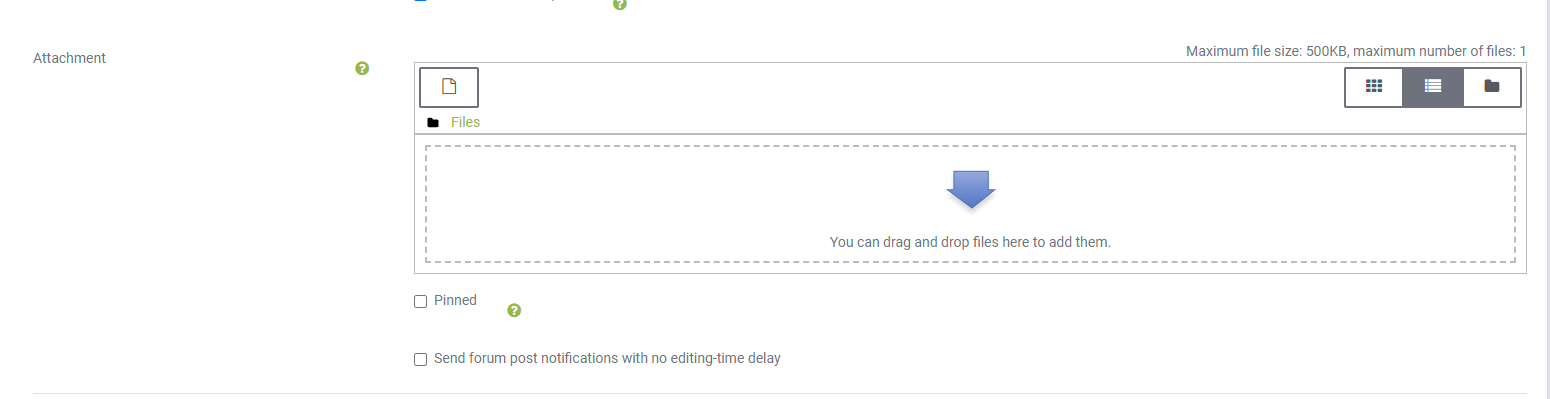
To share your work, click on the “Add a new discussion topic” button at the bottom of this post, then click on the “Advanced” button as shown in the picture below. [10 minutes]
Drag and drop your completed template inside the “Attachment” as shown in the picture below and click on “Post” after you have uploaded your completed template.
Make sure to reference others’ intellectual property when necessary. All references should follow 7th Edition APA formatting. For further instructions, see the resource on the Himmelfarb Health Sciences Library: APA citation resource (References are excluded from word counts).
To complete this activity, you will need to reply to at least one post made by your peers respectfully and professionally. Be sure that your post engages your peers' ideas by providing feedback on their comments, sharing ideas of other potential problems/solutions, or asking thought-provoking questions. If a peer comments on your posting, please reply. To post a reply, click “Reply” on a particular discussion list below, write your feedback and then click on “Post to forum.” [10 minutes]
-
Students mustMark as done
Slide Dick Presentation
-
Students mustView
-
Students mustMark as done
Quiz Unit
-
Quiz: Unit 3.24
To access the quiz, click on the name of the quiz provided above. On the following screen, click the "Preview quiz now" button to view the case studies and respond to the questions.
Not available unless: The activity Quiz: Unit 3.23 is complete and passed
-
Student Learning Outcomes:
- Describe the clinical manifestation of Subcutaneous Emphysema.
- Discuss the assessment and diagnostic findings of Subcutaneous Emphysema.
- Discuss the complications of Subcutaneous Emphysema.
- Describe the medical management of Subcutaneous Emphysema.
- Discuss the nursing management of Subcutaneous Emphysema.
-
Students mustMark as done
Required Learning Resources and Activities
-
-
Students mustView
Read the section subcutaneous emphysema. (2 minutes)
-
-
-
Students mustMark as done
Slide Dick Presentation
-
Students mustView
-
Students mustMark as done
Quiz Unit
-
Quiz: Unit 3.25
To access the quiz, click on the name of the quiz provided above. On the following screen, click the "Preview quiz now" button to view the case studies and respond to the questions.
Not available unless: The activity Quiz: Unit 3.24 is complete and passed
-
Student Learning Outcomes:
- Describe the clinical manifestation of COPD.
- Discuss the assessment and diagnostic findings of COPD.
- Discuss the complications of clients with COPD.
- Describe the medical management of clients COPD.
- Discuss the nursing management of clients with COPD.
-
Students mustMark as done
Required Learning Resources and Activities
-
Students mustView
Read the section symptoms. (2 minutes)
-
Students mustView
Read the COPD Diagnosis. (6 minutes)
-
Students mustView
Read the section: Can a COPD exacerbation cause other conditions to develop?. (1 minute)
-
Students mustView
Read the section treatment COPD. (12 minutes)
-
Students mustView
Read the section 3.2. Intervention Nursing based on big data. (9 minutes)
-
Students mustMark as done
Slide Dick Presentation
-
Students mustMark as done
Quiz Unit
-
Quiz: Unit 3.26
To access the quiz, click on the name of the quiz provided above. On the following screen, click the "Preview quiz now" button to view the case studies and respond to the questions.
Not available unless: The activity Quiz: Unit 3.25 is complete and passed
-
Student Learning Outcomes:
- Describe the clinical manifestation of bronchiectasis.
- Discuss the assessment and diagnostic findings of bronchiectasis.
- Discuss the complications of bronchiectasis.
- Describe the medical management of bronchiectasis.
- Discuss the nursing management of bronchiectasis.
-
Students mustMark as done
Required Learning Resources and Activities
-
-
-
-
-
-
-
-
-
-
-
-
Students mustMark as done
Additional Learning Resources
-
-
-
-
Students mustMark as done
Slide Dick Presentation
-
Students mustView
-
Students mustMark as done
Quiz Unit
-
Quiz: Unit 3.27
To access the quiz, click on the name of the quiz provided above. On the following screen, click the "Preview quiz now" button to view the case studies and respond to the questions.
Not available unless: The activity Quiz: Unit 3.26 is complete and passed
-
Student Learning Outcomes:
- Describe the clinical manifestation of Asthma.
- Discuss the assessment and diagnostic findings of Asthma.
- Discuss the complications of Asthma.
- Discuss the medical management of Asthma.
- Discuss the nursing management of Asthma.
-
Students mustMark as done
Required Learning Resources and Activities
-
-
-
-
-
-
-
-
Students mustView
Read the section complication. (1 minute)
-
-
-
Students mustView
Read the entire page - Read the section treatment and management. (4 minutes)
-
-
-
-
Students mustMark as done
Additional Learning Resources
-
-
Students mustView
To learn more about using a Flow Meter read the entire webpage.
-
Students mustMark as done
-
Students mustMark as done
Slide Dick Presentation
-
Students mustView
-
Students mustMark as done
Quiz Unit
-
Quiz: Unit 3.28
To access the quiz, click on the name of the quiz provided above. On the following screen, click the "Preview quiz now" button to view the case studies and respond to the questions.
Not available unless: The activity Quiz: Unit 3.27 is complete and passed
-
Student Learning Outcomes:
- Describe the clinical manifestation of Cystic Fibrosis.
- Discuss the assessment and diagnostic findings of Cystic Fibrosis.
- Discuss the complications of Cystic Fibrosis.
- Describe the medical management of Cystic Fibrosis.
- Discuss the nursing management of Cystic Fibrosis.
-
Students mustMark as done
Required Learning Resources and Activities
-
-
-
Students mustView
Read the section pathophysiology and presentation. (6 minutes)
-
-
-
-
-
-
-
-
-
-
-
Students mustMark as done
Slide Dick Presentation
-
Students mustView
-
Students mustMark as done
Quiz Unit
-
Quiz: Unit 3.29
To access the quiz, click on the name of the quiz provided above. On the following screen, click the "Preview quiz now" button to view the case studies and respond to the questions.
Not available unless: The activity Quiz: Unit 3.28 is complete and passed -
Unit 3 Exam (Part 3) Quiz
To access the quiz, click on the name of the quiz provided above. On the following screen, click the "Preview quiz now" button to view the case studies and respond to the questions.
Not available unless: The activity Quiz: Unit 3.29 is complete and passed
-
 Unit Objectives:
- Identify the basic structures and functions of the Cardiovascular System.
- Recognize major symptoms of cardiovascular dysfunction.
- Apply concepts from the client’s health history and physical assessment findings to evaluate abnormal assessment findings.
- Identify the diagnostic tests used to evaluate circulatory function and related nursing implications.
- Describe respiratory modalities used to address alterations in respiratory function and their required nursing management.
- Use the nursing process to provide nursing care to clients with alterations in cardiovascular function.
-
Student Learning Outcomes:
- Describe the anatomy of the heart.
- Discuss the physiology of the CV system.
- Discuss the age-related CV changes.
-
Students mustMark as done
Required Learning Resources and Activities
-
-
-
Students mustMark as done
Slide Dick Presentation
-
Students mustView
-
Students mustMark as done
Quiz Unit
-
Quiz: Unit 4.1.1
To access the quiz, click on the name of the quiz provided above. On the following screen, click the "Preview quiz now" button to view the case studies and respond to the questions.
Not available unless: The activity Unit 3 Exam (Part 3) is complete and passed
-
Student Learning Outcomes:
- Describe the assessment of chest pain.
- Explain the proper techniques to perform a comprehensive CV assessment.
- Discuss the common assessment findings associated with CV disorders.
-
Students mustMark as done
Required Learning Resources and Activities
-
Students mustView
Read the entire page. (30 minutes)
-
Students mustMark as done
Slide Dick Presentation
-
Students mustView
-
Students mustView
-
Students mustMark as done
Quiz Unit
-
Quiz: Unit 4.1.2
To access the quiz, click on the name of the quiz provided above. On the following screen, click the "Preview quiz now" button to view the case studies and respond to the questions.
Not available unless: The activity Quiz: Unit 4.1.1 is complete and passed -
Unit 4 Exam (Part 1) Quiz
To access the quiz, click on the name of the quiz provided above. On the following screen, click the "Preview quiz now" button to view the case studies and respond to the questions.
Not available unless: The activity Quiz: Unit 4.1.2 is complete and passed
-
Student Learning Outcomes:
- Discuss the common blood laboratory test performed in CV disorders.
- Discuss diagnostic procedures.
- Discuss indications.
- Discuss interprofessional interventions if applicable.
-
Students mustMark as done
Required Learning Resources and Activities
-
Students mustView
Read: Checking pulse, Blood pressure, Echocardiogram, electrocardiogram, stress tests, tilt tests, MRI, Cardiac CT, Thallium scan, coronary angiogram, Blood tests. (9 minutes)
-
Students mustView
Read Physical exams and blood tests, non-Invasive and invasive tests for heart disease. (8 minutes)
-
Students mustView
Read content under, “Characteristics of ECG monitoring devices,” “Use of ECG monitoring devices in Japan,” and “Conclusions.”
-
Students mustView
Read What should you know, what to expect, benefits and risks of fluoroscopy procedure. (4 minutes)
-
Students mustView
Read The entire article. (7 minutes)
-
Students mustView
Read What Should You Know, What to Expect (3 mins)
-
Students mustMark as done
Slide Dick Presentation
-
Students mustView
-
Students mustMark as done
Quiz Unit
-
Quiz: Unit 4.2.1
To access the quiz, click on the name of the quiz provided above. On the following screen, click the "Preview quiz now" button to view the case studies and respond to the questions.
Not available unless: The activity Unit 4 Exam (Part 1) is complete and passed
-
Student Learning Outcomes:
- Discuss the following procedures:
- Cardiac stress testing
- Radionuclide imaging
- Computed tomography (CT)
- Magnetic resonance angiography (MRA)
- Discuss indications for each procedure.
- Discuss nursing interventions related to each procedure, if applicable.
-
Students mustMark as done
Required Learning Resources and Activities
-
-
-
-
Students mustView
Read the entire page. (29 minutes)
-
-
-
-
Students mustMark as done
Slide Dick Presentation
-
Students mustMark as done
Quiz Unit
-
Quiz: Unit 4.2.2
To access the quiz, click on the name of the quiz provided above. On the following screen, click the "Preview quiz now" button to view the case studies and respond to the questions.
Not available unless: The activity Quiz: Unit 4.2.1 is complete and passed
-
Student Learning Outcomes:
- Discuss cardiac catheterization and electrophysiology testing.
- Discuss indications for cardiac catheterization and electrophysiology testing.
- Discuss nursing management of cardiac catheterization and electrophysiology testing.
-
Students mustMark as done
Required Learning Resources and Activities
-
Students mustViewRead: What is cardiac catheterization, who needs it, preparing for cardiac catheterization, during catheterization, recovering from cardiac catheterization. (13 minutes)
-
Students mustView
Read Enhancing Healthcare Outcomes. (1 minutes)
-
Students mustView
Read: Introduction, The procedure, After the procedure, Returning Home, When to call us. (6 minutes)
-
-
Students mustMark as done
Slide Dick Presentation
-
Students mustView
-
Students mustMark as done
Quiz Unit
-
Quiz: Unit 4.2.3
To access the quiz, click on the name of the quiz provided above. On the following screen, click the "Preview quiz now" button to view the case studies and respond to the questions.
Not available unless: The activity Quiz: Unit 4.2.2 is complete and passed
-
Student Learning Outcomes:
- Discuss central venous pressure monitoring.
- Discuss pulmonary artery pressure monitoring.
- Discuss Intra-arterial blood pressure monitoring.
-
Students mustMark as done
Required Learning Resources and Activities
-
-
-
-
-
Students mustMark as done
Slide Dick Presentation
-
Students mustView
-
Students mustMark as done
Quiz Unit
-
Quiz: Unit 4.2.4
To access the quiz, click on the name of the quiz provided above. On the following screen, click the "Preview quiz now" button to view the case studies and respond to the questions.
Not available unless: The activity Quiz: Unit 4.2.3 is complete and passed -
Unit 4 Exam (Part 2) Quiz
To access the quiz, click on the name of the quiz provided above. On the following screen, click the "Preview quiz now" button to view the case studies and respond to the questions.
Not available unless: The activity Quiz: Unit 4.2.4 is complete and passed
-
Student Learning Outcomes:
- Explain the steps to obtain an ECG.
- Explain the components of the ECG: waves, complexes, and intervals.
- Discuss how the pulse rate and the heart rhythm are determined using the ECG.
- Explain what is a normal sinus rhythm.
- Discuss the characteristics of a normal sinus rhythm.
-
Students mustMark as done
Required Learning Resources and Activities
-
-
Students mustView
Read EKG Interpretation, How to Read ECG. (13 minutes)
-
Students mustView
Read Basic EKG Interpretation; Heart Rate, rhythm, axis, Bundle branch block. (8 minutes)
-
Students mustMark as done
Slide Dick Presentation
-
Students mustMark as done
Quiz Unit
-
Quiz: Unit 4.3.1
To access the quiz, click on the name of the quiz provided above. On the following screen, click the "Preview quiz now" button to view the case studies and respond to the questions.
Not available unless: The activity Unit 4 Exam (Part 2) is complete and passed
-
Student Learning Outcomes:
- Describe the clinical manifestations of Sinus Node Dysrhythmias and Atrial Dysrhythmias.
- Discuss the assessment and diagnostic findings of Sinus Node Dysrhythmias and Atrial Dysrhythmias.
- Discuss the complications of Sinus Node Dysrhythmias and Atrial Dysrhythmias.
- Describe the medical management of Sinus Node Dysrhythmias and Atrial Dysrhythmias.
- Discuss the nursing management of Sinus Node Dysrhythmias and Atrial Dysrhythmias.
-
Students mustMark as done
Required Learning Resources and Activities
-
-
-
-
-
-
Students mustView
Read the entire page. (10 minutes)
-
Students mustMark as done
Slide Dick Presentation
-
Students mustView
-
Students mustMark as done
Quiz Unit
-
Quiz: Unit 4.3.2
To access the quiz, click on the name of the quiz provided above. On the following screen, click the "Preview quiz now" button to view the case studies and respond to the questions.
Not available unless: The activity Quiz: Unit 4.3.1 is complete and passed
-
Student Learning Outcomes:
- Describe the clinical manifestations of Junctional Dysrhythmias and Ventricular Dysrhythmias.
- Discuss the assessment and diagnostic findings of Junctional Dysrhythmias and Ventricular Dysrhythmias.
- Discuss the complications of Junctional Dysrhythmias and Ventricular Dysrhythmias.
- Describe the medical management of Junctional Dysrhythmias and Ventricular Dysrhythmias.
- Discuss the nursing management of Junctional Dysrhythmias and Ventricular Dysrhythmias.
-
Students mustMark as done
Required Learning Resources and Activities
-
-
-
-
Students mustView
Read the section ventricular Arrhythmias. ( 4 minutes)
-
-
-
Students mustMark as done
Slide Dick Presentation
-
Students mustView
-
Students mustMark as done
Quiz Unit
-
Quiz: Unit 4.3.3
To access the quiz, click on the name of the quiz provided above. On the following screen, click the "Preview quiz now" button to view the case studies and respond to the questions.
Not available unless: The activity Quiz: Unit 4.3.2 is complete and passed
-
Student Learning Outcomes:
- Discuss the various atrioventricular blocks and their etiology.
- Describe the symptoms of AV blocks.
- Describe the diagnostic tools used for AV blocks.
- Describe the treatment of AV blocks.
- Discuss the nursing management of clients with AV blocks.
-
Students mustMark as done
Required Learning Resources and Activities
-
Students mustView
Read Introduction, Etiology, Pathophysiology, History and Physical, Evaluation, Treatment/Management, Differential diagnosis, Prognosis, Complications, Deterrence and patient education, enhancing healthcare outcomes. (21 minutes)
-
Students mustView
Read Nursing Management, When to seek help, Outcome identification, coordination of care, Health teaching and health promotion. (3 minutes)
-
Students mustMark as done
Slide Dick Presentation
-
Students mustMark as done
Quiz Unit
-
Quiz: Unit 4.3.4
To access the quiz, click on the name of the quiz provided above. On the following screen, click the "Preview quiz now" button to view the case studies and respond to the questions.
Not available unless: The activity Quiz: Unit 4.3.3 is complete and passed
-
Student Learning Outcomes:
- Explain cardioversion and defibrillation.
- State the differences between cardioversion and defibrillation.
- Discuss the indications of cardioversion and defibrillation.
- Explain electrophysiologic studies and their indications.
- Discuss the nurse’s role in care of the client and management of the tests.
- Explain electrophysiologic studies and their indication.
- Discuss the nurse's role in care of the client and management of the tests.
-
Students mustMark as done
Required Learning Resources and Activities
-
-
-
-
Students mustMark as done
Additional Learning Resources
-
-
Students mustView
Listen to the video. (3 minutes)
-
-
Students mustMark as done
Slide Dick Presentation
-
Students mustView
-
Students mustMark as done
Quiz Unit
-
Quiz: Unit 4.3.5
To access the quiz, click on the name of the quiz provided above. On the following screen, click the "Preview quiz now" button to view the case studies and respond to the questions.
Not available unless: The activity Quiz: Unit 4.3.4 is complete and passed
-
Student Learning Outcomes:
- Discuss the functions of the pacemaker.
- Compare the different types of pacemakers, including indications, complications, and nursing interventions.
- Explain the purpose of the Implantable Cardioverter Defibrillator.
- Describe the nursing management of clients with an Implantable Cardioverter Defibrillator.
-
Students mustMark as done
Required Learning Resources and Activities
-
-
-
-
-
-
-
-
Students mustView
Read the sections indication of pacemakers and Types. (3 minutes)
-
Students mustView
Read the entire page. (6 minutes)
-
-
Students mustMark as done
Additional Learning Resources
-
-
Students mustMark as done
Slide Dick Presentation
-
Students mustView
-
Students mustMark as done
Quiz Unit
-
Quiz: Unit 4.3.6
To access the quiz, click on the name of the quiz provided above. On the following screen, click the "Preview quiz now" button to view the case studies and respond to the questions.
Not available unless: The activity Quiz: Unit 4.3.5 is complete and passed -
Unit 4 Exam (Part 3) Quiz
To access the quiz, click on the name of the quiz provided above. On the following screen, click the "Preview quiz now" button to view the case studies and respond to the questions.
Not available unless: The activity Quiz: Unit 4.3.6 is complete and passed
-
Student Learning Outcomes:
- Describe the clinical manifestations of Coronary Atherosclerosis (CA).
- Discuss the assessment and diagnostic findings of Coronary Atherosclerosis (CA).
- Discuss the complications of Coronary Atherosclerosis (CA).
- Describe the medical management of Coronary Atherosclerosis (CA).
- Discuss the nursing management of Coronary Atherosclerosis (CA).
-
Students mustMark as done
Required Learning Resources and Activities
-
Students mustView
Read Introduction, Symptoms, Diagnosis, Causes and Risk Factors, Treatment, Living with CAD. (27 minutes)
-
Students mustView
Read Introduction and Discussion. (10 minutes)
-
Students mustMark as done
Slide Dick Presentation
-
Students mustView
-
Students mustMark as done
Quiz Unit
-
Quiz: Unit 4.4.1
To access the quiz, click on the name of the quiz provided above. On the following screen, click the "Preview quiz now" button to view the case studies and respond to the questions.
Not available unless: The activity Unit 4 Exam (Part 3) is complete and passed
-
Student Learning Outcomes:
- Discuss the assessment and diagnostic findings of Angina Pectoris.
- Discuss the complications of Angina Pectoris.
- Describe the medical management of Angina Pectoris.
- Discuss the nursing management of Angina Pectoris.
-
Students mustMark as done
Required Learning Resources and Activities
-
-
-
-
-
-
-
-
-
-
-
Students mustMark as done
Slide Dick Presentation
-
Students mustView
-
Students mustMark as done
Quiz Unit
-
Quiz: Unit 4.4.2
To access the quiz, click on the name of the quiz provided above. On the following screen, click the "Preview quiz now" button to view the case studies and respond to the questions.
Not available unless: The activity Quiz: Unit 4.4.1 is complete and passed
-
Student Learning Outcomes:
- Describe the clinical manifestations of Acute Coronary Syndrome (ACS) and Myocardial Infarction (MI).
- Discuss the assessment and diagnostic findings of Acute Coronary Syndrome (ACS) and Myocardial Infarction (MI).
- Discuss the complications of Acute Coronary Syndrome (ACS) and Myocardial Infarction (MI).
- Describe the medical management of Acute Coronary Syndrome (ACS) and Myocardial Infarction (MI).
- Discuss the nursing management of Acute Coronary Syndrome (ACS) and Myocardial Infarction (MI).
-
Students mustMark as done
Required Learning Resources and Activities
-
Students mustView
Read Introduction, Etiology, Pathophysiology, History and Physical, Evaluation, Treatment and Management, Enhancing healthcare outcomes. (7 minutes)
-
Students mustView
Read Nursing Management. (2 minutes)
-
Students mustView
Read Introduction, Etiology, Pathophysiology, History and Physical, Complications, Evaluation, Treatment and Management, Enhancing healthcare outcomes. (20 minutes)
-
Students mustView
Read Nursing Management, when to seek help, outcome identification, monitoring, coordination of care, health teaching, health promotion, risk management, discharge planning. (5 minutes)
-
Students mustMark as done
Slide Dick Presentation
-
Students mustView
-
Students mustMark as done
Quiz Unit
-
Quiz: Unit 4.4.3
To access the quiz, click on the name of the quiz provided above. On the following screen, click the "Preview quiz now" button to view the case studies and respond to the questions.
Not available unless: The activity Quiz: Unit 4.4.2 is complete and passed
-
Student Learning Outcomes:
- Describe Percutaneous Transluminal Coronary Angioplasty (PTCA) and Coronary Artery Stent.
- Discuss the complications that might occur during PTCA and Coronary Artery Stent.
- Discuss the post-procedure care for clients undergoing PTCA and Coronary Artery Stent.
-
Students mustMark as done
Required Learning Resources and Activities
-
Students mustView
Read Introduction, Indication, Contraindications, Equipment, Personnel, Preparation, Technique, Complications, Clinical significance, Enhancing healthcare team outcomes. (12 minutes)
-
Students mustView
Read: Percutaneous Coronary Intervention (PCI) for CAD, Post-PCI Conundrums, and Greater Nursing Role and Nursing-Led Clinics (NLCs). (9 minutes)
-
Students mustView
Read: Introduction, Function, Issues of concerns, Clinical significance, Other issues, Enhancing health care team outcome, Nursing, Allied health and interprofessional team interventions. (16 minutes)
-
Students mustView
Read What to expect after getting a stent, Living with a Stent. (7 minutes)
-
Students mustMark as done
Slide Dick Presentation
-
Students mustMark as done
Quiz Unit
-
Quiz: Unit 4.4.4
To access the quiz, click on the name of the quiz provided above. On the following screen, click the "Preview quiz now" button to view the case studies and respond to the questions.
Not available unless: The activity Quiz: Unit 4.4.3 is complete and passed -
Unit 4 Exam (Part 4) Quiz
To access the quiz, click on the name of the quiz provided above. On the following screen, click the "Preview quiz now" button to view the case studies and respond to the questions.
Not available unless: The activity Quiz: Unit 4.4.4 is complete and passed
-
Student Learning Outcomes:
- Describe the clinical manifestations of Valvular Disorders.
- Discuss the assessment and diagnostic findings of Valvular Disorders.
- Discuss the complications of Valvular Disorders.
- Describe the medical management of Valvular Disorders.
- Discuss the nursing management of Valvular Disorders.
-
Students mustMark as done
Required Learning Resources and Activities
-
-
-
-
-
Students mustView
Read the section “How can untreated heart valve diseases affect your health?”. (3 minutes)
-
-
-
Students mustMark as done
Additional Learning Resources
-
-
Students mustMark as done
Slide Dick Presentation
-
Students mustMark as done
Quiz Unit
-
Quiz: Unit 4.5.1
To access the quiz, click on the name of the quiz provided above. On the following screen, click the "Preview quiz now" button to view the case studies and respond to the questions.
Not available unless: The activity Unit 4 Exam (Part 4) is complete and passed
-
Student Learning Outcomes:
- Define valvuloplasty.
- Describe the types of valvuloplasty: commissurotomy, annuloplasty, leaflet repair, and chordoplasty.
- Define valve replacement.
- Discuss the types of valve prostheses used for replacement.
- Discuss the nursing management of valvuloplasty and valve replacement.
-
Students mustMark as done
Required Learning Resources and Activities
-
Students mustView
Read the section treatment overview. (2 minutes)
-
-
-
Students mustView
Read the entire page. (41 minutes)
-
-
Students mustView
To learn more about Balloon Valvuloplasty, read the entire page. (10 minutes)
-
Students mustView
Read content under “Types of Replacement Valves,” and “Types of Valve Replacement Surgery.” (5 minutes)
-
Students mustMark as done
Slide Dick Presentation
-
Students mustView
-
Students mustMark as done
Quiz Unit
-
Quiz: Unit 4.5.2
To access the quiz, click on the name of the quiz provided above. On the following screen, click the "Preview quiz now" button to view the case studies and respond to the questions.
Not available unless: The activity Quiz: Unit 4.5.1 is complete and passed
-
Student Learning Outcomes:
- Describe the clinical manifestations of cardiomyopathy.
- Discuss the assessment and diagnostic findings of cardiomyopathy.
- Discuss the complications of cardiomyopathy.
- Describe the medical management of cardiomyopathy.
- Discuss the nursing management of cardiomyopathy.
-
Students mustMark as done
Required Learning Resources and Activities
-
-
-
-
Students mustView
Read What kind of health problems can Cardiomyopathy Cause? (2 minutes)
-
-
-
-
Students mustMark as done
Slide Dick Presentation
-
Students mustView
-
Students mustMark as done
Quiz Unit
-
Quiz: Unit 4.5.3
To access the quiz, click on the name of the quiz provided above. On the following screen, click the "Preview quiz now" button to view the case studies and respond to the questions.
Not available unless: The activity Quiz: Unit 4.5.2 is complete and passed
-
Student Learning Outcomes:
- Describe the clinical manifestations of rheumatic heart disease and infective endocarditis.
- Discuss the assessment and diagnostic findings of rheumatic heart disease and infective endocarditis.
- Discuss the complications of rheumatic heart disease and infective endocarditis.
- Describe the medical management of rheumatic heart disease and infective endocarditis.
- Discuss the nursing management of rheumatic heart disease and infective endocarditis.
-
Students mustMark as done
Required Learning Resources and Activities
-
Students mustView
Read Introduction, Etiology, Pathophysiology, History and Physical, Evaluation. (8 minutes)
-
-
-
Students mustView
Read Deterrence and Patient education, Enhancing Healthcare Team Outcome. (2 minutes)
-
-
-
-
-
Students mustView
Read Deterrence and Patient Education and Enhancing healthcare outcome. (2 minutes)
-
Students mustViewReceive a grade
-
Students mustMark as done
Slide Dick Presentation
-
Students mustView
-
Students mustMark as done
Quiz Unit
-
Quiz: Unit 4.5.4
To access the quiz, click on the name of the quiz provided above. On the following screen, click the "Preview quiz now" button to view the case studies and respond to the questions.
Not available unless: The activity Quiz: Unit 4.5.3 is complete and passed
-
Student Learning Outcomes:
- Describe the clinical manifestations of myocarditis and pericarditis.
- Discuss the assessment and diagnostic findings of myocarditis and pericarditis.
- Discuss the complications of myocarditis and pericarditis.
- Describe the medical management of myocarditis and pericarditis.
- Discuss the nursing management of myocarditis and pericarditis.
-
Students mustMark as done
Required Learning Resources and Activities
-
Students mustView
Read Causes, COVID-1, Symptoms, Diagnosis, Treatment, Acute myocarditis, Complications, Children, Endocarditis and pericarditis, Prevention. (19 minutes)
-
-
Students mustView
Read: Introduction, Etiology, Pathophysiology, History and Physical, Evaluation, Treatment and Management, Enhancing healthcare team outcomes. (28 minutes)
-
-
-
Students mustMark as done
Slide Dick Presentation
-
Students mustView
-
Students mustMark as done
Quiz Unit
-
Quiz: Unit 4.5.5
To access the quiz, click on the name of the quiz provided above. On the following screen, click the "Preview quiz now" button to view the case studies and respond to the questions.
Not available unless: The activity Quiz: Unit 4.5.4 is complete and passed -
Unit 4 Exam (Part 5) Quiz
To access the quiz, click on the name of the quiz provided above. On the following screen, click the "Preview quiz now" button to view the case studies and respond to the questions.
Not available unless: The activity Quiz: Unit 4.5.5 is complete and passed
-
Student Learning Outcomes:
- Describe the clinical manifestations of Heart Failure (HF) - Chronic Heart Failure (CHF).
- Discuss the assessment and diagnostic findings of Heart Failure (HF) - Chronic Heart Failure (CHF).
- Discuss the complications of Heart Failure (HF) - Chronic Heart Failure (CHF).
- Describe the medical management of Heart Failure (HF) - Chronic Heart Failure (CHF).
- Discuss the nursing management of Heart Failure (HF) - Chronic Heart Failure (CHF).
-
Students mustMark as done
Required Learning Resources and Activities
-
-
-
-
-
-
Students mustView
Read Nursing management, Monitoring, coordination of care, Health teaching and promotion, and Discharge planning. (3 minutes)
-
Students mustMark as done
Slide Dick Presentation
-
Students mustView
-
Students mustView
-
Students mustMark as done
Quiz Unit
-
Quiz: Unit 4.6.1
To access the quiz, click on the name of the quiz provided above. On the following screen, click the "Preview quiz now" button to view the case studies and respond to the questions.
Not available unless: The activity Unit 4 Exam (Part 5) is complete and passed
-
Student Learning Outcomes:
- Describe the clinical manifestations of pulmonary edema.
- Discuss the assessment and diagnostic findings of pulmonary edema.
- Discuss the complications of pulmonary edema.
- Describe the medical management of pulmonary edema.
- Discuss the nursing management of pulmonary edema.
-
Students mustMark as done
Required Learning Resources and Activities
-
Students mustView
Read Etiology, Pathophysiology, History and Physical, Evaluation, Treatment and Management, Complication, Patient Education, Enhancing Healthcare outcomes. (14 minutes)
-
Students mustView
Read History and Physical examination, Evaluation, Deterrence and patient education, Enhancing healthcare outcomes. (15 minutes)
-
Students mustMark as done
Slide Dick Presentation
-
Students mustView
-
Students mustMark as done
Quiz Unit
-
Quiz: Unit 4.6.2
To access the quiz, click on the name of the quiz provided above. On the following screen, click the "Preview quiz now" button to view the case studies and respond to the questions.
Not available unless: The activity Quiz: Unit 4.6.1 is complete and passed
-
Student Learning Outcomes:
- Describe the clinical manifestations of cardiogenic shock, thromboembolism, pericardial effusion, and cardiac tamponade.
- Discuss the assessment and diagnostic findings of cardiogenic shock, thromboembolism, pericardial effusion, and cardiac tamponade.
- Discuss the complications of cardiogenic shock, thromboembolism, pericardial effusion, and cardiac tamponade.
- Describe the medical management of cardiogenic shock, thromboembolism, pericardial effusion, and cardiac tamponade.
- Discuss the nursing management of cardiogenic shock, thromboembolism, pericardial effusion, and cardiac tamponade.
-
Students mustMark as done
Required Learning Resources and Activities
-
Students mustView
Read the entire page, then click on the topics on the menu on the left side of the page and read each section, “Symptoms,” “Diagnosis,” “Causes and Risk Factors,” “Treatment,” “Recovery.” (28 minutes)
-
-
Students mustView
Read the entire page, then click on the menu on the side and read the content under each of the following headings, “Types,” “Symptoms,” “Diagnosis,” “Causes and Risk Factors,” “Treatment.”
-
Students mustView
Read the content under “Nursing Interventions”. (1 minute)
-
-
Students mustView
Read from “Introduction” to “Risk Management”. (10 minutes)
-
Students mustMark as done
Slide Dick Presentation
-
Students mustMark as done
Quiz Unit
-
Quiz: Unit 4.6.3
To access the quiz, click on the name of the quiz provided above. On the following screen, click the "Preview quiz now" button to view the case studies and respond to the questions.
Not available unless: The activity Quiz: Unit 4.6.2 is complete and passed
-
Student Learning Outcomes:
- Describe the clinical manifestations of cardiac arrest.
- Discuss the assessment and diagnostic findings of cardiac arrest.
- Discuss the complications of cardiac arrest.
- Describe the medical management of cardiac arrest.
- Discuss the nursing management of cardiac arrest.
-
Students mustMark as done
Required Learning Resources and Activities
-
-
-
-
-
-
Students mustView
Read sections under Epidemiology to Consultations. (10 minutes)
-
-
-
Students mustMark as done
Slide Dick Presentation
-
Students mustView
-
Students mustMark as done
Quiz Unit
-
Quiz: Unit 4.6.4
To access the quiz, click on the name of the quiz provided above. On the following screen, click the "Preview quiz now" button to view the case studies and respond to the questions.
Not available unless: The activity Quiz: Unit 4.6.3 is complete and passed -
Unit 4 Exam (Part 6) Quiz
To access the quiz, click on the name of the quiz provided above. On the following screen, click the "Preview quiz now" button to view the case studies and respond to the questions.
Not available unless: The activity Quiz: Unit 4.6.4 is complete and passed
-
Student Learning Outcomes:
- Describe the anatomy and physiology of the vascular system.
- Discuss the pathophysiology of the vascular system.
- Discuss gerontological considerations.
- Describe the assessment of the vascular system.
-
Students mustMark as done
Required Learning Resources and Activities
-
-
Students mustView
Read all pages of the assessment of the peripheral system. (31 minutes)
-
-
Students mustMark as done
Slide Dick Presentation
-
Students mustMark as done
Quiz Unit
-
Quiz: Unit 4.7.1
To access the quiz, click on the name of the quiz provided above. On the following screen, click the "Preview quiz now" button to view the case studies and respond to the questions.
Not available unless: The activity Unit 4 Exam (Part 6) is complete and passed
-
Student Learning Outcomes:
- Discuss Doppler Ultrasound Flow Studies and the nursing management.
- Discuss Exercise Testing, Duplex Ultrasonography, and Computer Tomography Scanning (CT), and the nursing management.
- Discuss Angiography and Magnetic Resonance Angiography (MRA) and the nursing management.
- Discuss Contrast Phlebography (Venography) and Lymphoscintigraphy and the nursing management.
-
Students mustMark as done
Required Learning Resources and Activities
-
-
-
Students mustView
Read content under “Purpose of Cardiopulmonary Exercise Testing (CPET)” and “How CPET Works”. (3minutes)
-
-
-
-
Students mustMark as done
Additional Learning Resources
-
-
-
-
-
-
-
Students mustMark as done
Slide Dick Presentation
-
Students mustView
-
Students mustMark as done
Quiz Unit
-
Quiz: Unit 4.7.2
To access the quiz, click on the name of the quiz provided above. On the following screen, click the "Preview quiz now" button to view the case studies and respond to the questions.
Not available unless: The activity Quiz: Unit 4.7.1 is complete and passed
-
Student Learning Outcomes:
- Describe the clinical manifestations of arteriosclerosis and atherosclerosis.
- Discuss the assessment and diagnostic findings of arteriosclerosis and atherosclerosis.
- Discuss the complications of arteriosclerosis and atherosclerosis.
- Describe the medical management of arteriosclerosis and atherosclerosis.
- Discuss the nursing management of arteriosclerosis and atherosclerosis.
-
Students mustMark as done
Required Learning Resources and Activities
-
Students mustView
Read symptoms, cause, Risk factors, Treatment, When to get help, Diagnosis, Outlook, Summary. (8 minutes)
-
Students mustView
Read atherosclerosis, Arteriosclerosis. (8 minutes)
-
Students mustView
Read Health Risk of Atherosclerosis, Reduce the risk of atherosclerosis, Treatment. (4 minutes)
-
-
Students mustMark as done
Slide Dick Presentation
-
Students mustView
-
Students mustMark as done
Quiz Unit
-
Quiz: Unit 4.7.3
To access the quiz, click on the name of the quiz provided above. On the following screen, click the "Preview quiz now" button to view the case studies and respond to the questions.
Not available unless: The activity Quiz: Unit 4.7.2 is complete and passed
-
Student Learning Outcomes:
- Describe the clinical manifestations of Peripheral Arterial Occlusive Disease & Upper Arterial Occlusive Disease.
- Discuss the assessment and diagnostic findings of Peripheral Arterial Occlusive Disease & Upper Arterial Occlusive Disease.
- Discuss the complications of Peripheral Arterial Occlusive Disease & Upper Arterial Occlusive Disease.
- Describe the medical management of Peripheral Arterial Occlusive Disease & Upper Arterial Occlusive Disease.
- Discuss the nursing management of Peripheral Arterial Occlusive Disease & Upper Arterial Occlusive Disease.
-
Students mustMark as done
Required Learning Resources and Activities
-
Students mustView
Read Introduction, Etiology, Pathophysiology, History and Physical, Evaluation, Treatment/Management, Prognosis, Complications, Deterrence and Patient education, Enhancing healthcare team outcomes. (19 minutes)
-
Students mustView
Read Preoperative care and Post-operative care. (8 minutes)
-
-
Students mustView
Read Deterrence and Patient Education and Enhancing Healthcare Team Outcomes. (7 minutes)
-
Students mustMark as done
Slide Dick Presentation
-
Students mustMark as done
Quiz Unit
-
Quiz: Unit 4.7.4
To access the quiz, click on the name of the quiz provided above. On the following screen, click the "Preview quiz now" button to view the case studies and respond to the questions.
Not available unless: The activity Quiz: Unit 4.7.3 is complete and passed
-
Student Learning Outcomes:
- Describe the clinical manifestations of Aortoiliac Disease, Dissecting Aorta, and Raynaud Phenomenon.
- Discuss the assessment and diagnostic findings of Aortoiliac Disease, Dissecting Aorta, and Raynaud Phenomenon.
- Discuss the complications of Aortoiliac Disease, Dissecting Aorta, and Raynaud Phenomenon.
- Describe the medical management of Aortoiliac Disease, Dissecting Aorta, and Raynaud Phenomenon.
- Discuss the nursing management of Aortoiliac Disease, Dissecting Aorta, and Raynaud Phenomenon.
-
Students mustMark as done
Required Learning Resources and Activities
-
-
-
-
-
Students mustView
Read the content under “Aortic Dissection” until “Treating Complications”. (10 minutes)
-
-
Students mustView
Read the entire page. (7 minutes)
-
-
-
Students mustView
Read the sections Nursing management. (5 minutes)
-
Students mustMark as done
Slide Dick Presentation
-
Students mustView
-
Students mustMark as done
Quiz Unit
-
Quiz: Unit 4.7.5
To access the quiz, click on the name of the quiz provided above. On the following screen, click the "Preview quiz now" button to view the case studies and respond to the questions.
Not available unless: The activity Quiz: Unit 4.7.4 is complete and passed
-
Student Learning Outcomes:
- Describe the clinical manifestations of aneurysms.
- Discuss the assessment and diagnostic findings of aneurysms.
- Discuss the complications of aneurysms.
- Describe the medical management of aneurysms.
- Discuss the nursing management of aneurysms.
-
Students mustMark as done
Required Learning Resources and Activities
-
-
-
-
-
-
-
-
-
-
Students mustMark as done
Additional Learning Resources
-
-
-
Students mustViewReceive a grade
-
Students mustMark as done
Slide Dick Presentation
-
Students mustView
-
Students mustMark as done
Quiz Unit
-
Quiz: Unit 4.7.6
To access the quiz, click on the name of the quiz provided above. On the following screen, click the "Preview quiz now" button to view the case studies and respond to the questions.
Not available unless: The activity Quiz: Unit 4.7.5 is complete and passed
-
Student Learning Outcomes:
- Describe the clinical manifestations of Arterial Embolism and Arterial Thrombosis.
- Discuss the assessment and diagnostic findings of arterial embolism and arterial thrombosis.
- Discuss the complications of arterial embolism and arterial thrombosis.
- Describe the medical management of arterial embolism and arterial thrombosis.
- Discuss the nursing management of arterial embolism and arterial thrombosis.
-
Students mustMark as done
Required Learning Resources and Activities
-
-
-
Students mustView
Read the sections introduction, pathophysiology and organ specific symptoms. (18 minutes)
-
-
Students mustView
Read the sections Long-term management of arterial embolism. (7 minutes)
-
Students mustMark as done
Additional Learning Resources
-
Students mustView
Read the entire article. (35 minutes)
-
-
-
-
Students mustMark as done
Slide Dick Presentation
-
Students mustView
-
Students mustMark as done
Quiz Unit
-
Quiz: Unit 4.7.7
To access the quiz, click on the name of the quiz provided above. On the following screen, click the "Preview quiz now" button to view the case studies and respond to the questions.
Not available unless: The activity Quiz: Unit 4.7.6 is complete and passed
-
Student Learning Outcomes:
- Describe the clinical manifestations of deep vein thromboembolism.
- Discuss the assessment and diagnostic findings of deep vein thromboembolism.
- Discuss the complications of deep vein thromboembolism.
- Describe the medical management of deep vein thromboembolism.
- Discuss the nursing management of deep vein thromboembolism.
-
Students mustMark as done
Required Learning Resources and Activities
-
-
Students mustView
Read Diagnosis and Treatment of Thromboembolism. (4 minutes)
-
-
-
Students mustView
Read Page 7 Table 3. (2 minutes)
-
Students mustMark as done
-
Students mustMark as done
Slide Dick Presentation
-
Students mustView
-
Students mustMark as done
Quiz Unit
-
Quiz: Unit 4.7.8
To access the quiz, click on the name of the quiz provided above. On the following screen, click the "Preview quiz now" button to view the case studies and respond to the questions.
Not available unless: The activity Quiz: Unit 4.7.7 is complete and passed
-
Student Learning Outcomes:
- Describe the clinical manifestations of chronic venous insufficiency and post-thrombotic syndrome.
- Discuss the assessment and diagnostic findings of chronic venous insufficiency and post-thrombotic syndrome.
- Discuss the complications of chronic venous insufficiency and post-thrombotic syndrome.
- Describe the medical management of chronic venous insufficiency and post-thrombotic syndrome.
- Discuss the nursing management of chronic venous insufficiency and post-thrombotic syndrome.
-
Students mustMark as done
Required Learning Resources and Activities
-
Students mustView
Read Introduction, Etiology, Pathophysiology, History and Physical, Evaluation, Treatment/Management, Staging, Prognosis, Complications, Postoperative and Rehabilitation, Enhancing healthcare team outcome. (15 minutes)
-
-
-
Students mustMark as done
Additional Learning Resources
-
-
Students mustMark as done
Slide Dick Presentation
-
Students mustView
-
Students mustMark as done
Quiz Unit
-
Quiz: Unit 4.7.9
To access the quiz, click on the name of the quiz provided above. On the following screen, click the "Preview quiz now" button to view the case studies and respond to the questions.
Not available unless: The activity Quiz: Unit 4.7.8 is complete and passed
-
Student Learning Outcomes:
- Describe the clinical manifestations of leg ulcers.
- Discuss the assessment and diagnostic findings of leg ulcers.
- Discuss the complications of leg ulcers.
- Describe the medical management of leg ulcers.
- Discuss the nursing management of leg ulcers.
-
Students mustMark as done
Required Learning Resources and Activities
-
-
-
-
-
-
Students mustView
Read: Conclusions and implications for the practice of nursing. (1 minute)
-
-
Students mustMark as done
Slide Dick Presentation
-
Students mustView
-
Students mustMark as done
Quiz Unit
-
Quiz: Unit 4.7.10
To access the quiz, click on the name of the quiz provided above. On the following screen, click the "Preview quiz now" button to view the case studies and respond to the questions.
Not available unless: The activity Quiz: Unit 4.7.9 is complete and passed
-
Student Learning Outcomes:
- Describe the clinical manifestations of varicose veins.
- Discuss the assessment and diagnostic findings of varicose veins.
- Discuss the complications of varicose veins.
- Describe the medical management of varicose veins.
- Discuss the nursing management of varicose veins.
-
Students mustMark as done
Required Learning Resources and Activities
-
-
-
-
-
Students mustView
Read the nursing interventions. (2 minutes)
-
Students mustMark as done
Slide Dick Presentation
-
Students mustView
-
Students mustMark as done
Quiz Unit
-
Quiz: Unit 4.7.11
To access the quiz, click on the name of the quiz provided above. On the following screen, click the "Preview quiz now" button to view the case studies and respond to the questions.
Not available unless: The activity Quiz: Unit 4.7.10 is complete and passed
-
Student Learning Outcomes:
- Describe the clinical manifestations of Lymphangitis, Lymphadenitis, Lymphedema, Lymphatic Filariasis (Elephantiasis), and Cellulitis.
- Discuss the assessment and diagnostic findings of Lymphangitis, Lymphadenitis, Lymphedema, Lymphatic Filariasis (Elephantiasis), and Cellulitis.
- Discuss the complications of Lymphangitis, Lymphadenitis, Lymphedema, Lymphatic Filariasis (Elephantiasis), and Cellulitis.
- Describe the medical management of Lymphangitis, Lymphadenitis, Lymphedema, Lymphatic Filariasis (Elephantiasis), and Cellulitis.
- Discuss the nursing management of Lymphangitis, Lymphadenitis, Lymphedema, Lymphatic Filariasis (Elephantiasis), and Cellulitis.
-
Students mustMark as done
Required Learning Resources and Activities
-
-
-
-
-
-
Students mustView
Read the content under “Overview,” “Cause and Transmission,” “Symptoms,” and “Treatment.” (7 minutes)
-
-
-
-
-
Students mustMark as done
Slide Dick Presentation
-
Students mustMark as done
Quiz Unit
-
Quiz: Unit 4.7.12
To access the quiz, click on the name of the quiz provided above. On the following screen, click the "Preview quiz now" button to view the case studies and respond to the questions.
Not available unless: The activity Quiz: Unit 4.7.11 is complete and passed
-
Student Learning Outcomes:
- Describe the clinical manifestations of hypertension (HTN).
- Discuss the assessment and diagnostic findings of hypertension (HTN).
- Discuss the complications of hypertension (HTN).
- Describe the medical management of hypertension (HTN).
- Discuss the nursing management of hypertension (HTN).
-
Students mustMark as done
Required Learning Resources and Activities
-
-
Students mustView
Read What is hypertension, how to understand blood pressure reading, Diagnosing hypertension. (5 minutes)
-
-
Students mustView
Read What problem does hypertension cause. (1 minute)
-
Students mustView
Read Treatment options for high blood pressure: Medications, Home remedies for high blood pressure, lifestyle tip to lower the risk of hypertension. (7 minutes)
-
Students mustView
Read Nursing Management, coordination of care, health teaching and promotion and discharge planning. (5 minutes)
-
Students mustMark as done
Slide Dick Presentation
-
Students mustView
-
Students mustMark as done
Quiz Unit
-
Quiz: Unit 4.7.13
To access the quiz, click on the name of the quiz provided above. On the following screen, click the "Preview quiz now" button to view the case studies and respond to the questions.
Not available unless: The activity Quiz: Unit 4.7.12 is complete and passed -
Unit 4 Exam (Part 7) Quiz
To access the quiz, click on the name of the quiz provided above. On the following screen, click the "Preview quiz now" button to view the case studies and respond to the questions.
Not available unless: The activity Quiz: Unit 4.7.13 is complete and passed
-
-
Final Exam 1 Quiz
To take the final exam, you must complete all quizzes and complete all the required activities. The final exam consists of 100 questions, and you will have 150 minutes to complete it. When the time is over you will not be able to answer additional questions.
To access the exam, click on the name of the exam provided above. On the following screen, click the attempt quiz button to respond to the questions.
Not available unless: The activity Course Registration is marked complete ...Not available unless:- The activity Course Registration is marked complete
- The activity Unit 4 Exam (Part 7) is complete and passed
-
Final Exam 2 Quiz
To take the final exam, you must complete all quizzes and complete all the required activities. The final exam consists of 100 questions, and you will have 150 minutes to complete it. When the time is over you will not be able to answer additional questions.
To access the exam, click on the name of the exam provided above. On the following screen, click the attempt quiz button to respond to the questions.
Not available unless: The activity Course Registration is marked complete ...Not available unless:- The activity Course Registration is marked complete
- The activity Unit 4 Exam (Part 7) is complete and passed
-
-
 In this section, you can provide feedback about this course to help us make NextGenU.org better. Once evaluations are completed, you will be able to download your certificate of completion.
-
Self Evaluation QuestionnairePlease take the time to reflect on how you would evaluate yourself as a learner.Not available unless: The activity Final Exam 1 is complete and passed ...Not available unless:
- The activity Final Exam 1 is complete and passed
- The activity Final Exam 2 is complete and passed
-
Course Evaluation QuestionnaireNot available unless any of: The activity Final Exam 1 is complete and passed ...Not available unless any of:
- The activity Final Exam 1 is complete and passed
- The activity Final Exam 2 is complete and passed
-
-
-
Students mustMark as done
-
Students mustMark as done
-
-