Nutrition in Nursing
-
NursingNutrition in NursingResume0% complete0% complete
-
Students mustStudent must submit this questionnaire to complete it
-
Students mustView
Show More-

DISCLAIMER: This content is designed to enhance the study of nursing. This content is generic and is not designed to take into account the specific objectives, needs, and/or circumstances of any particular region or country. To become a nurse, learners must successfully complete a program of study approved by the government or state-regulatory agency in their place of residence. We cannot guarantee that the successful completion of these materials will enable you to practice in your place of residence. Make sure that you are in compliance with the scope of practice of your regulatory body before attempting to put into use or practice any of the knowledge gained.
Course Overview
Welcome to the Nutrition in Nursing course. This course is designed to equip nursing students with essential knowledge of nutrition science and its application in healthcare. The course explores the fundamental principles of nutrition, its role in health promotion and disease prevention, and the nurse's role in nutritional care across various healthcare settings and patient/client populations. The Nutrition in Nursing course is an integral component of the BSN Curriculum. It provides students with the knowledge necessary to deliver comprehensive, client-centered nutritional care in diverse healthcare settings.
Course Development
The Nutrition Course for Nurses is a competency-based course developed in partnership with Nurses International (N.I.) and NextGenU.org (NGU). Competencies were developed in collaboration with subject matter experts in nutrition and nursing education and practice. The Essentials: Core Competencies for Professional Nursing Education direct the course objectives. The course uses learning resources from accredited world-class organizations such as the World Health Organization (WHO), the U.S. National Institutes of Mental Health (NIMH), universities, international guidelines, OpenStax.org, and peer-reviewed journals. The Moodle Learning Management System (LMS) facilitates distance learning.
The course was written by the Nurses International faculty and designed in conjunction with the NextGenU.org design team.
The Nurses International core faculty writers: Kathleen Capone MS, RN, CNE, EdD; Debra Heinrich RN, EdD; Beth Hutchason RN, MN; Emily Parker RN, MSN, FNP-BC; and Cathrine Fultz RN, BSN, MSN.
Course Structure
There are ten units to complete, which include:
- Introduction to Nutrition and Health
- The Digestive Process
- Macro and Micronutrients
- Nutritional Requirements Across the Lifespan
- Nutritional Assessment, Screening, and Interventions
- Nutrition and Chronic Disease Management
- Nutrition and Cancer
- Nutritional and Eating Disorders
- Global Health Nutrition
- Cultural Competency and Nutrition
Each unit includes:
- Individual lessons with accompanying reading materials
- PowerPoint presentations
- Learner self-assessment quizzes
- Flashcard learning material
- Case study activities
- Unit exams
Assessment
A grade of 80% is required on quizzes and unit exams. Submission of required activities for all case studies and reflection exercises is necessary to progress to the next lesson or section.
The estimated completion time is 54 hours.
A comprehensive final exam consisting of 50 multiple-choice questions is administered at the end of the course.
A grade of 80% is required to pass the exam. If not achieved, learners may self-remediate and attempt a second exam of comparable content.
A certificate of completion is available for download upon successful course completion.
To PASS and Obtain a Certificate
- All reading requirements
- All quizzes and unit exams with a passing grade of 80%
- All activities and case studies
- The final exam with a minimum of 80% (maximum 2 attempts)
- Self and course evaluation forms
Prerequisites
No prerequisites are required.
Information for Institutions
NextGenU.org is happy to provide your institution with:
- A link to and a description of the course training
- Your grade on the final exam
- Your work products (e.g., case study activities) and any other shared materials you authorize
- Your evaluations—course and self-assessments
- A copy of your certificate of completion
Obtaining a Degree
NextGenU.org co-sponsors degree programs with institutional partners. To obtain a full degree co-sponsored with NextGenU.org, registrants must be enrolled in a degree program as a student of a NextGenU.org institutional partner. If you think your institution might be interested in offering a degree with NextGenU.org, please feel free to contact us.
We hope that you will find this a rewarding learning experience, and we count on your assessment and feedback to help us improve this course for future students.
For Nurse Educators
This course's teacher resources include a study guide. Nurse educators may contact info@nursesinternational.org with queries/permission to access faculty files for this course.
Technical Support
If you experience any difficulties with the technical aspects of the course or access to any course activities, please contact support@nextgenu.org for assistance.
Disclaimer
This content is designed to enhance your study; we cannot guarantee that the successful completion of these materials will enable you to work in your place of residence, as regulations vary by location. If you plan to practice using your new knowledge to ensure safety and compliance with your local laws, you must complete a program of study approved by the government and relevant local regulatory agencies in your place of practice.
NextGenU.org does not directly confer academic degrees or guarantee that learning institutions will accept NextGenU.org coursework for credit.
-
Unit Overview:
 This unit provides a foundational understanding of nutrition and its role in healthcare. It covers the definition of nutrition, the basic principles of nutrition science, and the relationship between nutrition and overall health. The unit also explores nursing interventions to promote health and the nurse's role as part of an interdisciplinary team in nutrition care.
Unit Learning Outcomes:
- Define nutrition
- Explain nursing interventions to promote health
- Explore the role of the nurse as part of an interdisciplinary team in nutrition care
-
Student Learning Outcomes:
- Define nutrition and its importance in healthcare
- Explain the basic principles of nutrition science
- Discuss the relationship between nutrition and overall health
-
Students mustMark as done
Required Learning Resources and Activities
-
Students mustView
-
Students mustMark as done
Slide Deck Presentation
-
Students mustView
-
Students mustView
-
Students mustMark as done
-
Students mustViewReceive a gradeReceive a passing grade
To access the quiz, click on the name of the quiz provided above. On the following screen, click the "Preview quiz now" button to respond to the questions.
-
Student Learning Outcomes:
- Identify key nursing interventions that promote nutritional health
- Explain the nurse's role in client education regarding nutrition
- Demonstrate ability to develop a basic nutritional care plan
-
Students mustMark as done
Required Learning Resources and Activities
-
Students mustView
-
Students mustMark as done
Slide Deck Presentation
-
Students mustView
-
Students mustView
-
Students mustViewReceive a gradeReceive a passing grade
To access the quiz, click on the name of the quiz provided above. On the following screen, click the "Preview quiz now" button to respond to the questions.
-
Student Learning Outcomes:
- Describe the roles of various healthcare professionals in nutrition care
- Explain the importance of interdisciplinary collaboration in nutrition management
- Identify effective communication strategies within interdisciplinary teams
- Describe the roles of various healthcare professionals in nutrition care
- Explain the importance of interdisciplinary collaboration in nutrition management
- Identify effective communication strategies within interdisciplinary teams
-
Students mustMark as done
Required Learning Resources and Activities
-
Students mustView
-
Students mustMark as done
Slide Deck Presentation
-
Students mustView
-
Students mustViewReceive a gradeReceive a passing grade
To access the quiz, click on the name of the quiz provided above. On the following screen, click the "Preview quiz now" button to respond to the questions.
-
Students mustViewReceive a gradeReceive a passing grade
To access the exam, click on the name of the exam provided above. On the following screen, click the "Preview quiz now" button to respond to the questions.
-
Unit Overview:
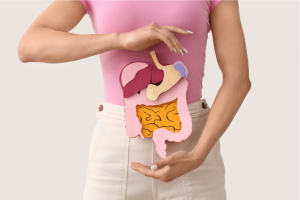 This unit focuses on the physiology of digestion and absorption. It identifies
the major organs involved in the digestive process, explains the process of digestion and absorption of nutrients, and discusses common digestive disorders and their link to nutrition. The unit also covers the role of enzymes and hormones in digestion.
This unit focuses on the physiology of digestion and absorption. It identifies
the major organs involved in the digestive process, explains the process of digestion and absorption of nutrients, and discusses common digestive disorders and their link to nutrition. The unit also covers the role of enzymes and hormones in digestion.Unit Learning Outcomes:
- Identify the major organs involved in the digestive process
- Explain the process of digestion and absorption of nutrients
- Identify common digestive disorders and their link to nutrition
-
Student Learning Outcomes:
- Identify and describe the major organs involved in the digestive process
- Explain the physiological processes of digestion and absorption of nutrients
- Discuss the role of enzymes and hormones in digestion
-
Students mustMark as done
Required Learning Resources and Activities
-
Students mustView
-
Students mustMark as done
Slide Deck Presentation
-
Students mustView
-
Students mustView
-
Students mustMark as done
-
Students mustViewReceive a gradeReceive a passing grade
To access the quiz, click on the name of the quiz provided above. On the following screen, click the "Preview quiz now" button to respond to the questions.
-
Student Learning Outcomes:
- Identify common digestive disorders linked to nutrition
- Discuss specific nutritional factors related to disease states
-
Students mustMark as done
Required Learning Resources and Activities
-
Students mustView
-
Students mustMark as done
Slide Deck Presentation
-
Students mustView
-
Students mustView
-
Students mustViewReceive a gradeReceive a passing grade
To access the quiz, click on the name of the quiz provided above. On the following screen, click the "Preview quiz now" button to respond to the questions.
-
Students mustViewReceive a gradeReceive a passing grade
To access the exam, click on the name of the exam provided above. On the following screen, click the "Preview quiz now" button to respond to the questions.
-
Unit Overview:
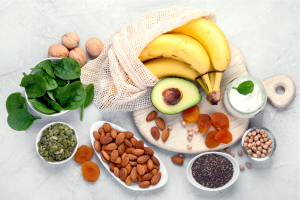
This unit explores the function of major macronutrients (carbohydrates, proteins, fats) and micronutrients (vitamins, minerals) in the body. It covers the factors that affect nutrient absorption and the significance of "My Plate" in nutritional education for clients and populations.
Unit Learning Outcome:
- Explain the function of the major macronutrients (carbohydrates, proteins, fats) and micronutrients (vitamins, minerals) in the body
-
Student Learning Outcomes:
- Identify the macronutrients and explain their function
- Identify the micronutrients and explain their function
- Describe the factors that affect the absorption of nutrients
- Describe the significance of "My Plate" as it relates to nutritional education for clients and populations
-
Students mustMark as done
Required Learning Resources and Activities
-
Students mustView
-
Students mustMark as done
Slide Deck Presentation
-
Students mustView
-
Students mustView
-
Students mustMark as done
-
Students mustViewReceive a gradeReceive a passing grade
To access the quiz, click on the name of the quiz provided above. On the following screen, click the "Preview quiz now" button to respond to the questions.
-
Students mustViewReceive a gradeReceive a passing grade
To access the exam, click on the name of the exam provided above. On the following screen, click the "Preview quiz now" button to respond to the questions.
-
Unit Overview:
 This unit examines the nutritional requirements for
different stages of life, including pregnancy and lactation, newborns and infants, childhood and adolescence, adults, and older adults. It discusses the causes and effects of nutritional deficiencies at each life stage and the nurse's role in promoting
health and preventing disease through nutrition.
This unit examines the nutritional requirements for
different stages of life, including pregnancy and lactation, newborns and infants, childhood and adolescence, adults, and older adults. It discusses the causes and effects of nutritional deficiencies at each life stage and the nurse's role in promoting
health and preventing disease through nutrition.Unit Learning Outcome:
- Identify the nutritional requirements for the different stages of life:
b. Newborns and infants
c. Childhood and Adolescents
d. Adults
e. Older adults -
Student Learning Outcomes:
- Identify the nutritional requirements in pregnancy and lactation
- Identify the causes and effects of nutritional deficiencies during pregnancy and lactation
- Discuss the nurse's role in pregnancy and lactation related to health promotion, disease prevention, and alterations in health
-
Students mustMark as done
Required Learning Resources and Activities
-
Students mustView
-
Students mustMark as done
Slide Deck Presentation
-
Students mustView
-
Students mustMark as done
-
Students mustViewReceive a gradeReceive a passing grade
To access the quiz, click on the name of the quiz provided above. On the following screen, click the "Preview quiz now" button to respond to the questions.
-
Student Learning Outcomes:
- Identify the nutritional requirements for newborns and infants
- Identify the causes and effects of nutritional deficiencies in newborns and infants
- Discuss the nurse's role in the nutrition of newborns and infants related to health promotion, disease prevention, and alterations in health
-
Students mustMark as done
Required Learning Resources and Activities
-
Students mustView
-
Students mustMark as done
Slide Deck Presentation
-
Students mustView
-
Students mustView
-
Students mustViewReceive a gradeReceive a passing grade
To access the quiz, click on the name of the quiz provided above. On the following screen, click the "Preview quiz now" button to respond to the questions.
-
Student Learning Outcomes:
- Identify the nutritional requirements during childhood and adolescence related to growth and development stages
- Identify the causes and effects of nutritional deficiencies during childhood and adolescence
- Discuss the nurse's role in the nutrition of children and adolescents related to health promotion, disease prevention, and alterations in health during childhood and adolescence
-
Students mustMark as done
Required Learning Resources and Activities
-
Students mustView
-
Students mustMark as done
Slide Deck Presentation
-
Students mustView
-
Students mustView
-
Students mustViewReceive a gradeReceive a passing grade
To access the quiz, click on the name of the quiz provided above. On the following screen, click the "Preview quiz now" button to respond to the questions.
-
Student Learning Outcomes:
- Identify the nutritional requirements during adulthood related to age, gender and activity level
- Identify the causes and effects of nutritional deficiencies during adulthood
- Discuss the nurse’s role in the nutrition of adults related to health promotion, disease prevention, and alterations in health during adulthood
-
Students mustMark as done
Required Learning Resources and Activities
-
Students mustView
-
Students mustMark as done
Slide Deck Presentation
-
Students mustView
-
Students mustView
-
Students mustViewReceive a gradeReceive a passing grade
To access the quiz, click on the name of the quiz provided above. On the following screen, click the "Preview quiz now" button to respond to the questions.
-
Student Learning Outcomes:
- Identify the nutritional requirements of the older adult related to age and physiologic changes
- Identify the causes and effects of nutritional deficiencies in the older adult
- Discuss the nurse's role in the nutrition of older adults related to health promotion, disease prevention, and alterations in health during older adulthood
-
Students mustMark as done
Required Learning Resources and Activities
-
Students mustView
-
Students mustMark as done
Slide Deck Presentation
-
Students mustView
-
Students mustView
-
Students mustViewReceive a gradeReceive a passing grade
To access the quiz, click on the name of the quiz provided above. On the following screen, click the "Preview quiz now" button to respond to the questions.
-
Students mustViewReceive a gradeReceive a passing grade
To access the exam, click on the name of the exam provided above. On the following screen, click the "Preview quiz now" button to respond to the questions.
-
Unit Overview:
 This unit analyzes methods and tools used by nurses for comprehensive
nutritional assessment and screening of clients. It evaluates the importance of these processes in identifying clients at risk of malnutrition and informing care plans. The unit also covers common diet modifications related to various disease states
and evidence-based nursing interventions to address nutritional needs.
This unit analyzes methods and tools used by nurses for comprehensive
nutritional assessment and screening of clients. It evaluates the importance of these processes in identifying clients at risk of malnutrition and informing care plans. The unit also covers common diet modifications related to various disease states
and evidence-based nursing interventions to address nutritional needs.Unit Learning Outcomes:
- Analyze the methods and tools used by nurses for comprehensive nutritional assessment and screening of clients
- Evaluate the importance of nutritional assessment and screening in identifying clients at risk of malnutrition and informing care plans
- Identify common diet modifications related to various disease states and their impact on client care
- Discuss evidence-based nursing interventions to address nutritional needs and support optimal client outcomes
-
Student Learning Outcomes:
- Describe the methods used by nurses for nutritional assessment
- Describe the tools used by nurses for nutritional assessment
-
Students mustMark as done
-
Students mustMark as done
Slide Deck Presentation
-
Students mustView
-
Students mustViewReceive a gradeReceive a passing grade
To access the quiz, click on the name of the quiz provided above. On the following screen, click the "Preview quiz now" button to respond to the questions.
-
Student Learning Outcomes:
- Describe the methods used by nurses for nutritional screening
- Describe the tools used by nurses for nutritional screening
Approximate time required for the readings for this lesson (at 144 words/minute): 1 hour.
-
Students mustMark as done
-
Students mustMark as done
Slide Deck Presentation
-
Students mustView
-
Students mustViewReceive a gradeReceive a passing grade
To access the quiz, click on the name of the quiz provided above. On the following screen, click the "Preview quiz now" button to respond to the questions.
-
Student Learning Outcomes:
- Identify common diet modifications related to disease states
- Describe common nursing interventions related to nutrition
-
Students mustMark as done
Required Learning Resources and Activities
-
Students mustView
-
Students mustMark as done
Slide Deck Presentation
-
Students mustView
-
Students mustView
-
Students mustMark as done
-
Students mustViewReceive a gradeReceive a passing grade
To access the quiz, click on the name of the quiz provided above. On the following screen, click the "Preview quiz now" button to respond to the questions.
-
Students mustViewReceive a gradeReceive a passing grade
To access the exam, click on the name of the exam provided above. On the following screen, click the "Preview quiz now" button to respond to the questions.
-
Unit Overview:
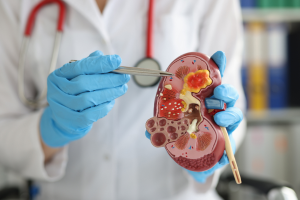 This unit explains the role of nutrition in the prevention and management
of chronic diseases affecting various body systems, including cardiovascular, neurologic, endocrine, hematological, pulmonary, gastrointestinal, renal, musculoskeletal, and integumentary systems. It discusses evidence-based nutritional interventions
and the nurse's role in promoting health and preventing disease through nutrition.
This unit explains the role of nutrition in the prevention and management
of chronic diseases affecting various body systems, including cardiovascular, neurologic, endocrine, hematological, pulmonary, gastrointestinal, renal, musculoskeletal, and integumentary systems. It discusses evidence-based nutritional interventions
and the nurse's role in promoting health and preventing disease through nutrition.Unit Learning Outcomes:
- Explain the role of nutrition in the prevention and management of the following chronic diseases:
b. Neurologic
c. Endocrine
d. Hematological
e. Pulmonary
f. Gastrointestinal
g. Renal
h. Musculoskeletal and Integumentary -
Student Learning Outcomes:
- Explain the relationship between nutrition and cardiovascular health
- Identify key dietary factors that influence cardiovascular disease risk
- Discuss evidence-based nutritional interventions for cardiovascular disease prevention and management
- Discuss the nurse's role in nutrition for the promotion of health, prevention of disease and education related to cardiovascular diseases
Approximate time required for the readings for this lesson (at 144 words/minute): 2 hours and 16 minutes.
-
Students mustMark as done
Required Learning Resources and Activities
-
Students mustMark as done
Slide Deck Presentation
-
Students mustMark as done
-
Students mustViewReceive a gradeReceive a passing grade
To access the quiz, click on the name of the quiz provided above. On the following screen, click the "Preview quiz now" button to respond to the questions.
-
Student Learning Outcomes:
- Describe the impact of nutrition on neurological health
- Identify nutritional factors that influence the development and progression of common neurological disorders
- Discuss dietary strategies to support brain health and manage neurological conditions
- Discuss the nurse's role in nutrition for the promotion of health, prevention of disease and education related to neurologic diseases
-
Students mustMark as done
Required Learning Resources and Activities
-
Students mustMark as done
Slide Deck Presentation
-
Students mustMark as done
-
Students mustViewReceive a gradeReceive a passing grade
To access the quiz, click on the name of the quiz provided above. On the following screen, click the "Preview quiz now" button to respond to the questions.
-
Student Learning Outcomes:
- Explain the relationship between nutrition and endocrine function
- Identify dietary factors that influence common endocrine disorders
- Discuss evidence-based nutritional interventions for managing endocrine disorders
- Discuss the nurse's role in nutrition for the promotion of health, prevention of disease and education related to endocrine disorders
Approximate time required for the readings for this lesson (at 144 words/minute): 1 hour and 36 minutes.
-
Students mustMark as done
Required Learning Resources and Activities
-
Students mustMark as done
Slide Deck Presentation
-
Students mustMark as done
-
Students mustViewReceive a gradeReceive a passing grade
To access the quiz, click on the name of the quiz provided above. On the following screen, click the "Preview quiz now" button to respond to the questions.
-
Student Learning Outcomes:
- Describe the impact of nutrition on blood health
- Identify key nutrients essential for hematopoiesis and blood function
- Discuss dietary strategies for managing common hematological disorders
- Discuss the nurse's role in nutrition for the promotion of health, prevention of disease and education related to hematological disorders
Approximate time required for the readings for this lesson (at 144 words/minute): 1 hour and 54 minutes.
-
Students mustMark as done
Required Learning Resources and Activities
-
Students mustMark as done
Slide Deck Presentation
-
Students mustMark as done
-
Students mustViewReceive a gradeReceive a passing grade
To access the quiz, click on the name of the quiz provided above. On the following screen, click the "Preview quiz now" button to respond to the questions.
-
Student Learning Outcomes:
- Explain the relationship between nutrition and respiratory health
- Identify nutritional factors that influence common pulmonary disorders
- Discuss dietary strategies to support lung function and manage respiratory conditions
- Discuss the nurse's role in nutrition for the promotion of health, prevention of disease and education related to pulmonary disorders
Approximate time required for the readings for this lesson (at 144 words/minute): 2 hours and 20 minutes.
-
Students mustMark as done
Required Learning Resources and Activities
-
Students mustMark as done
Slide Deck Presentation
-
Students mustMark as done
-
Students mustViewReceive a gradeReceive a passing grade
To access the quiz, click on the name of the quiz provided above. On the following screen, click the "Preview quiz now" button to respond to the questions.
-
Student Learning Outcomes:
- Describe the impact of nutrition on gastrointestinal health
- Identify dietary factors that influence common gastrointestinal disorders
- Discuss evidence-based nutritional interventions for managing gastrointestinal conditions
- Discuss the nurse's role in nutrition for the promotion of health, prevention of disease and education related to gastrointestinal disorders
Approximate time required for the readings for this lesson (at 144 words/minute): 1 hour and 46 minutes.
-
Students mustMark as done
Required Learning Resources and Activities
-
Students mustMark as done
Slide Deck Presentation
-
Students mustMark as done
-
Students mustViewReceive a gradeReceive a passing grade
To access the quiz, click on the name of the quiz provided above. On the following screen, click the "Preview quiz now" button to respond to the questions.
-
Student Learning Outcomes:
- Explain the relationship between nutrition and kidney function
- Identify key dietary factors that influence renal health and disease progression
- Discuss evidence-based nutritional interventions for managing chronic kidney disease
- Discuss the nurse's role in nutrition for the promotion of health, prevention of disease and education related to renal disorders
Approximate time required for the readings for this lesson (at 144 words/minute): 2 hours and 11 minutes.
-
Students mustMark as done
Required Learning Resources and Activities
-
Students mustView
-
Students mustMark as done
Slide Deck Presentation
-
Students mustMark as done
-
Students mustViewReceive a gradeReceive a passing grade
To access the quiz, click on the name of the quiz provided above. On the following screen, click the "Preview quiz now" button to respond to the questions.
-
Student Learning Outcomes:
- Describe the impact of nutrition on bone, muscle, and skin health
- Identify key nutrients essential for maintaining musculoskeletal and integumentary health
- Discuss dietary strategies for managing common musculoskeletal and skin disorders
- Discuss the nurse's role in nutrition for the promotion of health, prevention of disease and education related to musculoskeletal and integumentary disorders
Approximate time required for the readings for this lesson (at 144 words/minute): 2 hours and 8 minutes.
-
Students mustMark as done
Required Learning Resources and Activities
-
Students mustMark as done
Slide Deck Presentation
-
Students mustMark as done
-
Students mustViewReceive a gradeReceive a passing grade
To access the quiz, click on the name of the quiz provided above. On the following screen, click the "Preview quiz now" button to respond to the questions.
-
Students mustViewReceive a gradeReceive a passing grade
To access the exam, click on the name of the exam provided above. On the following screen, click the "Preview quiz now" button to respond to the questions.
-
Unit Overview:
 This unit analyzes the significance of nutrition in cancer prevention
and its impact on clients diagnosed with cancer. It identifies common nutritional challenges faced by cancer clients during treatment, describes the process of nutritional assessment for cancer clients, and evaluates evidence-based nursing interventions
to support adequate nutrition throughout the care journey.
This unit analyzes the significance of nutrition in cancer prevention
and its impact on clients diagnosed with cancer. It identifies common nutritional challenges faced by cancer clients during treatment, describes the process of nutritional assessment for cancer clients, and evaluates evidence-based nursing interventions
to support adequate nutrition throughout the care journey.Unit Learning Outcomes:
- Analyze the significance of nutrition in cancer prevention and its impact on clients diagnosed with cancer
- Identify and evaluate common nutritional challenges faced by cancer clients during treatment
- Describe the process of nutritional assessment for cancer clients and its importance in care planning
- Evaluate evidence-based nursing interventions to support adequate nutrition for cancer clients throughout their care journey
-
Student Learning Outcomes:
- Discuss the role of nutrition and cancer prevention
- Identify evidence based resources related to nutrition and cancer prevention
- Discuss the role of various foods in the control of free radicals
- Explore the role of various foods in prevention of various cancers
- Discuss the role of the nurse related to nutrition and cancer prevention
-
Students mustMark as done
Required Learning Resources and Activities
-
Students mustView
-
Students mustMark as done
Slide Deck Presentation
-
Students mustView
-
Students mustMark as done
-
Students mustViewReceive a gradeReceive a passing grade
To access the quiz, click on the name of the quiz provided above. On the following screen, click the "Preview quiz now" button to respond to the questions.
-
Student Learning Outcomes:
- Identify the common nutritional challenges related to clients with cancer
-
Students mustMark as done
Required Learning Resources and Activities
-
Students mustView
-
Students mustMark as done
Slide Deck Presentation
-
Students mustView
-
Students mustViewReceive a gradeReceive a passing grade
To access the quiz, click on the name of the quiz provided above. On the following screen, click the "Preview quiz now" button to respond to the questions.
-
Student Learning Outcomes:
- Identify the process for the nutritional assessment of clients with cancer
- Discuss evidence-based nursing interventions to support adequate nutrition for clients with cancer
-
Students mustMark as done
Required Learning Resources and Activities
-
Students mustView
-
Students mustMark as done
Slide Deck Presentation
-
Students mustView
-
Students mustViewReceive a gradeReceive a passing grade
To access the quiz, click on the name of the quiz provided above. On the following screen, click the "Preview quiz now" button to respond to the questions.
-
Students mustViewReceive a gradeReceive a passing grade
To access the exam, click on the name of the exam provided above. On the following screen, click the "Preview quiz now" button to respond to the questions.
-
Unit Overview:
 This unit defines eating disorders and analyzes the connection between
food, emotions, and various types of eating disorders. It evaluates the physical and nutritional impacts of eating disorders on overall health, analyzes risk factors, diagnostic processes, and medical treatments for different eating disorders, and
discusses evidence-based nursing interventions and care plans for management.
This unit defines eating disorders and analyzes the connection between
food, emotions, and various types of eating disorders. It evaluates the physical and nutritional impacts of eating disorders on overall health, analyzes risk factors, diagnostic processes, and medical treatments for different eating disorders, and
discusses evidence-based nursing interventions and care plans for management.Unit Learning Outcomes:
- Define eating disorders and analyze the connection between food, emotions, and various types of eating disorders
- Evaluate the physical and nutritional impacts of eating disorders on overall health, including associated deficiencies and malnutrition
- Analyze the risk factors, diagnostic processes, and medical treatments for different eating disorders
- Discuss evidence-based nursing interventions and care plans for the management of clients with nutritional and eating disorders
-
Student Learning Outcomes:
- Define eating disorder
- Discuss the connection between food and emotions related to eating disorders
- Describe the types of eating disorders
-
Students mustMark as done
Required Learning Resources and Activities
-
Students mustView
-
Students mustMark as done
Slide Deck Presentation
-
Students mustView
-
Students mustViewReceive a gradeReceive a passing grade
To access the exam, click on the name of the exam provided above. On the following screen, click the "Preview quiz now" button to respond to the questions.
-
Student Learning Outcomes:
- Discuss the deficiencies related to eating disorders
- Describe the physical effect of eating disorders
Approximate time required for the readings for this lesson (at 144 words/minute): 1 hour and 7 minutes.
-
Students mustMark as done
Required Learning Resources and Activities
-
Students mustView
-
Students mustMark as done
Slide Deck Presentation
-
Students mustView
-
Students mustViewReceive a gradeReceive a passing grade
To access the exam, click on the name of the exam provided above. On the following screen, click the "Preview quiz now" button to respond to the questions.
-
Student Learning Outcomes:
- Describe the risk factors for eating disorders
- Detail the diagnosis and treatment of eating disorders
-
Students mustMark as done
Required Learning Resources and Activities
-
Students mustView
-
Students mustMark as done
Slide Deck Presentation
-
Students mustView
-
Students mustViewReceive a gradeReceive a passing grade
To access the exam, click on the name of the exam provided above. On the following screen, click the "Preview quiz now" button to respond to the questions.
-
Student Learning Outcomes:
- Discuss evidence-based nursing interventions for managing nutritional and eating disorders
- Identify the elements of a care plan for clients with eating disorders
-
Students mustMark as done
Required Learning Resources and Activities
-
Students mustView
-
Students mustMark as done
Slide Deck Presentation
-
Students mustView
-
Students mustView
-
Students mustMark as done
-
Students mustViewReceive a gradeReceive a passing grade
To access the exam, click on the name of the exam provided above. On the following screen, click the "Preview quiz now" button to respond to the questions.
-
Students mustViewReceive a gradeReceive a passing grade
To access the exam, click on the name of the exam provided above. On the following screen, click the "Preview quiz now" button to respond to the questions.
-
Unit Overview:
 This unit analyzes the global burden of malnutrition and food safety
issues, including their impacts on public health and contributing factors. It evaluates the roles of international organizations and regulatory bodies in addressing global nutrition challenges and ensuring food safety standards. The unit also describes
evidence-based strategies for promoting proper nutrition and food safety practices in diverse global settings.
This unit analyzes the global burden of malnutrition and food safety
issues, including their impacts on public health and contributing factors. It evaluates the roles of international organizations and regulatory bodies in addressing global nutrition challenges and ensuring food safety standards. The unit also describes
evidence-based strategies for promoting proper nutrition and food safety practices in diverse global settings.Unit Learning Outcomes:
- Analyze the global burden of malnutrition and food safety issues, including their impacts on public health and contributing factors
- Evaluate the roles of international organizations and regulatory bodies in addressing global nutrition challenges and ensuring food safety standards
- Describe evidence-based strategies for promoting proper nutrition and food safety practices in diverse global settings
- Assess the nurse's role in addressing global nutrition issues, promoting health equity, and preventing foodborne illnesses in various healthcare and community contexts
-
Student Learning Outcomes:
- Discuss the global burden of malnutrition and its impact on public health
- Identify the global disparities in nutrition and their contributing factors
- Explain the role of international organizations in addressing global nutrition challenges
- Examine the nurse's role in addressing global nutrition issues and promoting health equity in diverse populations
Approximate time required for the readings for this lesson (at 144 words/minute): 1 hour and 7 minutes.
-
Students mustMark as done
Required Learning Resources and Activities
-
Students mustView
-
Students mustMark as done
Slide Deck Presentation
-
Students mustView
-
Students mustViewReceive a gradeReceive a passing grade
To access the exam, click on the name of the exam provided above. On the following screen, click the "Preview quiz now" button to respond to the questions.
-
Student Learning Outcomes:
- Explain the global importance of food safety and its impact on public health
- Identify common foodborne illnesses and their contributing factors across different regions.
- Discuss the role of international organizations and regulatory bodies in ensuring global food safety standards
- Analyze the challenges in maintaining food safety in diverse socioeconomic and cultural contexts
- Describe evidence-based strategies for promoting food safety practices in various settings
- Examine the nurse's role in promoting food safety and preventing foodborne illnesses in healthcare and community settings
Approximate time required for the readings for this lesson (at 144 words/minute): 1 hour and 24 minutes.
-
Students mustMark as done
Required Learning Resources and Activities
-
Students mustView
-
Students mustMark as done
Slide Deck Presentation
-
Students mustView
-
Students mustMark as done
-
Students mustViewReceive a gradeReceive a passing grade
To access the exam, click on the name of the exam provided above. On the following screen, click the "Preview quiz now" button to respond to the questions.
-
Students mustViewReceive a gradeReceive a passing grade
To access the exam, click on the name of the exam provided above. On the following screen, click the "Preview quiz now" button to respond to the questions.
-
Unit Overview:
 This unit defines cultural competency in the context of nutrition and
healthcare and explains the importance of cultural considerations in nutritional counseling. It introduces the use of the Purnell Model to assess cultural factors affecting dietary habits and discusses the process of developing and implementing culturally
sensitive nutritional care plans.
This unit defines cultural competency in the context of nutrition and
healthcare and explains the importance of cultural considerations in nutritional counseling. It introduces the use of the Purnell Model to assess cultural factors affecting dietary habits and discusses the process of developing and implementing culturally
sensitive nutritional care plans.Unit Learning Outcomes:
- Define cultural competency in the context of nutrition and healthcare
- Explain the importance of cultural considerations in nutritional counseling
- Use of the Purnell Model to assess cultural factors affecting dietary habits
-
Student Learning Outcomes:
- Define cultural competency in the context of nutrition and healthcare
- Explain the importance of cultural considerations in nutritional counseling
-
Students mustMark as done
Required Learning Resources and Activities
-
Students mustView
-
Students mustMark as done
Slide Deck Presentation
-
Students mustView
-
Students mustViewReceive a gradeReceive a passing grade
To access the exam, click on the name of the exam provided above. On the following screen, click the "Preview quiz now" button to respond to the questions.
-
Student Learning Outcomes:
- Explain the nutritional domain of the Purnell model
- Discuss how the Purnell model can be used to address global nutritional needs
-
Students mustMark as done
Required Learning Resources and Activities
-
Students mustView
-
Students mustMark as done
Slide Deck Presentation
-
Students mustView
-
Students mustMark as done
-
Students mustViewReceive a gradeReceive a passing grade
To access the exam, click on the name of the exam provided above. On the following screen, click the "Preview quiz now" button to respond to the questions.
-
Student Learning Outcomes:
- Explain the process of developing culturally sensitive nutritional care plans
- Analyze the key components of culturally competent nutritional assessments
- Discuss strategies for implementing culturally appropriate dietary interventions for diverse client populations
- Evaluate the effectiveness of culturally sensitive nutritional care plans in improving client outcomes
-
Students mustMark as done
Required Learning Resources and Activities
-
Students mustView
-
Students mustMark as done
Slide Deck Presentation
-
Students mustView
-
Students mustViewReceive a gradeReceive a passing grade
To access the exam, click on the name of the exam provided above. On the following screen, click the "Preview quiz now" button to respond to the questions.
-
Students mustViewReceive a gradeReceive a passing grade
To access the exam, click on the name of the exam provided above. On the following screen, click the "Preview quiz now" button to respond to the questions.
-
-
Final Exam Quiz
To take the final exam, you must complete all quizzes and complete all the required activities. The final exam consists of 50 questions, and you will have 125 minutes to answer and submit them. In case you fail the exam in the first attempt, you can retake the final exam again after 1 week.
To access the exam, click on the name of the exam provided above. On the following screen, click the attempt quiz button to respond to the questions.
Not available unless any of: All of: ...Not available unless any of:-
All of:
- The activity Quiz: Unit 1: Lesson 1 is complete and passed
- The activity Quiz: Unit 1: Lesson 2 is complete and passed
- The activity Quiz: Unit 1: Lesson 3 is complete and passed
- The activity Unit 1 Exam is complete and passed
- The activity Quiz: Unit 2: Lesson 1 is complete and passed
- The activity Quiz: Unit 2: Lesson 2 is complete and passed
- The activity Unit 2 Exam is complete and passed
- The activity Quiz: Unit 3: Lesson 1 is complete and passed
- The activity Unit 3 Exam is complete and passed
- The activity Quiz: Unit 4: Lesson 1 is complete and passed
- The activity Quiz: Unit 4: Lesson 2 is complete and passed
- The activity Quiz: Unit 4: Lesson 3 is complete and passed
- The activity Quiz: Unit 4: Lesson 4 is complete and passed
- The activity Quiz: Unit 4: Lesson 5 is complete and passed
- The activity Unit 4 Exam is complete and passed
- The activity Quiz: Unit 5: Lesson 1 is complete and passed
- The activity Quiz: Unit 5: Lesson 2 is complete and passed
- The activity Quiz: Unit 5: Lesson 3 is complete and passed
- The activity Unit 5 Exam is complete and passed
- The activity Quiz: Unit 6: Lesson 1 is complete and passed
- The activity Quiz: Unit 6: Lesson 2 is complete and passed
- The activity Quiz: Unit 6: Lesson 3 is complete and passed
- The activity Quiz: Unit 6: Lesson 4 is complete and passed
- The activity Quiz: Unit 6: Lesson 5 is complete and passed
- The activity Quiz: Unit 6: Lesson 6 is complete and passed
- The activity Quiz: Unit 6: Lesson 7 is complete and passed
- The activity Quiz: Unit 6: Lesson 8 is complete and passed
- The activity Unit 6 Exam is complete and passed
- The activity Quiz: Unit 7: Lesson 1 is complete and passed
- The activity Quiz: Unit 7: Lesson 2 is complete and passed
- The activity Quiz: Unit 7: Lesson 3 is complete and passed
- The activity Unit 7 Exam is complete and passed
- The activity Quiz: Unit 8: Lesson 1 is complete and passed
- The activity Quiz: Unit 8: Lesson 2 is complete and passed
- The activity Quiz: Unit 8: Lesson 3 is complete and passed
- The activity Quiz: Unit 8: Lesson 4 is complete and passed
- The activity Unit 8 Exam is complete and passed
- The activity Quiz: Unit 9: Lesson 1 is complete and passed
- The activity Quiz: Unit 9: Lesson 2 is complete and passed
- The activity Unit 9 Exam is complete and passed
- The activity Quiz: Unit 10: Lesson 1 is complete and passed
- The activity Quiz: Unit 10: Lesson 2 is complete and passed
- The activity Quiz: Unit 10: Lesson 3 is complete and passed
- The activity Unit 10 Exam is complete and passed
- You belong to All Quizzes Completed
-
All of:
-
Final Exam 2 QuizNot available unless: The activity Final Exam is complete and failed
-
-
 In this section, please provide feedback to help NextGenU.org improve its course offering. Once evaluations are completed, you will be able to download your certificate of completion.Not available unless: The activity Nutrition Course Registration Form is marked complete
-
Course Evaluation QuestionnairePlease help us make NextGenU.org courses even better by submitting this evaluation. Your evaluation is confidential and used only for improving our trainings.Not available unless: The activity Final Exam is complete and passed
-
Self Evaluation QuestionnairePlease take the time to reflect on how you would evaluate yourself as a learner.Not available unless: The activity Final Exam is complete and passed
-