Pediatric Oncology
-
NursingPediatric OncologyResume0% complete0% complete
-
Students mustStudent must submit this questionnaire to complete it
-
Students mustViewReceive a grade
Show More-

DISCLAIMER: This content is designed to enhance the study of nursing. This content is generic and is not designed to take into account the specific objectives, needs, and/or circumstances of any particular region or country. To become a nurse, learners must successfully complete a program of study approved by the government or state-regulatory agency in their place of residence. We cannot guarantee that the successful completion of these materials will enable you to practice in your place of residence. Make sure that you are in compliance with the scope of practice of your regulatory body before attempting to put into use or practice any of the knowledge gained.
Course Overview
Welcome to the Pediatric Oncology course. This module provides a comprehensive overview of the specialized care required for pediatric patients with cancer and hematologic disorders. This course equips nurses with the knowledge and skills to provide compassionate, evidence-based care to pediatric oncology patients, ensuring their physical, emotional, and developmental needs are met.
The course explores fundamental concepts of pediatric oncology, focusing on how child growth and development influence patient care. It covers:
- Interpreting lab values and their implications for a child's health
- Implementing effective nursing management strategies
- Understanding the significance of neutropenic and fever management interventions
- Assessing children's physical and emotional states
- Understanding the impact of diseases on growth and development
- Applying nursing principles to plan appropriate care
- Treatment modalities
- Pediatric oncologic emergencies
- Nuances of holistic care, including pain management, ethical considerations, and survivorship
The Pediatric Oncology component is offered as a module within the Oncology Nursing Course and also as a separate certificate course for those who would like to focus on the pediatric aspect of Oncology nursing, or for those who have already completed the Oncology Course and would like to take the Pediatric component.
Course Development
The development of the Oncology Nursing course is sponsored by the Innovative Cancer Care Foundation (ICCF) and was developed in partnership with Nurses International (NI) and NextGenU.org (NGU). The Pediatric Oncology course competencies were developed in collaboration with subject matter experts in Oncology and Pediatric Oncology nursing education and practice. The Essentials: Core Competencies for Professional Nursing Education direct the course objectives.
The course uses learning resources from accredited world-class organizations such as the World Health Organization (WHO), the U.S. National Institutes of Health (NIH), universities, international guidelines, and peer-reviewed journals. The Moodle Learning Management System (LMS) facilitates distance learning specifically for the independent online learner.
The course was designed by NextGenU's Instructional Design team and Nurses International's team members: Kathleen Capone MS, RN CNE, Ed.D; Stacen Keating PhD, RN; Beth Hutchason MN, RN, AOCNP; Jennifer Thietz MSN, BSN, RN and Danielle Loumagne BMTCN, BSN, RN.


Course Structure
There are 6 units/modules to complete:
Unit 1: Overview
Unit 2: Treatment Modalities
Unit 3: Cancers in Childhood
Unit 4: Pediatric Emergencies
Unit 5: Hematologic Disorders
Unit 6: Holistic CareInstructions
The course consists of six (6) learning units. Each unit includes:
- Individual lessons with accompanying reading summary documents
- PowerPoint presentations with speaker notes
- Learner self-assessment quizzes
- Unit exams based on the latest Next Generation NCLEX Question model
A grade of 80% is required on quizzes and unit exams, and submission of the required activities for all case studies/reflection activities is necessary to access the next lesson or section.
The completion time for this course is estimated at 30 hours. There is a 60-question multiple-choice exam at the end of the course. A grade of 80% is required. If a grade of 80% is not achieved, the learner may self-remediate and take another exam. The second exam is of comparable content, and 80% is required for a passing grade.
A certificate of completion may be downloaded upon successful completion of the course.
Engaging with this Course
There are no specific prerequisites for this course, although a basic understanding of nursing fundamentals and healthcare concepts would be beneficial.
Note: Please refer to the regulations and guidelines applicable to your area of nursing practice, as the global nursing scope of practice may vary depending on your country, national, government, and professional regulatory agencies.
To PASS and Obtain a Certificate, the learner must complete:
- All the reading requirements
- All quizzes and unit exams with a passing grade of 80%
- All activities and case studies
- The final exam with a minimum of 80% and a maximum of 2 attempts
- The self and course evaluation forms
Information for Institutions
NextGenU.org is happy to provide your institution with:
- A link to and a description of the course training
- Your grade on the final exam
- Your work products (e.g., case study activities) and any other shared materials you authorize
- Your evaluations -- course and self-assessments
- A copy of your certificate of completion
Obtaining a Degree
NextGenU.org co-sponsors degree programs with institutional partners. To obtain a full degree co-sponsored with NextGenU.org, registrants must be enrolled in a degree program as a student of a NextGenU.org institutional partner. If you think your institution might be interested in offering a degree with NextGenU.org, please feel free to contact us.
We hope that you will find this a rewarding learning experience, and we count on your assessment and feedback to help us improve this training for future students.
For Nurse Educators
This course's teacher resources include a study guide. Nurse educators may contact info@nursesinternational.org with queries/permission to access faculty files for this course.
Technical Support
If you experience any difficulties with the technical aspects of the course or access to any course activities, please contact support@nextgenu.org for assistance.
Disclaimer
This content is designed to enhance your study; we cannot guarantee that the successful completion of these materials will enable you to work in your place of residence as regulations vary by location. If you plan to practice using your new knowledge, to ensure safety and compliance with your local laws, you must successfully complete a program of study approved by the government and relevant local regulatory agencies in your place of practice.
NextGenU.org does not directly confer academic degrees or guarantee that learning institutions will accept NextGenU.org coursework for credit.
-
 This unit provides a comprehensive introduction to pediatric oncology and hematology care. It covers essential topics such as patient assessment, growth and development considerations, interpretation of lab values, infection risk management, and common side effects of cancer treatment. The unit also addresses crucial aspects of patient care, including nutrition, hydration, and age-specific communication strategies.
 -
Unit Learning Outcomes:

- Discuss the basic concepts related to pediatric oncology and hematology care.
- Apply knowledge of child growth and development to pediatric oncology and hematology patients.
- Interpret lab values and understand their implications for a child’s health status.
- Implement nursing management strategies based on assessing children and interpreting lab values.
- Apply concepts related to care, including understanding the hematopoietic stem cell chart, interpreting a CBC, implementing neutropenic precautions, and managing fevers.
-
Student Learning Outcomes:

- Assess the physical and emotional state of a child with cancer or a hematologic disorder.
- Identify signs and symptoms that may indicate changes in the child’s condition.
- Apply nursing management principles to plan and implement appropriate care based on the assessment findings.
-
Students mustMark as done
Required Learning Resources and Activities
-
Students mustView
-
Students mustMark as done
Slide Deck Presentation
-
Students mustView
-
Students mustViewReceive a gradeReceive a passing grade
To access the quiz, click on the name of the quiz provided above. On the following screen, click the "Preview quiz now" button to respond to the questions.
-
 Student Learning Outcomes:
- Identify the impact of cancer or a hematologic disorder on a child’s growth and development.
- Describe the developmental milestones and how they may be affected by disease or treatment.
- Identify nursing interventions to support average growth and development and address identified issues.
-
Students mustMark as done
Required Learning Resources and Activities
-
Students mustView
-
Students mustMark as done
Slide Deck Presentation
-
Students mustView
-
Students mustViewReceive a gradeReceive a passing grade
To access the quiz, click on the name of the quiz provided above. On the following screen, click the "Preview quiz now" button to respond to the questions.
-
Student Learning Outcomes:

- Interpret lab values and understand their implications for a child’s health status.
- Identify abnormal lab values that may indicate complications or side effects of treatment.
- Utilize nursing management strategies to monitor lab values and manage any identified issues.
-
Students mustMark as done
Required Learning Resources and Activities
-
Students mustView
-
Students mustMark as done
Slide Deck Presentation
-
Students mustView
-
Students mustViewReceive a gradeReceive a passing grade
To access the quiz, click on the name of the quiz provided above. On the following screen, click the "Preview quiz now" button to respond to the questions.
-
Student Learning Outcomes:

- Explain the rationale for neutropenic precautions and the potential consequences of neutropenia.
- Describe how to implement neutropenic precautions to prevent infections in children with cancer or a hematologic disorder.
- Apply nursing management strategies to monitor for signs of infection and intervene.
-
Students mustMark as done
Required Learning Resources and Activities
-
Students mustView
-
Students mustMark as done
Slide Deck Presentation
-
Students mustView
-
Students mustViewReceive a gradeReceive a passing grade
To access the quiz, click on the name of the quiz provided above. On the following screen, click the "Preview quiz now" button to respond to the questions.
-
Student Learning Outcomes:
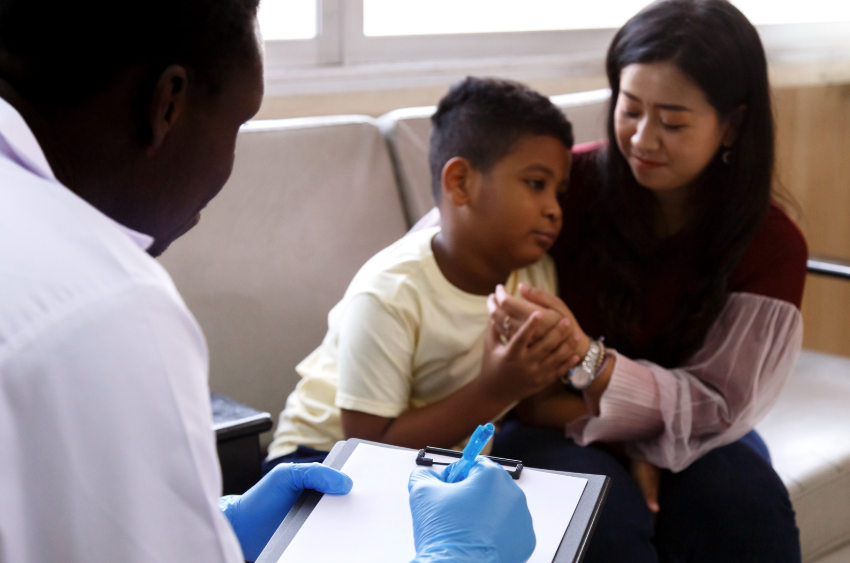
- Describe the side effects and include cause and treatment and nursing management of the following common side effects of cancer treatment: Fevers; Skin concerns; Nausea and vomiting; Diarrhea and constipation; Fatigue; Knowledge deficit
-
Students mustMark as done
Required Learning Resources and Activities
-
Students mustView
-
Students mustMark as done
Slide Deck Presentation
-
Students mustView
-
Students mustViewReceive a gradeReceive a passing grade
To access the quiz, click on the name of the quiz provided above. On the following screen, click the "Preview quiz now" button to respond to the questions.
-
 Student Learning Outcomes:
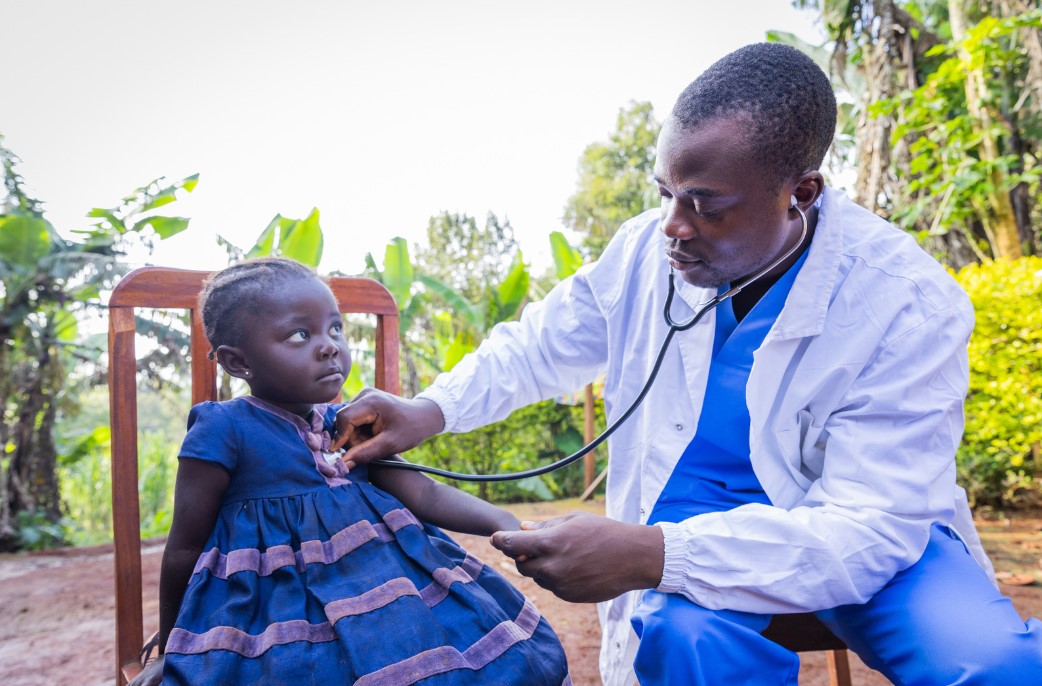
- Discuss the significance of nutrition and hydration in children undergoing cancer treatment.
- Describe the causes of alterations in nutrition and hydration in children undergoing cancer treatment.
- Outline the nursing management and interventions related to nutrition and hydration in a child undergoing cancer treatment.
-
Students mustMark as done
Required Learning Resources and Activities
-
Students mustView
-
Students mustMark as done
Slide Deck Presentation
-
Students mustView
-
Students mustViewReceive a gradeReceive a passing grade
To access the quiz, click on the name of the quiz provided above. On the following screen, click the "Preview quiz now" button to respond to the questions.
-
Student Learning Outcomes:

- Discuss the unique communication considerations of pediatric oncology patients at varying developmental stages.
- Describe how age influences the experience of pediatric oncology patients in terms of communication.
- Develop nursing interventions and strategies to support appropriate communication with pediatric oncology patients based on their age and developmental level.
-
Students mustMark as done
Required Learning Resources and Activities
-
Students mustView
-
Students mustMark as done
Slide Deck Presentation
-
Students mustViewReceive a gradeReceive a passing grade
To access the quiz, click on the name of the quiz provided above. On the following screen, click the "Preview quiz now" button to respond to the questions.
-
Students mustViewReceive a gradeReceive a passing grade
To access the quiz, click on the name of the quiz provided above. On the following screen, click the "Preview quiz now" button to respond to the questions.
-
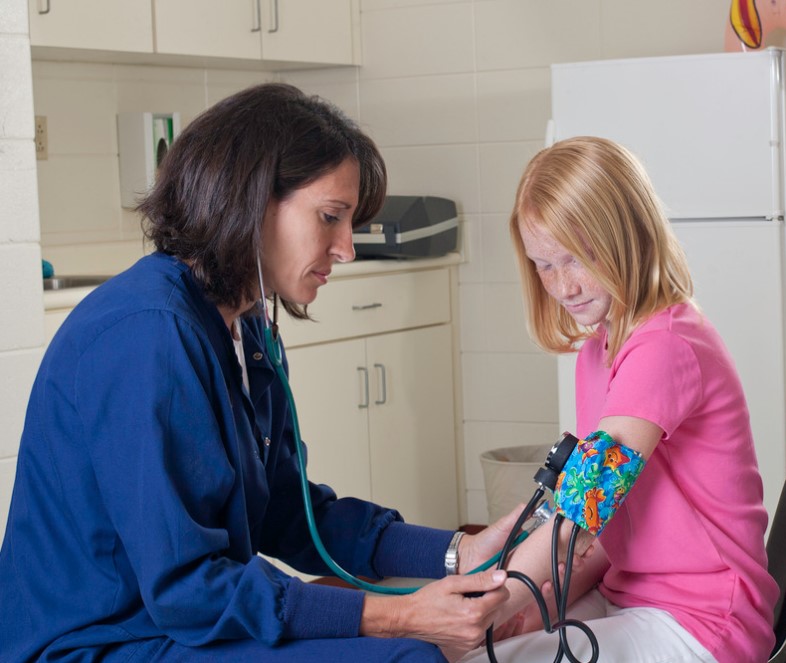 This unit explores various treatment modalities used in pediatric oncology and hematology, including immunotherapy, chemotherapy, surgery, radiation, stem cell transplants, and advanced therapies. It focuses on understanding the principles, mechanisms, and impacts of these treatments on pediatric patients' growth and development, as well as potential late effects. The unit also emphasizes nursing management strategies for patients undergoing these treatments.
 -
Unit Learning Outcomes:

- Describe the various treatment modalities in pediatric oncology and hematology.
- Identify the impact of these treatments on the growth and development of pediatric patients.
- Evaluate the late effects of these treatments.
- Apply nursing management strategies in the care of pediatric patients undergoing these treatments.
-
 Student Learning Outcomes:
- Describe the principles and mechanisms of immunotherapy, chemotherapy, surgery and radiation in pediatric oncology.
- Evaluate the effect of immunotherapy, chemotherapy, surgery and radiation on the growth and development of pediatric patients.
- Identify the potential late effects of immunotherapy, chemotherapy, surgery and radiation.
- Apply nursing management strategies in the care of pediatric patients undergoing immunotherapy, chemotherapy, surgery and radiation.
Approximate time required for the readings for this lesson (at 144 words/minute): 1 hour and 17 minutes.
-
Students mustMark as done
Required Learning Resources and Activities
-
Students mustView
-
Students mustMark as done
Slide Deck Presentation
-
Students mustView
-
Students mustViewReceive a gradeReceive a passing grade
To access the quiz, click on the name of the quiz provided above. On the following screen, click the "Preview quiz now" button to respond to the questions.
-
Student Learning Outcomes:

- Describe the principles and mechanisms of stem cell transplants and T-cell therapies in pediatric oncology.
- Explain the potential impact of these advanced therapies on the growth and development of pediatric patients.
- Identify the potential acute and late effects of these advanced therapies.
- Apply nursing management strategies in the care of pediatric patients undergoing these.
-
Students mustMark as done
Required Learning Resources and Activities
-
Students mustView
-
Students mustMark as done
Slide Deck Presentation
-
Students mustView
-
Students mustViewReceive a gradeReceive a passing grade
To access the quiz, click on the name of the quiz provided above. On the following screen, click the "Preview quiz now" button to respond to the questions.
-
Students mustViewReceive a gradeReceive a passing grade
To access the quiz, click on the name of the quiz provided above. On the following screen, click the "Preview quiz now" button to respond to the questions.
-
 This unit delves into the specific types of cancers that affect children, with a focus on leukemias, lymphomas, and solid tumors. It covers the definitions, presentations, symptoms, and medical management of these cancers. The unit also outlines nursing management strategies for pediatric patients with these various types of cancer.
 -
Unit Learning Outcomes:
- Describe the definitions and presentations of pediatric leukemias and lymphomas.
- Identify the symptoms associated with pediatric leukemias and lymphomas.
- Discuss the medical management of pediatric leukemias and lymphomas.
- Outline the nursing management of pediatric patients with leukemias and lymphomas.
-
Student Learning Outcomes:

a. Leukemias:
Approximate time required for the readings for this lesson (at 144 words/minute): 1 hour and 40 minutes.
i) Acute lymphoblastic leukemia
ii) Acute myeloid leukemia
b. Lymphomas:
i) Hodgkin lymphoma
ii) Non-Hodgkin lymphoma
-
Students mustMark as done
Required Learning Resources and Activities
-
Students mustView
-
Students mustMark as done
Slide Deck Presentation
-
Students mustView
-
Students mustViewReceive a gradeReceive a passing grade
To access the quiz, click on the name of the quiz provided above. On the following screen, click the "Preview quiz now" button to respond to the questions.
-
-
 Student Learning Outcomes:
- Define and describe the presentation of common pediatric solid tumors, including medulloblastoma, gliomas, neuroblastoma, Wilms tumor, rhabdomyosarcoma, retinoblastoma, and Ewing sarcoma.
- Identify the symptoms associated with each of these pediatric solid tumors.
- Discuss the medical management of pediatric solid tumors.
- Outline the nursing management of pediatric patients with solid tumors.
-
Students mustMark as done
Required Learning Resources and Activities
-
Students mustView
-
Students mustMark as done
Slide Deck Presentation
-
Students mustView
-
Students mustViewReceive a gradeReceive a passing grade
To access the quiz, click on the name of the quiz provided above. On the following screen, click the "Preview quiz now" button to respond to the questions.
-
Students mustViewReceive a gradeReceive a passing grade
To access the quiz, click on the name of the quiz provided above. On the following screen, click the "Preview quiz now" button to respond to the questions.
-
 This unit addresses critical emergencies that can occur in pediatric oncology patients. It covers a wide range of emergency situations, including tumor lysis syndrome, febrile neutropenia, increased intracranial pressure, and various other life-threatening conditions. The unit emphasizes both medical and nursing management strategies for these emergencies.
 -
Unit Learning Outcomes:
- Describe the following pediatric emergencies in children with cancer.
- Describe the medical management and the nursing management of pediatric oncologic emergencies.
-
 Student Learning Outcomes:
- Describe the following pediatric oncologic emergencies in children with cancer:
a. Tumor lysis syndrome
b. Febrile neutropenia
c. Increased intracranial pressure/brain herniation
d. Superior vena cava obstruction
e. Spinal cord compression
f. Hyperleukocytosis
g. Typhlitis
h. Malignant GI obstruction
i. Hypercalcemia
j. Posterior reversible encephalopathy syndrome
k. Cardiac tamponade l. disseminated intravascular coagulation - Discuss the medical management of each pediatric oncologic emergency listed above.
- Outline the nursing management for each pediatric oncologic emergency listed above.
-
Students mustMark as done
Required Learning Resources and Activities
-
Students mustView
-
Students mustMark as done
Slide Deck Presentation
-
Students mustView
-
Students mustViewReceive a gradeReceive a passing grade
To access the quiz, click on the name of the quiz provided above. On the following screen, click the "Preview quiz now" button to respond to the questions.
-
Students mustViewReceive a gradeReceive a passing grade
To access the quiz, click on the name of the quiz provided above. On the following screen, click the "Preview quiz now" button to respond to the questions.
- Describe the following pediatric oncologic emergencies in children with cancer:
-
 This unit provides a comprehensive overview of various hematologic disorders in pediatric patients, including red blood cell and iron disorders, bleeding disorders, thrombosis and coagulation disorders, autoimmune blood cell disorders, and bone marrow failure syndromes. It covers the symptoms, presentation, medical management, and nursing interventions for each of these conditions.
 -
Unit Learning Outcomes:

- Describe the various hematologic disorders in pediatric patients.
- Identify the symptoms and presentation of these disorders.
- Define the medical management of these disorders.
- Apply nursing management and interventions in pediatric patients with hematologic disorders.
-
Student Learning Outcomes:
- Describe the various red blood cell and iron disorders in pediatric patients, including:
a. Sickle cell disease
b. Anemias
c. Thalassemia
d. Iron deficiency anemia
e. Megaloblastic anemia
f. Hemolytic anemia
g. Hemochromatosis - Identify the symptoms and presentation of red blood cell and iron disorders mentioned above in pediatric patients
- Define the medical management of red blood cell and iron disorders mentioned above in pediatric patients
- Apply nursing management and interventions in pediatric patients with the red blood cell and iron disorders mentioned above
-
Students mustMark as done
Required Learning Resources and Activities
-
Students mustView
-
Students mustMark as done
Slide Deck Presentation
-
Students mustView
-
Students mustViewReceive a gradeReceive a passing grade
To access the quiz, click on the name of the quiz provided above. On the following screen, click the "Preview quiz now" button to respond to the questions.
- Describe the various red blood cell and iron disorders in pediatric patients, including:
-
 Student Learning Outcomes:
- Describe the various bleeding disorders in pediatric patients, including:
a. Hemophilia
b. Von Willebrand Disease
c. Thrombocytopenia and platelet dysfunctions
d. Fibrinogen disorders - Identify the symptoms and presentation of bleeding disorders mentioned above in pediatric patients
- Define the medical management of the bleeding disorders mentioned above in pediatric patients
- Apply nursing management and interventions in pediatric patients with the bleeding disorders mentioned above
-
Students mustMark as done
Required Learning Resources and Activities
-
Students mustView
-
Students mustMark as done
Slide Deck Presentation
-
Students mustView
-
Students mustViewReceive a gradeReceive a passing grade
To access the quiz, click on the name of the quiz provided above. On the following screen, click the "Preview quiz now" button to respond to the questions.
- Describe the various bleeding disorders in pediatric patients, including:
-
Student Learning Outcomes:

- Describe the various thrombosis and coagulation disorders in pediatric patients, including Inherited coagulation disorders and Thrombosis
- Identify the symptoms and presentation of the thrombosis and coagulation disorders mentioned above in pediatric patients
- Define the medical management of the thrombosis and coagulation disorders mentioned above in pediatric patients
- Apply nursing management and interventions in pediatric patients with the thrombosis and coagulation disorders mentioned above
-
Students mustMark as done
Required Learning Resources and Activities
-
Students mustView
-
Students mustMark as done
Slide Deck Presentation
-
Students mustView
-
Students mustViewReceive a gradeReceive a passing grade
To access the quiz, click on the name of the quiz provided above. On the following screen, click the "Preview quiz now" button to respond to the questions.
-
Student Learning Outcomes:
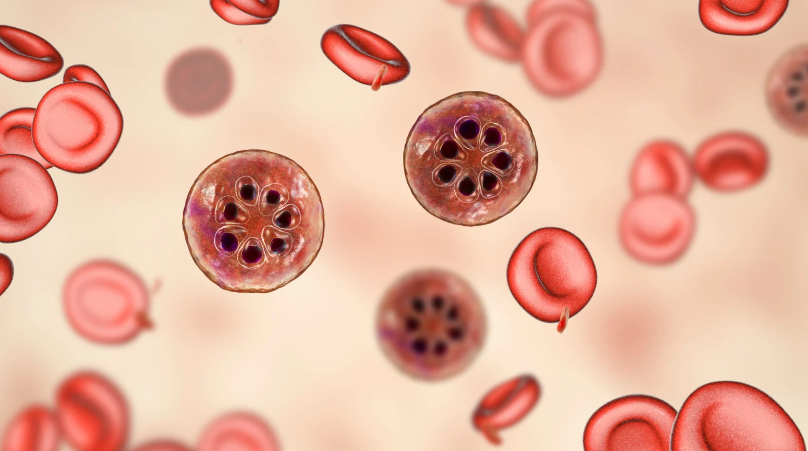
- Describe the various autoimmune blood cell disorders in pediatric patients, including Immune thrombocytopenia and Autoimmune hemolytic anemia
- Identify the symptoms and presentation of the autoimmune blood cell disorders mentioned above in pediatric patients
- Define the medical management of the autoimmune blood cell disorders mentioned above in pediatric patients
- Apply nursing management and interventions in pediatric patients with the autoimmune blood cell disorders mentioned above
-
Students mustMark as done
Required Learning Resources and Activities
-
Students mustView
-
Students mustMark as done
Slide Deck Presentation
-
Students mustView
-
Students mustViewReceive a gradeReceive a passing grade
To access the quiz, click on the name of the quiz provided above. On the following screen, click the "Preview quiz now" button to respond to the questions.
-
Student Learning Outcomes:
- Describe the various bone marrow failure syndromes in pediatric patients, including Aplastic anemia and Myelodysplastic syndrome
- Identify the symptoms and presentation of the bone marrow failure syndromes mentioned above in pediatric patients
- Define the medical management of the bone marrow failure syndromes mentioned above in pediatric patients
- Apply nursing management and interventions in pediatric patients with the bone marrow failure syndromes mentioned above
-
Students mustMark as done
Required Learning Resources and Activities
-
Students mustView
-
Students mustMark as done
Slide Deck Presentation
-
Students mustView
-
Students mustViewReceive a gradeReceive a passing grade
To access the quiz, click on the name of the quiz provided above. On the following screen, click the "Preview quiz now" button to respond to the questions.
-
Students mustViewReceive a gradeReceive a passing grade
To access the quiz, click on the name of the quiz provided above. On the following screen, click the "Preview quiz now" button to respond to the questions.
-
 This unit focuses on providing holistic care to pediatric oncology patients and their families. It covers crucial aspects such as pain management, palliative and end-of-life care, family support, ethical considerations, survivorship, fertility preservation, and the integration of complementary and traditional care. The unit emphasizes the importance of addressing both physical and psychological needs of patients throughout their cancer journey.
 -
Unit Learning Outcomes:

- Demonstrate comprehensive understanding and proficiency in providing holistic care to pediatric oncology patients and their families.
- Assess and manage pain effectively, utilizing various methods of pain management.
- Navigate ethical dilemmas commonly encountered in pediatric oncology care.
- Communicate empathetically with patients and families about end-of-life care decisions.
- Support families through pediatric oncology treatment challenges, providing emotional and educational support.
- Facilitate informed decision-making by patients and families regarding treatment options.
- Provide survivorship support, addressing both the long-term physical and psychological effects of pediatric cancer treatment.
- Address fertility preservation needs and discuss reproductive rights with patients and families.
- Integrate alternative and adjunctive therapies into patient care plans as appropriate.
-
Student Learning Outcomes:

- Identify common sources of pain in pediatric oncology patients.
- Describe the various methods of pain management
- Apply effective nursing interventions for pain management.
- Educate patients and families about pain management strategies.
-
Students mustMark as done
Required Learning Resources and Activities
-
Students mustView
-
Students mustMark as done
Slide Deck Presentation
-
Students mustView
-
Students mustViewReceive a gradeReceive a passing grade
To access the quiz, click on the name of the quiz provided above. On the following screen, click the "Preview quiz now" button to respond to the questions.
-
Student Learning Outcomes:

- Define the role of palliative care in pediatric oncology.
- Describe compassionate end-of-life care to pediatric oncology patients.
- Communicate effectively with patients and families about end-of-life decisions.
- Discuss ethics in end-of-life care
-
Students mustMark as done
Required Learning Resources and Activities
-
Students mustView
-
Students mustMark as done
Slide Deck Presentation
-
Students mustView
-
Students mustViewReceive a gradeReceive a passing grade
To access the quiz, click on the name of the quiz provided above. On the following screen, click the "Preview quiz now" button to respond to the questions.
-
 Student Learning Outcomes:
- Describe the impact of pediatric oncology on the family unit.
- Define the elements of supportive care and education to families of pediatric oncology patients.
- Discuss methods to facilitate family involvement in the child’s care.
-
Students mustMark as done
Required Learning Resources and Activities
-
Students mustView
-
Students mustMark as done
Slide Deck Presentation
-
Students mustView
-
Students mustViewReceive a gradeReceive a passing grade
To access the quiz, click on the name of the quiz provided above. On the following screen, click the "Preview quiz now" button to respond to the questions.
-
Student Learning Outcomes:

- Identify and describe ethical issues commonly encountered in pediatric oncology (including Consent, Assent, and Dissent).
- Apply ethical principles in decision-making processes
- Describe how an ethics decision-making model can assist nurses in the care of pediatric clients and their families
- Advocate for the rights and best interests of pediatric oncology patients.
-
Students mustMark as done
Required Learning Resources and Activities
-
Students mustView
-
Students mustMark as done
Slide Deck Presentation
-
Students mustView
-
Students mustViewReceive a gradeReceive a passing grade
To access the quiz, click on the name of the quiz provided above. On the following screen, click the "Preview quiz now" button to respond to the questions.
-
Student Learning Outcomes:

- Describe the long-term physical and psychological effects of pediatric cancer treatment.
- Describe supportive care and education to pediatric cancer survivors.
- Discuss ways to facilitate the transition from active treatment to survivorship.
-
Students mustMark as done
Required Learning Resources and Activities
-
Students mustView
-
Students mustMark as done
Slide Deck Presentation
-
Students mustView
-
Students mustViewReceive a gradeReceive a passing grade
To access the quiz, click on the name of the quiz provided above. On the following screen, click the "Preview quiz now" button to respond to the questions.
-
Student Learning Outcomes:

- Describe the impact of pediatric cancer treatment on future fertility.
- Discuss fertility preservation options with patients and families.
- Discuss the reproductive rights of pediatric oncology patients.
-
Students mustMark as done
Required Learning Resources and Activities
-
Students mustView
-
Students mustMark as done
Slide Deck Presentation
-
Students mustView
-
Students mustViewReceive a gradeReceive a passing grade
To access the quiz, click on the name of the quiz provided above. On the following screen, click the "Preview quiz now" button to respond to the questions.
-
 Student Learning Outcomes:
- Define the role of alternative and adjunctive care in treating pediatric oncology patients.
- Describe various adjunctive therapies.
- Identify how various belief systems impact the care of children with cancer.
- Describe patient self-care activities and the use of spiritual and traditional healers.
- Describe the nurse’s role in the adaptation of care in managing varied health beliefs as they relate to a child with cancer.
-
Students mustMark as done
Required Learning Resources and Activities
-
Students mustView
-
Students mustMark as done
Slide Deck Presentation
-
Students mustView
-
Students mustViewReceive a gradeReceive a passing grade
To access the quiz, click on the name of the quiz provided above. On the following screen, click the "Preview quiz now" button to respond to the questions.
-
Students mustViewReceive a gradeReceive a passing grade
To access the quiz, click on the name of the quiz provided above. On the following screen, click the "Preview quiz now" button to respond to the questions.
-
-
Students mustMark as done
Cancer-specific Patient Care Sheets
These patient care sheets provide a quick reference for the nurse regarding patient information, disease process, treatment, patient care needs, nursing care, and intervention.
-
Students mustMark as done
-
Students mustMark as done
-
Students mustMark as done
-
Students mustMark as done
-
Students mustMark as done
-
Students mustMark as done
'Nursing Brain Sheet'
The following sheets provide the nurse with a working template to organize their clinical work. Download and customize this sheet as per your need.
-
Students mustMark as done
-
Students mustMark as done
-
Students mustMark as done
Clinical Nursing Skills Procedure Checklists/Videos
Use the following checklists as instructional guides for performing clinical procedures. May be used for self-assessment, peer practice assessments, and competency assessment.
-
Students mustMark as done
-
Students mustMark as done
-
Students mustMark as done
-
Students mustMark as done
-
Students mustMark as done
-
Students mustMark as done
-
Students mustMark as done
-
Students mustMark as done
-
Students mustMark as done
-
Students mustMark as done
-
Students mustMark as done
-
Students mustMark as done
-
Students mustMark as done
-
Students mustMark as done
-
Students mustMark as done
-
Students mustMark as done
-
Students mustMark as done
-
Students mustMark as done
-
Students mustMark as done
-
Students mustMark as done
-
Students mustMark as done
-
Students mustMark as done
-
Students mustMark as done
-
Students mustMark as done
-
Students mustMark as done
-
Students mustMark as done
-
Students mustMark as done
-
Students mustMark as done
-
Students mustMark as done
-
Students mustMark as done
-
Students mustMark as done
-
Students mustMark as done
-
Students mustMark as done
-
Students mustMark as done
-
Students mustMark as done
-
Students mustMark as done
-
Students mustMark as done
-
Students mustMark as done
-
Students mustMark as done
-
Students mustMark as done
-
Students mustMark as done
-
Students mustMark as done
-
Students mustMark as done
-
Students mustMark as done
-
Students mustMark as done
-
Students mustMark as done
-
Students mustMark as done
-
Students mustMark as done
-
Students mustMark as done
-
Students mustMark as done
-
Students mustMark as done
-
Students mustMark as done
-
Students mustMark as done
-
Students mustMark as done
Open Access Textbook on Nursing Clinical Skills
-
Students mustMark as done
This is an open-access textbook on fundamental nursing skills, provided by Chippewa Valley Technical College licensed under Creative Commons – Attribution 4.0 International. Please feel free to download it and use it. For other open-access nursing textbooks, please visit XanEdu.com website.
-
-
-
Students mustViewReceive a gradeReceive a passing grade
To access the exam, click on the name of the exam provided above. On the following screen, click the "Preview quiz now" button to respond to the questions.
-
-
-
Final Exam QuizTo take the final exam, you must complete all quizzes and complete all the required activities. The final exam consists of 60 questions, and you will have 150 minutes to answer and submit them. In case you fail the exam in the first attempt, you can retake the final exam again after 1 week.
To access the exam, click on the name of the exam provided above. On the following screen, click the attempt quiz button to respond to the questions.Not available unless any of: All of: ...Not available unless any of:-
All of:
- The activity Pediatric Oncology Course Registration Form is marked complete
- The activity Knowledge Assessment is marked complete
- The activity Quiz: Unit 1: Lesson 1 is complete and passed
- The activity Quiz: Unit 1: Lesson 2 is complete and passed
- The activity Quiz: Unit 1: Lesson 3 is complete and passed
- The activity Quiz: Unit 1: Lesson 4 is complete and passed
- The activity Quiz: Unit 1: Lesson 5 is complete and passed
- The activity Quiz: Unit 1: Lesson 6 is complete and passed
- The activity Quiz: Unit 1: Lesson 7 is complete and passed
- The activity Unit 1 Exam is complete and passed
- The activity Quiz: Unit 2: Lesson 1 is complete and passed
- The activity Quiz: Unit 2: Lesson 2 is complete and passed
- The activity Unit 2 Exam is complete and passed
- The activity Quiz: Unit 3: Lesson 1 is complete and passed
- The activity Quiz: Unit 3: Lesson 2 is complete and passed
- The activity Unit 3 Exam is complete and passed
- The activity Quiz: Unit 4: Lesson 1 is complete and passed
- The activity Unit 4 Exam is complete and passed
- The activity Quiz: Unit 5: Lesson 1 is complete and passed
- The activity Quiz: Unit 5: Lesson 2 is complete and passed
- The activity Quiz: Unit 5: Lesson 3 is complete and passed
- The activity Quiz: Unit 5: Lesson 4 is complete and passed
- The activity Quiz: Unit 5: Lesson 5 is complete and passed
- The activity Unit 5 Exam is complete and passed
- The activity Quiz: Unit 6: Lesson 1 is complete and passed
- The activity Quiz: Unit 6: Lesson 2 is complete and passed
- The activity Quiz: Unit 6: Lesson 3 is complete and passed
- The activity Quiz: Unit 6: Lesson 4 is complete and passed
- The activity Quiz: Unit 6: Lesson 5 is complete and passed
- The activity Quiz: Unit 6: Lesson 6 is complete and passed
- The activity Quiz: Unit 6: Lesson 7 is complete and passed
- The activity Unit 6 Exam is complete and passed
- You belong to Cancer Care
- You belong to Final Exam Access
-
All of:
-
Final Exam 2 QuizNot available unless: The activity Final Exam is complete and failed
-
-
 In this section, please provide feedback to help NextGenU.org improve its course offering. Once evaluations are completed, you will be able to download your certificate of completion.
-
Course Evaluation QuestionnairePlease help us make NextGenU.org courses even better by submitting this evaluation. Your evaluation is confidential and used only for improving our trainings.Not available unless: The activity Final Exam is marked complete
-
Self Evaluation QuestionnairePlease take the time to reflect on how you would evaluate yourself as a learner.Not available unless: The activity Final Exam is marked complete
-
-
-
Students mustMark as done
-
Students mustMark as done
-
Students mustMark as done
-
-