loader image
Skip to main content
  • 3 - Introduction to Human Rights
    0%

Focus Mode is ON. Click on the ‘collapse icon’ to close it.

  • Previous
  • Course data
    Home page
    Pre-Test
    Announcements
    Lesson 1: The UN Convention on the Rights of the Child (CRC)
    Learning Resource: The UN Convention on the Rights of the Child (CRC)
    Microlesson 1 - The UN Convention on the Rights of the Child (CRC)
    Lesson 2: The Convention on the Rights of Persons with Disabilities (CRPD)
    Learning Resource: The Convention on the Rights of Persons with Disabilities (CRPD)
    Microlesson 2 - The Convention on the Rights of Persons with Disabilities (CRPD)
    Lesson 3: The 1951 Refugee Convention
    Learning Resource: The 1951 Refugee Convention
    Microlesson 3 - The 1951 Refugee Convention
    Lesson 4: The Convention on the Elimination of All Forms of Discrimination against Women
    Learning Resource: The Convention on the Elimination of All Forms of Discrimination against Women
    Microlesson 4 - The Convention on the Elimination of All Forms of Discrimination against Women
    Lesson 5: Integrating Human Rights Principles in Humanitarian Action
    Learning Resource: Integrating Human Rights Principles in Humanitarian Action
    Microlesson 5 - Integrating Human Rights Principles in Humanitarian Action
    Final Exam
    Course and Self Evaluation
  • Next
  • Categories
    • All categories
    • Public Health
    • Medicine Courses
    • Nursing
    • Professional Development Courses
    • Community Health Workers
    • Humanitarian Response
    • Health Sciences
    • Sciences
    • For our institutional partners: Full Programs/Graduate Medical Education
    • NIED Courses
  • Home
  • Calendar
  • About Us
    About Us FAQs The Frank Foundation Board Members Publications Quality Assurance
  • Guests
    Learners Mentors Universities
  • Courses
    All Courses Medicine Courses Public Health Courses Community Health Courses Professional Development Courses Nursing Courses Health Sciences Sciences
  • Programs
    Addiction Training for Health Professionals Public Health U - MPH Primary Education STEPS Humanitarian U
  • Connect
    Contact Us Volunteer Careers Join Our Network sign up for our newsletter
  • Donate
  • Blog
  • Recent
    Environmental Health SC
    Climate Change and Health - old
You are currently using guest access
Log in
Categories Collapse Expand
  • All categories
  • Public Health
  • Medicine Courses
  • Nursing
  • Professional Development Courses
  • Community Health Workers
  • Humanitarian Response
  • Health Sciences
  • Sciences
  • For our institutional partners: Full Programs/Graduate Medical Education
  • NIED Courses
Home Calendar About Us Collapse Expand
About Us FAQs The Frank Foundation Board Members Publications Quality Assurance
Guests Collapse Expand
Learners Mentors Universities
Courses Collapse Expand
All Courses Medicine Courses Public Health Courses Community Health Courses Professional Development Courses Nursing Courses Health Sciences Sciences
Programs Collapse Expand
Addiction Training for Health Professionals Public Health U - MPH Primary Education STEPS Humanitarian U
Connect Collapse Expand
Contact Us Volunteer Careers Join Our Network sign up for our newsletter
Donate Blog Recent Collapse Expand
Environmental Health SC
Climate Change and Health - old
3 - Introduction to Human Rights
Expand all Collapse all
Skip Course Activities and Resources

Course Activities and Resources

  • Syllabus
  • Resources
  • Quizzes
      1. Humanitarian Response

        3 - Introduction to Human Rights

        • Course
        • Competencies
        • Humanitarian Response

          3 - Introduction to Human Rights

          0% complete
          0% complete
          Resume

          Home page


          Show More Show Less
          • quiz icon
            Pre-Test Quiz
            Students must
            View
            Receive a grade
          • forum icon
            Announcements Forum
          Show More
        • How to create an account and enroll in the course?

          In order to be able to complete the activities and quizzes in this course, and receive a certification of completion, or a badge, you must create an account and enroll in the course. You only need to create an account once, after which you can enroll in as many courses as you like. Click here to create an account. For instructions on how to create an account and enroll, please look at the following video:                              


        • Homepage
          Highlighted


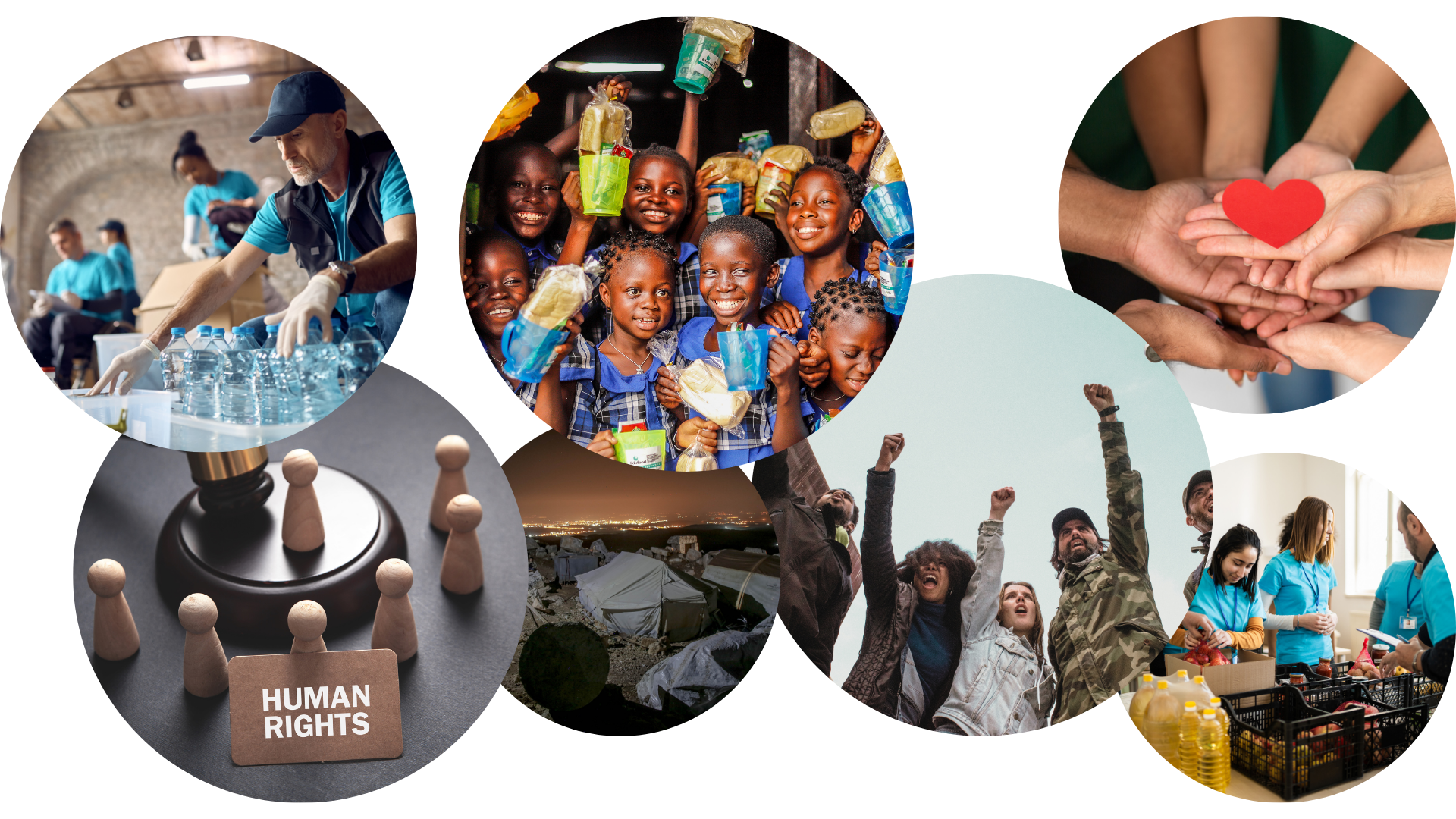
          This course is designed for humanitarian workers, local responders, and anyone interested in the humanitarian sector. It provides a foundational understanding of human rights principles, focusing on key international conventions that shape humanitarian action. By exploring the rights of children, persons with disabilities, refugees, and women, participants will gain the knowledge needed to integrate human rights principles into their humanitarian work. 

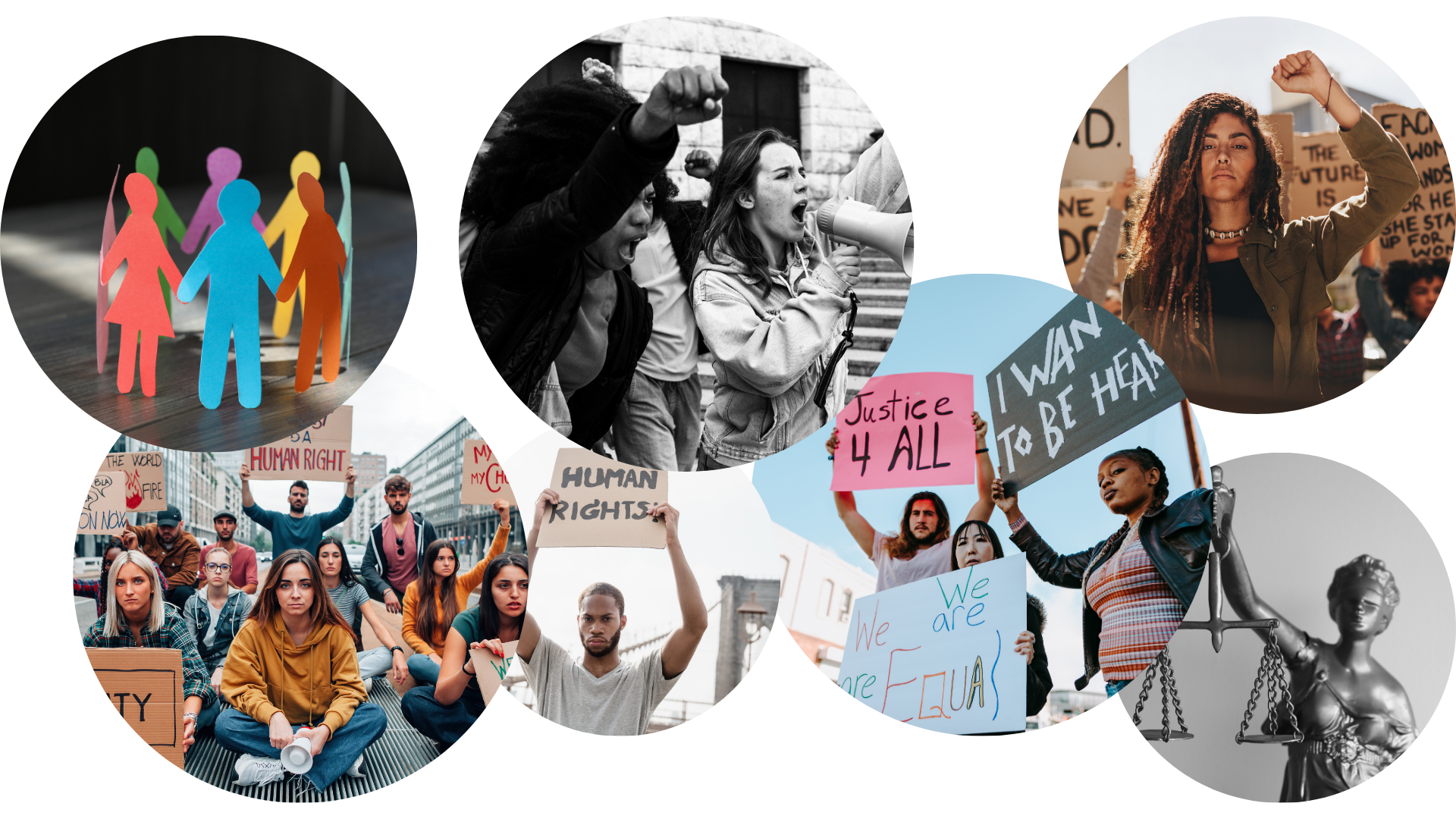
          Human rights are at the core of humanitarian action, ensuring dignity, protection, and inclusion for affected populations. This course introduces critical international frameworks—including the Convention on the Rights of the Child (CRC), the Convention on the Rights of Persons with Disabilities (CRPD), the 1951 Refugee Convention, and the Convention on the Elimination of All Forms of Discrimination against Women (CEDAW)—and guides participants in applying these principles to real-world humanitarian scenarios.

          The course follows a microlearning approach, offering bite-sized lessons (15–20 minutes each) that make it easy to grasp complex human rights concepts. Interactive activities, case studies, and scenario-based exercises provide opportunities for active learning. There are no graded assessments—participants can engage, explore, and retry activities as often as needed to deepen their understanding.
          To learn more about the efficacy of online learning and online learning at NextGenU.org please see “A Novel Integration of Online and Flipped Classroom Instructional Models in Public Health Higher Education,” (2014), BMC Medical Education, “Building Public Health Capacity through Online Global Learning,” (2018), Open Praxis, or on NextGenU.org’s publication page.

          There are five micro-lessons to complete, which include:

          1. The UN Convention on the Rights of the Child (CRC)
          2. The Convention on the Rights of Persons with Disabilities (CRPD)
          3. The 1951 Refugee Convention
          4. The Convention on the Elimination of All Forms of Discrimination against Women
          5. Integrating Human Rights Principles in Humanitarian Action

          Each micro-lesson takes approximately 15-20 minutes and includes interactive activities and questions to reinforce key concepts. These activities are ungraded and designed to support active learning—participants can attempt them as many times as needed.

          At the end of the course, participants must pass a scenario-based quiz that applies their learning to real-world humanitarian challenges. Upon successful completion, participants will earn a badge of completion, recognizing their foundational knowledge in humanitarian action.

          Once you’ve passed the final exam, you will receive a badge from NextGenU.org and our course’s co-sponsoring organizations. We keep your personal information confidential, never sell any of your information, and only use anonymized data for research purposes. Also, we are happy to report your testing information and share your work with anyone (your school, employer, etc.) at your request.

          Engaging with this Course:

          You can enroll in this course or  browse this course for free for personal enrichment; there are no requirements.

          To obtain a badge, a learner must successfully complete:

          • All the reading requirements
          • All quizzes and pass with a 70% with unlimited attempts
          • All activities
          • The final exam
          • The self and course evaluation forms

          NextGenU.org is happy to provide your institution with

          • A link to and description of the course training so that they can see all its components, including the cosponsoring universities and other professional organization cosponsors;
          • Your grade on the final exam;
          • Your work products (e.g., case study activities), and any other required or optional shared materials that you produce and authorize to share with them; 
          • Your evaluations -- course and self-assessments;
          • A copy of your badge, along with the co-sponsoring universities and other organizations listed.

          Next Steps

          • Take the short knowledge pre-test. It allows us to assess various aspects of the course itself.
          • Complete the registration form.
          • Begin the course with Lesson 1: The UN Convention on the Rights of the Child (CRC).
          • In each lesson, read the description, complete all required readings and any required activity, and take the corresponding quizzes.

          Disclaimer: This content is designed to enhance your study; we cannot guarantee that the successful completion of these materials will enable you to work in your place of residence as regulations vary by location. If you plan to practice using your new knowledge, to ensure safety and compliance with your local laws, you must successfully complete a program of study approved by the government and relevant local regulatory agencies in your place of practice. 

          NextGenU.org does not directly confer academic degrees or guarantee that learning institutions will accept NextGenU.org coursework for credit.

        • Lesson 1: The UN Convention on the Rights of the Child (CRC)

          Student Learning Outcomes:

          Upon completion of this lesson, you will be able to:

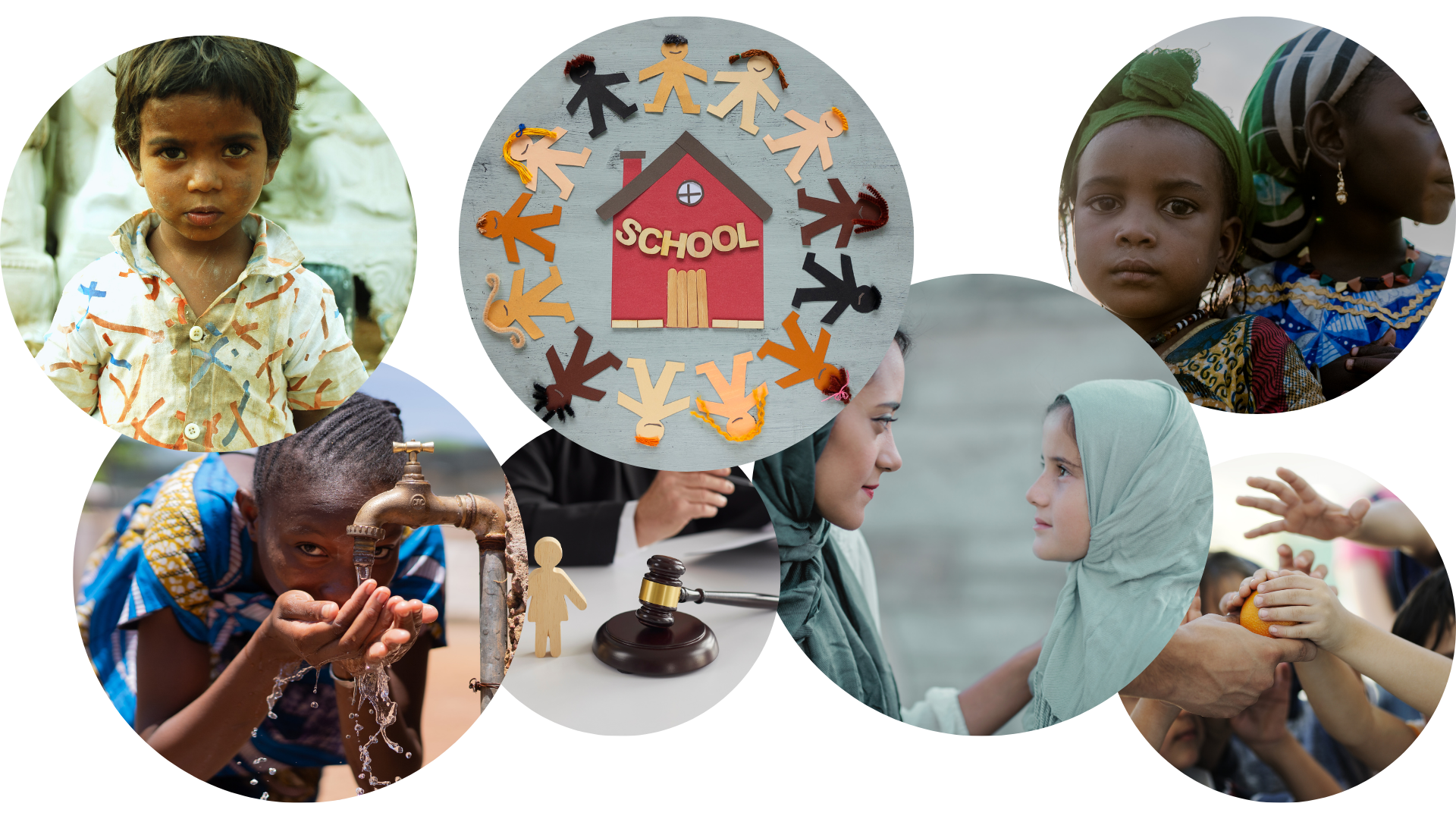
          • Identify that children have their own rights.
          • Explain the articles from the Convention on the Rights of the Child that relate to child safeguarding.
          • Apply CRC principles in humanitarian situations.


          Approximate time required for the readings for this lesson (at 144 words/minute): 15 minutes

          Click here to start this lesson

          • Required Learning Resources
          • resource icon
            Learning Resource: The UN Convention on the Rights of the Child (CRC) File
            Students must
            View

            Click on the link to access the summary of this lesson's content. You are encouraged to read the summary notes before you begin the microlesson and refer back to them alongside your journey through the lesson. There will be a series of questions and activities throughout the lesson. These questions and activities are designed to help you learn and are not meant to be evaluations.

            158.9 KB
          • Activities

            In order to access activities, you must be enrolled in the course and logged in to your account.
            Please refer to this video for instructions on how to create and account and enroll in a course:

          • scorm icon
            Microlesson 1 - The UN Convention on the Rights of the Child (CRC) SCORM package
            Students must
            View

            To access the microlesson:

            Step 1: Click on the link to the Microlesson above.

            Step 2: Select "Enter"; the microlesson will open in a new window

            Step 3: Click on the arrow at the bottom of the screen to begin the microlesson. 

            If you need to exit the microlesson before it is completed, either click on "Exit Course" on the top right of the screen, or simply close the window. Your progress should be saved automatically.
            Within the Microlesson, there will be a series of questions and activities throughout the lesson. These questions and activities are designed to help you learn and are not meant to be evaluations.

        • Lesson 2: The Convention on the Rights of Persons with Disabilities (CRPD)

          Student Learning Outcomes:

          Upon completion of this lesson, you will be able to:

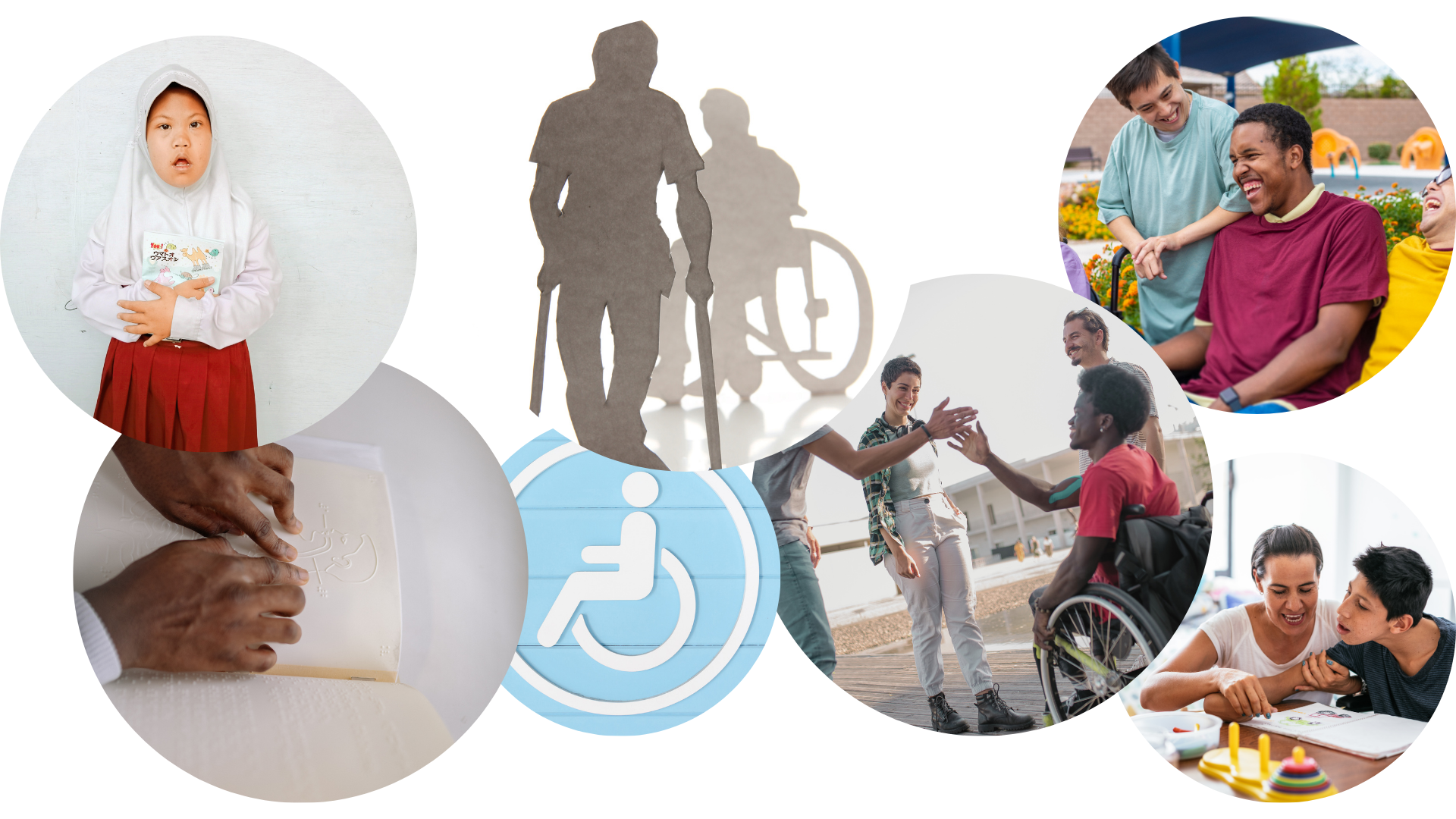
          • Identify the key principles and articles of the Convention on the Rights of Persons with Disabilities (CRPD).
          • Explain the importance of implementing CRPD principles in humanitarian actions.
          • Apply CRPD principles to practical situations in humanitarian settings.

          Approximate time required for the readings for this lesson (at 144 words/minute): 15 minutes

          Click here to start this lesson

          • Required Learning Resources
          • resource icon
            Learning Resource: The Convention on the Rights of Persons with Disabilities (CRPD) File
            Students must
            View

            Click on the link to access the summary of this lesson's content. You are encouraged to read the summary notes before you begin the microlesson and refer back to them alongside your journey through the lesson. There will be a series of questions and activities throughout the lesson. These questions and activities are designed to help you learn and are not meant to be evaluations.

            110.5 KB
          • Activities

            In order to access activities, you must be enrolled in the course and logged in to your account.
            Please refer to this video for instructions on how to create and account and enroll in a course:

          • scorm icon
            Microlesson 2 - The Convention on the Rights of Persons with Disabilities (CRPD) SCORM package
            Students must
            View

            To access the microlesson:

            Step 1: Click on the link to the Microlesson above.

            Step 2: Select "Enter"; the microlesson will open in a new window

            Step 3: Click on the arrow at the bottom of the screen to begin the microlesson. 

            If you need to exit the microlesson before it is completed, either click on "Exit Course" on the top right of the screen, or simply close the window. Your progress should be saved automatically.
            Within the Microlesson, there will be a series of questions and activities throughout the lesson. These questions and activities are designed to help you learn and are not meant to be evaluations.

        • Lesson 3: The 1951 Refugee Convention

          Student Learning Outcomes:

          Upon completion of this lesson, you will be able to:

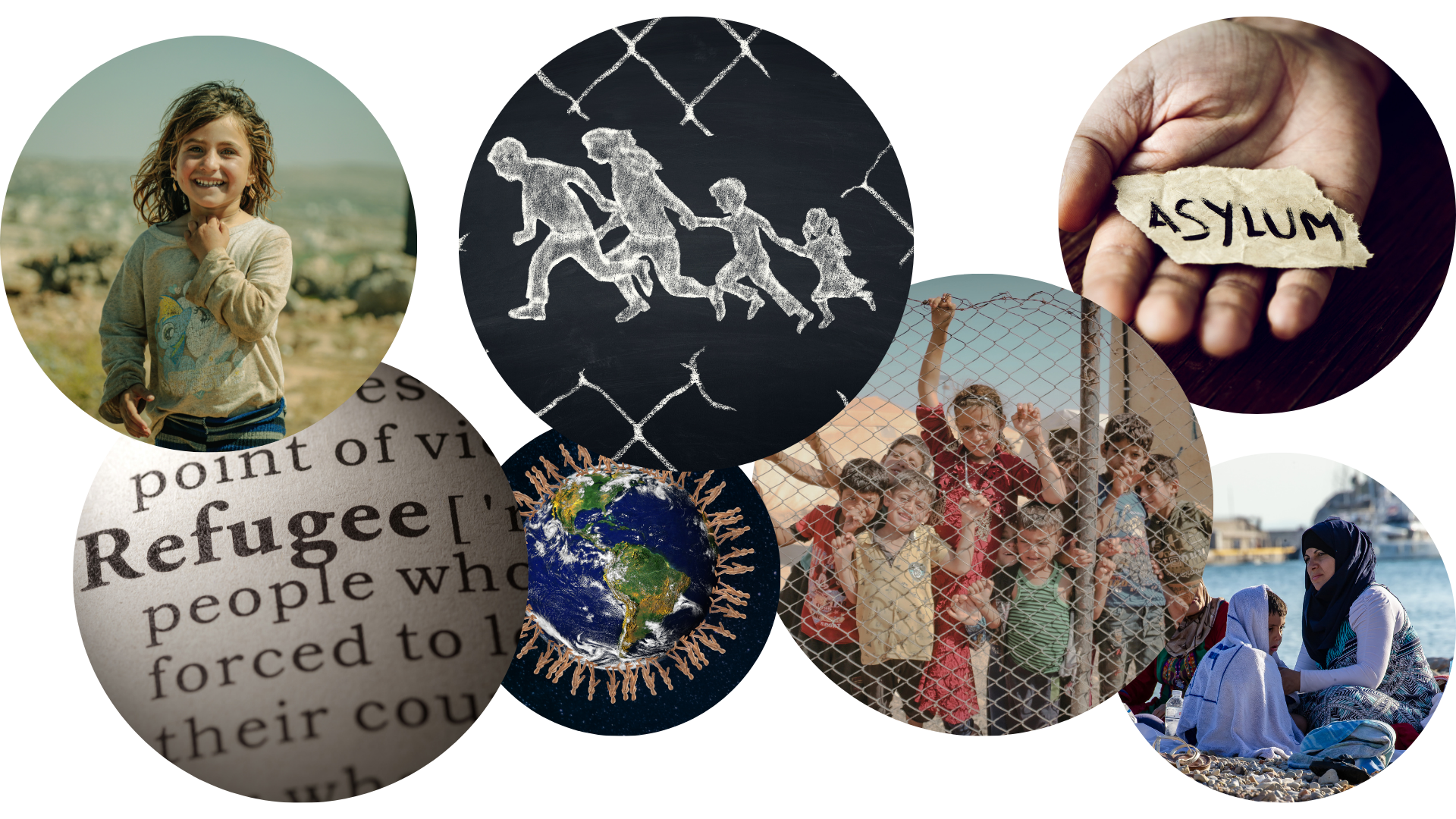
          • Identify the key principles of the 1951 Refugee Convention.
          • Explain the criteria for determining refugee status.
          • Apply the principles of the Refugee Convention in humanitarian settings.

          Approximate time required for the readings for this lesson (at 144 words/minute): 15 minutes

          Click here to start this lesson

          • Students must
            Mark as done
            Required Learning Resources
          • resource icon
            Learning Resource: The 1951 Refugee Convention File
            Students must
            View

            Click on the link to access the summary of this lesson's content. You are encouraged to read the summary notes before you begin the microlesson and refer back to them alongside your journey through the lesson. There will be a series of questions and activities throughout the lesson. These questions and activities are designed to help you learn and are not meant to be evaluations.

            119.1 KB
          • Students must
            Mark as done
            Activities

            In order to access activities, you must be enrolled in the course and logged in to your account.
            Please refer to this video for instructions on how to create and account and enroll in a course:

          • scorm icon
            Microlesson 3 - The 1951 Refugee Convention SCORM package
            Students must
            View

            To access the microlesson:

            Step 1: Click on the link to the Microlesson above.

            Step 2: Select "Enter"; the microlesson will open in a new window

            Step 3: Click on the arrow at the bottom of the screen to begin the microlesson. 

            If you need to exit the microlesson before it is completed, either click on "Exit Course" on the top right of the screen, or simply close the window. Your progress should be saved automatically.
            Within the Microlesson, there will be a series of questions and activities throughout the lesson. These questions and activities are designed to help you learn and are not meant to be evaluations.

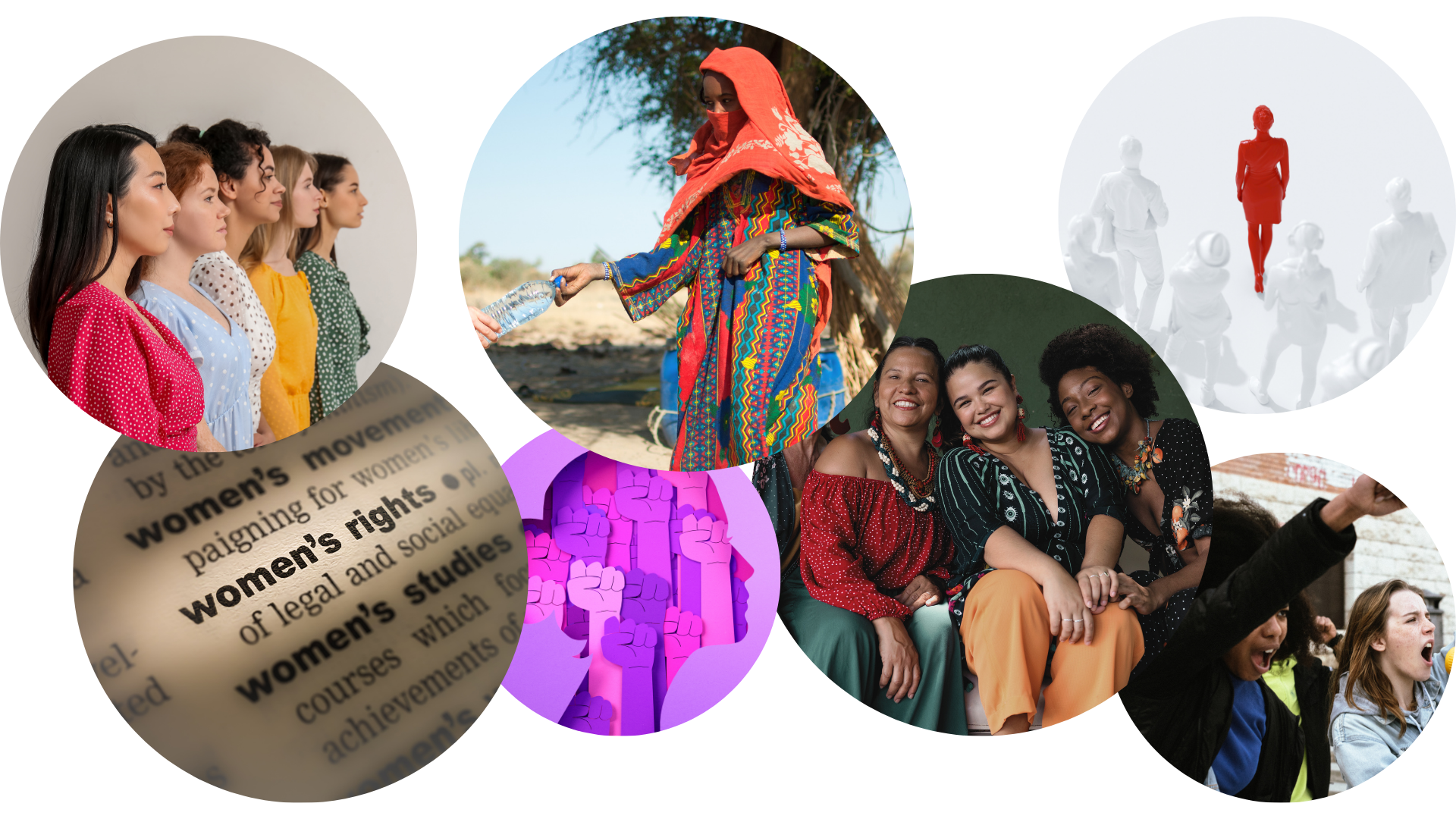
        • Lesson 4: The Convention on the Elimination of All Forms of Discrimination against Women

          Student Learning Outcomes:

          Upon completion of this lesson, you will be able to:

          • Identify the key principles of CEDAW.
          • Explain the importance of gender equality in humanitarian action.
          • Apply CEDAW principles to address women's rights in humanitarian settings.

          Approximate time required for the readings for this lesson (at 144 words/minute): 15 minutes

          Click here to start this lesson

          • Students must
            Mark as done
            Required Learning Resources
          • resource icon
            Learning Resource: The Convention on the Elimination of All Forms of Discrimination against Women File
            Students must
            View

            Click on the link to access the summary of this lesson's content. You are encouraged to read the summary notes before you begin the microlesson and refer back to them alongside your journey through the lesson. There will be a series of questions and activities throughout the lesson. These questions and activities are designed to help you learn and are not meant to be evaluations.

            140.5 KB
          • Students must
            Mark as done
            Activities

            In order to access activities, you must be enrolled in the course and logged in to your account.
            Please refer to this video for instructions on how to create and account and enroll in a course:

          • scorm icon
            Microlesson 4 - The Convention on the Elimination of All Forms of Discrimination against Women SCORM package
            Students must
            View

            To access the microlesson:

            Step 1: Click on the link to the Microlesson above.

            Step 2: Select "Enter"; the microlesson will open in a new window

            Step 3: Click on the arrow at the bottom of the screen to begin the microlesson. 

            If you need to exit the microlesson before it is completed, either click on "Exit Course" on the top right of the screen, or simply close the window. Your progress should be saved automatically.
            Within the Microlesson, there will be a series of questions and activities throughout the lesson. These questions and activities are designed to help you learn and are not meant to be evaluations.

        • Lesson 5: Integrating Human Rights Principles in Humanitarian Action

          Student Learning Outcomes:

          Upon completion of this lesson, you will be able to:

          • Synthesize the key principles from the CRC, CRPD, Refugee Convention, and CEDAW.
          • Explain the importance of a rights-based approach in humanitarian action.
          • Apply integrated human rights principles to complex humanitarian scenarios.

          Approximate time required for the readings for this lesson (at 144 words/minute): 15 minutes

          Click here to start this lesson

          • Students must
            Mark as done
            Required Learning Resources
          • resource icon
            Learning Resource: Integrating Human Rights Principles in Humanitarian Action File
            Students must
            View

            Click on the link to access the summary of this lesson's content. You are encouraged to read the summary notes before you begin the microlesson and refer back to them alongside your journey through the lesson. There will be a series of questions and activities throughout the lesson. These questions and activities are designed to help you learn and are not meant to be evaluations.

            148.7 KB
          • Students must
            Mark as done
            Activities

            In order to access activities, you must be enrolled in the course and logged in to your account.
            Please refer to this video for instructions on how to create and account and enroll in a course:

          • scorm icon
            Microlesson 5 - Integrating Human Rights Principles in Humanitarian Action SCORM package
            Students must
            View

            To access the microlesson:

            Step 1: Click on the link to the Microlesson above.

            Step 2: Select "Enter"; the microlesson will open in a new window

            Step 3: Click on the arrow at the bottom of the screen to begin the microlesson. 

            If you need to exit the microlesson before it is completed, either click on "Exit Course" on the top right of the screen, or simply close the window. Your progress should be saved automatically.
            Within the Microlesson, there will be a series of questions and activities throughout the lesson. These questions and activities are designed to help you learn and are not meant to be evaluations.

        • Final Exam

          Click here to start Final Examination

          • quiz icon
            Graded Quiz: Introduction to Human Rights
            Not available unless: The activity Microlesson 1 - The UN Convention on the Rights of the Child (CRC) is marked complete ...
            Not available unless:
            • The activity Microlesson 1 - The UN Convention on the Rights of the Child (CRC) is marked complete
            • The activity Microlesson 2 - The Convention on the Rights of Persons with Disabilities (CRPD) is marked complete
            • The activity Microlesson 3 - The 1951 Refugee Convention is marked complete
            • The activity Microlesson 4 - The Convention on the Elimination of All Forms of Discrimination against Women is marked complete
            • The activity Microlesson 5 - Integrating Human Rights Principles in Humanitarian Action is marked complete
        • Course and Self Evaluation

          Thank you for trusting us with your learning journey. Feel free to join the other courses that make up our Foundations of Humanitarian Action Program to continue learning. In this section, you can provide feedback about this course to help us make NextGenU.org better. Once evaluations are completed, you will be able to receive your badge.

          If you have completed all 12 courses in this program, you may proceed to obtain your Final Program Certificate. You will need to take one short quiz (12 questions) and pass with a score of 75% or higher to be awarded the Final Program Certificate for Foundations of Humanitarian Action, Part 1. Click here to earn your Final Program Certificate

          Click here give your feedback

          • questionnaire icon
            Course Evaluation Questionnaire
            Not available unless: The activity Graded Quiz: Introduction to Human Rights is marked complete
          • questionnaire icon
            Self Evaluation Questionnaire
            Not available unless: The activity Graded Quiz: Introduction to Human Rights is marked complete
        Skip Rating and Review

        Rating and Review

        0

        0 Course Rating

        0%
        0%
        0%
        0%
        0%

        Reviews

        Contact site support
        You are currently using guest access (Log in)
        Powered by Moodle


        Copyright © 2025 NextGenU.org / All Rights Reserved


        Privacy Policy 


        Terms Of Use 


        Privacy Policy Terms & Conditions

        Copyrights Content