Didactic Emergency Medicine
-
Medicine CoursesDidactic Emergency MedicineResume0% complete0% complete
-
Students mustStudent must submit this questionnaire to complete it
-
Students mustViewReceive a grade
Show More-

This Emergency Medicine introductory course provides the foundational knowledge needed for an Emergency Medicine rotation for clinically-prepared medical students, residents, or practicing physicians. All parts of this training are free, including registration, learning, testing, and a certificate of completion.
This Emergency Medicine course was developed in partnership with the Emory University Center for Injury Control (a WHO Collaborating Center), the International Federation for Emergency Medicine (the global federation of national EM organizations), the Society for Academic Emergency Medicine (the global association of academic EM physicians). This course uses competencies recommended by Clerkship Directors in Emergency Medicine published in Academic Emergency Medicine, and resources from accredited, world-class organizations such as the American Academy of Family Physicians, the American Heart Association, Clerkship Directors in Emergency Medicine, and the World Health Organization. The course developer is Jennifer Chu, MD, and our Advisory Group is Glen Bandiera, MD, MEd; Deborah Diercks, MD, MSc; Jim Ducharme; Laura Hans, MD; Cherri Hobgood; Debra Houry, MD, MPH; Alan Jones, MD; Niranjan “Tex” Kissoon, MD; Steve Lin, MD; and Rahim Valani, MD.



For a publication on this course’s efficacy, see “A Test of the First Course (Emergency Medicine) That Is Globally Available for Credit and for Free,” (2016), Healthcare, https://doi.org/10.1016/j.hjdsi.2016.02.003; see also “Building Public Health Capacity through Online Global Learning,” (2018), Open Praxis, to see more research related to NextGenU.org’s educational model, check out NextGenU.org’s publication page. Subscribe to our newsletter to be notified of future updates, new courses, and to be part of our community.
There are two components to this course. The first component involves completing the modules which provide:
- A basic diagnostic and treatment approach to common emergency department presentations,
- Skills on patient management and communication,
- An overview of common emergency diseases.
In order to receive a certificate of completion, you will need to also complete the second, skills-based component of the course, which requires you to identify an Emergency Medicine physician as a mentor, for local observation and supervised practice.
The results of your assessments will be provided to you, and we can report your testing information and share your work with anyone you request (school, employer, etc.). The evaluation you provide at the course’s conclusion will help us improve the training for future students. We hope you find this Emergency Medicine course a wonderful learning experience!
The course requires the completion of mentored activities. At the end of each lesson, there is a practice quiz. At the end of the course, after you’ve completed each lesson, quiz, and activity, you’ll have access to a final exam, and a chance to assess the training. Once you’ve passed that last test, you will be able to download a certificate of completion from NextGenU.org and our course’s co-sponsoring organizations (listed above). We keep all of your personal information confidential, never sell any of your information, and only use anonymized data for research purposes, and we are also happy to report your testing information and share your work with anyone (your school, employer, etc.) at your request. We hope that you will find this a rewarding learning experience, and we count on your feedback to help us improve this training for future students.
Engaging with this Course
You may browse this course for free to learn for your personal enrichment; there are no requirements.
To PASS and Obtain a Certificate
- Show in the registration fields that you have the appropriate prerequisites to be certified. This course requires the learner to have already obtained a college-level degree.
- Take the brief pre-test.
- Complete all the reading requirements.
- Complete all quizzes and pass with a 80% with unlimited attempts.
- Complete 1 peer activity and associated certification quizzes.
- Find a mentor and complete the 13 required mentor activities.
- Successfully complete the final exam with a minimum of 80% and a maximum of 3 attempts.
- Complete the self and course evaluation forms.
To obtain credit
- Complete all requirements listed above for the certificate.
- Your learning institution or workplace should approve the partner-university-sponsored NextGenU.org course for educational credit, as they would for their learner taking a course anywhere.
- NextGenU.org is happy to provide your institution with:
- a link to and description of the course training, so they can see all its components, including the cosponsoring universities and other professional organization cosponsors;
- your grade on the final exam;
- your work products (e.g. peer and mentored activities), and any other required or optional shared materials that you produce and authorize to share with them;
- your evaluations - course, self, peer, and mentor assessments;
- a copy of your certificate of completion, with the co-sponsoring universities and other organizations listed.
To obtain a degree co-sponsored with NextGenU.org, registrants must be enrolled in a degree program as a student of a NextGenU.org institutional partner. If you think that your institution might be interested in offering a degree with NextGenU.org contact us.
We hope that you will find this a rewarding learning experience, and we count on your assessment and feedback to help us improve this training for future students.
Next Steps
- Complete the registration form.
- Begin the course with Module 1: Basics of Emergency Medicine Patient Care. In each lesson, read the description, complete all required readings and any required activity, and take the corresponding quizzes.
-
Competencies covered in this module:

- Understand medical history taking and physical examination.
- Recognize immediate life-threatening conditions .
- Know patient management skills.
- Understand health promotion for the patient.
-
Students mustMark as done
The patient is always the focus of medical care. This first module will guide you through the process of emergency care, from initial assessment to patient management, concluding with a lesson on health promotion.
-
Learning Objectives
- Obtain an accurate, focused history based on the patient’s chief complaint.
- Perform a focused physical examination based on the patient’s chief complaint.
Click here to start this lesson-
Required Learning Resources and Activities
-
Students mustView
Review the entire text
-
Students mustView
Read all the sections on history taking and the physical exam
-
Students mustViewStart discussions: 1
This is an informal assignment. Please discuss the Emergency Medical System in your country.
-
Quiz: Module 1: Lesson 1
To access the quiz, click on the name of the quiz provided above. On the following screen, click the "Preview quiz now" button to respond to the questions.
TO PASS THIS QUIZ YOU MUST OBTAIN A SCORE OF 2/3.
Not available unless: The activity Course Registration is marked complete ...Not available unless:- The activity Course Registration is marked complete
- The activity Pre-Test is marked complete
-
Peer Activity: Focused Physical Assessment Forum
Instructions: The purpose of this activity is for you to practice a focused assessment based on a patient’s chief complaint. You will perform 3 roles:
- the learner who will act as the healthcare provider
- the patient and
- the peer evaluator.
Please follow the steps listed below to complete this assignment.
Step 1: Form groups of 2 and determine who will act as the healthcare provider for the first simulation event. Later in the simulation, you will switch roles so that both learners have the opportunity to practice as the healthcare provider.
Step 2: Review this video:
Step 3:
Practitioner: Acting as if you are the healthcare provider and your peer is the patient presented in the simulation video, conduct a focused physical assessment based on the patient’s chief complaint.
Patient: Allow your peer to perform the focused physical assessment as if you are the patient.
Step 4: Switch roles and complete the simulation a second time.
Step 5: Complete the Peer Activity Completion Quiz below.
Step 6: Review the key provided and complete the Key Quiz in the following item.
OPTIONAL Step 7: Interact (10 minutes)
If you would like to, you can reply to your peers' posts in a respectful and professional manner. Ensure that your post engages your peers' ideas by including a reflection on their comments, sharing ideas of other potential difficulties and parties involved, or asking thought-provoking questions. If a peer comments on your posting, please reply. To post a reply, click “Reply” on a particular discussion, write your feedback and then click on “Post to forum.”
Not available unless: The activity Quiz: Module 1: Lesson 1 is complete and passed -
Additional Learning Options
-
Focused Physical Assessment Key and QuizNot available unless: The activity Peer Activity: Focused Physical Assessment is marked complete
-
Learning Objectives
- Identify sick patients that need immediate management in the ED.
- Understand the initial management steps in any critically ill patient.
Click here to start this lesson-
Required Learning Resources and Activities
-
-
-
Quiz: Module 1: Lesson 2
To access the quiz, click on the name of the quiz provided above. On the following screen, click the "Preview quiz now" button to respond to the questions.
TO PASS THIS QUIZ YOU MUST OBTAIN A SCORE OF 2/3.
Not available unless: The activity Quiz: Module 1: Lesson 1 is complete and passed -
Additional Learning Options
-
Students mustViewStart discussions: 1
Briefly describe an experience you have had with a patient who was difficult to diagnose.
-
Learning Objectives
- Develop an evaluation and treatment plan.
- Monitor the response to therapeutic interventions.
- Develop appropriate disposition and follow-up plans.
-
Required Learning Resources and Activities
-
Students mustView
Read the entire text
-
Quiz: Module 1: Lesson 3
To access the quiz, click on the name of the quiz provided above. On the following screen, click the "Preview quiz now" button to respond to the questions.
TO PASS THIS QUIZ YOU MUST OBTAIN A SCORE OF 2/3.
Not available unless: The activity Quiz: Module 1: Lesson 2 is complete and passed
-
Learning Objectives:
- Educate patients on safety and provide anticipatory guidance as necessary related to the patient’s chief complaint.
- Educate patients to ensure comprehension of discharge plan.
Click here to start this lesson-
Required Learning Resources and Activities
-
-
Students mustView
Read the entire text
-
Quiz: Module 1: Lesson 4
To access the quiz, click on the name of the quiz provided above. On the following screen, click the "Preview quiz now" button to respond to the questions.
TO PASS THIS QUIZ YOU MUST OBTAIN A SCORE OF 2/3.
Not available unless: The activity Quiz: Module 1: Lesson 3 is complete and passed -
Students mustViewStart discussions: 1
In this activity, you will explore health promotion initiatives in your community and write a discussion forum to describe them.
Step 1. Explore (30 minutes)
Look for existing health promotion initiatives in your community. It can be a television commercial, radio or newspaper advertisement, or a social media post. Select one health promotion initiative of your interest.
Step 2. Analyze (30 minutes)
Analyze how the selected health promotion initiative is able to address the following questions:
- What particular health behavior does it aim to address?
- How does it educate people to adapt to healthy behaviors without compromising safety?
- How does it provide anticipatory guidance to patients suffering from health behavior?
- Can the health promotion initiative be adapted to address addiction-related behavior such as habitual cannabis and alcohol consumption? How?
Step 3. Respond (180 minutes)
Respond by writing a 300-600 word discussion forum that describes the selected health promotion, including the four questions in Step 2.
Step 4: Share (10 minutes)
To share your work, click on the “Add a new discussion topic” button under this post and paste your work into the “Message” box. Make sure to reference others’ intellectual property when necessary. All references should follow 7th Edition APA formatting. For further instructions, see the resource on the Himmelfarb Health Sciences Library: APA citation resource (N.B. references are excluded from word counts).
OPTIONAL Step 5: Interact (10 minutes)
If you would like to, you can reply to your peers' posts in a respectful and professional manner. Ensure that your post engages your peers' ideas by including a reflection on their comments, sharing ideas of other potential difficulties and parties involved, or asking thought-provoking questions. If a peer comments on your posting, please reply. To post a reply, click “Reply” on a particular discussion, write your feedback and then click on “Post to forum.”
-
Competencies covered in this module:

- Learn humanistic qualities
- Know presentation skills
- Understand medical record documentation
- Effectively use information technology
- Establish a work ethic
- Practice ethical decision-making
- Practice professional behavior
-
Students mustMark as done
Good communication skills are a key component in the medical profession. As an emergency practitioner, you will have daily contact with patients, families, consultants, and many other health care providers. It is important to develop excellent oral and written communication skills. This module will guide you through some of the principles of good communication.
- Learn humanistic qualities
-
Learning Objectives:
- Effectively communicate with patients, family members, and other members of the health care team.
- Demonstrate a compassionate and non-judgmental approach when caring for patients.
Click here to start this lesson-
Required Learning Resources and Activities
-
-
-
-
Quiz: Module 2: Lesson 1
To access the quiz, click on the name of the quiz provided above. On the following screen, click the "Preview quiz now" button to respond to the questions.
TO PASS THIS QUIZ YOU MUST OBTAIN A SCORE OF 4/6.
Not available unless: The activity Quiz: Module 1: Lesson 4 is complete and passed -
Students mustViewStart discussions: 1
Do you think it is important to have a compassionate approach in treating patients? Why or why not?
-
Learning Objectives:
- Be able to present cases in a complete, concise, and organized fashion.
- Effectively communicate with consultants and admitting services.
-
Required Learning Resources and Activities
-
Students mustView
Read the entire text
-
Quiz: Module 2: Lesson 2
To access the quiz, click on the name of the quiz provided above. On the following screen, click the "Preview quiz now" button to respond to the questions.
TO PASS THIS QUIZ YOU MUST OBTAIN A SCORE OF 3/4.
Not available unless: The activity Quiz: Module 2: Lesson 1 is complete and passed -
Students mustViewStart discussions: 1
Many people are uncomfortable giving oral presentations. Describe your level of comfort in giving oral presentations.
-
Additional Learning Options
-
Learning Objective:
- Be able to provide accurate and organized documentation in the medical record where appropriate.
Click here to start this lesson-
Required Learning Resources and Activities
-
-
Students mustView
Read this web page and then the content of all the sections found under the heading titled "Documentation" located on the left side of the web page. Then, review the two eLearning activities found at the bottom of the section titled "Importance of medical records" if you are interested.
-
Students mustView
Watch the entire video. (78 minutes)
-
Quiz: Module 2: Lesson 3
To access the quiz, click on the name of the quiz provided above. On the following screen, click the "Preview quiz now" button to respond to the questions.
TO PASS THIS QUIZ YOU MUST OBTAIN A SCORE OF 2/3.
Not available unless: The activity Quiz: Module 2: Lesson 2 is complete and passed -
Students mustViewStart discussions: 1
Discuss a time when inaccurate or disorganized documentation hindered your ability to care for a patient appropriately.
-
Learning Objectives:
- Understand how to use medical record retrieval systems.
- Understand how to use information technology educational resources to optimize patient care and to improve your knowledge base.
-
Required Learning Resources and Activities
-
Students mustView
Read this article about using information technology in clinical practice
-
Students mustView
Read this article to learn more about whether and how electronic documentation can prevent diagnostic errors
-
Students mustView
Read this article to learn about whether clinicians should rely on Internet to answer clinical questions in the emergency department
-
Quiz: Module 2: Lesson 4
To access the quiz, click on the name of the quiz provided above. On the following screen, click the "Preview quiz now" button to respond to the questions.
TO PASS THIS QUIZ YOU MUST OBTAIN A SCORE OF 7/9.
Not available unless: The activity Quiz: Module 2: Lesson 3 is complete and passed -
Students mustViewStart discussions: 1
How could your country's use of information technology be improved in order to optimize patient care?
-
Additional Learning Options
-
Students mustView
Review the different sections in this module on using information technology to complete literature searches. Use the links if your institution provides access to the search engines; otherwise, just review the concepts.
-
Learning Objective:
- Learn the importance of conscientious behavior, honesty, and integrity.
Click here to start this lesson-
Required Learning Resources and Activities
-
Students mustView
Read the entire text
-
Quiz: Module 2: Lesson 5
To access the quiz, click on the name of the quiz provided above. On the following screen, click the "Preview quiz now" button to respond to the questions.
TO PASS THIS QUIZ YOU MUST OBTAIN A SCORE OF 4/5.
Not available unless: The activity Quiz: Module 2: Lesson 4 is complete and passed -
Students mustViewStart discussions: 1
In this activity, you will write a discussion forum to address a hypothetical question that displays the importance of conscientious behavior, honesty, and integrity.
Step 1. Analyze (30 minutes)
Study this question below:
“What would you do if you knew that your co-worker was late for work and consumes an unusual amount of opioids in your office habitually?
Step 2. Respond (105 minutes)
Prepare a 200-400 word response to address the question in Step 1 with the following inclusions:
- Initial actions/steps that you will take to address the following:
- Observed habitual tardiness
- Observed improper drug consumption at work
- Strategies on how to instill the value of conscientious behavior, honesty, and integrity in your workplace
Step 3: Share (10 minutes)
To share your work, click on the “Add a new discussion topic” button under this post and paste your work into the “Message” box. Make sure to reference others’ intellectual property when necessary. All references should follow 7th Edition APA formatting. For further instructions, see the resource on the Himmelfarb Health Sciences Library: APA citation resource (N.B. references are excluded from word counts).
Step 4: Interact (10 minutes)
To complete the activity, you will need to reply to at least two posts made by your peers in a respectful and professional manner. Ensure that your post engages your peers' ideas by including a reflection on their comments, sharing ideas of other potential difficulties and parties involved, or asking thought-provoking questions. If a peer comments on your posting, please reply. To post a reply, click “Reply” on a particular discussion, write your feedback and then click on “Post to forum.”
OPTIONAL Step 5: Interact (10 minutes)
If you would like to, you can reply to your peers' posts in a respectful and professional manner. Ensure that your post engages your peers' ideas by including a reflection on their comments, sharing ideas of other potential difficulties and parties involved, or asking thought-provoking questions. If a peer comments on your posting, please reply. To post a reply, click “Reply” on a particular discussion, write your feedback and then click on “Post to forum.”
-
Learning Objectives:
- Understand the basic principles of medical ethics.
- The required activities will help you to understand the competency and achieve the learning objectives.
Click here to start this lesson-
Required Learning Resources and Activities
-
Students mustView
Read all the sections on law and ethics, and review cases 1 and 2
-
Quiz: Module 2: Lesson 6
To access the quiz, click on the name of the quiz provided above. On the following screen, click the "Preview quiz now" button to respond to the questions.
TO PASS THIS QUIZ YOU MUST OBTAIN A SCORE OF 2/3.
Not available unless: The activity Quiz: Module 2: Lesson 5 is complete and passed -
Students mustViewStart discussions: 1
Describe the ways in which medical ethics and the law can overlap in your country (for example, on issues of access to care or informed consent).
-
Learning Objectives:
- Exercise accountability.
- Maintain a professional appearance.
- Be sensitive to cultural issues (age, sex, culture, disability, etc.)
- Work in a collegial manner with other members of the health care team.
Click here to start this lesson-
Required Learning Resources and Activities
-
-
Students mustView
Read the entire text
-
Quiz: Module 2: Lesson 7
To access the quiz, click on the name of the quiz provided above. On the following screen, click the "Preview quiz now" button to respond to the questions.
TO PASS THIS QUIZ YOU MUST OBTAIN A SCORE OF 2/3.
Not available unless: The activity Quiz: Module 2: Lesson 6 is complete and passed -
Students mustViewStart discussions: 1
Instructions: In this activity, you will perform 2 roles: 1) the learner who will respond to the prompt below (steps 1-2) and 2) the peer evaluator (steps 3-4). Please review and complete each step of the assignment listed below
Step 1: Read the scenario provided below.
In a recent visit to the primary care provider, Amy confided in the nurse about a personal difficulty, unrelated to her medical condition, that she is experiencing. After Amy left the office the nurse shared this private information with other employees in the practice who are not involved in Amy’s care. The patients in the waiting room also overheard the nurse share this personal information with other office staff.
Step 2: Compose a 200-400 word essay responding to this interchange within the office. Please review the reflection questions below and provide your answers to them in your response.
Reflection questions:
- How could the nurse have expressed compassion, service, and trustworthiness in this situation?
- What principles of practice and duties could the nurse have implemented to ensure that her behaviors were professional?
Step 3: Review one of your peer’s responses and provide an evaluation based on the following questions.
Evaluation questions:
- Did your peer describe how the nurse could have expressed compassion, service, and trustworthiness in this situation?
- Did your peer discuss what principles of practice and duties the nurse could have implemented to ensure that her behaviors were professional?
OPTIONAL Step 4: Interact (10 minutes)
If you would like to, you can reply to your peers' posts in a respectful and professional manner. Ensure that your post engages your peers' ideas by including a reflection on their comments, sharing ideas of other potential difficulties and parties involved, or asking thought-provoking questions. If a peer comments on your posting, please reply. To post a reply, click “Reply” on a particular discussion, write your feedback and then click on “Post to forum.”
-
Students mustViewStart discussions: 1
Which of the following principles do you think is most important to medical professionalism, and why?
a) Primacy of patient welfare
b) Patient autonomy
c) Social justice
-
Competencies covered in this module:
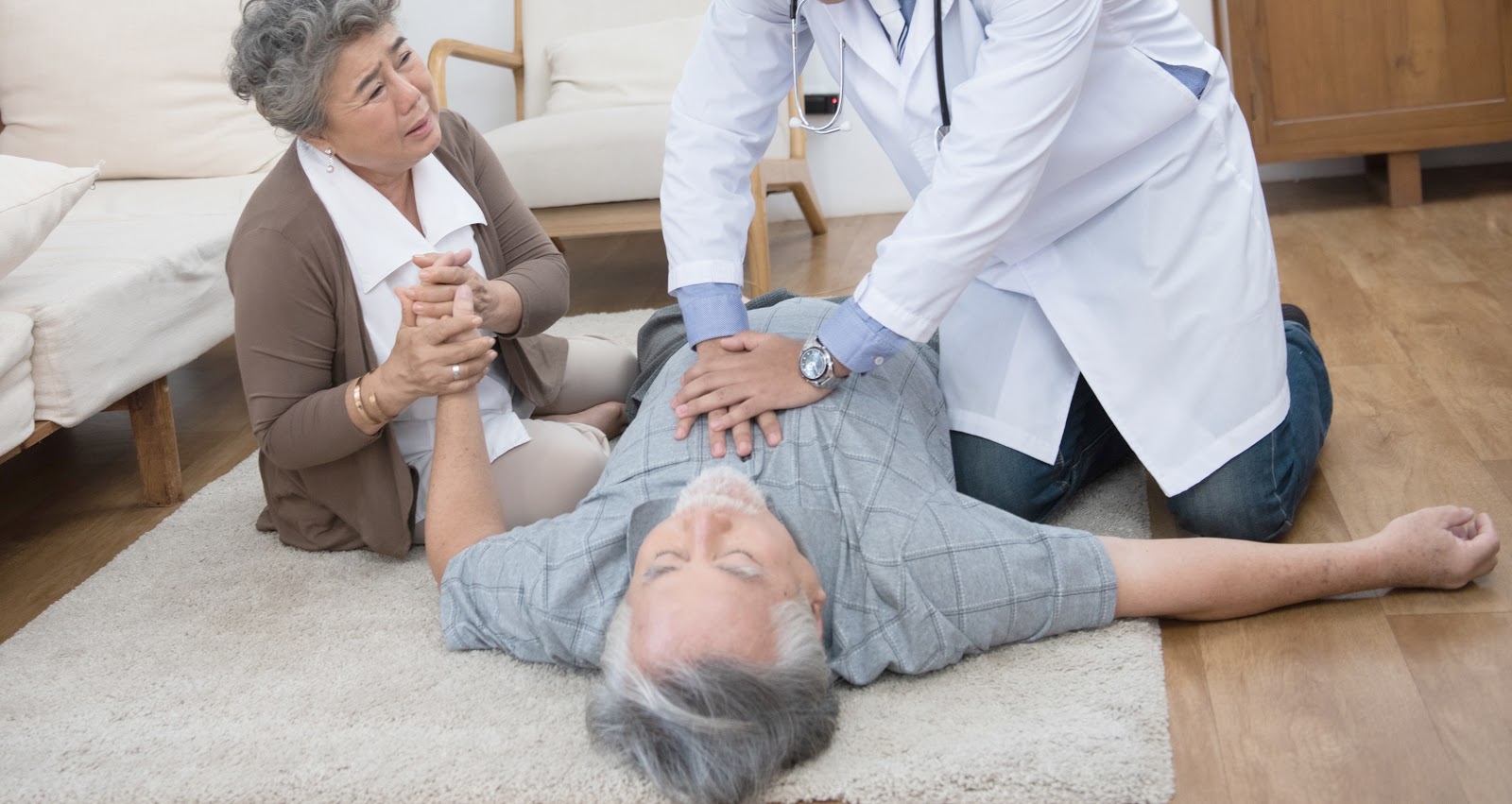
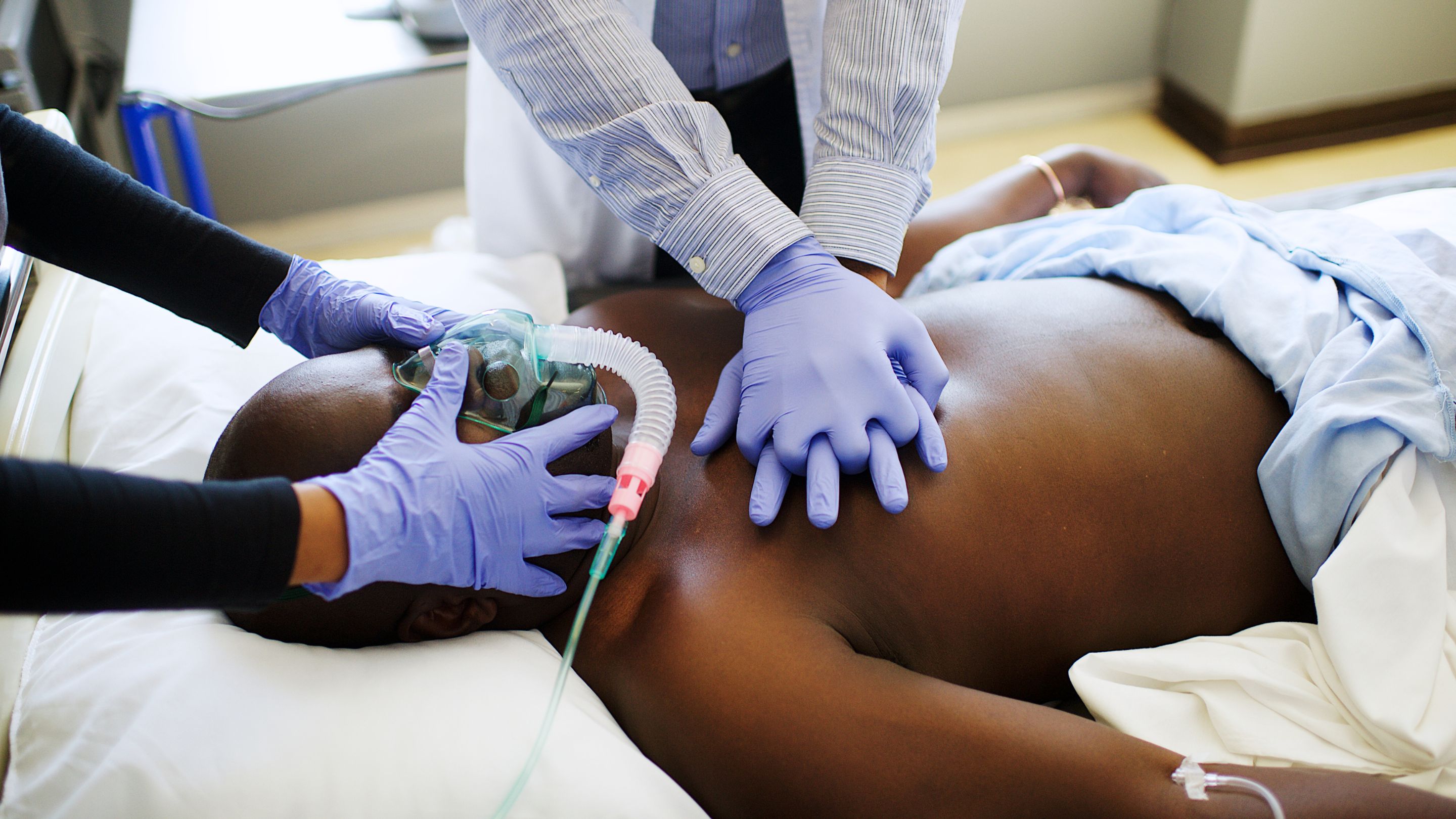
- Students should develop a differential diagnosis that is prioritized on potential life-threatening conditions and the likelihood of disease. Students should demonstrate a knowledge (or understanding) of basic diagnostic modalities and interpretation of results. Most importantly, students should cultivate an appreciation of risk stratification and pretest probabilities for selected conditions.
-
Students mustMark as done
This module focuses on core presentations and disease entities that are commonly encountered in the Emergency Department. As an emergency health care provider, you will often see undifferentiated patients, and it is important to develop an approach to common presenting complaints. By the end of this module, you should be able to take a focused history, perform a focused physical exam, develop a differential diagnosis for common complaints, and understand the initial investigations and management principles. You also should have an understanding of the basic pathophysiology of these diseases, and understand the workup and management of such cases.
Along with the specific learning objectives listed in each lesson, the following learning objectives should be met for each presentation:- Develop a differential diagnosis when evaluating an undifferentiated patient: prioritize the likelihood of diagnoses based on patient presentation and acuity, and list worst-case scenarios.
- Create a diagnostic plan based on differential diagnoses.
- Develop a management plan for the patient with both an undifferentiated complaint and specific disease processes.
Each student should be exposed to the specific disease entities of this module by either patient exposure or by simulation, reading, or web-based learning.
-
Learning objectives
- Identify cardiac arrest on ECG/monitor, describe its initial treatment, and list its most common causes.
- Discuss the role of adequate chest compressions.
- Interpret electrocardiogram findings and the initial management of acute coronary syndrome.
- Describe common symptoms, diagnostic tests, and ED management of abdominal aortic aneurysm.
- Describe the presentation, diagnostic tests, and management of acute coronary syndrome.
- Describe the pathophysiology, presentation, and ED management of acute heart failure.
- Describe the presentation, ED management, and diagnostic tests of aortic dissection.
- Describe the presentation, diagnostic procedures, and ED management of DVT/PE.
Click here to start this lesson-
Required Learning Resources and Activities
-
-
Quiz: Module 3: Lesson 1: Cardiac ArrestTo access the quiz, click on the name of the quiz provided above. On the following screen, click the "Preview quiz now" button to respond to the questions.
TO PASS THIS QUIZ YOU MUST OBTAIN A SCORE OF 5/6.Not available unless: The activity Quiz: Module 2: Lesson 7 is complete and passed -
-
-
Quiz: Module 3: Lesson 1: Chest Pain
To access the quiz, click on the name of the quiz provided above. On the following screen, click the "Preview quiz now" button to respond to the questions.
TO PASS THIS QUIZ YOU MUST OBTAIN A SCORE OF 3/4.
Not available unless: The activity Quiz: Module 3: Lesson 1: Cardiac Arrest is complete and passed -
Students mustViewStart discussions: 1
What are some of the most common differential diagnoses for cardiac arrest in your country or region?
-
-
Quiz: Module 3: Lesson 1: Abdominal Aortic Aneurysm
To access the quiz, click on the name of the quiz provided above. On the following screen, click the "Preview quiz now" button to respond to the questions.
TO PASS THIS QUIZ YOU MUST OBTAIN A SCORE OF 2/3.
Not available unless: The activity Quiz: Module 3: Lesson 1: Chest Pain is complete and passed -
Students mustViewStart discussions: 1
If you had a patient with AAA who had been safely discharged, what kind of changes to their diet or lifestyle would you advise them to make in order to attempt to minimize future risk?
-
-
Quiz: Module 3: Lesson 1: Acute Coronary SyndromesTo access the quiz, click on the name of the quiz provided above. On the following screen, click the "Preview quiz now" button to respond to the questions.
TO PASS THIS QUIZ YOU MUST OBTAIN A SCORE OF 2/3.Not available unless: The activity Quiz: Module 3: Lesson 1: Abdominal Aortic Aneurysm is ... ...Not available unless: The activity Quiz: Module 3: Lesson 1: Abdominal Aortic Aneurysm is complete and passed -
-
Quiz: Module 3: Lesson 1: Congestive Heart Failure
To access the quiz, click on the name of the quiz provided above. On the following screen, click the "Preview quiz now" button to respond to the questions.
TO PASS THIS QUIZ YOU MUST OBTAIN A SCORE OF 2/3.
Not available unless: The activity Quiz: Module 3: Lesson 1: Acute Coronary Syndromes is complete... ...Not available unless: The activity Quiz: Module 3: Lesson 1: Acute Coronary Syndromes is complete and passed -
Students mustViewStart discussions: 1
Why do you think congestive heart failure is so common in North America? Is it as common in the country/region where you live?
-
-
Quiz: Module 3: Lesson 1: Thoracic Aortic Dissection
To access the quiz, click on the name of the quiz provided above. On the following screen, click the "Preview quiz now" button to respond to the questions.
TO PASS THIS QUIZ YOU MUST OBTAIN A SCORE OF 2/3.
Not available unless: The activity Quiz: Module 3: Lesson 1: Congestive Heart Failure is complete... ...Not available unless: The activity Quiz: Module 3: Lesson 1: Congestive Heart Failure is complete and passed -
Students mustViewStart discussions: 1
Several methods of diagnostic testing for thoracic aortic dissection are described in the reading for this competency. Which methods of diagnostic testing do you have access to in your ED? Which ones do you use most often?
-
-
Quiz: Module 3: Lesson 1: Pulmonary Embolus
To access the quiz, click on the name of the quiz provided above. On the following screen, click the "Preview quiz now" button to respond to the questions.
TO PASS THIS QUIZ YOU MUST OBTAIN A SCORE OF 2/3.
Not available unless: The activity Quiz: Module 3: Lesson 1: Thoracic Aortic Dissection is ... ...Not available unless: The activity Quiz: Module 3: Lesson 1: Thoracic Aortic Dissection is complete and passed -
Students mustViewStart discussions: 1
What are some typical characteristics of patients diagnosed with a pulmonary embolus?
-
Additional Learning Options
- Identify cardiac arrest on ECG/monitor, describe its initial treatment, and list its most common causes.
-
Learning objectives
- Demonstrate the ability to identify a surgical abdomen.
- Discuss/explain the role of analgesia in patient management.
- Recognize hemodynamic instability and identify the probable source of bleeding.
- Understand the presentation, diagnostic tests, and ED management of appendicitis.
- Describe the presentation, diagnostic procedures, and ED management of common biliary diseases.
- Understand the pathophysiology, presentation, diagnostic tests, and ED management of bowel obstruction.
- Describe the presentation, causes, and ED management of massive GI bleeding.
- Describe the causes, presentation, diagnostic tests, and ED management of mesenteric ischemia.
- Describe the presentation, diagnostic tests, and ED management of a perforated viscus.
Click here to start this lesson-
Required Learning Resources and Activities
-
-
-
Quiz: Module 3: Lesson 2: Abdominal Pain
To access the quiz, click on the name of the quiz provided above. On the following screen, click the "Preview quiz now" button to respond to the questions.
TO PASS THIS QUIZ YOU MUST OBTAIN A SCORE OF 3/4.
Not available unless: The activity Quiz: Module 3: Lesson 1: Pulmonary Embolus is complete and ... ...Not available unless: The activity Quiz: Module 3: Lesson 1: Pulmonary Embolus is complete and passed -
Students mustViewStart discussions: 1
What are some of the most common sources of abdominal pain in your country or region?
-
-
Quiz: Module 3: Lesson 2: GI Bleed
To access the quiz, click on the name of the quiz provided above. On the following screen, click the "Preview quiz now" button to respond to the questions.
TO PASS THIS QUIZ YOU MUST OBTAIN A SCORE OF 2/3.
Not available unless: The activity Quiz: Module 3: Lesson 2: Abdominal Pain is complete and passed -
Students mustViewStart discussions: 1
What are some of the most rare causes of gastrointestinal bleeding in your country or region?
-
-
Quiz: Module 3: Lesson 2: Appendicitis
To access the quiz, click on the name of the quiz provided above. On the following screen, click the "Preview quiz now" button to respond to the questions.
TO PASS THIS QUIZ YOU MUST OBTAIN A SCORE OF 2/3.
Not available unless: The activity Quiz: Module 3: Lesson 2: GI Bleed is complete and passed -
Students mustViewStart discussions: 1
If a woman presented to the ED with symptoms of appendicitis, how would you approach their case differently, compared to a male presenting with symptoms of appendicitis?
-
-
Quiz: Module 3: Lesson 2: Biliary Disease
To access the quiz, click on the name of the quiz provided above. On the following screen, click the "Preview quiz now" button to respond to the questions.
TO PASS THIS QUIZ YOU MUST OBTAIN A SCORE OF 2/3.
Not available unless: The activity Quiz: Module 3: Lesson 2: Appendicitis is complete and passed -
Students mustViewStart discussions: 1
Which tools of diagnostic testing for biliary disease do you have access to in your ED? Which ones do you use most often?
-
-
Quiz: Module 3: Lesson 2: Small Bowel Obstruction
To access the quiz, click on the name of the quiz provided above. On the following screen, click the "Preview quiz now" button to respond to the questions.
TO PASS THIS QUIZ YOU MUST OBTAIN A SCORE OF 2/3.
Not available unless: The activity Quiz: Module 3: Lesson 2: Biliary Disease is complete and passed -
Students mustViewStart discussions: 1
Explain briefly why strangulation is the most lethal complication of small bowel obstruction.
-
-
Quiz: Module 3: Lesson 2: Massive Gastrointestinal Bleeding
To access the quiz, click on the name of the quiz provided above. On the following screen, click the "Preview quiz now" button to respond to the questions.
TO PASS THIS QUIZ YOU MUST OBTAIN A SCORE OF 2/3.
Not available unless: The activity Quiz: Module 3: Lesson 2: Small Bowel Obstruction is complete ... ...Not available unless: The activity Quiz: Module 3: Lesson 2: Small Bowel Obstruction is complete and passed -
Students mustViewStart discussions: 1
Is any one cause of massive gastrointestinal bleeding more common than the others in your country/region? If so, what population tends to be most affected by this?
-
-
Quiz: Module 3: Lesson 2: Mesenteric Ischemia
To access the quiz, click on the name of the quiz provided above. On the following screen, click the "Preview quiz now" button to respond to the questions.
TO PASS THIS QUIZ YOU MUST OBTAIN A SCORE OF 2/3.
Not available unless: The activity Quiz: Module 3: Lesson 2: Massive Gastrointestinal Bleeding is... ...Not available unless: The activity Quiz: Module 3: Lesson 2: Massive Gastrointestinal Bleeding is complete and passed -
Students mustViewStart discussions: 1
Imagine you had to describe mesenteric ischemia to someone with no medical knowledge. How would you explain this disease in simple terms?
-
-
Quiz: Module 3: Lesson 2: Perforated Viscus
To access the quiz, click on the name of the quiz provided above. On the following screen, click the "Preview quiz now" button to respond to the questions.
TO PASS THIS QUIZ YOU MUST OBTAIN A SCORE OF 2/3.
Not available unless: The activity Quiz: Module 3: Lesson 2: Mesenteric Ischemia is complete and ... ...Not available unless: The activity Quiz: Module 3: Lesson 2: Mesenteric Ischemia is complete and passed -
Students mustViewStart discussions: 1
Describe why cases of perforated viscus have a mortality rate of 30-50%, even with appropriate surgical and post-surgical care.
-
Additional Learning Options
- Demonstrate the ability to identify a surgical abdomen.
-
Learning objectives
- Describe common toxidromes and commonly available antidotes or treatments.
- Understand the pathophysiology of burns.
- Describe the initial assessment, classification, and ED management principles for burns.
- Describe the presentation and potential complications of inhalation injuries.
- Describe the presentation and ED management for envenomations.
- Understand the indications for antivenom.
- Describe the presentation and differences in diagnosis and ED management of classic and exertional heatstroke.
- Understand the difference between hypothermia, frostbite, and trench foot.
- Describe the clinical and ECG findings associated with hypothermia, and its ED management.
- Describe the presentation and ED management of a drowning incident.
- Understand investigations that may be used in drowning incidents.
Click here to start this lesson-
Required Learning Resources and Activities
-
-
Quiz: Module 3: Lesson 3: Poisonings
To access the quiz, click on the name of the quiz provided above. On the following screen, click the "Preview quiz now" button to respond to the questions.
TO PASS THIS QUIZ YOU MUST OBTAIN A SCORE OF 2/3.
Not available unless: The activity Quiz: Module 3: Lesson 2: Perforated Viscus is complete and ... ...Not available unless: The activity Quiz: Module 3: Lesson 2: Perforated Viscus is complete and passed -
Students mustViewStart discussions: 1
Think about the cases of poisonings you have seen in the ED. Are the majority of them intentional or accidental poisonings? Does your answer surprise you in any way?
-
-
Quiz: Module 3: Lesson 3: Burns and Smoke Inhalation
To access the quiz, click on the name of the quiz provided above. On the following screen, click the "Preview quiz now" button to respond to the questions.
TO PASS THIS QUIZ YOU MUST OBTAIN A SCORE OF 3/4.
Not available unless: The activity Quiz: Module 3: Lesson 3: Poisonings is complete and passed -
Students mustViewStart discussions: 1
What are some of the most difficult or challenging aspects about treating patients for burns and/or smoke inhalation?
-
-
Quiz: Module 3: Lesson 3: Envenomation
To access the quiz, click on the name of the quiz provided above. On the following screen, click the "Preview quiz now" button to respond to the questions.
TO PASS THIS QUIZ YOU MUST OBTAIN A SCORE OF 2/3.
Not available unless: The activity Quiz: Module 3: Lesson 3: Burns and Smoke Inhalation is ... ...Not available unless: The activity Quiz: Module 3: Lesson 3: Burns and Smoke Inhalation is complete and passed -
Students mustViewStart discussions: 1
How often do patients present to your ED with envenomation? What are the most typical causes of envenomation in your country/region?
-
-
Quiz: Module 3: Lesson 3: Heat Related Illnes
To access the quiz, click on the name of the quiz provided above. On the following screen, click the "Preview quiz now" button to respond to the questions.
TO PASS THIS QUIZ YOU MUST OBTAIN A SCORE OF 2/3.
Not available unless: The activity Quiz: Module 3: Lesson 3: Envenomation is complete and passed -
Students mustViewStart discussions: 1
In simple terms, describe the differences between classic heatstroke and exertional heatstroke. Which is more common in your country/region?
-
-
Quiz: Module 3: Lesson 3: Hypothermia
To access the quiz, click on the name of the quiz provided above. On the following screen, click the "Preview quiz now" button to respond to the questions.
TO PASS THIS QUIZ YOU MUST OBTAIN A SCORE OF 2/3.
Not available unless: The activity Quiz: Module 3: Lesson 3: Heat Related Illnes is complete and ... ...Not available unless: The activity Quiz: Module 3: Lesson 3: Heat Related Illnes is complete and passed -
Students mustViewStart discussions: 1
Outline the reasons why shivering is present in patients with mild hypothermia, but not in patients with moderate or severe hypothermia.
-
-
Quiz: Module 3: Lesson 3: Drownin
To access the quiz, click on the name of the quiz provided above. On the following screen, click the "Preview quiz now" button to respond to the questions.
TO PASS THIS QUIZ YOU MUST OBTAIN A SCORE OF 2/3.
Not available unless: The activity Quiz: Module 3: Lesson 3: Hypothermia is complete and passed -
Students mustViewStart discussions: 1
Give an example of secondary drowning. If you describe a case you have actually witnessed, do not use any identifying information about the patient or the case.
- Describe common toxidromes and commonly available antidotes or treatments.
-
Learning objectives
- Recognize the breadth of the differential for altered mental status.
- List emergent causes for altered mental status.
- Describe the initial assessment and management options for an agitated patient.
- Describe the risk factors, psychiatric evaluation, and ED management of patients with suicidal ideation.
Click here to start this lesson-
Required Learning Resources and Activities
-
-
Quiz: Module 3: Lesson 4: Altered Mental Status
To access the quiz, click on the name of the quiz provided above. On the following screen, click the "Preview quiz now" button to respond to the questions.
TO PASS THIS QUIZ YOU MUST OBTAIN A SCORE OF 2/3.
Not available unless: The activity Quiz: Module 3: Lesson 3: Drownin is complete and passed -
Students mustViewStart discussions: 1
Discuss some of your preferred methods of gathering information about a patient presenting to the ED with altered mental status.
-
-
Quiz: Module 3: Lesson 4: The Agitated Patient
To access the quiz, click on the name of the quiz provided above. On the following screen, click the "Preview quiz now" button to respond to the questions.
TO PASS THIS QUIZ YOU MUST OBTAIN A SCORE OF 2/3.
Not available unless: The activity Quiz: Module 3: Lesson 4: Altered Mental Status is complete ... ...Not available unless: The activity Quiz: Module 3: Lesson 4: Altered Mental Status is complete and passed -
Students mustViewStart discussions: 1
Have you ever encountered a patient in the ED who made you fear for your safety? How did you handle the situation? Do not use any identifying information.
-
-
Quiz: Module 3: Lesson 4: Suicidal Patient
To access the quiz, click on the name of the quiz provided above. On the following screen, click the "Preview quiz now" button to respond to the questions.
TO PASS THIS QUIZ YOU MUST OBTAIN A SCORE OF 2/3.
Not available unless: The activity Quiz: Module 3: Lesson 4: The Agitated Patient is complete and... ...Not available unless: The activity Quiz: Module 3: Lesson 4: The Agitated Patient is complete and passed -
Students mustViewStart discussions: 1
What are the most challenging aspects of evaluating and treating a suicidal patient?
-
Additional Learning Options
-
Students mustViewComplete the activityReceive a gradeTo access the quiz, click on the name of the quiz provided above. On the following screen, click the attempt quiz button to respond to the questions.
- Recognize the breadth of the differential for altered mental status.
-
Learning Objectives:
- Recognize emergent causes and identify diagnostic modalities and management.
Click here to start this lesson-
Required Learning Resources and Activities
-
-
-
Quiz: Module 3: Lesson 5: Headache
To access the quiz, click on the name of the quiz provided above. On the following screen, click the "Preview quiz now" button to respond to the questions.
TO PASS THIS QUIZ YOU MUST OBTAIN A SCORE OF 2/3.
Not available unless: The activity Quiz: Module 3: Lesson 4: Suicidal Patient is complete and passed -
Students mustViewStart discussions: 1
What are some of the most severe symptoms you have seen in a patient presenting with headache? Make sure not to use any identifying details.
-
Learning objectives
- Describe life-threatening causes, clinical manifestations, and the role of arterial blood gas in respiratory distress.
- Understand the presentation, diagnostic tests, and ED management for an acute asthma exacerbation.
- Describe the presentation and ED management of a COPD exacerbation.
- Understand the use of non-invasive positive pressure ventilation and intubation in severe COPD exacerbation.
- Describe the presentation, microbiology, diagnostic tests, and ED management of pneumonia.
- Describe the presentation, imaging tests, and ED management of pneumothorax.
Click here to start this lesson-
Required Learning Resources and Activities
-
-
Quiz: Module 3: Lesson 6: Respiratory DistressTo access the quiz, click on the name of the quiz provided above. On the following screen, click the attempt quiz button to respond to the questions.
TO PASS THIS QUIZ YOU MUST OBTAIN A SCORE OF 2/3.Not available unless: The activity Quiz: Module 3: Lesson 5: Headache is complete and passed -
Students mustViewStart discussions: 1
What is the average age of patients presenting with respiratory distress in your ED? What are some reasons that might explain this average age?
-
-
Quiz: Module 3: Lesson 6: AsthmaTo access the quiz, click on the name of the quiz provided above. On the following screen, click the "Preview quiz now" button to respond to the questions.
TO PASS THIS QUIZ YOU MUST OBTAIN A SCORE OF 2/3.Not available unless: The activity Quiz: Module 3: Lesson 6: Respiratory Distress is complete ... ...Not available unless: The activity Quiz: Module 3: Lesson 6: Respiratory Distress is complete and passed -
Students mustViewStart discussions: 1
How would you explain asthma in simple terms to the parent of a newly-diagnosed child? What kind of questions do you think they might have about asthma?
-
-
Quiz: Module 3: Lesson 6: COPD
To access the quiz, click on the name of the quiz provided above. On the following screen, click the "Preview quiz now" button to respond to the questions.
TO PASS THIS QUIZ YOU MUST OBTAIN A SCORE OF 2/3.
Not available unless: The activity Quiz: Module 3: Lesson 6: Asthma is complete and passed -
Students mustViewStart discussions: 1
The vast majority of COPD cases are due to smoking. Comment on the ethical debate about treating a patient suffering from COPD who continues to smoke.
-
-
Quiz: Module 3: Lesson 6: Pneumonia
To access the quiz, click on the name of the quiz provided above. On the following screen, click the "Preview quiz now" button to respond to the questions.
TO PASS THIS QUIZ YOU MUST OBTAIN A SCORE OF 2/3.
Not available unless: The activity Quiz: Module 3: Lesson 6: COPD is complete and passed -
Students mustViewStart discussions: 1
What should you do differently when treating an immune-compromised patient for pneumonia?
-
-
Quiz: Module 3: Lesson 6: Pneumothorax
To access the quiz, click on the name of the quiz provided above. On the following screen, click the "Preview quiz now" button to respond to the questions.
TO PASS THIS QUIZ YOU MUST OBTAIN A SCORE OF 2/3.
Not available unless: The activity Quiz: Module 3: Lesson 6: Pneumonia is complete and passed -
Students mustViewStart discussions: 1
What are some of the greatest dangers related to mis-diagnosing a pneumothorax or leaving it untreated?
-
Additional Learning Options
- Describe life-threatening causes, clinical manifestations, and the role of arterial blood gas in respiratory distress.
-
Learning objectives
- Describe the causes(classifications) and clinical manifestations of shock.
- Describe the initial evaluation of a trauma patient (primary and secondary survey).
- Promote injury control and prevention.
- Describe the screening for intimate partner violence.
- Describe the spectrum of sepsis syndromes and the use of Early Goal Directed Therapy in treating sepsis.
Click here to start this lesson-
Required Learning Resources and Activities
-
-
Quiz: Module 3: Lesson 7: Shock
To access the quiz, click on the name of the quiz provided above. On the following screen, click the "Preview quiz now" button to respond to the questions.
TO PASS THIS QUIZ YOU MUST OBTAIN A SCORE OF 2/3.
Not available unless: The activity Quiz: Module 3: Lesson 6: Pneumothorax is complete and passed -
Students mustViewStart discussions: 1
Describe the most typical treatments for hypovolemic shock in your country/region.
-
-
-
Quiz: Module 3: Lesson 7: Trauma
To access the quiz, click on the name of the quiz provided above. On the following screen, click the "Preview quiz now" button to respond to the questions.
TO PASS THIS QUIZ YOU MUST OBTAIN A SCORE OF 2/3.
Not available unless: The activity Quiz: Module 3: Lesson 7: Shock is complete and passed -
Students mustViewStart discussions: 1
How are you affected emotionally when you are exposed to a trauma patient in the ED?
-
-
Quiz: Module 3: Lesson 7: Sepsis
To access the quiz, click on the name of the quiz provided above. On the following screen, click the "Preview quiz now" button to respond to the questions.
TO PASS THIS QUIZ YOU MUST OBTAIN A SCORE OF 2/3.
Not available unless: The activity Quiz: Module 3: Lesson 7: Trauma is complete and passed -
Students mustViewStart discussions: 1
What is the most typical presentation of sepsis in your ED?
-
Additional Learning Options
- Describe the causes(classifications) and clinical manifestations of shock.
-
Learning objectives
- Describe the classic presentation, ED investigations, and ED management of diabetic ketoacidosis and hyperosmolar hyperglycemic state.
- Describe the presentation, ECG changes, and ED management of hyperkalemia.
- Describe the presentation and ED management of hypoglycemia.
- Understand the pathophysiology, presentation, diagnostic tests, and ED management of thyroid storm.
Click here to start this lesson-
Required Learning Resources and Activities
-
-
Quiz: Module 3: Lesson 8: Hyperglycemia
To access the quiz, click on the name of the quiz provided above. On the following screen, click the "Preview quiz now" button to respond to the questions.
TO PASS THIS QUIZ YOU MUST OBTAIN A SCORE OF 2/3.
Not available unless: The activity Quiz: Module 3: Lesson 7: Sepsis is complete and passed -
Students mustViewStart discussions: 1
What are some co-existing illnesses that may precipitate diabetic ketoacidosis or hyperosmolar hyperglycemic state? How common are these illnesses in your country/region, and what populations do they typically affect?
-
-
Quiz: Module 3: Lesson 8: Hyperkalemia
To access the quiz, click on the name of the quiz provided above. On the following screen, click the "Preview quiz now" button to respond to the questions.
TO PASS THIS QUIZ YOU MUST OBTAIN A SCORE OF 2/3.
Not available unless: The activity Quiz: Module 3: Lesson 8: Hyperglycemia is complete and passed -
Students mustViewStart discussions: 1
What are some of the most common differential diagnoses of hyperkalemia in your country/region?
-
-
Quiz: Module 3: Lesson 8: Hypoglycemia
To access the quiz, click on the name of the quiz provided above. On the following screen, click the "Preview quiz now" button to respond to the questions.
TO PASS THIS QUIZ YOU MUST OBTAIN A SCORE OF 2/3.
Not available unless: The activity Quiz: Module 3: Lesson 8: Hyperkalemia is complete and passed -
Students mustViewStart discussions: 1
Describe why it is important to consider hypoglycemia in a patient presenting to the ED with altered mental status, and how the patient could be affected.
-
-
Quiz: Module 3: Lesson 8: Thyroid Storm
To access the quiz, click on the name of the quiz provided above. On the following screen, click the "Preview quiz now" button to respond to the questions.
TO PASS THIS QUIZ YOU MUST OBTAIN A SCORE OF 2/3.
Not available unless: The activity Quiz: Module 3: Lesson 8: Hypoglycemia is complete and passed -
Students mustViewStart discussions: 1
Thyroid storm is a rare condition. If you have encountered this disease in your practice, describe (without using any identifying information) the patient's condition when they first presented to the ED, and how you diagnosed and treated the disease.
-
Learning objectives
- Describe the risk factors, diagnostic tests, and management options for ectopic pregnancy.
- Describe the risk factors, presentation, complications, diagnostic tests, and ED management of pelvic inflammatory disease/tubo-ovarian abscess.
- Describe the presentation, diagnostic tests, and ED management of ovarian torsion.
- Describe the presentation and initial ED management of testicular torsion.
Click here to start this lesson-
Required Learning Resources and Activities
-
-
Quiz: Module 3: Lesson 9: Ectopic Pregnancy
To access the quiz, click on the name of the quiz provided above. On the following screen, click the "Preview quiz now" button to respond to the questions.
TO PASS THIS QUIZ YOU MUST OBTAIN A SCORE OF 2/3.
Not available unless: The activity Quiz: Module 3: Lesson 8: Thyroid Storm is complete and passed -
Students mustViewStart discussions: 1
Explore the reasons why smoking is a risk factor for ectopic pregnancy.
-
-
Quiz: Module 3: Lesson 9: Pelvic Inflammatory Disease and Tubo-ovarian Abscess
To access the quiz, click on the name of the quiz provided above. On the following screen, click the "Preview quiz now" button to respond to the questions.
TO PASS THIS QUIZ YOU MUST OBTAIN A SCORE OF 2/3.
Not available unless: The activity Quiz: Module 3: Lesson 9: Ectopic Pregnancy is complete and ... ...Not available unless: The activity Quiz: Module 3: Lesson 9: Ectopic Pregnancy is complete and passed -
Students mustViewStart discussions: 1
Are there any cultural issues in your country/region surrounding male doctors treating female patients for gynecologic diseases like PID and TOA?
-
-
Quiz: Module 3: Lesson 9: Ovarian Torsion
To access the quiz, click on the name of the quiz provided above. On the following screen, click the "Preview quiz now" button to respond to the questions.
TO PASS THIS QUIZ YOU MUST OBTAIN A SCORE OF 2/3.
Not available unless: The activity Quiz: Module 3: Lesson 9: Pelvic Inflammatory Disease and ... ...Not available unless: The activity Quiz: Module 3: Lesson 9: Pelvic Inflammatory Disease and Tubo-ovarian Abscess is complete and passed -
Students mustViewStart discussions: 1
What is the most difficult or challenging aspect of diagnosing ovarian torsion in the ED?
-
-
Quiz: Module 3: Lesson 9: Testicular Torsion
To access the quiz, click on the name of the quiz provided above. On the following screen, click the "Preview quiz now" button to respond to the questions.
TO PASS THIS QUIZ YOU MUST OBTAIN A SCORE OF 2/3.
Not available unless: The activity Quiz: Module 3: Lesson 9: Ovarian Torsion is complete and passed -
Students mustViewStart discussions: 1
Explain why different age groups are differently affected by testicular torsion, torsion of testicular appendage, and epididymitis.
-
Additional Learning Options
-
Learning objectives
- Describe the clinical presentation, initial ED investigations, and ED management of acute ischemic stroke.
- Describe the indications and contraindications for the use of thrombolytic therapy.
- Describe the presentation and diagnostic tests for intracranial hemorrhage.
- Understand the differences between types of intracranial hemorrhage and the interpretation of lumbar puncture in its diagnosis.
- Describe the presentation, diagnostic tests, and ED management of meningitis and encephalitis.
- Describe the work-up and management of first time and recurrent seizures.
- Understand the definition and ED management of status epilepticus.
Click here to start this lesson-
Required Learning Resources and Activities
-
-
Quiz: Module 3: Lesson 10: Ischemic Stroke
To access the quiz, click on the name of the quiz provided above. On the following screen, click the "Preview quiz now" button to respond to the questions.
TO PASS THIS QUIZ YOU MUST OBTAIN A SCORE OF 2/3.
Not available unless: The activity Quiz: Module 3: Lesson 9: Testicular Torsion is complete and ... ...Not available unless: The activity Quiz: Module 3: Lesson 9: Testicular Torsion is complete and passed -
Students mustViewStart discussions: 1
Outline some reasons why it is so important to meet the time limit of three hours between symptom onset and delivery of thrombolytics. What could happen to the patient after this time limit?
-
-
Quiz: Module 3: Lesson 10: Intracranial Hemorrhage
To access the quiz, click on the name of the quiz provided above. On the following screen, click the "Preview quiz now" button to respond to the questions.
TO PASS THIS QUIZ YOU MUST OBTAIN A SCORE OF 2/3.
Not available unless: The activity Quiz: Module 3: Lesson 10: Ischemic Stroke is complete and passed -
Students mustViewStart discussions: 1
Imagine that two parents bring their infant to your ED with symptoms of subdural hematoma. Upon examination, you suspect that this is due to physical abuse ('Shaken Baby Syndrome').
Who would you need to inform of this situation (e.g., your supervisor, a social worker, etc.)?
-
-
Quiz: Module 3: Lesson 10: Meningitis & Encephalitis
To access the quiz, click on the name of the quiz provided above. On the following screen, click the "Preview quiz now" button to respond to the questions.
TO PASS THIS QUIZ YOU MUST OBTAIN A SCORE OF 2/3.
Not available unless: The activity Quiz: Module 3: Lesson 10: Intracranial Hemorrhage is complete... ...Not available unless: The activity Quiz: Module 3: Lesson 10: Intracranial Hemorrhage is complete and passed -
Students mustViewStart discussions: 1
What is the mortality rate of bacterial meningitis in your country/region?
-
-
Quiz: Module 3: Lesson 10: Seizure & Status Epilepticus
To access the quiz, click on the name of the quiz provided above. On the following screen, click the "Preview quiz now" button to respond to the questions.
TO PASS THIS QUIZ YOU MUST OBTAIN A SCORE OF 2/3.
Not available unless: The activity Quiz: Module 3: Lesson 10: Meningitis & Encephalitis is ... ...Not available unless: The activity Quiz: Module 3: Lesson 10: Meningitis & Encephalitis is complete and passed -
Students mustViewStart discussions: 1
Imagine that a patient has been treated for recurring seizures in your ED, and you have determined that medication non-compliance is the primary factor behind the patient's seizure. What could you do in order to increase the patient's medication compliance, both immediately and in the long-term?
- Describe the clinical presentation, initial ED investigations, and ED management of acute ischemic stroke.
-
Competencies covered in this module:
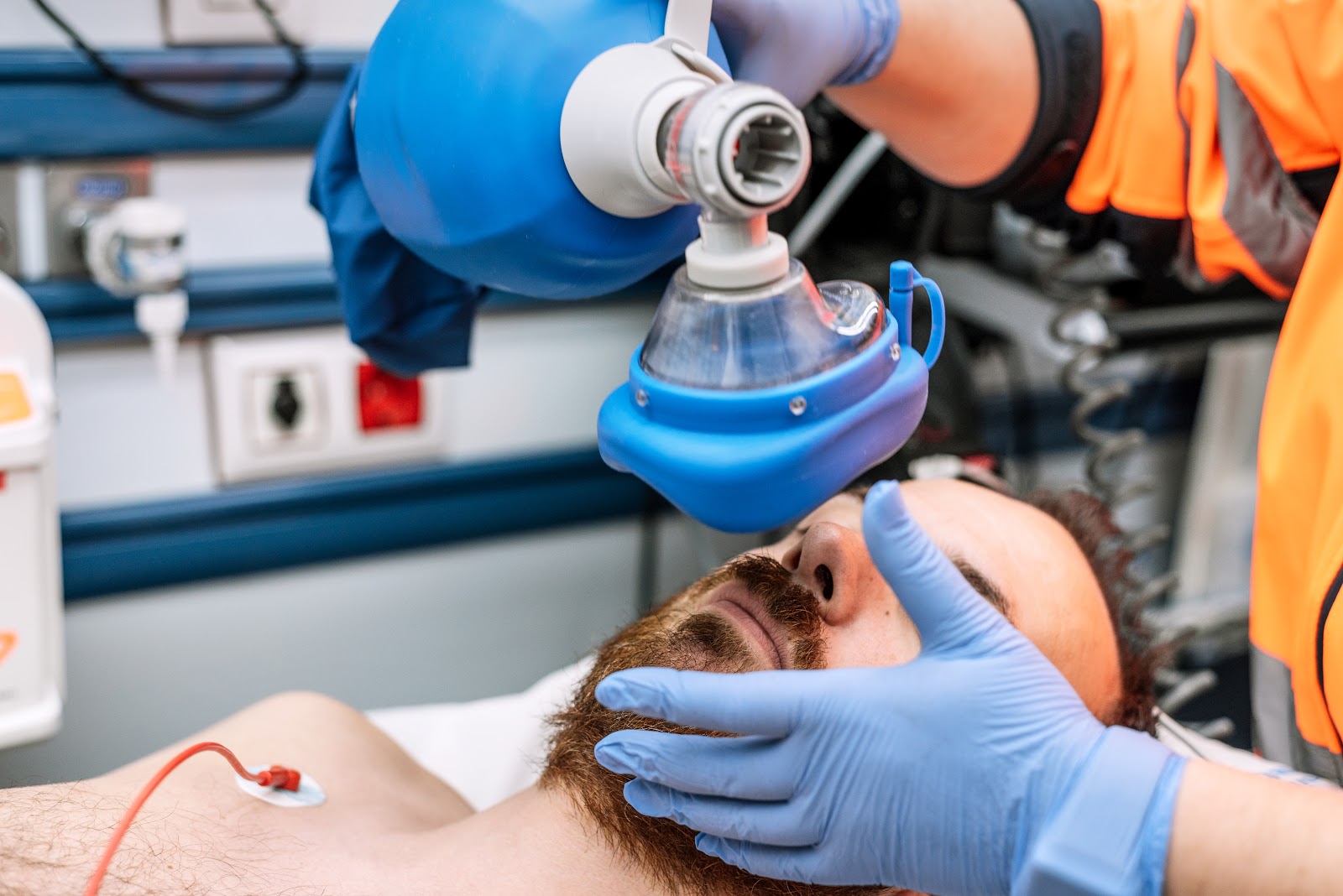
- Perform the procedures listed in the Data supplement S2 of the Emergency Medicine Clerkship Curriculum. In addition to proper technique, the focus should be given to recognizing the indications, contraindications, and complications associated with each. The student should be able to discuss aftercare and reasons to return for further evaluation with the patient.
Click here for the brief module introduction-
Students mustMark as done
Emergency medicine is a very hands-on specialty and practitioners must be competent in a variety of procedures. As a medical student, you are not expected to be able to perform all of these procedures, but should be familiar with the indications and understand how each procedure is performed. The material here will guide you through common procedures, but you should gain as much hands-on experience as possible with your supervisor.
-
Learning objectives
- Demonstrate placement of an intravenous line.
- Demonstrate basic phlebotomy technique.
- List the indications for an intraosseous line.
- Describe intraosseous insertion technique.
- List the indications and complications of a central line.
- List the steps for the Seldinger technique.
- Describe relative advantages and disadvantages of different kinds of lines.
Click here to start this lesson-
Required Learning Resources and Activities
-
-
Students mustMark as done
-
Students mustViewMake a submissionReceive a grade
Ask your supervisor to review the materials related to the insertion of an intravenous catheter along with any institutional specific policies and procedures with you and guide you in the practice of establishing intravenous access.
Click on the submit button and write one sentence that indicates you have performed this activity. If for some reason you cannot perform the activity, please indicate that and the reason why you were unable to perform the activity. Your mentor will grade your activity pass/fail. -
Quiz: Module 4: Lesson 1: IV Access
To access the quiz, click on the name of the quiz provided above. On the following screen, click the attempt quiz button to respond to the questions.
TO PASS THIS QUIZ YOU MUST OBTAIN A SCORE OF 1/1.
Not available unless: The activity Quiz: Module 3: Lesson 10: Seizure & Status Epilepticus is ... ...Not available unless: The activity Quiz: Module 3: Lesson 10: Seizure & Status Epilepticus is complete and passed -
Students mustViewStart discussions: 1
Have you ever had a patient become frustrated with an unsuccessful attempt to insert an IV? Describe this experience. Do not use any identifying information.
-
Students mustMark as done
Review only the sections regarding intraosseous access.
-
Students mustMark as done
-
Students mustMark as done
-
Quiz: Module 4: Lesson 1: Intraosseous Access
To access the quiz, click on the name of the quiz provided above. On the following screen, click the attempt quiz button to respond to the questions.
TO PASS THIS QUIZ YOU MUST OBTAIN A SCORE OF 2/3.
Not available unless: The activity Quiz: Module 4: Lesson 1: IV Access is complete and passed -
-
-
Quiz: Module 4: Lesson 1: Central Line Insertion
To access the quiz, click on the name of the quiz provided above. On the following screen, click the attempt quiz button to respond to the questions.
TO PASS THIS QUIZ YOU MUST OBTAIN A SCORE OF 2/2.
Not available unless: The activity Quiz: Module 4: Lesson 1: Intraosseous Access is complete and ... ...Not available unless: The activity Quiz: Module 4: Lesson 1: Intraosseous Access is complete and passed -
Students mustViewMake a submissionReceive a grade
Ask your supervisor to review the materials related to the insertion of a central venous catheter along with any institutional specific policies and procedures with you and guide you in the practice of the insertion of a central venous line.
Click on the submit button and write one sentence that indicates you have performed this activity. If for some reason you cannot perform the activity, please indicate that and the reason why you were unable to perform the activity. Your mentor will grade your activity on a pass/fail basis.
-
Students mustViewStart discussions: 1
If you had to give three pieces of advice to a student about central line insertion, what would you say?
- Demonstrate placement of an intravenous line.
-
Learning objectives
- List the indications for emergency airway management.
- Demonstrate effective ventilation.
- List the factors that can make BVM difficult or impossible.
- Describe the roles and indications for various airway adjuncts.
- Demonstrate correct placement of a nasal and oral pharyngeal airway.
- List the indications for endotracheal intubation.
- List the steps in orotracheal intubation.
- Describe possible complications of intubation.
- Describe situations when rescue techniques may be used in a failed airway.
Click here to start this lesson-
Required Learning Resources and Activities
-
-
Quiz: Module 4: Lesson 2: Airway Establishment and Control
To access the quiz, click on the name of the quiz provided above. On the following screen, click the attempt quiz button to respond to the questions.
TO PASS THIS QUIZ YOU MUST OBTAIN A SCORE OF 1/1.
Not available unless: The activity Quiz: Module 4: Lesson 1: Central Line Insertion is complete ... ...Not available unless: The activity Quiz: Module 4: Lesson 1: Central Line Insertion is complete and passed -
Students mustViewStart discussions: 1
What are three key pieces of advice that you wish the general public would know about the Heimlich maneuver?
-
-
Quiz: Module 4: Lesson 2: Basic Airway Management
To access the quiz, click on the name of the quiz provided above. On the following screen, click the attempt quiz button to respond to the questions.
TO PASS THIS QUIZ YOU MUST OBTAIN A SCORE OF1/1.
Not available unless: The activity Quiz: Module 4: Lesson 2: Airway Establishment and Control is ... ...Not available unless: The activity Quiz: Module 4: Lesson 2: Airway Establishment and Control is complete and passed -
Students mustViewStart discussions: 1
Name three possible negative consequences the patient may face if airway management fails to precede all other treatments.
-
Students mustViewMake a submissionReceive a grade
Ask your supervisor to review the institutional specific policies and procedures for bag-mask ventilation with you along with the proper positioning of the patient. Ask him/ her to guide you in the practice of ventilating a patient using this method and practice this skill until you are comfortable.
Click on the submit button and write one sentence that indicates you have performed this activity. If for some reason you cannot perform the activity, please indicate that and the reason why you were unable to perform the activity. Your mentor will grade your activity on a pass/fail basis.
-
-
-
-
Quiz: Module 4: Lesson 2: Airway Management
To access the quiz, click on the name of the quiz provided above. On the following screen, click the attempt quiz button to respond to the questions.
TO PASS THIS QUIZ YOU MUST OBTAIN A SCORE OF 2/3.
Not available unless: The activity Quiz: Module 4: Lesson 2: Basic Airway Management is complete ... ...Not available unless: The activity Quiz: Module 4: Lesson 2: Basic Airway Management is complete and passed -
Students mustMark as done
Ask your supervisor to review the materials related to the insertion of airway adjuncts along with any institutional specific policies and procedures with you and guide you in the practice of the insertion of airway adjuncts.
Click on the submit button and write one sentence that indicates you have performed this activity. If for some reason you cannot perform the activity, please indicate that and the reason why you were unable to perform the activity. Your mentor will grade your activity on a pass/fail basis.
-
-
Quiz: Module 4: Lesson 2: Advanced Airway Management
To access the quiz, click on the name of the quiz provided above. On the following screen, click the attempt quiz button to respond to the questions.
TO PASS THIS QUIZ YOU MUST OBTAIN A SCORE OF 2/3.
Not available unless: The activity Quiz: Module 4: Lesson 2: Airway Management is complete and ... ...Not available unless: The activity Quiz: Module 4: Lesson 2: Airway Management is complete and passed -
Students mustViewStart discussions: 1
Describe the correct head and neck position for airway management, and why this position is important.
- List the indications for emergency airway management.
-
Learning objectives
- Correctly place the patient on a cardiac monitor.
- Demonstrate the ability to apply leads and obtain a 12-lead electrocardiogram.
- Demonstrate appropriate use of an AED.
- Recognize ventricular fibrillation and pulseless ventricular tachycardia.
- Demonstrate appropriate use of a defibrillator.
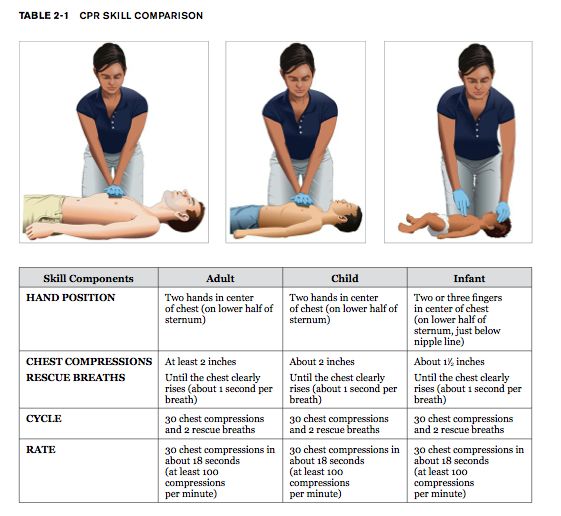
- Demonstrate effective chest compressions.
Click here to start this lesson-
Required Learning Resources and Activities
-
-
-
Students mustView
Go through this entire module
-
Quiz: Module 4: Lesson 3: Cardiac Monitoring
To access the quiz, click on the name of the quiz provided above. On the following screen, click the attempt quiz button to respond to the questions.
TO PASS THIS QUIZ YOU MUST OBTAIN A SCORE OF 3/4.
Not available unless: The activity Quiz: Module 4: Lesson 2: Advanced Airway Management is ... ...Not available unless: The activity Quiz: Module 4: Lesson 2: Advanced Airway Management is complete and passed -
Students mustMark as done
Ask your supervisor review and demonstrate the application of a 12 lead cardiac monitor to obtain an EKG with you, including institutional policy and procedure. Ask him/ her to guide you in the application of the monitor.
Click on the submit button and write one sentence that indicates you have performed this activity. If for some reason you cannot perform the activity, please indicate that and the reason why you were unable to perform the activity. Your mentor will grade your activity on a pass/fail basis.
-
Students mustViewStart discussions: 1
Describe two ways in which supraventricular tachycardia can be distinguished from ventricular tachycardia.
-
Students mustViewStart discussions: 1
What are the biggest challenges or difficulties you've had in learning to interpret ECGs?
-
Students mustView
Review section on AEDs
-
Students mustViewMake a submissionReceive a grade
Ask your supervisor to review and demonstrate the application and use of an AED with you, including institutional policy and procedure. Ask him/ her to guide you in the application and use of an AED.
Click on the submit button and write one sentence that indicates you have performed this activity. If for some reason you cannot perform the activity, please indicate that and the reason why you were unable to perform the activity. Your mentor will grade your activity on a pass/fail basis.
-
Students mustViewStart discussions: 1
How common are AEDs outside of your hospital (e.g., are they commonly available in airports, casinos, or in private residences)?
-
-
-
Students mustView
Review the section on defibrillation
-
Students mustViewMake a submissionReceive a grade
Ask your mentor to review the operation of the defibrillator available at your institution with you along with along any relevant institutional specific policies and procedures. Ask him/ her to guide you in the use of the defibrillator.
Click on the submit button and write one sentence that indicates you have performed this activity. If for some reason you cannot perform the activity, please indicate that and the reason why you were unable to perform the activity. Your mentor will grade your activity on a pass/fail basis.
-
Quiz: Module 4: Lesson 3: Defibrillator
To access the quiz, click on the name of the quiz provided above. On the following screen, click the attempt quiz button to respond to the questions.
TO PASS THIS QUIZ YOU MUST OBTAIN A SCORE OF 1/1.
Not available unless: The activity Quiz: Module 4: Lesson 3: Cardiac Monitoring is complete and ... ...Not available unless: The activity Quiz: Module 4: Lesson 3: Cardiac Monitoring is complete and passed -
Students mustView
Read the webpage to learn how to perform chest compressions.
For supplemental learning, view the image.
-
Quiz: Module 4: Lesson 3: CPR
To access the quiz, click on the name of the quiz provided above. On the following screen, click the attempt quiz button to respond to the questions.
TO PASS THIS QUIZ YOU MUST OBTAIN A SCORE OF 1/1.
Not available unless: The activity Quiz: Module 4: Lesson 3: Defibrillator is complete and passed -
Students mustMark as done
Ask your supervisor to review, demonstrate and guide you in the performance of chest compressions.
Click on the submit button and write one sentence that indicates you have performed this activity. If for some reason you cannot perform the activity, please indicate that and the reason why you were unable to perform the activity. Your mentor will grade your activity on a pass/fail basis.
-
Students mustViewStart discussions: 1
Have you ever had to perform CPR in a situation outside of your ED or other medical setting? If so, describe this experience without using any identifying information.
-
Additional Learning Options
-
Learning Objectives:
- List the indications for placement of a nasogastric tube.
- Describe the proper technique for insertion of a nasogastric tube.
- Describe complications of nasogastric tube placement.
Click here to start this lesson-
Required Learning Resources and Activities
-
-
Quiz: Module 4: Lesson 4
To access the quiz, click on the name of the quiz provided above. On the following screen, click the attempt quiz button to respond to the questions.
TO PASS THIS QUIZ YOU MUST OBTAIN A SCORE OF 1/1.
Not available unless: The activity Quiz: Module 4: Lesson 3: CPR is complete and passed -
Students mustViewStart discussions: 1
What can you do to relieve a patient's discomfort when inserting a nasogastric tube?
-
Learning Objectives:
- Demonstrate the correct placement of a Foley (male and female) catheter.
Click here to start this lesson-
Required Learning Resources and Activities
-
-
Students mustViewMake a submissionReceive a grade
Ask your supervisor to review the materials related to the insertion of urinary catheters along with any institutional specific policies and procedures with you and guide you in the practice of the insertion of a urinary catheter.
Click on the submit button and write one sentence that indicates you have performed this activity. If for some reason you cannot perform the activity, please indicate that and the reason why you were unable to perform the activity. Your mentor will grade your activity on a pass/fail basis.
-
Quiz: Module 4: Lesson 5
To access the quiz, click on the name of the quiz provided above. On the following screen, click the attempt quiz button to respond to the questions.
TO PASS THIS QUIZ YOU MUST OBTAIN A SCORE OF 1/1.
Not available unless: The activity Quiz: Module 4: Lesson 4 is complete and passed -
Students mustViewStart discussions: 1
What can the physician do to reduce some of the risks associated with catheterization?
-
Learning objectives
- List the indications for emergency joint reduction.
- Describe the initial assessment of a suspected dislocated joint.
- List several types of extremity splints and their indications.
- Demonstrate the correct application of a splint.
- Describe complications associated with splints.
Click here to start this lesson-
Required Learning Resources and Activities
-
-
-
Quiz: Module 4: Lesson 6: Dislocations
To access the quiz, click on the name of the quiz provided above. On the following screen, click the attempt quiz button to respond to the questions.
TO PASS THIS QUIZ YOU MUST OBTAIN A SCORE OF 2/3.
Not available unless: The activity Quiz: Module 4: Lesson 5 is complete and passed -
-
Students mustViewMake a submissionReceive a grade
Ask your supervisor to review and demonstrate casting/splinting principles with you, including institutional policies and procedures. Ask him/ her to guide you in the application of a splint.
Click on the submit button and write one sentence that indicates you have performed this activity. If for some reason you cannot perform the activity, please indicate that and the reason why you were unable to perform the activity. Your mentor will grade your activity on a pass/fail basis.
-
Students mustViewStart discussions: 1
What are some of the greatest challenges about applying a cast on young children?
-
Additional Learning Options
- List the indications for emergency joint reduction.
-
Learning Objectives:
- List the indications for an incision and drainage.
- Discuss the technique for an incision and drainage.
- List the indications for antibiotic therapy for an abscess/cellulitis.
- Describe complications of incision and drainage.
Click here to start this lesson-
Required Learning Resources and Activities
-
-
Quiz: Module 4: Lesson 7
To access the quiz, click on the name of the quiz provided above. On the following screen, click the attempt quiz button to respond to the questions.
TO PASS THIS QUIZ YOU MUST OBTAIN A SCORE OF 3/4.
Not available unless: The activity Quiz: Module 4: Lesson 6: Dislocations is complete and passed
-
Learning objectives
- List the steps of primary survey in trauma.
- Demonstrate maintenance of C-spine stabilization.
- List the components of a FAST ultrasound examination.
- Recognize an abnormal FAST ultrasound examination.
Click here to start this lesson-
Required Learning Resources and Activities
-
-
Quiz: Module 4: Lesson 8: Trauma
To access the quiz, click on the name of the quiz provided above. On the following screen, click the attempt quiz button to respond to the questions.
TO PASS THIS QUIZ YOU MUST OBTAIN A SCORE OF 2/3.
Not available unless: The activity Quiz: Module 4: Lesson 7 is complete and passed -
Students mustViewStart discussions: 1
Describe why the pelvis is an important area to assess during a primary survey in trauma.
-
Students mustView
Read the entire article
-
Students mustViewMake a submissionReceive a grade
Ask your supervisor to demonstrate and guide you through proper C-spine immobilization, including institutional policy and procedure.
Click on the submit button and write one sentence that indicates you have performed this activity. If for some reason you cannot perform the activity, please indicate that and the reason why you were unable to perform the activity. Your mentor will grade your activity on a pass/fail basis.
-
Students mustViewStart discussions: 1
There is a misconception that applying a cervical collar protects the patient's entire spinal cord. Explain where this misconception comes from, and whether it persists in your ED today.
-
-
Quiz: Module 4: Lesson 8: Abdominal Trauma
To access the quiz, click on the name of the quiz provided above. On the following screen, click the attempt quiz button to respond to the questions.
TO PASS THIS QUIZ YOU MUST OBTAIN A SCORE OF 2/3.
Not available unless: The activity Quiz: Module 4: Lesson 8: Trauma is complete and passed -
Students mustViewStart discussions: 1
Is ultrasound available in your ED?
If so, in what ways does it help you to evaluate abdominal trauma?
If not, how does it hinder your ability to evaluate abdominal trauma?
-
Learning objectives
- List the factors that go into the decision to close a wound primarily.
- Describe the difference between a clean and dirty wound.
- Explain local and regional (digital) anesthetic techniques.
- Describe the maximum doses of lidocaine.
- Demonstrate the application of local anesthesia.
- Describe the role or sterility in wound irrigation and repair.
- Explain proper irrigation technique.
- Describe how to detect a retained foreign body.
- Describe different closure techniques (Steri-strips, Dermabond, suturing).
- List the various suture materials and their appropriate uses.
- Demonstrate proper closure of a wound (simple interrupted technique).
- Describe the number of days for suture removal.
- List the indications for tetanus prophylaxis.
Click here to start this lesson-
Required Learning Resources and Activities
-
Students mustView
Read this section only
-
Quiz: Module 4: Lesson 9: Preparation
To access the quiz, click on the name of the quiz provided above. On the following screen, click the attempt quiz button to respond to the questions.
TO PASS THIS QUIZ YOU MUST OBTAIN A SCORE OF 1/1.
Not available unless: The activity Quiz: Module 4: Lesson 8: Abdominal Trauma is complete and passed -
Students mustViewStart discussions: 1
How common is tetanus prophylaxis in your country/region? What is the impact of tetanus in your area of the world?
-
Students mustView
Read the section on local anesthetics and local infiltration
-
Quiz: Module 4: Lesson 9: Anesthesia
To access the quiz, click on the name of the quiz provided above. On the following screen, click the attempt quiz button to respond to the questions.
TO PASS THIS QUIZ YOU MUST OBTAIN A SCORE OF 2/3.
Not available unless: The activity Quiz: Module 4: Lesson 9: Preparation is complete and passed -
Students mustViewMake a submissionReceive a grade
Ask your supervisor to review, demonstrate and guide you in the performance of local anesthetic infiltration administration, including institutional policy and procedure.
Click on the submit button and write one sentence that indicates you have performed this activity. If for some reason you cannot perform the activity, please indicate that and the reason why you were unable to perform the activity. Your mentor will grade your activity on a pass/fail basis.
-
Students mustViewStart discussions: 1
What are some of the greatest challenges in learning how to properly perform local anesthetic infiltration?
-
Students mustView
Read this section only
-
Students mustView
Read the section Investigating for Possible Foreign Body
-
Quiz: Module 4: Lesson 9: Wound Management
To access the quiz, click on the name of the quiz provided above. On the following screen, click the attempt quiz button to respond to the questions.
TO PASS THIS QUIZ YOU MUST OBTAIN A SCORE OF 2/3.
Not available unless: The activity Quiz: Module 4: Lesson 9: Anesthesia is complete and passed -
Students mustViewStart discussions: 1
Describe sterile technique, and what could happen if the physician fails to follow sterile technique.
-
Students mustViewStart discussions: 1
What are some of the risks associated with not examining a wound due to a foreign body within 24 hrs?
-
Students mustView
Go through the rest of this module, reading the text and watching the videos. Note: Parts of this module were already read ("Wound considerations" and "Wound antisepsis and sterile technique").
-
-
Students mustViewMake a submissionReceive a grade
Ask your supervisor to review, demonstrate and guide you in the practice of suture placement, including institutional policy and procedure.
Click on the submit button and write one sentence that indicates you have performed this activity. If for some reason you cannot perform the activity, please indicate that and the reason why you were unable to perform the activity. Your mentor will grade your activity on a pass/fail basis.
-
Students mustViewStart discussions: 1
How can a co-existing illness like diabetes affect healing times?
- List the factors that go into the decision to close a wound primarily.
-
Competencies covered in this module:

- Recognize when patients should be appropriately referred to the emergency department.
- Recognize the role of the emergency department in the community, including access to care and its impact on patient care
- Understand the indications, costs, risks, and evidence behind commonly performed emergency department diagnostic procedures
- Recognize the importance of arranging appropriate follow-up plans for patients being discharged from the emergency department
-
Students mustMark as done
The emergency department is a part of a health care system within your community that involves out-of-hospital emergency care, primary care, outpatient care, and inpatient care. The function of your emergency department will depend on what type of setting you work in. With your supervisor, you should review what the role of the emergency department is in your health care setting, and what resources you have available to you for ongoing management and follow-up on patients.
-
Learning Objectives:
- Recognize the importance of appropriate referrals to the Emergency Department.
Click here to start this lesson-
Required Learning Resources and Activities
-
Students mustMark as done
Read the entire document
-
Students mustView
Read the following sections: (15 minutes)
- Introduction
- Discussion
-
Learning Objectives:
- Be aware of the resources available in your community.
Click here to start this lesson-
Required Learning Resources and Activities
-
Students mustViewStart discussions: 1
Step 1: Review the 3 case studies from the University of Edinburgh Social Work and select one for the completion of this assignment.
Step 2: Imagine that the individual from your chosen case study resides in your area.
Step 3: Identify 2 community resources that could benefit this individual.
Step 4: Create a discussion post that describes how these resources will promote the health of the patient and improve their quality of life. Give your post the title of your chosen case study ( ex: Case Study 1, Case Study 2 or Case Study 3)
Step 5: Review the post of one of your peers who selected a different case study and suggest one additional resource and how it can be incorporated into the patient's plan of care.
OPTIONAL Step 6: Interact (10 minutes)
If you would like to, you can reply to your peers' posts in a respectful and professional manner. Ensure that your post engages your peers' ideas by including a reflection on their comments, sharing ideas of other potential difficulties and parties involved, or asking thought-provoking questions. If a peer comments on your posting, please reply. To post a reply, click “Reply” on a particular discussion, write your feedback and then click on “Post to forum.”
-
Additional Learning Options
-
Learning Objectives:
- Develop a basic understanding of the cost of diagnostic tests in the emergency department.
Click here to start this lesson-
Required Learning Resources and Activities
-
Students mustView
Download the PDF version of the article by clicking on the appropriate link. Then, review the tables on pages 3 and 4. Note that these are estimates in Canadian hospitals.
-
Quiz: Module 5: Lesson 3
To access the quiz, click on the name of the quiz provided above. On the following screen, click the attempt quiz button to respond to the questions.
TO PASS THIS QUIZ YOU MUST OBTAIN A SCORE OF 2/3.
Not available unless: The activity Quiz: Module 4: Lesson 9: Wound Management is complete and passed -
Students mustViewStart discussions: 1
How important is it for physicians to know about the cost of medical services in their country?
-
Learning Objectives:
- Develop appropriate disposition and follow-up plans.
- Educate patients on safety and provide anticipatory guidance as necessary related to the patient’s chief complaint.
- Educate patients to ensure comprehension of discharge plan.
Click here to start this lesson-
Required Learning Resources and Activities
-
-
Quiz: Module 5: Lesson 4
To access the quiz, click on the name of the quiz provided above. On the following screen, click the attempt quiz button to respond to the questions.
TO PASS THIS QUIZ YOU MUST OBTAIN A SCORE OF 2/3.
Not available unless: The activity Quiz: Module 5: Lesson 3 is complete and passed
-
-
Final Exam Quiz
To take the final exam, you must complete all quizzes and complete all the required activities. The final exam consists of 50 questions, and you will have 50 minutes to complete it. When the time is over, you will have two minutes to submit your attempt before it expires, and your progress is discarded. You will not be able to answer additional questions in the grace period.
To access the exam, click on the name of the exam provided above. On the following screen, click the "Preview quiz now" button to respond to the questions.
Not available unless: All of: ...Not available unless:-
All of:
- The activity Course Registration is marked complete
- The activity Pre-Test is marked complete
- The activity Quiz: Module 1: Lesson 1 is marked complete
- The activity Peer Activity: Focused Physical Assessment is marked complete
- The activity Quiz: Module 1: Lesson 2 is marked complete
- The activity Quiz: Module 1: Lesson 3 is marked complete
- The activity Quiz: Module 1: Lesson 4 is marked complete
- The activity Quiz: Module 2: Lesson 1 is marked complete
- The activity Quiz: Module 2: Lesson 2 is marked complete
- The activity Quiz: Module 2: Lesson 3 is marked complete
- The activity Quiz: Module 2: Lesson 4 is marked complete
- The activity Quiz: Module 2: Lesson 5 is marked complete
- The activity Quiz: Module 2: Lesson 6 is marked complete
- The activity Quiz: Module 2: Lesson 7 is marked complete
- The activity Quiz: Module 3: Lesson 1: Cardiac Arrest is marked complete
- The activity Quiz: Module 3: Lesson 1: Chest Pain is marked complete
- The activity Quiz: Module 3: Lesson 1: Abdominal Aortic Aneurysm is marked complete
- The activity Quiz: Module 3: Lesson 1: Acute Coronary Syndromes is marked complete
- The activity Quiz: Module 3: Lesson 1: Congestive Heart Failure is marked complete
- The activity Quiz: Module 3: Lesson 1: Thoracic Aortic Dissection is marked complete
- The activity Quiz: Module 3: Lesson 1: Pulmonary Embolus is marked complete
- The activity Quiz: Module 3: Lesson 2: Abdominal Pain is marked complete
- The activity Quiz: Module 3: Lesson 2: GI Bleed is marked complete
- The activity Quiz: Module 3: Lesson 2: Appendicitis is marked complete
- The activity Quiz: Module 3: Lesson 2: Biliary Disease is marked complete
- The activity Quiz: Module 3: Lesson 2: Small Bowel Obstruction is marked complete
- The activity Quiz: Module 3: Lesson 2: Massive Gastrointestinal Bleeding is marked complete
- The activity Quiz: Module 3: Lesson 2: Mesenteric Ischemia is marked complete
- The activity Quiz: Module 3: Lesson 2: Perforated Viscus is marked complete
- The activity Quiz: Module 3: Lesson 3: Poisonings is marked complete
- The activity Quiz: Module 3: Lesson 3: Burns and Smoke Inhalation is marked complete
- The activity Quiz: Module 3: Lesson 3: Envenomation is marked complete
- The activity Quiz: Module 3: Lesson 3: Heat Related Illnes is marked complete
- The activity Quiz: Module 3: Lesson 3: Hypothermia is marked complete
- The activity Quiz: Module 3: Lesson 3: Drownin is marked complete
- The activity Quiz: Module 3: Lesson 4: Altered Mental Status is marked complete
- The activity Quiz: Module 3: Lesson 4: The Agitated Patient is marked complete
- The activity Quiz: Module 3: Lesson 4: Suicidal Patient is marked complete
- The activity Quiz: Module 3: Lesson 5: Headache is marked complete
- The activity Quiz: Module 3: Lesson 6: Respiratory Distress is marked complete
- The activity Quiz: Module 3: Lesson 6: Asthma is marked complete
- The activity Quiz: Module 3: Lesson 6: COPD is marked complete
- The activity Quiz: Module 3: Lesson 6: Pneumonia is marked complete
- The activity Quiz: Module 3: Lesson 6: Pneumothorax is marked complete
- The activity Quiz: Module 3: Lesson 7: Shock is marked complete
- The activity Quiz: Module 3: Lesson 7: Trauma is marked complete
- The activity Quiz: Module 3: Lesson 7: Sepsis is marked complete
- The activity Quiz: Module 3: Lesson 8: Hyperglycemia is marked complete
- The activity Quiz: Module 3: Lesson 8: Hyperkalemia is marked complete
- The activity Quiz: Module 3: Lesson 8: Hypoglycemia is marked complete
- The activity Quiz: Module 3: Lesson 8: Thyroid Storm is marked complete
- The activity Quiz: Module 3: Lesson 9: Ectopic Pregnancy is marked complete
- The activity Quiz: Module 3: Lesson 9: Pelvic Inflammatory Disease and Tubo-ovarian Abscess is marked complete
- The activity Quiz: Module 3: Lesson 9: Ovarian Torsion is marked complete
- The activity Quiz: Module 3: Lesson 9: Testicular Torsion is marked complete
- The activity Quiz: Module 3: Lesson 10: Ischemic Stroke is marked complete
- The activity Quiz: Module 3: Lesson 10: Intracranial Hemorrhage is marked complete
- The activity Quiz: Module 3: Lesson 10: Meningitis & Encephalitis is marked complete
- The activity Quiz: Module 3: Lesson 10: Seizure & Status Epilepticus is marked complete
- The activity Quiz: Module 4: Lesson 1: IV Access is marked complete
- The activity Quiz: Module 4: Lesson 1: Intraosseous Access is marked complete
- The activity Quiz: Module 4: Lesson 1: Central Line Insertion is marked complete
- The activity Quiz: Module 4: Lesson 2: Airway Establishment and Control is marked complete
- The activity Quiz: Module 4: Lesson 2: Basic Airway Management is marked complete
- The activity Quiz: Module 4: Lesson 2: Airway Management is marked complete
- The activity Quiz: Module 4: Lesson 2: Advanced Airway Management is marked complete
- The activity Quiz: Module 4: Lesson 3: Cardiac Monitoring is marked complete
- The activity Quiz: Module 4: Lesson 3: Defibrillator is marked complete
- The activity Quiz: Module 4: Lesson 3: CPR is marked complete
- The activity Quiz: Module 4: Lesson 4 is marked complete
- The activity Quiz: Module 4: Lesson 5 is marked complete
- The activity Quiz: Module 4: Lesson 6: Dislocations is marked complete
- The activity Quiz: Module 4: Lesson 7 is marked complete
- The activity Quiz: Module 4: Lesson 8: Trauma is marked complete
- The activity Quiz: Module 4: Lesson 8: Abdominal Trauma is marked complete
- The activity Quiz: Module 4: Lesson 9: Preparation is marked complete
- The activity Quiz: Module 4: Lesson 9: Anesthesia is marked complete
- The activity Quiz: Module 4: Lesson 9: Wound Management is marked complete
- The activity Quiz: Module 5: Lesson 3 is marked complete
- The activity Quiz: Module 5: Lesson 4 is complete and passed
-
All of:
- The activity Discussion: Describe the Emergency Medical System in your country is marked complete
- The activity Peer Activity: Focused Physical Assessment is marked complete
- The activity Discussion Question - Health Promotion in Your Community (260 minutes) is marked complete
- The activity Discussion Question - A Compassionate Approach is marked complete
- The activity Discussion Question - Presentation Skills is marked complete
- The activity Discussion Question - Documentation is marked complete
- The activity Discussion Question - Information Technology is marked complete
- The activity Discussion Topic: Being On Time (140 minutes) is marked complete
- The activity Discussion Question - Ethics is marked complete
- The activity Peer Activity: Professional Behavior in Healthcare is marked complete
- The activity Discussion Question - Fundamental Principles is marked complete
- The activity Discussion Question - Chest Pain is marked complete
- The activity Discussion Question - Abdominal Aortic Aneurysm is marked complete
- The activity Discussion Question - Congestive Heart Failure is marked complete
- The activity Discussion question: Thoracic Aortic Dissection is marked complete
- The activity Discussion Question - Pulmonary Embolus is marked complete
- The activity Discussion Question - Abdominal Pain is marked complete
- The activity Discussion Question - Gastrointestinal Bleeding is marked complete
- The activity Discussion Question - Appendicitis is marked complete
- The activity Discussion Question - Biliary Disease is marked complete
- The activity Discussion Question - Small Bowel Obstruction is marked complete
- The activity Discussion Question - Massive Gastrointestinal Bleeding is marked complete
- The activity Discussion Question - Mesenteric Ischemia is marked complete
- The activity Discussion Question - Perforated Viscus is marked complete
- The activity Discussion Question - Poisonings is marked complete
- The activity Discussion Question - Burns and Smoke Inhalation is marked complete
- The activity Discussion Question - Envenomation is marked complete
- The activity Discussion Question - Heat Illness is marked complete
- The activity Discussion Question - Hypothermia is marked complete
- The activity Discussion Question - Drowning is marked complete
- The activity Discussion Question - Altered Mental status is marked complete
- The activity Discussion Question - The Agitated Patient is marked complete
- The activity Discussion Question - The Suicidal Patient is marked complete
- The activity Discussion Question - Headache is marked complete
- The activity Discussion Question - Respiratory Distress is marked complete
- The activity Discussion Question - Asthma is marked complete
- The activity Discussion Question - COPD is marked complete
- The activity Discussion Question - Pneumonia is marked complete
- The activity Discussion Question - Pneumothorax is marked complete
- The activity Discussion Question - Shock is marked complete
- The activity Discussion Question - Trauma is marked complete
- The activity Discussion Question - Sepsis is marked complete
- The activity Discussion Question - Hyperglycemia is marked complete
- The activity Discussion Question - Hyperkalemia is marked complete
- The activity Discussion Question - Hypoglycemia is marked complete
- The activity Discussion Question - Thyroid Storm is marked complete
- The activity Discussion Question - Ectopic Pregnancy is marked complete
- The activity Discussion Question - PID and TOA is marked complete
- The activity Discussion Question - Ovarian Torsion is marked complete
- The activity Discussion Question - Testicular Torsion is marked complete
- The activity Discussion Question - Ischemic Stroke is marked complete
- The activity Discussion Question - Intracranial Hemorrhage is marked complete
- The activity Discussion Question - Meningitis is marked complete
- The activity Discussion Question - Status Epilepticus is marked complete
- The activity Discussion Question - IV Access is marked complete
- The activity Discussion Question - Central Line Insertion is marked complete
- The activity Discussion Question - Airway Management is marked complete
- The activity Discussion Question - Basic Airway Management is marked complete
- The activity Discussion Question - Advanced Airway Management is marked complete
- The activity Discussion Question - Cardiac Monitoring is marked complete
- The activity Discussion Question - ECG Interpretation is marked complete
- The activity Discussion Question - Automated External Difibrillators is marked complete
- The activity Discussion Question - Chest Compressions is marked complete
- The activity Discussion Question - Nasogastric Tube Insertion is marked complete
- The activity Discussion Question - Catheterization is marked complete
- The activity Discussion Question - Cast Application is marked complete
- The activity Discussion Question - Primary Survey in Trauma is marked complete
- The activity Discussion Question - Cervical Collars is marked complete
- The activity Discussion Question - Abdominal Trauma is marked complete
- The activity Discussion Question - Wound Considerations is marked complete
- The activity Discussion Question - Anesthesia is marked complete
- The activity Discussion Question - Wound Antisepsis is marked complete
- The activity Discussion Question - Foreign Bodies is marked complete
- The activity Discussion Question - Wound Management is marked complete
- The activity Peer Activity: Community Resource Awareness is marked complete
- The activity Discussion Question - Cost of Medical Services is marked complete
-
All of:
-
-
 In this section, you can provide feedback about this course to help us make NextGenU.org better. Once evaluations are completed, you will be able to download your certificate of completion.
 -
Course Evaluations QuestionnairePlease help us make NextGenU.org courses even better by submitting this evaluation. Your evaluation is confidential and used only for improving our trainings.Not available unless: The activity Final Exam is marked complete
-
Self Evaluation QuestionnairePlease take the time to reflect on how you would evaluate yourself as a learner.Not available unless: The activity Final Exam is marked complete
-
-
-
Students mustMark as done
-
 Click here to start Final Examination