loader image
Skip to main content
  • Patient Safety
    0%

Focus Mode is ON. Click on the ‘collapse icon’ to close it.

  • Previous
  • Course data
    Introduction
    Course Registration
    Peer Corner
    Pre-Test
    Module 1: What is Patient Safety?
    Resources Module 1: What is Patient Safety?
    Reflection: What is Patient Safety?
    Module 2: Applying Human Factors to Patient Safety
    Resources Module 2: Human Factors
    Reflection on Human Factors
    Module 3: Systems and Effect of Complexity on Patient Care
    Resources Module 3: Systems and Effect of Complexity on Patient Care
    Reflections on Systems and Complexity
    Module 4 - Being an Effective Team Player
    Resources Module 4: Being an Effective Team Player
    Reflection on Being an Effective Team Player
    Module 5: Learning From Error
    Resources Module 5: Learning From Error
    Reflection on Learning From Error
    Module 6: Understanding and Managing Clinical Risk
    Resources Module 6: Understanding and Managing Clinical Risk
    Reflection on Understanding and Managing Clinical Risk
    Module 7: Using Quality Improvement Methods and Tools to Improve Patient Safety
    Resources Module 7: Using Quality Improvement Methods and Tools to Improve Patient Safety
    Reflection on Using Quality Improvement Methods and Tools to Improve Patient Safety
    Module 8: Engaging with Patients and Carers
    Resources Module 8: Engaging with Patients and Carers
    Reflection: Engaging with Patients and Carers
    Module 9: Infection Prevention and Control
    Resources Module 9: Infection Prevention and Control
    Reflection: Infection Prevention and Control
    Module 10: Patient Safety and Invasive Procedures
    Resources Module 10: Patient Safety and Invasive Procedures
    Refelection: Patient Safety and Invasive Procedures
    Module 11: Improving Medication Safety
    Resources Module 11: Improving Medication Safety
    Reflection: Improving Medication Safety
    Patient Safety and Covid-19
    Resources Patient Safety and Covid-19
    Course and Self Evaluation & Certificate
  • Next
  • Categories
    • All categories
    • Public Health
    • Medicine Courses
    • Nursing
    • Professional Development Courses
    • Community Health Workers
    • Humanitarian Response
    • Health Sciences
    • Sciences
    • For our institutional partners: Full Programs/Graduate Medical Education
    • NIED Courses
  • Home
  • Calendar
  • About Us
    About Us FAQs The Frank Foundation Board Members Publications Quality Assurance
  • Guests
    Learners Mentors Universities
  • Courses
    All Courses Medicine Courses Public Health Courses Community Health Courses Professional Development Courses Nursing Courses Health Sciences Sciences
  • Programs
    Addiction Training for Health Professionals Public Health U - MPH Primary Education STEPS Humanitarian U
  • Connect
    Contact Us Volunteer Careers Join Our Network sign up for our newsletter
  • Donate
  • Blog
  • Recent
    Environmental Health SC
    Climate Change and Health - old
You are currently using guest access
Log in
Categories Collapse Expand
  • All categories
  • Public Health
  • Medicine Courses
  • Nursing
  • Professional Development Courses
  • Community Health Workers
  • Humanitarian Response
  • Health Sciences
  • Sciences
  • For our institutional partners: Full Programs/Graduate Medical Education
  • NIED Courses
Home Calendar About Us Collapse Expand
About Us FAQs The Frank Foundation Board Members Publications Quality Assurance
Guests Collapse Expand
Learners Mentors Universities
Courses Collapse Expand
All Courses Medicine Courses Public Health Courses Community Health Courses Professional Development Courses Nursing Courses Health Sciences Sciences
Programs Collapse Expand
Addiction Training for Health Professionals Public Health U - MPH Primary Education STEPS Humanitarian U
Connect Collapse Expand
Contact Us Volunteer Careers Join Our Network sign up for our newsletter
Donate Blog Recent Collapse Expand
Environmental Health SC
Climate Change and Health - old
Patient Safety
Expand all Collapse all
Skip Course Activities and Resources

Course Activities and Resources

  • Discussion Forum
  • Quizzes
  • Resources
  • Syllabus

      Professional Development Courses

      Patient Safety

      AF Aly Feroze
      • Course
      • Competencies
      You do not have permission to view discussions in this forum.
      You do not have permission to view discussions in this forum.
      • Professional Development Courses

        Patient Safety

        AF Aly Feroze
        0% complete
        0% complete
        Resume

        Introduction


        Show More Show Less
        • questionnaire icon
          Course Registration Questionnaire
          Students must
          Student must submit this questionnaire to complete it
        • forum icon
          Peer Corner Forum
        • quiz icon
          Pre-Test Quiz
          Students must
          View
          Receive a grade
        Show More
      • How to create an account and enroll in the course?


      • Patient Safety Homepage


        Welcome to the course on Patient Safety

        This course is intended for healthcare professionals anywhere in the world to equip them with the basic concepts of Patient Safety.

        The course is divided into 11 Modules. Each module includes:

        • Learning Outcomes: What knowledge or skills you will have gained from that module.
        • Resources: A patient story followed by an introduction to the module with links to the relevant WHO handout and optional reading.
        • Reflection: You will be asked a question related to the patient safety module being studied to prompt you to apply the knowledge gained from the module in the setting you work. You can post your reflection, and will then be enrolled in a discussion forum and will be notified of others who also post their reflections. You are welcome to reply to them.
        • Quiz: MCQs are a useful self-assessment tool so at the end of every module, you are invited to answer a few MCQs.

        Approximate time for completion of this course is 11 hours at an average reading rate of 144 words/minute.

        The course is hosted by NextGenU as an Open Online Course (OOC). It is based on evidence-based handouts developed by the World Health Organization (WHO) in accordance with their "Multi-professional Patient Safety Curriculum Guide" being used after authorization from WHO. The Course Lead is Dr. Aly Feroze, who acquired his MBBS from King Edward Medical College, Postgraduate Diploma in Health Systems Management from the University of London UK, and also Masters in Public Health (MPH). Dr. Feroze has served in WHO and the NHS (UK).

        N.B. this is a self-learning course and is not actively facilitated by a tutor. Please complete the feedback at the end of the course to help us improve it for others.


        Engaging with this Course:
        You may browse this course for free to learn for your personal enrichment. There are no requirements.
        To obtain a certificate:

        • Take the brief pre-test
        • Complete all the reading requirements
        • Complete all quizzes and pass with 70% with unlimited attempts
        • Complete the self and course evaluation forms
        Next Steps
        • Take the short knowledge pre-test below. It allows us to assess various aspects of the course itself.
        • Complete the registration form.
        • Begin the course with Module 1: What is Patient Safety? There, read the description, complete all required readings and any required activity, and take the corresponding quizzes.

        Subscribe to our newsletter to be notified of future updates, new courses, and to be part of our community.


      • Module 1: What is Patient Safety?

        Learning Outcomes:

        By the end of this Module, you should be able to:

        • Define patient safety and its importance in healthcare.
        • Define key terms used in patient safety.
        • page icon
          Resources Module 1: What is Patient Safety? Page
          Students must
          View
        • forum icon
          Reflection: What is Patient Safety? Forum
          Students must
          View
          Make forum posts: 1

          Has media (TV and newspapers) in your part of the world reported adverse patient safety events? For example, due to medical errors?  Did the media coverage seek to apportion blame? How might taking a systems approach to patient safety help the relevant healthcare organization prevent safety incidents in the future?

        • quiz icon
          Quiz: What is Patient Safety?
          Not available unless: The activity Course Registration is marked complete ...
          Not available unless:
          • The activity Course Registration is marked complete
          • The activity Pre-Test is marked complete
          • The activity Reflection: What is Patient Safety? is marked complete
      • Module 2: Applying Human Factors to Patient Safety

        Learning Outcomes:

        At the end of this Module, you should be able to:

        • Explain the importance of human factors in patient safety and how to manage them.

        • Describe situations and personal factors that increase the likelihood of errors.

        • Elucidate ways to put knowledge of human factors to practice.

        • page icon
          Resources Module 2: Human Factors Page
          Students must
          View
        • forum icon
          Reflection on Human Factors Forum
          Students must
          View

          Describe an adverse patient safety event caused by human factors in your setting.

          What can be done to reduce the risk of recurrence?

        • quiz icon
          Quiz: Human Factors
          Not available unless: The activity Quiz: What is Patient Safety? is marked complete ...
          Not available unless:
          • The activity Quiz: What is Patient Safety? is marked complete
          • The activity Reflection on Human Factors is marked complete
      • Module 3: Systems and Effect of Complexity on Patient Care

        Learning Outcomes:


        At the end of this  Module, you should be able to:


        • Describe the concept of the systems approach in patient safety.
        • Elucidate Swiss cheese model and high-reliability organizations (HROs).
        • page icon
          Resources Module 3: Systems and Effect of Complexity on Patient Care Page
          Students must
          View
        • forum icon
          Reflections on Systems and Complexity Forum
          Students must
          View
          Make forum posts: 1

          Reflect on complex interactions and relationships that occur in healthcare in your setting and how the systems approach can help to improve patient safety.

        • quiz icon
          Quiz: Systems and Complexity
          Not available unless: The activity Quiz: Human Factors is marked complete ...
          Not available unless:
          • The activity Quiz: Human Factors is marked complete
          • The activity Reflections on Systems and Complexity is marked complete
      • Module 4 - Being an Effective Team Player

        Learning Outcomes:

        At the end of this Module, you should be able to:

        • Understand the importance of teamwork in the complex and specialized environment of healthcare, challenged by co­morbidities and chronic disease management.
        • Delineate the characteristics and types of healthcare teams.
        • Demonstrate how teamwork improves healthcare.
        • Describe stages of team development.
        • List challenges to effective teamwork and explains how to resolve these challenges. 
        • page icon
          Resources Module 4: Being an Effective Team Player Page
          Students must
          View
        • forum icon
          Reflection on Being an Effective Team Player Forum
          Students must
          View

          Describe a healthcare incident, in the setting you work, leading to an adverse event that could have been prevented by employing effective teamwork.

        • quiz icon
          Quiz: Being an Effective Team Player
          Not available unless: The activity Quiz: Systems and Complexity is marked complete ...
          Not available unless:
          • The activity Quiz: Systems and Complexity is marked complete
          • The activity Reflection on Being an Effective Team Player is marked complete
      • Module 5: Learning From Error

        Learning Outcomes:

        After this Module, you should be able to:

        • Explain what is an error and violation.
        • Describe the two types of errors.
        • List situations associated with high risk of error.
        • Delineate individual factors that predispose healthcare providers to errors.
        • Elucidate ways to learn from errors, namely incident reporting and root cause analysis.
        • page icon
          Resources Module 5: Learning From Error Page
          Students must
          View
        • forum icon
          Reflection on Learning From Error Forum
          Students must
          View

          Using a healthcare error that occurred in your setting as an example, reflect on the individual factors that may have predisposed the healthcare professional(s) to commit this error.

        • quiz icon
          Quiz: Learning From Error
          Not available unless: The activity Quiz: Being an Effective Team Player is marked complete ...
          Not available unless:
          • The activity Quiz: Being an Effective Team Player is marked complete
          • The activity Reflection on Learning From Error is marked complete
      • Module 6: Understanding and Managing Clinical Risk

        Learning Outcomes:

        By the end of this Module, you should be able to:

        • Explain the relevance of clinical risk management in the context of patient safety.
        • Delineate the concepts of incident monitoring, near misses, and sentinel events.
        • Describe the role of complaints in improving care.
        • Manage risk by enhancing personal accountability.
        • page icon
          Resources Module 6: Understanding and Managing Clinical Risk Page
          Students must
          View
        • forum icon
          Reflection on Understanding and Managing Clinical Risk Forum
          Students must
          View
          Reflect on whether credentialing, accreditation and registration (licensure) has reduced clinical risk in the setting you work, thereby leading to improved patient safety.


        • quiz icon
          Quiz: Understanding and Managing Clinical Risk
          Not available unless: The activity Quiz: Learning From Error is marked complete
      • Module 7: Using Quality Improvement Methods and Tools to Improve Patient Safety

        Learning Outcomes:

        By the end of this Module, you should be able to:

        • Explain basic principles of quality improvement including use of measures.
        • Elaborate quality improvement methods namely, basics of Clinical Practice Improvement (CPI), Failure Modes and Effects Analysis (FMEA), and Root Cause Analysis (RCA).
        • Describe tools that are commonly used in quality improvement efforts: flowcharts, cause and effect diagrams (also known as Ishikawa or fishbone diagrams), Pareto charts, and run charts.
        • page icon
          Resources Module 7: Using Quality Improvement Methods and Tools to Improve Patient Safety Page
          Students must
          View
        • forum icon
          Reflection on Using Quality Improvement Methods and Tools to Improve Patient Safety Forum
          Students must
          View
          Reflect on a quality improvement method that you have applied in your setting which has lead, or might lead, to improved patient safety.


        • quiz icon
          Quiz: Using quality improvement methods and tools
          Not available unless: The activity Quiz: Understanding and Managing Clinical Risk is marked complete ...
          Not available unless:
          • The activity Quiz: Understanding and Managing Clinical Risk is marked complete
          • The activity Reflection on Using Quality Improvement Methods and Tools to Improve Patient Safety is marked complete
      • Module 8: Engaging with Patients and Carers

        Learning Outcomes:

        By the end of this Module, you should be able to:

        • Explain what should be the constituents of communication between the provider and the patient.
        • Introduce open disclosure, its principles, and barriers impeding communication after an adverse event.
        • Delineate advanced communication techniques for open disclosure.
        • page icon
          Resources Module 8: Engaging with Patients and Carers Page
          Students must
          View
        • forum icon
          Reflection: Engaging with Patients and Carers Forum
          Students must
          View
          Reflect on how open disclosure can be employed in the setting you work. Elucidate the barriers that you are likely to encounter.


        • quiz icon
          Quiz: Engaging with Patients and Carers
          Not available unless: The activity Quiz: Using quality improvement methods and tools is marked complete ...
          Not available unless:
          • The activity Quiz: Using quality improvement methods and tools is marked complete
          • The activity Reflection: Engaging with Patients and Carers is marked complete
      • Module 9: Infection Prevention and Control

        Learning Outcomes:

        By the end of this Module, you should be able to:

        • Define healthcare-associated infection (HCAI).
        • Describe routes of transmission of healthcare-associated infection (HCAI).
        • Discuss how to prevent healthcare-associated infection (HCAI) giving due emphasis to hand hygiene.
        • page icon
          Resources Module 9: Infection Prevention and Control Page
          Students must
          View
        • forum icon
          Reflection: Infection Prevention and Control Forum
          Students must
          View
          Reflect on how you can prevent healthcare-associated infection (HCAI) in the setting you work.


        • quiz icon
          Quiz: Infection Prevention and Control
          Not available unless: The activity Quiz: Engaging with Patients and Carers is marked complete ...
          Not available unless:
          • The activity Quiz: Engaging with Patients and Carers is marked complete
          • The activity Reflection: Infection Prevention and Control is marked complete
      • Module 10: Patient Safety and Invasive Procedures

        Learning Outcomes:

        By the end of this Module, you should be able to:

        • Describe the causes of adverse events associated with surgical and other invasive procedures.
        • Delineate verification processes for improving surgical care: guidelines, protocols, and checklists including the WHO Surgical Safety Checklist.
        • page icon
          Resources Module 10: Patient Safety and Invasive Procedures Page
          Students must
          View
        • forum icon
          Refelection: Patient Safety and Invasive Procedures Forum
          Students must
          View
          Reflect on how protocols and checklists can or have already improved patient safety in the setting you work.
        • quiz icon
          Quiz: Patient Safety and Invasive Procedures
          Not available unless: The activity Quiz: Infection Prevention and Control is marked complete ...
          Not available unless:
          • The activity Quiz: Infection Prevention and Control is marked complete
          • The activity Refelection: Patient Safety and Invasive Procedures is marked complete
      • Module 11: Improving Medication Safety

        Learning Outcomes:

        By the end of this Module, you should be able to:

        • Describe the risks of medication use.
        • Explain contributory factors for medication errors.
        • Delineate ways to make medication use safer.
        • page icon
          Resources Module 11: Improving Medication Safety Page
          Students must
          View
        • forum icon
          Reflection: Improving Medication Safety Forum
          Students must
          View
          Reflect on how you can improve medication safety in the setting you work.


        • quiz icon
          Quiz: Improving Medication Safety
          Not available unless: The activity Quiz: Patient Safety and Invasive Procedures is marked complete ...
          Not available unless:
          • The activity Quiz: Patient Safety and Invasive Procedures is marked complete
          • The activity Reflection: Improving Medication Safety is marked complete
      • Patient Safety and Covid-19

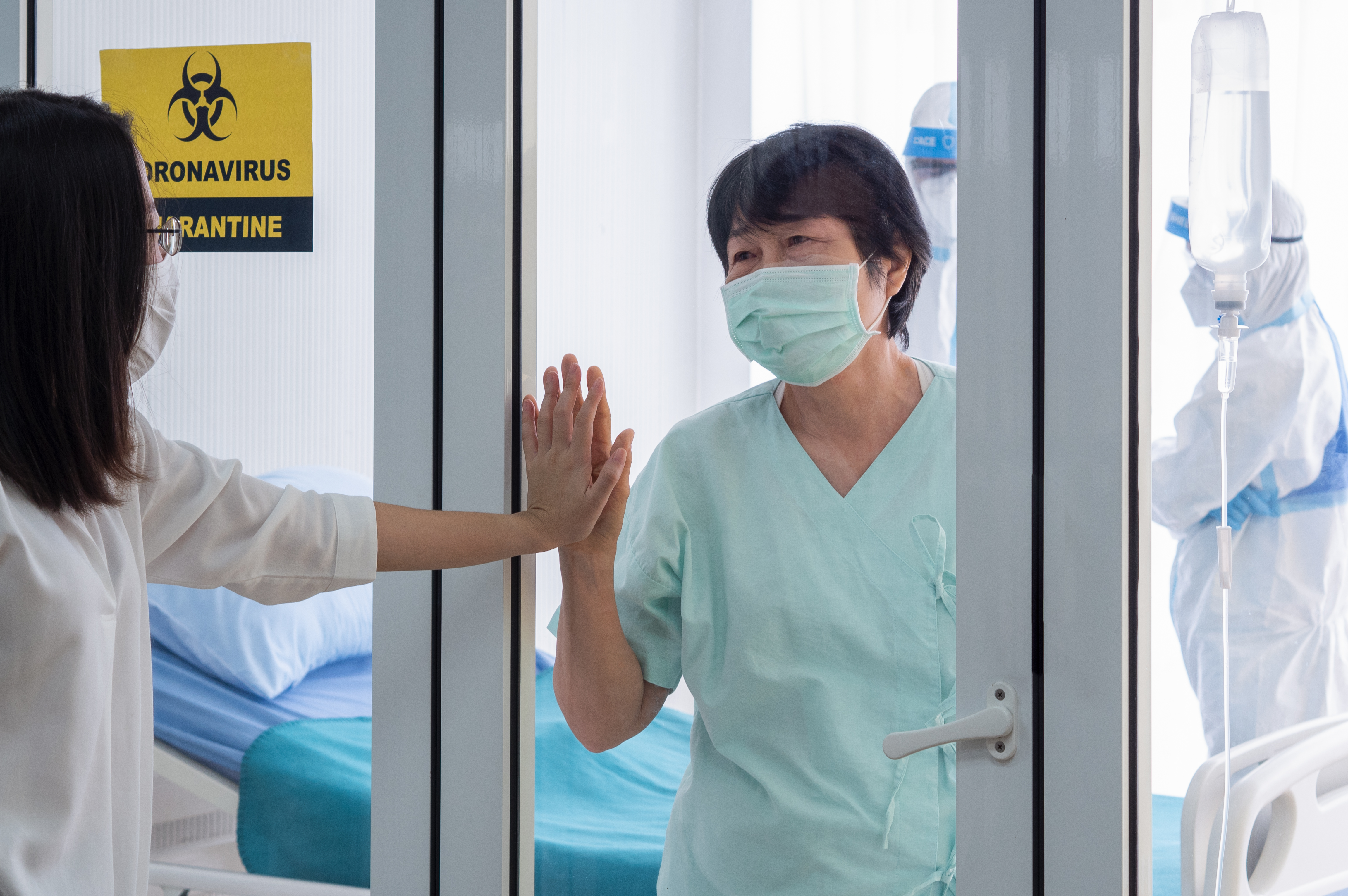
        Covid-19 has infected millions across the globe and caused thousands of deaths. It is prudent to be cognizant of measures required to work safely in the Covid-19 epidemic. We, as healthcare professionals, must adapt accordingly ensuring our healthcare facilities are Covid-19 ready.
        • page icon
          Resources Patient Safety and Covid-19 Page
          Students must
          View
      • Course and Self Evaluation & Certificate

        In this section, you can provide feedback about this course to help us make NextGenU.org better. Once evaluations are completed, you will be able to download your Certificate of Completion.

        Further reading: A very comprehensive book Textbook of Patient Safety and Clinical Risk Management is freely available as open access. It goes beyond the basic principles outlined in the course you have just taken and is recommended for further reading.

        Click here to give your feedback.

        • questionnaire icon
          Course Evaluation Questionnaire
          Not available unless: The activity Quiz: Improving Medication Safety is marked complete
        • questionnaire icon
          Self Evaluation Questionnaire
          Not available unless: The activity Course Evaluation is marked complete
      Skip Rating and Review

      Rating and Review

      0

      0 Course Rating

      0%
      0%
      0%
      0%
      0%

      Reviews

      Contact site support
      You are currently using guest access (Log in)
      Powered by Moodle


      Copyright © 2025 NextGenU.org / All Rights Reserved


      Privacy Policy 


      Terms Of Use 


      Privacy Policy Terms & Conditions

      Copyrights Content