-
Introduction
Show More Show LessThis Public Health Nutrition course is designed primarily for health and public health professionals who are studying public health. It provides in-depth learning related to the concepts of nutrition epidemiology and for those who need it, a review in module one of the basic concepts of nutritional science. Participants will have the opportunity to review the basic concepts of nutritional science, including the essential nutrients, nutrition-related diseases, and food systems and sustainabilty. The course will then go on to explore important nutritional issues on a public and global health scale, and discuss current nutritional policies and interventions that can be applied as part of Health Promotion Interventions.
-
Students mustStudent must submit this questionnaire to complete it
-
Students mustViewReceive a grade
Show More-

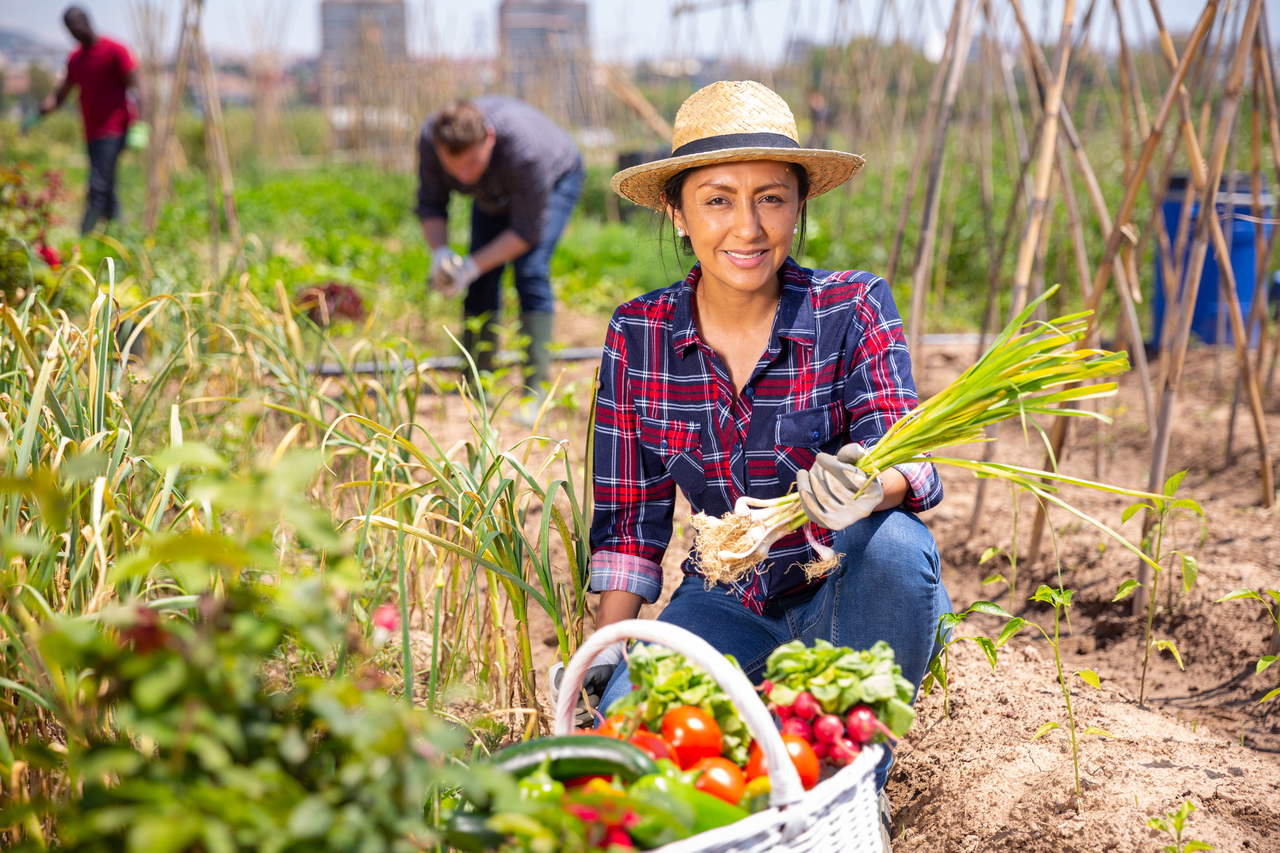
This Public Health Nutrition course is designed primarily for health and public health professionals who are studying public health. It provides in-depth learning related to the concepts of nutrition epidemiology and for those who need it, a review in module one of the basic concepts of nutritional science. Participants will have the opportunity to review the basic concepts of nutritional science, including the essential nutrients, nutrition-related diseases, and food systems and sustainabilty. The course will then go on to explore important nutritional issues on a public and global health scale, and discuss current nutritional policies and interventions that can be applied as part of Health Promotion Interventions.
This Public Health Nutrition course is sponsored by the University of the Incarnate Word (UIW). Like all NextGenU.org courses, it is competency-based, using competencies from the Association for Nutrition, the Association of Graduate Programs in Public Health Nutrition, Inc, and the Nutrition Society of Australia. This course uses learning resources from accredited, world-class organizations such as the World Health Organization, Food and Agriculture Organization, and the U.S. National Institutes of Health.
The course was developed in collaboration with Associate Professor Karen B. Jaceldo-Siegl, MS, DrPH from UIW, and was designed by Pablo Baldiviezo, MD, DiplEd; and Carolina Bustillos, MD, DiplEd; Genikka Camille, B.ED, MSc; Felix Emeka Anyiam, MPH, MScPH, DataSc; Glenda Niles PhD, B.A., A. Ed.; Yhan O'Neil Williams, PhD, Bsc; Hugo Rojas, MD, MSc, DiplEd.
For publications on NextGenU.org’s courses’ efficacy, see NextGenU.org’s publication page. Subscribe to our newsletter to be notified of future updates, new courses, and to be part of our community.
There are six (6) modules to complete, which provide an introduction to:
- Module 1: Fundamentals of Nutritional Science
- Module 2: Food Systems and Sustainability
- Module 3: Nutrition and Public Health
- Module 4: Professional Conduct in Nutrition
- Module 5: Promoting Healthy Nutrition and Well-Being
- Module 6: Nutrition Education
The completion time for this course is estimated at 160 hours, comprising 41 hours of learning resources, 81 hours for time to study content and assimilation, and 38 hours of participating in learning activities and quizzes to assist the learners in the synthesis of learning materials. This course is equivalent to 4 credit hours.
The course requires the completion of all discussion forums and activities. At the end of each module, there is a practice quiz of ten (10) multiple-choice questions. After you’ve completed each lesson, quiz, and learning activity, at the end of the course, you’ll have access to a final quiz consisting of fifty (50) multiple-choice questions and a chance to evaluate this course.
Participants have up to three opportunities to take the final exam and achieve the required score of >/=80%. Once you’ve passed that last test, you will be able to download a certificate of completion from NextGenU.org and our course’s co-sponsoring organizations. We keep all of your personal information confidential, never sell any of your information, and only use anonymized data for research purposes. Also, we are happy to report your testing information and share your work with anyone (your school, employer, etc.) at your request.
Engaging with This Course:
You may browse this course for free to learn for your personal enrichment; there are no requirements. To register for this course, it is required that learners have obtained a college-level/bachelor's degree.
To PASS and obtain a certificate, a learner must first register for the course and then successfully complete:
- All the reading requirements,
- All quizzes and pass with a 80% with unlimited attempts,
- All peer activities,
- All discussion forums
- The Final Assignment
- The final exam with a minimum of 80% and a maximum of 3 attempts, and
- The self and course evaluation forms.
To obtain credit:
- Complete all requirements listed above for the certificate, and
- Your learning institution or workplace should approve the partner-university-sponsored NextGenU.org course for educational credit, as they would for their learner taking a course anywhere.
NextGenU.org is happy to provide your institution with:
- A link to and description of the course training, so they can see all its components, including the cosponsoring universities and other professional organization cosponsors;
- Your grade on the final exam;
- Your work products (e.g., case study activities), and any other required or optional shared materials that you produce and authorize to share with them;
- Your evaluations - course and self-assessments;
- A copy of your certificate of completion, with the co-sponsoring universities and other organizations listed.
To obtain a degree, NextGenU.org co-sponsors degree programs with institutional partners. To obtain a full degree co-sponsored with NextGenU.org, registrants must be enrolled in a degree program as a student of a NextGenU.org institutional partner. If you think that your institution might be interested in offering a degree with NextGenU.org, contact us.
We hope that you will find this a rewarding learning experience, and we count on your assessment and feedback to help us improve this training for future students.
Here are the next steps to take the course and earn a certificate.
- Complete the registration form.
- Take the pre-test.
- Begin the course with Module 1: Fundamentals of Nutritional Science. In each lesson, read the description, complete all required readings and any required activity, and take the corresponding quizzes.
-
 Competencies covered in this module:
- Be able to understand the scientific basis of nutrition.
- Be able to understand the nutritional requirements from the molecular to the population level for human systems.
-
Student Learning Outcomes:
Upon completion of this lesson, you will be able to:
- Define the term "nutrition sciences."
- Explain the concept of population health.
- Describe how public health nutrition principles are applied to improve or maintain the optimal health of populations and targeted groups.
-
Required Learning Resources and Activities
-
Students mustView
Read under the headlines "Basic Principles of Nutrition Science" and "What you need to know about the science of nutrition". (5 minutes)
Getsmarter- 2019
-
Students mustView
Read the two first paragraphs under the title "Public Health and Community". (1 minute)
Academy of Nutrition and Dietetics - 2021
-
Students mustMark as done
Recommended Additional Readings
-
Students mustView
Read the complete article. (3 minutes)
Elmhurst University - 2021
-
Student Learning Outcomes:
Upon completion of this lesson, you will be able to:
- Name the major human body systems and relate their functions.
- Describe the basic human body functions and life process.
- Define the term "nutrients".
- Understand the concept of nutrition energy.
- Summarize the major classification of nutrients:
Carbohydrates
Proteins
Fats
Vitamins
Minerals
Dietary fiber
Water
Oxygen.
- Give examples of common sources of these nutrients present in our food and environment and the unique functions that each nutrient performs inside the human body.
- Describe the nutritional requirements through the life stages.
- Identify the factors that influence changes in nutritional needs.
- Describe how nutritional needs change with factors such as gender, age, physical activity, lifestyle, etc.
- Recommend strategies to address changes in nutritional needs determined by various factors.
- Explain the concept of "metabolism" and its components.
- Differentiate between anabolic and catabolic metabolic pathways.
- Describe the metabolism of carbohydrates, lipids, and amino acids at the level of tissues and organs.
- Describe malnutrition and its health consequences in their country.
- Elaborate on the consequences of a deficit of micronutrients diet in overall health.
- Discuss the importance of proper nutritional consumption, intake, and physical activity to improve health outcomes.
- Describe how the digestive system processes foods from ingestion to defecation.
- Explain how nutrients are transported in the body.
- Explain how energy is being stored by the body.
- Identify the determinants of a food's nutritional value.
- Understand the methods used to determine the nutritional value or nutrient contents of a food.
- Describe the nutritional value of food using the nutrition facts table.
- Describe what makes a component of a food/drink non-nutritive.
- Describe common examples of non-nutritive components of foods and drinks.
- Summarize how non-nutritive components of foods and drinks affect the diet, health, and well-being of a population.
-
Required Learning Resources and Activities
-
Students mustView
Read the complete article. (13 minutes)
Hill & Ponton, P.A. - 2018
-
Students mustView
Read the entire page. (6 minutes)
National Cancer Institute - 2018
-
Students mustView
Read the entire webpage. (18 minutes)
Libre Texts Libraries - 2020
-
Students mustView
Read the entire content and see the videos. (25 minutes)
Libre Texts Medicine - 2021
-
Students mustView
Read the entire webpage. (3 minutes)
The Nutrition Society - 2021
-
Students mustView
Read the entire page. (28 minutes)
Food and Agriculture Organization of the United Nations
-
Students mustView
Read the complete article. (20 minutes)
Physicians Committee for Responsible Medicine and Unbound Medicine - 2020
-
Students mustView
Read the content under the heading "Other lifestyle components in relation to dietary patterns" to the end of the article. (24 minutes)
The Proceedings of Nutrition Society - 2020
-
Students mustView
Read the entire webpage. (17 minutes)
Better Health Channel - 2021
-
Students mustView
Read from the beginning of the webpage to the end of the section, "The carrier of Chemical Energy", then read the content under the headings "Catabolism", "Anabolism" and "Integration of catabolism and anabolism". (27 minutes)
Britannica - 2020
-
-
Students mustView
Read the content under "Background," "Discussion," and "Conclusion." (9 minutes)
NCBI - 2018
-
Students mustView
Read the entire web page. (36 minutes)
NCBI - 2020
-
Students mustView
Read the entire web page. (14 minutes)
Pressbooks - 2020
-
Students mustView
Read the entire document. (50 minutes)
NCBI - 2016
-
Students mustView
Read the entire page. (8 minutes)
LibreTexts libraries - 2020
-
Students mustView
Read the entire page. (7 minutes)
Victoria State Government - 2012
-
Students mustView
Read the entire document. (25 minutes)
Global Food Research Program - 2020
-
Students mustView
Read the web page to learn about how to read a food label. Knowing how to read a food label is important in making informed dietary choices. (15 minutes)
Government of Canada - 2019
-
Students mustView
Read the entire web page. (11 minutes)
Harvard School of Public Heath - 2019
-
Students mustView
Read the entire web page. (12 minutes)
Better Health Channel - 2021
-
Students mustView
Read the entire web page. (3 minutes)
Health Direct - 2020
-
Students mustView
Read the entire web page. (5 minutes)
Drug, Alcohol and Prevention Services Division, Mental Health Commission - 2021
-
Students mustView
Read the entire web page. (10 minutes)
Cleveland Clinic - 2019
-
Students mustView
Students should read the entire article, which discusses the World Health Organization (WHO) guidelines on sugar intake for adults and children as a step toward reducing the mortality associated with non-communicable diseases. (10 minutes)
American Heart Association - 2014
-
Students mustView
Read through the page to learn about which sweeteners are permitted in Canada. (10 minutes)
Government of Canada - 2018
-
Students mustViewStart discussions: 1
In this activity, you will identify three main food sources in your country for each of the following: carbohydrates, fats, proteins, vitamins, and minerals. Then, you will select one of the nutrients and explain its importance for normal body function and the consequences of a deficiency of this nutrient. Organize your nutrients and food sources in a table format.
Step 1: Review
Review the learning resources for this lesson.
Step 2: Explore and Select
Think of the existing main food sources in your country. You may explore the web to assist you with your search. Then, identify three food sources for each of the following primary nutrients:
- Carbohydrates
- Fats
- Proteins
- Vitamins
- Minerals
Note: Since there are five (5) listed types of nutrients here and each must have three (3) examples, there must be fifteen (15) food sources in total.
Step 3: Respond
After listing all the required food sources, choose one nutrient, analyze and prepare a 300-500 word discussion piece with the following key points:
- How does the body use each food source for your selected nutrient?
- How does the nutrient contribute to the health status of people?
- How easy or difficult is it to get access to this nutrient in your region, and what consequences can occur if persons are deficient in this nutrient?
Step 4: Share
To share your work, click on the “Add a new discussion topic” button under this post and paste your work in the “Message” box. Make sure that you have addressed all the required information, and you include both the table and the discussion. Please ensure to reference others’ intellectual property when necessary. All references should follow 7th Edition APA formatting. For further instructions, see the resource on the Himmelfarb Health Sciences Library: APA citation resource (N.B. references are excluded from word counts).
Step 5: Interact
Evaluate and categorize the work from one of your peers based on items A - E of this rubric. Provide a rationale for the grade you provided, as well as comments or suggestions for improvement. To post a reply, click “Reply” on a particular discussion, write your feedback and then click on “Post to forum.” You can use the list below as an example:
Item A is .…. because…. My suggestions for improvement are….
Item B is .…. because…. My suggestions for improvement are….
Item C is .…. because…. My suggestions for improvement are….
Item D is .…. because…. My suggestions for improvement are….
Item E is .…. because…. My suggestions for improvement are….OPTIONAL Step 6: Interact (10 minutes)
If you would like to, you can reply to your peers' posts in a respectful and professional manner. Ensure that your post engages your peers' ideas by including a reflection on their comments, sharing ideas of other potential difficulties and parties involved, or asking thought-provoking questions. If a peer comments on your posting, please reply. To post a reply, click “Reply” on a particular discussion, write your feedback and then click on “Post to forum.”
-
Student Learning Outcomes:
Upon completion of this lesson, you will be able to:
- Understand the concept of "nutritional epidemiology".
- Explain the role of nutritional epidemiology in inferring causality.
- Describe how biostatistics data can be used to understand the link between nutrition, health, and disease.
- Explain the importance of health research.
- Identify the various approaches and methods used in health research.
- Examine the advantages and disadvantages of different research approaches utilized in public health nutrition research.
- Describe the steps for designing and conducting research and investigations in the field of public health nutrition.
- Understand key considerations for designing and conducting research and investigations in the field of public health nutrition.
- Examine the challenges and limitations of nutrition study designs in public health.
- Discuss recommendations on how to plan, conduct, analyze, and report nutritional studies and investigations in a responsible, safe, and ethical manner.
- Identify necessary elements to consider when selecting a sample for a study/investigation.
- Identify current sources of information and data on nutrition.
-
Required Learning Resources and Activities
-
Students mustView
Read the entire content. (32 minutes)
European Journal of Clinical Nutrition - 2013
-
Students mustView
Read the entire webpage. (20 minutes)
Regis College - 2021
-
Students mustView
Read the entire article. (6 minutes)
Harvard Countway Library - 2020
-
Students mustView
Read from "Research Paradigms" until end of chapter. (68 minutes)
Jones and Bartlett Publishers - 2013
-
Students mustView
Read from Section 1.1 to the end of Section 1.3. (7 minutes)
JB Publishing - 2016
-
Students mustView
Read the entire webpage. (10 minutes)
Academy of Nutrition and Dietetics - 2022
-
Students mustView
Read the entire article. (40 minutes)
NCBI - 2017
-
Students mustView
Read the entire web page. (38 minutes)
Indian Journal of Dermatology - 2016
-
Students mustView
Browse through the webpage and look at the different reports available on the site. (15 minutes)
Global Nutrition Report - 2021
-
Students mustViewStart discussions: 1
In this activity, you will develop a plan for a nutrition survey that you could potentially implement in your country.
Step 1: Review
Review the steps in conducting a nutrition survey by reviewing pages 11-17 of this document: Guidelines for Nutrition Surveys
Step 2: Design and Develop
Using the steps provided by the learning resource, develop a plan for a nutrition survey that you could potentially implement in your country. Keep in mind that the steps are the most important, as they help you determine the purpose of your survey and the important nutrition issues that you are trying to address from the survey.
Step 3: Respond
Respond by drafting a 2-page brief plan with the following inclusions:
- A survey plan that addresses all the steps outlined in the resource document
- Purpose of the survey and the nutrition-related diseases (such as micronutrient deficiencies or chronic diseases) you want to address
Step 4: Share
To share your work, click on the “Add a new discussion topic” button under this post and paste your work in the “Message” box. Make sure that you have addressed all the required information. Please ensure to reference others’ intellectual property when necessary. All references should follow 7th Edition APA formatting. For further instructions, see the resource on the Himmelfarb Health Sciences Library: APA citation resource (N.B. references are excluded from word counts).
Step 5: Interact
Evaluate and categorize the work from one of your peers based on items A and B of this rubric. Provide a rationale for the grade you provided, as well as comments or suggestions for improvement. To post a reply, click “Reply” on a particular discussion, write your feedback and then click on “Post to forum.” You can use the list below as an example:
Item A is .…. because…. My suggestions for improvement are….
Item B is .…. because…. My suggestions for improvement are….OPTIONAL Step 6: Interact (10 minutes)
If you would like to, you can reply to your peers' posts in a respectful and professional manner. Ensure that your post engages your peers' ideas by including a reflection on their comments, sharing ideas of other potential difficulties and parties involved, or asking thought-provoking questions. If a peer comments on your posting, please reply. To post a reply, click “Reply” on a particular discussion, write your feedback and then click on “Post to forum.”
-
Quiz: Module 1
To access the quiz, click on the name of the quiz provided above. On the following screen, click the "Preview quiz now" button to respond to the questions.
TO PASS THIS QUIZ, YOU MUST OBTAIN A SCORE OF 80%
Not available unless: The activity Course Registration is marked complete ...Not available unless:- The activity Course Registration is marked complete
- The activity Pre-Test is marked complete
-
Students mustMark as done
Recommended Additional Readings
-
-
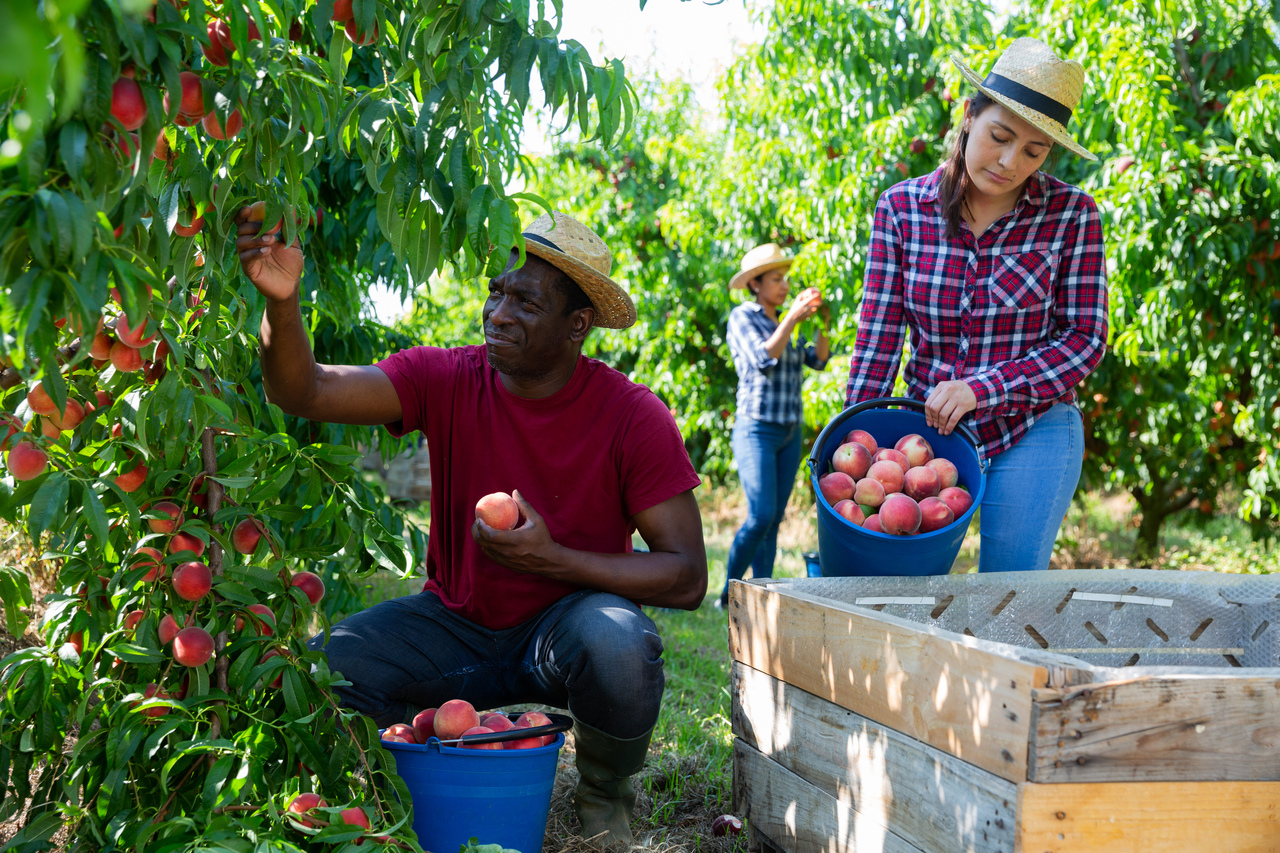 Competencies covered in this module:
- Have knowledge and understanding of the food chain and its impact on food choice; integrate the food supply with dietary intake.
- Know the factors that impact the accessibility, adequacy, and safety of the food supply system (production, processing, distribution, and consumption), their relationship with community food systems, and how they affect the desired outcomes of health promotion and disease prevention.
-
Student Learning Outcomes:
Upon completion of this lesson, you will be able to:
- Define the term "sustainable food".
- Give examples of food sustainability.
- Identify the key determinants of a sustainable food system.
- Interpret how key determinants and factors of food sustainability interact with one another within the food system.
- Classify main sources of food supply according to the country, region, or location.
- Identify the challenges and issues, such as agricultural and environmental impacts, associated with food sustainability.
- Describe common examples of challenges for achieving sustainable and inclusive future food systems.
- Discuss potential solutions and perspectives in addressing challenges to food sustainability to achieve a more inclusive food system.
-
Required Learning Resources and Activities
-
Students mustView
Read the entire article. (23 minutes)
NCBI - 2018
-
Students mustView
Read the entire document. (8 minutes)
California Department of Social Services - 2013
-
Students mustView
Read the entire journal article. (50 minutes)
Cambridge University Press - 2013
-
Discussion Forum 1 - Sustainable Diets ( 240 minutes)
In this activity, you will identify a dietary pattern in your country and evaluate diverse sustainability factors that can affect the security of the food system.
Step 1: Read and identify
Read this article to better understand Sustainable dietary patterns.
Identify a common dietary pattern consumed by the majority or a diet that is becoming a trend in your country.
Step 2: Evaluate
Describe the dietary pattern that you chose. Evaluate factors like water resources, energy and transports resources, land requirements, climate change impact (Greenhouse Gas Emission), and costs, that affect the sustainability of the food system in the long term.
Step 3: Summarize
Using all of this information, summarize your findings in 300-500 words. Include the sustainability factors identified, providing a rationale for each one on how this dietary pattern affects food system sustainability.
Step 4: Share
Share your summary by clicking on the “Add a new discussion topic” button under this post and paste your work in the “Message” box. Make sure that you have addressed all the required information. Please ensure to reference others’ intellectual property when necessary. All references should follow 7th Edition APA formatting. For further instructions, see the resource on the Himmelfarb Health Sciences Library: APA citation resource (N.B. references are excluded from word counts).
Step 5: Interact
To complete the activity, you will need to reply to at least two posts made by your peers in a respectful and professional manner. Ensure that your post engages your peers' ideas by including a reflection on their comments, sharing ideas of other potential difficulties and parties involved, or asking thought-provoking questions. If a peer comments on your posting, please reply. To post a reply, click “Reply” on a particular discussion, write your feedback and then click on “post to forum.”
OPTIONAL Step 6: Interact (10 minutes)
If you would like to, you can reply to your peers' posts in a respectful and professional manner. Ensure that your post engages your peers' ideas by including a reflection on their comments, sharing ideas of other potential difficulties and parties involved, or asking thought-provoking questions. If a peer comments on your posting, please reply. To post a reply, click “Reply” on a particular discussion, write your feedback and then click on “Post to forum.”
Not available unless: The activity Quiz: Module 1 is complete and passed
-
Student Learning Outcomes:
Upon completion of this lesson, you will be able to:
- List all Sustainable Development Goals (SDG) that are related to food security.
- Explain how these SDGs contribute to achieving food security and sustainability.
- Identify individual and external factors that influence the food system.
- Assess how these factors and drivers work together to influence food systems, diets, nutrition, and health outcomes.
- Identify health-related effects associated with the food system.
- Describe specific health effects associated with the food system, such as obesity, chronic diseases, micro-nutrient deficiencies, etc.
- Define the term "food security".
- Describe the dimensions of food security through examples.
- Describe the methods of food production, preparation, and processing methods.
- Discuss the beneficial and harmful implications of food production, preparation, and processing to chemical composition and nutritional quality of food.
- Identify major food and beverage companies that are key players in global food consumption and public health.
- Describe beneficial and nonbeneficial practices of "BIG FOOD" and their impact on the global food system and public health.
- Discuss how multinational food and beverage companies work together to increase commitment in food reformulation, consumer information, responsible marketing, promotion of healthy lifestyles, public-private partnerships, etc.
-
Required Learning Resources and Activities
-
Students mustView
Read the entire journal article. (31 minutes)
NCBI - 2017
-
Students mustView
Read the entire document. (25 minutes)
Food Systems Dashboard - 2020
-
Students mustView
Read the entire journal article. (40 minutes)
Springer - 2018
-
Students mustView
Read from the beginning until the heading "4. From ‘de facto’ to ‘de jure’: The need to formalize the six dimensions of food security". (42 minutes)
ScienceDirect
-
Students mustView
Read the entire journal article. (38 minutes)
Scholars Journal of Agriculture and Veterinary Sciences - 2015
-
Students mustView
Read the entire journal article. (23 minutes)
NCBI - 2017
-
Quiz: Module 2
To access the quiz, click on the name of the quiz provided above. On the following screen, click the "Preview quiz now" button to respond to the questions.
TO PASS THIS QUIZ, YOU MUST OBTAIN A SCORE OF 80%
Not available unless: The activity Discussion Forum 1 - Sustainable Diets ( 240 minutes) is ... ...Not available unless: The activity Discussion Forum 1 - Sustainable Diets ( 240 minutes) is marked complete
-

Competencies covered in this module:
- Have knowledge and understanding of food in a social or behavioral context (e.g., how factors such as culture, financial circumstances, or governmental policies impact food consumption) at all stages of life.
- Know federal, regional, state, and local governmental structures and the processes involved in the development of public policy, legislation, regulations, and delivery of services that influence the food intake, nutritional status, and health of populations.
- Be able to apply understanding of the aetiology of major public health problems within social and historical contexts, to work with groups and/or communities and/or at the population level, to develop, implement and evaluate nutrition health education and nutrition health promotion programmes.
- Know and have the skills to identify, evaluate and address emerging and controversial food and nutrition issues that impact public health.
- Know and have the skills to identify economic and societal trends which have implications for the health and nutritional status of populations.
- Know and have the skills to apply principles of social marketing for use in the food and nutrition component of health promotion/disease prevention programs and services.
- Know and have the skills to analyze current nutrition research and apply research findings to food and nutrition programs serving high-risk target populations across the lifespan.
- Know and have the skills to assess, plan, implement, and evaluate the food and nutrition components of community-based health promotion/disease prevention interventions.
- Know and have the skills to identify and seek public (local, state, and federal) and private funding for public health and food/nutrition programs and services.
-
Student Learning Outcomes:
Upon completion of this lesson, you will be able to:
- Recall the purpose and functions of evaluation in the context of public health nutrition.
- Describe common approaches to evaluate a nutritional public health program or agenda.
- Explain the significance of integrating evaluation in maintaining and regulating nutrition-related public health programs/agendas.
- Describe the process of policy formulation.
- Explain a set of interconnected principles to guide the formulation of public policies to improve health outcomes.
- Identify the meaning of "public policy advocacy".
- Explain the principles of responsible public policy advocacy and how they are implemented.
- Examine the current legislation and corporate governance role in relation to nutrition.
- Name examples of existing government policies and key organizations at the global, national, and local levels that are made to address food and nutritional health issues.
- Examine the significance of government policies and key organizations in addressing food and nutritional health issues.
- Discuss the impact of government policies and key organizations - barriers and opportunities to improve food and nutritional health at the global, national, and local levels.
- Summarize some country examples of public health nutrition policies and their respective provisions.
- Assess the impact of specific nutritional policies in public health across different countries/regions.
-
Required Learning Resources and Activities
-
Students mustView
Read the entire article. (14 minutes)
NCBI - 2014
-
Students mustView
Read the content under the headings "Principles" and "Consistent and Predictable Process Steps " in pages 3 to 7. (12 minutes)
Alberta Health Services - 2016
-
Students mustView
Read the content under the heading "PART 1: DEFINING ADVOCACY" in pages 2 and 3. (3 minutes)
Winnipeg regional health authority - 2017
-
Students mustView
Read the entire page. (10 minutes)
AALEP - 2022
-
Students mustView
Read the entire page. (4 minutes)
U.S. Department of Agriculture - 2021
-
Students mustView
Read the entire page. (2 minutes)
University of California - 2022
-
Students mustView
Read the entire article. (33 minutes)
The BMJ - 2018
-
Students mustView
Read the entire document. (10 minutes)
WHO - 2014
-
Students mustView
Read the "Executive Summary" in pages 1 to 3. (9 minutes)
World Food Programme - 2017
-
Peer Activity 3 - Nutritional Health Policy (240 minutes) Forum
In this activity, you will conduct a search for specific food and nutrition policies in your home country and critique these policies.
Step 1: Research
Review the learning resource for this lesson. Conduct further research on the specific food and nutrition policies within your own country (at the national and local levels). You can find the respective government department in your country that handles national public health problems and health promotion on the web or contact them via phone or email.
Example: The webpage for Canada’s Department of Health, Health Canada, would be a good place to start research on Canadian food and nutrition policies.
Step 2: List
List the most current and credible set of food and nutrition policies in your home country.
Step 3: Write a Critique
Write a 500-700 word critique and summary paper that describes your country’s food and nutrition policies. Additionally, critique these policies using the following key criteria:
- Inclusiveness of the whole population
- Practicality (can realistically be carried out)
- Comprehensiveness
- Affordability and accessibility
- Food security and efficacy
- Other aspects
Step 4: Share
Share your work by clicking on the “Add a new discussion topic” button under this post and paste your work in the “Message” box. Make sure that you have addressed all the required information. Please ensure to reference others’ intellectual property when necessary. All references should follow 7th Edition APA formatting. For further instructions, see the resource on the Himmelfarb Health Sciences Library: APA citation resource (N.B. references are excluded from word counts).
Step 5: Interact
Evaluate and categorize the work from one of your peers based on items A - D of this rubric. Provide a rationale for the grade you provided, as well as comments or suggestions for improvement. To post a reply, click “Reply” on a particular discussion, write your feedback and then click on “Post to forum.” You can use the list below as an example:
Item A is .…. because…. My suggestions for improvement are….
Item B is .…. because…. My suggestions for improvement are….
Item C is .…. because…. My suggestions for improvement are….
Item D is .…. because…. My suggestions for improvement are….OPTIONAL Step 6: Interact (10 minutes)
If you would like to, you can reply to your peers' posts in a respectful and professional manner. Ensure that your post engages your peers' ideas by including a reflection on their comments, sharing ideas of other potential difficulties and parties involved, or asking thought-provoking questions. If a peer comments on your posting, please reply. To post a reply, click “Reply” on a particular discussion, write your feedback and then click on “Post to forum.”
Not available unless: The activity Quiz: Module 2 is complete and passed
-
Student Learning Outcomes:
Upon completion of this lesson, you will be able to:
- Identify the social determinants of health.
- Identify various factors that influence nutritional practices among individuals, communities, and population groups.
- Differentiate how individuals, communities, and population groups are affected by various factors such as religious and cultural beliefs.
- Explain the financial, socio-economic, and environmental disparities among individuals and their effect on diets, food choices, and nutritional intake.
- Explain strategies to reduce disparities on diets, food choices, and nutritional intake.
- Identify rising and emerging food issues, challenges, and trends.
- Describe public attitudes, behaviors, and perceptions toward emerging food issues, challenges, and trends.
- Explain the role of globalization, economic trends, and societal trends in driving changes in the context of public health nutrition.
- Define "social marketing".
- Explain how social marketing is utilized to promote changes in health behavior and to improve health outcomes.
-
Required Learning Resources and Activities
-
Students mustView
Read the entire webpage. (3 minutes)
Healthy People 2030 - 2022
-
Students mustView
Read the entire page. (25 minutes)
Biomedical and Pharmacology Jourmal - 2015
-
Students mustView
Read the entire chapter. (98 minutes)
National Academy of Sciences - 2013
-
Students mustView
Read the content under the headings "Abstract," "Introduction," "Discussion," and "Conclusion." (16 minutes)
International Journal for Equity in Health - 2016
-
Students mustView
Read from the beginning of the article until the heading "Stakeholder engagement in emerging issues." (16 minutes)
Food Standards Australia New Zealand (FSANZ) - 2019
-
Students mustView
Read the content under the heading "Conclusions" on pages 31-33. (14 minutes)
ICF - 2018
-
Students mustView
Read the content under the headings "Abstract," "Introduction," "Discussion and interpretation," and "Conclusion and implications for policy and research." (22 minutes)
Biomed Central- Globalisation and Health - 2019
-
Students mustView
Read the content under the heading "Background." (8 minutes)
BioMed Central Ltd- Systematic Reviews - 2021
-
Students mustView
Read the entire article. (27 minutes)
Katie J. James, Julie A. Albrecht, Ruth E. Litchfield, and Christopher A. Weishaa - 2013
-
Student Learning Outcomes:
Upon completion of this lesson, you will be able to:
- Describe the methods of conducting a community nutritional health needs assessment.
- Assess the nutritional needs status of a community.
- Summarize the concepts, models, and theories on health behavior and its changes.
- Explain how behavior change models and other methods can be applied to improve behavior and health.
- Explain the concept of community interventions and their purpose.
- Describe the steps involved in designing a community intervention.
- Understand the concept of health promotion and its significance.
- Describe typical components and activities for effective health promotion programs.
- Describe the steps involved in planning a health promotion program for a particular community.
- Discuss specific steps involved in the following stages of the health promotion program process: planning, development, implementation, and evaluation.
-
Required Learning Resources and Activities
-
Students mustView
Read section 2 "Plan for a Community Needs Assessment" in pages 12 to 26. (25 minutes)
CDC - 2013
-
Students mustView
Read the entire document. (15 minutes)
Purdue Extension- Health and Human Sciences - 2015
-
Students mustView
Read the entire page. (25 minutes)
Community Toolbox (University of Kansas) - 2013
-
Students mustView
Read the article to understand the 6-step approach to public health program implementation. (30 minutes)
Thomas R. Frieden, MD, MPH - 2014
-
Students mustView
Read the document to understand the 6-step approach to public health program planning. (7 minutes)
Queen’s Printer for Ontario, Public Health Ontario - 2015
-
Students mustView
Read the summary on Page 3. (2 minutes)
AFHTO - 2018
-
Peer Activity 4 - A Case Study Focusing on Maternal, Newborn and Child Health (240 minutes) Forum
In this activity, you will develop a plan for a community need assessment directed to mothers, infants, or children that you may have seen or heard about in your country.
Step 1: Identify
Think of an important nutrition problem affecting mothers, infants, or children that you may have seen or heard about in your country which you would feel confident describing to a peer.
Step 2: Develop
Develop a plan to assess this community with the following steps:
- Identify and assemble a diverse community team
- Who should be part of the team on this plan? And Why? Hospital Administrator, Civic Leader, Law enforcer, etc
- Develop a team strategy
- Define: goals, how data will be used, timeline, role and responsibilities, etc.
- Identify scope of assessment
- Define the region or neighborhood, the sectors within the area, and components to assess such as nutrition status and eating habits
- Develop questions to ask
- Ask to learn about the strengths and weaknesses of specific community components within each sector
- Select sites
- Are the locations within each sector your team will visit to conduct the needs assessment
- Determine data collection methods
- A combination of 2 or more data-collection methods is recommended at each site to confirm or support initial findings.
- Identify key informants
- For each sector and site your team has identified for the assessment, contact people in the community who can provide the appropriate insight, knowledge, or documentation.
Conduct this plan to assess the community needs:
- Identify the perceived needs, expressed needs, absolute needs, and relative needs around nutrition.
- Briefly provide a plan to solve the perceived needs of the community.
Step 3: Respond
Respond by writing 400-500 words that cover all of the required information stated above.
Step 4: Share
To share your work, click on the “Add a new discussion topic” button under this post and paste your work in the “Message” box. Make sure that you have addressed all the required information. Please ensure to reference others’ intellectual property when necessary. All references should follow 7th Edition APA formatting. For further instructions, see the resource on the Himmelfarb Health Sciences Library: APA citation resource (N.B. references are excluded from word counts).
Step 5: Interact
Evaluate and categorize the work from one of your peers based on items A - D of this rubric. Provide a rationale for the grade you provided, as well as comments or suggestions for improvement. To post a reply, click “Reply” on a particular discussion, write your feedback and then click on “Post to forum.” You can use the list below as an example:
Item A is .…. because…. My suggestions for improvement are….
Item B is .…. because…. My suggestions for improvement are….
Item C is .…. because…. My suggestions for improvement are….
Item D is .…. because…. My suggestions for improvement are….OPTIONAL Step 6: Interact (10 minutes)
If you would like to, you can reply to your peers' posts in a respectful and professional manner. Ensure that your post engages your peers' ideas by including a reflection on their comments, sharing ideas of other potential difficulties and parties involved, or asking thought-provoking questions. If a peer comments on your posting, please reply. To post a reply, click “Reply” on a particular discussion, write your feedback and then click on “Post to forum.”
Not available unless: The activity Peer Activity 3 - Nutritional Health Policy (240 minutes) is ... ...Not available unless: The activity Peer Activity 3 - Nutritional Health Policy (240 minutes) is marked complete
-
Student Learning Outcomes:
Upon completion of this lesson, you will be able to:
- Describe the stages involved in the grant lifecycle or process.
- Describe all the necessary components and elements of a funding proposal or a grant application.
- Discuss tips and strategies to make a successful grant/fund proposal.
- Write a grant proposal to gain funding for a particular nutrition program or intervention.
-
Required Learning Resources and Activities
-
-
Students mustView
Read the entire webpage. (6 minutes)
University of Southern Indiana
-
Students mustView
Read the entire article. (17 minutes)
University of Wisconsin
-
Students mustView
Read the web page. This resource belongs to this course because it provides students with grant writing skills which will enable them to seek funding for public health and food and nutrition programs and services. (28 minutes)
The Community Tool Box, Center for Community Health and Development at the University of Kansas - 2013
-
Quiz: Module 3
To access the quiz, click on the name of the quiz provided above. On the following screen, click the "Preview quiz now" button to respond to the questions.
TO PASS THIS QUIZ, YOU MUST OBTAIN A SCORE OF 80%
Not available unless: The activity Peer Activity 4 - A Case Study Focusing on Maternal, Newborn ... ...Not available unless: The activity Peer Activity 4 - A Case Study Focusing on Maternal, Newborn and Child Health (240 minutes) is marked complete
-
 Competencies covered in this module:
- Understand professional conduct, the Nutritionists’ Code of Ethics, and be familiar with what is evidence of good character.
-
Student Learning Outcomes:
Upon completion of this lesson, you will be able to:
- Explain the purpose of the Code of Ethics in the context of public health nutrition.
-
Describe the components of the International Code of Ethics and Code of Good Practice for Dietitians-Nutritionists.
- Explain the role of the International Code of Ethics and Code of Good Practice for Dietitians-Nutritionists to nutrition-related professional practice.
- Identify moral and ethical issues of interventions in nutrition-related settings.
- Discuss the significance of applying ethical standards and professional codes to eating intervention at individual and community levels.
- Identify the ethical issues to eating intervention at the individual and community levels, including issues related to eating disorders interventions.
- Understand the research governance framework and its components.
- Investigate how research governance framework can be applied to public health.
-
Required Learning Resources and Activities
-
Students mustView
Read the entire article. (43 minutes)
Elsevier B.V. - 2015
-
Students mustView
Read the following sections:
1. Why Are the Standards Important for RDNs?
2. How Does the Academy’s Scope of Practice for the RDN Guide the Practice and Performance of RDNs in All Settings? (3 minutes)Journal of the Academy of Nutrition and Dietetics home - 2017
-
Students mustView
Read the entire article. (3 minutes)
International Confederation of Dietetic Associations - 2014
-
Students mustView
Read the entire article. (37 minutes)
PLOS ONE - 2018
-
Students mustView
Read the entire article. (28 minutes)
American Counseling Association - 2013
-
Students mustView
Read the entire article. (3 minutes)
Department of Health WA | - 2022
-
Students mustView
Read the entire article. (30 minutes)
BMJ - 2018
-
Discussion Forum 2 - Case Analysis (180 minutes)
In this activity, you will analyze a case study discussing ethical issues in treating patients with eating disorders.
Step 1: Review
Review the following case study:
Lisa is a 21-year-old college student who has been reporting four to five binge-purge episodes per day for the last six months. She shares a house with 4 other college students. Lisa reported that the other women in the house all seemed thin and pretty, which caused her to begin to perceive herself as overweight. Her housemates encouraged her to attend counseling. Lisa told her counselor how she had considerable secrecy and shame. Lisa stated she did not mind including her peers at some time during her counseling sessions. The counselor thought immediate contact with her peers would be helpful. Consequently, without any signed releases, the counselor contacted three of Lisa’s peers and invited them to attend the next individual session scheduled with Lisa and the counselor. The counselor believed it would be helpful and supportive. She thought the open dialogue could help Lisa to realize how many young women struggle with similar body image issues and how they wanted her “to get better.” The counselor left a phone message for Lisa indicating her peers would be attending the next session. Lisa did not show for the next appointment. The counselor tried to contact her to schedule another appointment but received no response.
Step 2: Respond
Write a post of 200-350 words in which you address the following:
- What ethical issue is evident in this case?
- Which code of ethics is this case linked to?
- How should the counselor have handled the situation, and why?
Step 3: Share
To share your work, click on the “Add a new discussion topic” button under this post and paste your work in the “Message” box. Make sure that you have addressed all the required information. Please ensure to reference others’ intellectual property when necessary. All references should follow 7th Edition APA formatting. For further instructions, see the resource on the Himmelfarb Health Sciences Library: APA citation resource (N.B. references are excluded from word counts)
4: Interact
To complete the activity, you will need to reply to at least two posts made by your peers in a respectful and professional manner. Ensure that your post engages your peers' ideas by including a reflection on their comments, sharing ideas of other potential difficulties and parties involved, or asking thought-provoking questions. If a peer comments on your posting, please reply. To post a reply, click “Reply” on a particular discussion, write your feedback and then click on “post to forum.”
OPTIONAL Step 5: Interact (10 minutes)
If you would like to, you can reply to your peers' posts in a respectful and professional manner. Ensure that your post engages your peers' ideas by including a reflection on their comments, sharing ideas of other potential difficulties and parties involved, or asking thought-provoking questions. If a peer comments on your posting, please reply. To post a reply, click “Reply” on a particular discussion, write your feedback and then click on “Post to forum.”
Not available unless: The activity Quiz: Module 3 is complete and passed -
Quiz: Module 4
To access the quiz, click on the name of the quiz provided above. On the following screen, click the "Preview quiz now" button to respond to the questions.
TO PASS THIS QUIZ, YOU MUST OBTAIN A SCORE OF 6/8
Not available unless: The activity Discussion Forum 2 - Case Analysis (180 minutes) is marked ... ...Not available unless: The activity Discussion Forum 2 - Case Analysis (180 minutes) is marked complete
-
 Competencies covered in this module:
- Understand how to apply the scientific principles of nutrition for the promotion of health and wellbeing of individuals, groups, and populations, and recognize their benefits and risks.
- Know and have the skills to develop, select, disseminate and evaluate appropriate food and nutrition education approaches and materials for health promotion/disease prevention interventions for target populations.
-
Student Learning Outcomes:
Upon completion of this lesson, you will be able to:
- Understand the concept of energy balance and the principles and methods of measuring/estimating it.
- Describe the correlation between physical activity and fitness regarding energy expenditure.
- Discuss how body mass and energy balance are maintained and regulated through diet variation, etc.
- Understand the science behind the measurement and estimation of nutritional requirements.
- Understand dietary reference values for the general population.
- Describe the importance of determining the measure of nutritional requirements and dietary reference values for the general population.
- Explore scientific techniques and methods in measuring and estimating nutritional requirements and dietary reference values for the general population.
-
Required Learning Resources and Activities
-
Students mustView
Read the content under "INTRODUCTION," "QUESTION 1" and "QUESTION 2." ( 23 minutes)
American Society of Nutrition - 2012
-
Students mustView
Read the entire article. (19 minutes)
European Journal of Clinical Nutrition - 2016
-
Students mustView
Read the entire page. (9 minutes)
LibreTexts - 2020
-
Students mustView
Explore the webpage. This "Interactive DRI for Healthcare Professionals" is a useful tool to calculate individual Dietary Reference Intake (DRI) values. Students can input their age, sex, height, weight, and activity level, and the tool produces personalized dietary intake levels. (5 minutes)
Food and Nutrition Information Center
-
Recommended Additional Readings
-
Students mustView
Read and explore the resources associated with this to learn more about Dietary Reference Intakes. (10 minutes)
U.S. DEPARTMENT OF AGRICULTURE
-
Student Learning Outcomes:
Upon completion of this lesson, you will be able to:
- Understand the purpose of dietary assessment.
- Identify available methods for dietary assessment and pattern analysis.
- Discuss the strengths and limitations of dietary assessment and methods.
- Describe the general principles of standard assessment methods for nutritional status, including clinical, anthropometric, dietary, biochemical, physiological, and functional methods.
- Articulate the implications of accuracy, validity, calibration, precision, and replicability of dietary data.
- Conduct a dietary assessment for an individual taking into account nutritional assessment tools like ASA24.
-
Required Learning Resources and Activities
-
Students mustView
Read the entire web page. (20 minutes)
CFAR - 2014
-
Students mustView
Read the entire article and analyze Table 1 and Table 2. (27 minutes)
Epidemiology and Health - 2014
-
Students mustView
Read the following sections: "Introduction," "The case for toolkits to guide dietary assessment choice," "Overview of dietary assessment toolkits," and "Discussion." (42 minutes)
Europe PMC Funder's Group - 2010
-
Students mustView
Read the entire article. (24 minutes)
Cambridge University Press - 2016
-
Students mustView
Read the section "What are the different types of nutrition assessment? (pgs. 3-12). (26 minutes)
USAID'S Food and Nutrition Technical Assistance - 2016
-
Students mustView
Explore the demo to learn more about the use of the ASA24 tool. (15 minutes)
National Institute of Health - 2020
-
Students mustView
This page allows you to create a Researcher Account which is needed to register to use ASA24 in a study, clinical setting, or classroom. (5 minutes)
National Institute of Health - 2020
-
Students mustView
Use this page to log in and use the tool. (15 minutes)
National Institute of Health - 2020
-
Student Learning Outcomes:
Upon completion of this lesson, you will be able to:
- Describe the typology of health promotion and disease prevention.
- Explore approaches for health promotion and disease prevention.
- Describe the multiple influences on what people eat.
- Examine the different approaches that promote healthy food and nutrition-related behaviors.
- Summarize examples of nutrition interventions that are food and skill-based locally and globally.
- Explain how food and skill-based nutrition interventions impact the promotion of healthy food and nutrition behaviors.
- Summarize the impact of nutrition education programs on health promotion.
-
Required Learning Resources and Activities
-
Students mustView
Read the entire article. (2 minutes)
Health Resources and Services Administration (HRSA):Rural Health Information Hub - 2018
-
Students mustView
Read the entire article. Click on the headings of "Ecological Models," "The Health Belief Model," "Stages of Change Model (Transtheoretical Model)," "Social Cognitive Theory," and "Theory of Reasoned Action/Planned Behavior." (9 minutes)
Health Resources and Services Administration (HRSA): Rural Health Information Hub - 2018
-
Students mustView
Read the page including all the contents of the following hyperlinks:
Health Communication
Health Education
Policy, Systems, and Environmental Change. (11 minutes)Health Resources and Services Administration (HRSA):Rural Health Information Hub - 2018
-
Students mustView
Read the section "Strategies to Promote Healthy Dietary Habits" on pages 6-13. (22 minutes)
Memorial University - 2014
-
Students mustView
Read Section 2: Five food policy integration challenges. (11 minutes)
Science Direct - 2017
-
Students mustView
Read the content under the heading "Abstract", "Introduction", "Results", and "Discussion". (31 minutes)
International Journal for Equity in Health - 2016
-
Students mustView
Read entire article. (30 minutes)
PMC Labs - 2016
-
-
Student Learning Outcomes:
Upon completion of this lesson, you will be able to:
- Describe safety and health-promoting properties of nutrients and non-nutrient components of foods.
- Explain the complex interaction between food, nutrients, and drugs.
- Identify general principles and methods of determining efficiency, health attributes, health claims, and safety food.
- Describe the legal aspects of foods, beverages, and supplements.
- Explore the scientific health promotion strategies to improve human health nutrition for different target populations.
- Discuss the differences in health promotion strategies for health nutrition among different target populations.
- Propose Health Promotion Strategies to improve the Nutritional and health status of an individual or community.
-
Required Learning Resources and Activities
-
Students mustView
Read the entire article. (38 minutes)
Journal of Food Science and Technology - 2015
-
Students mustView
Read this fact sheet titled "Nutrient-Drug Interactions and Food" to learn about important interactions between common drugs and food. (15 minutes)
L. Bellows and R. Moore - 2013
-
Students mustView
Read the sections "Introduction', "General Principles for all claims," "Nutrition Claims," and "Health Claims" at the end of each section; click on the: "Next page" to access the next one. (13 minutes)
Food Standards Agency - 2022
-
Students mustView
Read through the web page to learn about acceptable health claims in Canada. (30 minutes)
Canadian Food and Inspection Agency - 2018
-
Students mustView
Read the entire page. (15 minutes)
L. Bellows, R. Moore and A. Gross - 2013
-
-
Students mustView
Read the section: Strategies for improving maternal nutrition. (16 minutes)
Hambridge et al - 2018
-
Students mustView
Read Section III, "Guidance Recommendations and their Rationale," on pages 7 -13. (27 minutes)
World Health Organization - 2021
-
Students mustView
Read the introduction and the section named "What works for in adolescent nutrition?" (26 minutes)
Hargreaves et al - 2021
-
Students mustView
Read the following sections:
- Identifying opportunities for prevention
- Lifecourse perspectives
- Conclusion, (13 minutes)NBCI - 2018
-
Students mustView
Read the entire page. (28 minutes)
Journal of Nutrition and Metabolism - 2020
-
Students mustView
Read the entire article. (41 minutes)
Frontiers in Nutrition - 2020
-
Discussion Forum 3 - Health Promotion Strategies (240 minutes)
In this activity, you will propose promotion health strategies for a community that has an unhealthy eating/drinking habit.
Step 1: Identify
Identify a traditional or common meal eaten or an eating/drinking habit in your country or region that is considered unhealthy due to unbalanced or harmful effects. For example, a community with a high alcohol intake or a high intake of carbohydrates and low proteins.
Step 2: Develop
Write a 300-500 word proposal of health promotion strategies to help improve the nutrition and health status of the community. Consider the following:
- Which actions lead to this unhealthy habit
- Stage of life of the population
- Cultural and religious links
- General lifestyle of the population
- Food systems and food security
- Social and community influence
Step 3: Share
To share your work, click on the “Add a new discussion topic” button under this post and paste your work in the “Message” box. Make sure that you have addressed all the required information. Please ensure to reference others’ intellectual property when necessary. All references should follow 7th Edition APA formatting. For further instructions, see the resource on the Himmelfarb Health Sciences Library: APA citation resource (N.B. references are excluded from word counts)
4: Interact
To complete the activity, you will need to reply to at least two posts made by your peers in a respectful and professional manner. Ensure that your post engages your peers' ideas by including a reflection on their comments, sharing ideas of other potential difficulties and parties involved, or asking thought-provoking questions. If a peer comments on your posting, please reply. To post a reply, click “Reply” on a particular discussion, write your feedback and then click on “post to forum.”
OPTIONAL Step 5: Interact (10 minutes)
If you would like to, you can reply to your peers' posts in a respectful and professional manner. Ensure that your post engages your peers' ideas by including a reflection on their comments, sharing ideas of other potential difficulties and parties involved, or asking thought-provoking questions. If a peer comments on your posting, please reply. To post a reply, click “Reply” on a particular discussion, write your feedback and then click on “Post to forum.”
Not available unless: The activity Quiz: Module 4 is complete and passed -
Quiz: Module 5
To access the quiz, click on the name of the quiz provided above. On the following screen, click the "Preview quiz now" button to respond to the questions.
TO PASS THIS QUIZ, YOU MUST OBTAIN A SCORE OF 80%
Not available unless: The activity Discussion Forum 3 - Health Promotion Strategies (240 ... ...Not available unless: The activity Discussion Forum 3 - Health Promotion Strategies (240 minutes) is marked complete
-
 Competencies covered in this module:
- Know and have the skills to interact sensitively, effectively, and professionally with persons from diverse cultural, socioeconomic, educational, and professional backgrounds and with persons of all ages and lifestyle preferences.
- Know and have the skills to communicate food and nutrition information appropriate for different audiences, including individuals, families, communities, health professionals, media, policy and decision-makers, food industries, and businesses.
-
Student Learning Outcomes:
Upon completion of this lesson, you will be able to:
- Describe the cultural dimension of food and nutrition.
- Identify cultural differences and similarities in food and public health nutrition.
- Summarize various approaches and strategies to food and nutrition for people of diverse cultural backgrounds.
- Apply food and nutrition approaches that are tailored to people from diverse culture.
-
Required Learning Resources and Activities
-
Students mustView
Read the following sections of the article:
- Scientific and cultural approaches to food
- Integrating scientific and cultural perspectives of food. (10 minutes)PMC lABS - 2013
-
Students mustView
Read the entire document. (8 minutes)
Department of Social Services - 2013
-
Students mustView
Read the content under the following sections: "Introduction", "Theoretical implications" and "practical implications." (15 minutes)
T. Cruwys et al. - 2014
-
Students mustView
Read the content under the headings "Abstract," "Introduction," "Results," "Discussion," and "Conclusion." (30 minutes)
Obesity Reviews - 2021
-
Peer Activity 5 - Creative Output (180 minutes) Forum
In this activity, you will design a flyer that must be shared with a diverse community concerning healthy eating/drinking habits among members of that community.
Step 1: Review
Review the learning resources for the lesson.
Step 2: Evaluate
Think carefully about the eating/drinking habits of specific cultural groups. Evaluate them to identify the ones you believe are not healthy eating/drinking and should be addressed.
Consider the following questions:
- Why do they have this unhealthy eating habit?
- Is there a specific reason why they have this particular habit?
- Is this habit linked to cultural or religious beliefs?
Step 3: Create
Create a flyer to address the unhealthy habits identified in Step 2. Ensure that you take into account that the flyer will be shared in a diverse community that contains the group/groups you’ve identified, and so, you will need to be culturally sensitive.
Step 4: Share
To share your work, click on the “Add a new discussion topic” button under this post and paste your work in the “Message” box. Make sure that you have addressed all the required information. Please ensure to reference others’ intellectual property when necessary. All references should follow 7th Edition APA formatting. For further instructions, see the resource on the Himmelfarb Health Sciences Library: APA citation resource (N.B. references are excluded from word counts).
Step 5: Interact
Evaluate and categorize the work from one of your peers based on items A - C of this rubric. Provide a rationale for the grade you provided, as well as comments or suggestions for improvement. To post a reply, click “Reply” on a particular discussion, write your feedback and then click on “Post to forum.” You can use the list below as an example:
Item A is .…. because…. My suggestions for improvement are….
Item B is .…. because…. My suggestions for improvement are….
Item C is .…. because…. My suggestions for improvement are….OPTIONAL Step 6: Interact (10 minutes)
If you would like to, you can reply to your peers' posts in a respectful and professional manner. Ensure that your post engages your peers' ideas by including a reflection on their comments, sharing ideas of other potential difficulties and parties involved, or asking thought-provoking questions. If a peer comments on your posting, please reply. To post a reply, click “Reply” on a particular discussion, write your feedback and then click on “Post to forum.”
Not available unless: The activity Quiz: Module 5 is complete and passed
-
Student Learning Outcomes:
Upon completion of this lesson, you will be able to:
- Explain how food and nutrition education can promote societal progress.
- Describe the need and importance of nutrition education training for health and public health professionals.
- Describe key strategies of food and nutrition education for a variety of audiences, i.e., through the media, to families, etc.
- Describe the potential benefits of including faith-based organizations as a strategy to deliver nutrition education.
- Design a message of eating healthy education for a variety of audiences.
-
Required Learning Resources and Activities
-
Students mustView
Read the entire article. (22 minutes)
USAID - 2018
-
Students mustView
Read the entire article. (46 minutes)
NCBI - 2014
-
Students mustView
Read the entire article. (60 minutes)
NCBI - 2016
-
Students mustView
Read the content under the headings "Abstract," "Background," "Results," "Discussion," and "Conclusions." (36 minutes)
Translational Behavioral Medicine - 2017
-
Quiz: Module 6
To access the quiz, click on the name of the quiz provided above. On the following screen, click the "Preview quiz now" button to respond to the questions.
TO PASS THIS QUIZ, YOU MUST OBTAIN A SCORE OF 80%
Not available unless: The activity Peer Activity 5 - Creative Output (180 minutes) is marked ... ...Not available unless: The activity Peer Activity 5 - Creative Output (180 minutes) is marked complete
-
-
Students mustViewStart discussions: 1
In this final assessment activity, you will conduct a dietary assessment on either yourself or an individual at different life stages (child, adolescent, senior). You will be required to do 3 assessments over the course of 1-2 weeks. Then, using the tool ASA24, you will analyze the data collected. Finally, after comparing the data with the average necessary intake, you should investigate using strategies and messages to improve the nutrition status of the evaluated person.
Step 1: Record
Over the course of 1-2 weeks, enter 3 records of the daily food and beverage intake of the individual you’ve selected. Each record will be for 2-3 consecutive days. Be sure to note the life stage of the individual and any health issues/requirements that may affect their diet.
Step 2: Analyze and Compare
Once you have all the necessary data, use ASA24 to analyze the nutrition status of the individual. If needed, you can access tool demonstrations/instructions here and at this link.
Compare the nutrition status of the individual to that of the average status (of the same life stage and with any health issues/requirements accounted for).
Step 3: Write
Write a 500-700 word report summarizing your findings. In your report, you should:
- Provide a brief background of the individual:
- Life stage and age
- Level of fitness and activity
- Any health issues/dietary requirements
- Summarize the data
- What are the nutrients most consumed?
- What are the nutrients least consumed?
- What is the nutritional status?
- Does the individual meet the average/recommended status for a person of their category?
After your assessment has been completed, you will recommend any dietary changes necessary for the individual and apply strategies and education messages to promote and improve the individual’s nutrition status.
- Based on the individual’s report, which aspect(s) of their diet should be improved?
- Provide a justification for your recommendation.
- Suggest ways in which the individual can achieve the recommended changes.
- What should they add to their diet and why?
- What should be removed from their diet and why?
- Provide justification for each recommendation.
- Which health promotion strategy/strategies will you apply to help improve the nutrition status of the individual? Be sure to include reasons for your choices.
- Write an educational message to the individual to motivate them to take measures to improve their health status.
Step 4: Share
To share your work, click on the “Add a new discussion topic” button under this post and paste your work in the “Message” box. Make sure that you have addressed all the required information. Please ensure to reference others’ intellectual property when necessary. All references should follow 7th Edition APA formatting. For further instructions, see the resource on the Himmelfarb Health Sciences Library: APA citation resource (N.B. references are excluded from word counts).
Step 5: Interact
Evaluate and categorize the work from one of your peers based on items A - E of this rubric. Provide a rationale for the grade you provided, as well as comments or suggestions for improvement. To post a reply, click “Reply” on a particular discussion, write your feedback and then click on “Post to forum.” You can use the list below as an example:
Item A is .…. because…. My suggestions for improvement are….
Item B is .…. because…. My suggestions for improvement are….
Item C is .…. because…. My suggestions for improvement are….
Item D is .…. because…. My suggestions for improvement are….
Item E is .…. because…. My suggestions for improvement are….OPTIONAL Step 6: Interact (10 minutes)
If you would like to, you can reply to your peers' posts in a respectful and professional manner. Ensure that your post engages your peers' ideas by including a reflection on their comments, sharing ideas of other potential difficulties and parties involved, or asking thought-provoking questions. If a peer comments on your posting, please reply. To post a reply, click “Reply” on a particular discussion, write your feedback and then click on “Post to forum.”
-
-
-
Final Exam Quiz
To take the final exam, you must complete all quizzes and complete all the required activities. The final exam consists of 50 questions, and you will have 100 minutes to complete it. When the time is over, you will have two minutes to submit your attempt before it expires, and your progress is discarded. You will not be able to answer additional questions in the grace period.
To access the exam, click on the name of the exam provided above. On the following screen, click the "Preview quiz now" button to respond to the questions.
Not available unless any of: All of: ...Not available unless any of:-
All of:
-
All of:
- The activity Course Registration is marked complete
- The activity Pre-Test is marked complete
- The activity Quiz: Module 1 is marked complete
- The activity Quiz: Module 2 is marked complete
- The activity Quiz: Module 3 is marked complete
- The activity Quiz: Module 4 is marked complete
- The activity Quiz: Module 5 is marked complete
- The activity Quiz: Module 6 is marked complete
-
All of:
- The activity Peer Activity 1 - The Human Body and Its Nutritional Needs (180 minutes) is marked complete
- The activity Peer Activity 2 - Research Methods in Nutrition (240 minutes) is marked complete
- The activity Discussion Forum 1 - Sustainable Diets ( 240 minutes) is marked complete
- The activity Peer Activity 3 - Nutritional Health Policy (240 minutes) is marked complete
- The activity Peer Activity 4 - A Case Study Focusing on Maternal, Newborn and Child Health (240 minutes) is marked complete
- The activity Discussion Forum 2 - Case Analysis (180 minutes) is marked complete
- The activity Discussion Forum 3 - Health Promotion Strategies (240 minutes) is marked complete
- The activity Peer Activity 5 - Creative Output (180 minutes) is marked complete
- The activity Proposed Final Assessment - Dietary Assessment (420 minutes) is marked complete
-
All of:
- You belong to Public Health U
-
All of:
-
-
 In this section, you can provide feedback about this course to help us make NextGenU.org better. Once evaluations are completed, you will be able to download your certificate of completion.
-
Course Evaluation Questionnaire
Please help us make NextGenU.org courses even better by submitting this evaluation. Your evaluation is confidential and used only for improving our trainings.
Not available unless: The activity Final Exam is marked complete -
Self Evaluation Questionnaire
Please take the time to reflect on how you would evaluate your self as a learner.
Not available unless: The activity Final Exam is marked complete
-
-
-
Students mustMark as done
-
Students mustMark as done
-
-