loader image
Skip to main content
  • General Chemistry 2
    0%

Focus Mode is ON. Click on the ‘collapse icon’ to close it.

  • Previous
  • Course data
    Home Page
    Course Registration
    Peer Corner
    Pre-Test
    Module 1: Lesson 1: Energy Basics
    Energy Basics
    Module 1: Lesson 2: Calorimetry
    Calorimetry
    Module 1: Lesson 3: Enthalpy
    Enthalpy
    Module 1: Lesson 4: Spontaneity
    Spontaneity
    Module 1: Lesson 5: Entropy
    Entropy
    Module 1: Lesson 6: The Second and Third Laws of Thermodynamics
    The Second and Third Laws of Thermodynamics
    Module 1: Lesson 7: Free Energy
    Free Energy
    Reflection Peer Activity 1: Thermodynamic Calculations (120 minutes)
    Quiz: Module 1
    Module 2: Lesson 1: Gas Pressure
    Gas Pressure
    Module 2: Lesson 2: Relating Pressure, Volume, Amount, and Temperature: The Ideal Gas Law
    Relating Pressure, Volume, Amount, and Temperature: The Ideal Gas Law
    Module 2: Lesson 3: Stoichiometry of Gaseous Substances, Mixtures, and Reactions
    Stoichiometry of Gaseous Substances, Mixtures, and Reactions
    Module 2: Lesson 4: Effusion and Diffusion of Gases
    Effusion and Diffusion of Gases
    Module 2: Lesson 5: The Kinetic-Molecular Theory
    Kinetic Molecular Theory
    Module 2: Lesson 6: Non-Ideal Gas Behavior
    Non-Ideal Gas Behavior
    Discussion Forum: Gases (90 minutes)
    Quiz: Module 2
    Module 3: Lesson 1: General Properties of Aqueous Solutions
    General Properties of Aqueous Solutions
    Module 3: Lesson 2: Precipitation Reactions
    Precipitation Reactions
    Module 3: Lesson 3: Introduction to Acid-Base Reactions
    An Introduction to Acid-Base Reactions
    Module 3: Lesson 4: Introduction to Oxidation-Reduction Reactions
    Introduction to Oxidation-Reduction Reactions
    Module 3: Lesson 5: Concentration of a Solution
    Concentration of a Solution
    Module 3: Lesson 6: Solution Stoichiometry and Chemical Analysis
    Solution Stoichiometry and Chemical Analysis
    Discussion Forum: Solution Stoichiometry (60 minutes)
    Quiz: Module 3
    Module 4: Lesson 1: The Dissolution Process
    The Dissolution Process
    Module 4: Lesson 2: Electrolytes
    Electrolytes
    Module 4: Lesson 3: Solubility
    Solubility
    Module 4: Lesson 4: Colligative Properties
    Colligative Properties
    Module 4: Lesson 5: Colloids
    Colloids
    Module 4: Lesson 6: Common Ion Effect
    Common Ion Effect
    Quiz: Module 4
    Module 5: Lesson 1: Brønsted-Lowry Acids and Bases
    Brønsted-Lowry Acids and Bases
    Module 5: Lesson 2: pH and pOH
    pH and pOH
    Module 5: Lesson 3 : Relative Strengths of Acids and Bases
    Relative Strengths of Acids and Bases
    Hydrolysis of Salts
    Module 5: Lesson 4: Polyprotic Acids
    Polyprotic Acids
    Module 5: Lesson 5: Buffers
    Buffers
    Module 5: Lesson 6: Acid-Base Titrations
    Acid-Base Titrations
    Quiz: Module 5
    Module 6: Lesson 1: Precipitation and Dissolution
    Precipitation and Dissolution
    Module 6: Lesson 2: Lewis Acids and Bases
    Lewis Acids and Bases
    Module 6: Lesson 3: Coupled Equilibria
    Coupled Equilibria
    Quiz: Module 6
    Modulo 7: Lesson 1: Balancing Oxidation-Reduction Reactions
    Balancing Oxidation-Reduction Reactions
    Module 7: Lesson 2: Galvanic Cells
    Galvanic Cells
    Modelu 7: Lesson 3: Standard Reduction Potentials
    Standard Reduction Potentials
    Module 7: Lesson 4: Potential, Free Energy, and Equilibrium
    Potential, Free Energy, and Equilibrium
    Module 7: Lesson 5: Batteries and Fuel Cells
    Batteries and Fuel Cells
    Module 7: Lesson 6: Corrosion
    Corrosion
    Module 7: Lesson 7: Electrolysis
    Electrolysis
    Quiz: Module 7
    Module 8: Lesson 1: Nuclear Structure and Stability
    Nuclear Structure and Stability
    Module 8: Lesson 2: Nuclear Equations
    Nuclear Equations
    Module 8: Lesson 3: Radioactive Decay
    Radioactive Decay
    Module 8: Lesson 4: Transmutation and Nuclear Energy
    Transmutation and Nuclear Energy
    Module 8: Lesson 5: Uses of Radioisotopes
    Uses of Radioisotopes
    Module 8: Lesson 6: Biological Effects of Radiation
    Biological Effects of Radiation
    Case Scenario: Applications of Nuclear Chemistry (90 min)
    Quiz: Module 8
    Final Exam
    Course and Self Evaluation & Certificate
    Course Activities
  • Next
  • Categories
    • All categories
    • Public Health
    • Medicine Courses
    • Nursing
    • Professional Development Courses
    • Community Health Workers
    • Humanitarian Response
    • Health Sciences
    • Sciences
    • For our institutional partners: Full Programs/Graduate Medical Education
    • NIED Courses
  • Home
  • Calendar
  • About Us
    About Us FAQs The Frank Foundation Board Members Publications Quality Assurance
  • Guests
    Learners Mentors Universities
  • Courses
    All Courses Medicine Courses Public Health Courses Community Health Courses Professional Development Courses Nursing Courses Health Sciences Sciences
  • Programs
    Addiction Training for Health Professionals Public Health U - MPH Primary Education STEPS Humanitarian U
  • Connect
    Contact Us Volunteer Careers Join Our Network sign up for our newsletter
  • Donate
  • Blog
  • Recent
    Environmental Health SC
    Climate Change and Health - old
You are currently using guest access
Log in
Categories Collapse Expand
  • All categories
  • Public Health
  • Medicine Courses
  • Nursing
  • Professional Development Courses
  • Community Health Workers
  • Humanitarian Response
  • Health Sciences
  • Sciences
  • For our institutional partners: Full Programs/Graduate Medical Education
  • NIED Courses
Home Calendar About Us Collapse Expand
About Us FAQs The Frank Foundation Board Members Publications Quality Assurance
Guests Collapse Expand
Learners Mentors Universities
Courses Collapse Expand
All Courses Medicine Courses Public Health Courses Community Health Courses Professional Development Courses Nursing Courses Health Sciences Sciences
Programs Collapse Expand
Addiction Training for Health Professionals Public Health U - MPH Primary Education STEPS Humanitarian U
Connect Collapse Expand
Contact Us Volunteer Careers Join Our Network sign up for our newsletter
Donate Blog Recent Collapse Expand
Environmental Health SC
Climate Change and Health - old
General Chemistry 2
Expand all Collapse all
Skip Course Activities and Resources

Course Activities and Resources

  • Syllabus
  • Resources
  • Activities
  • Quizzes
      1. Sciences

        General Chemistry 2

        • Course
        • Competencies
        You do not have permission to view discussions in this forum.
        • Sciences

          General Chemistry 2

          0% complete
          0% complete
          Resume

          Home Page


          Show More Show Less
          • questionnaire icon
            Course Registration Questionnaire
            Students must
            Student must submit this questionnaire to complete it
          • forum icon
            Peer Corner Forum
          • quiz icon
            Pre-Test Quiz
            Students must
            View
            Receive a grade
          Show More
        • How to create an account and enroll in the course?


        • General Chemistry 2 Homepage


          *In order to enroll in this course, you need to complete General Chemistry Part 1. Click on enroll now and input the code provided at the completion of General Chemistry Part 1.

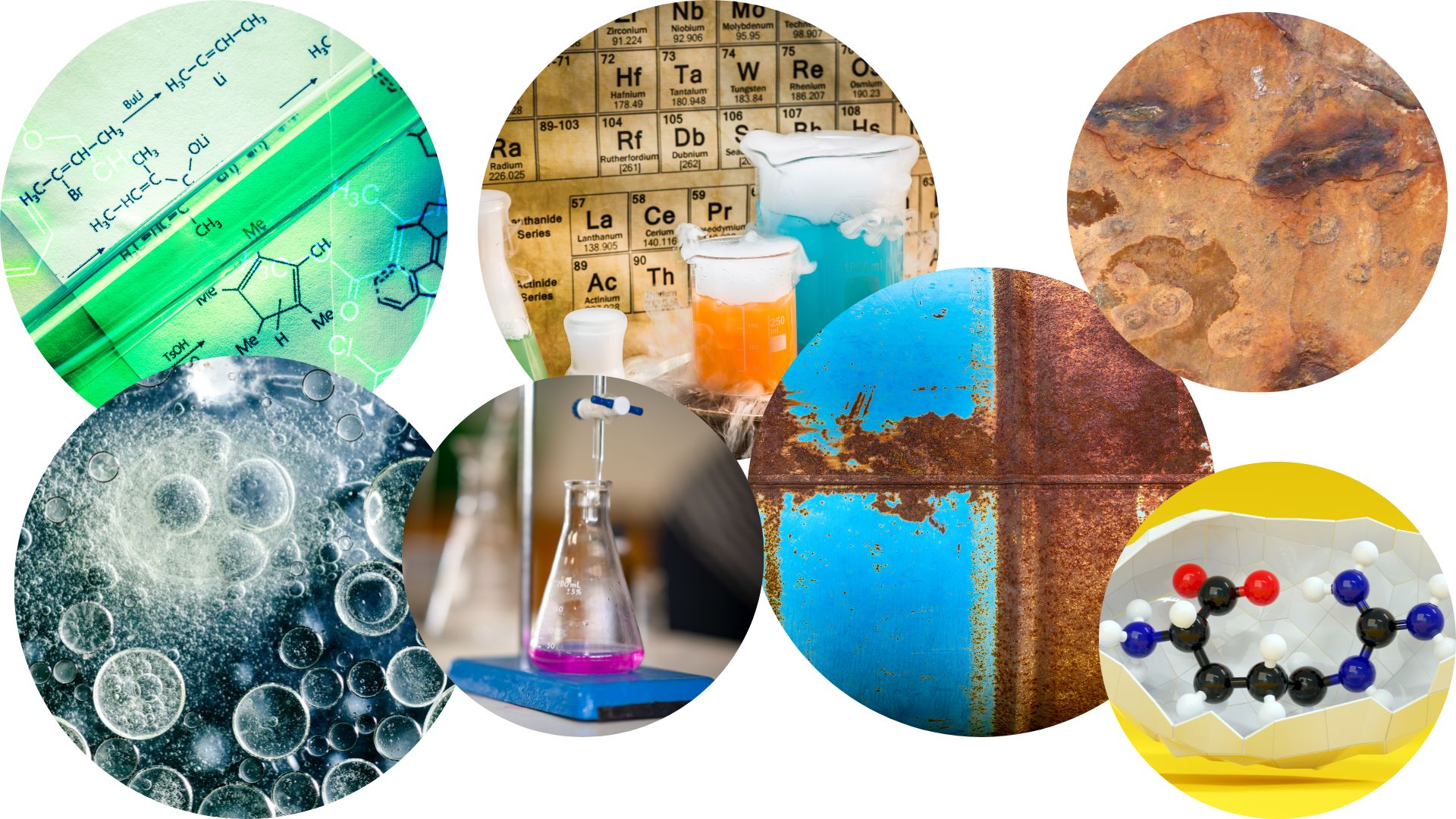
          Welcome to the General Chemistry 2 course, a part of the Pre-Health Sciences Training Certificate series. This course and certificate have been developed to cater to the needs of learners who are keen on gaining admission to health-related programs and who wish to fulfill the prerequisites for the Medical College Admission Test (MCAT).

          Our General Chemistry 2 course serves as an extension of the General Chemistry 1 course and offers learners a more comprehensive understanding of the foundational principles of chemistry. Through this course, learners will be able to delve deeper into the various topics covered in Module 1, providing a more expansive overview of the subject matter.

          The General Chemistry 2 course is sponsored in part by the International Development Research Centre and the University of the Incarnate Word School of Osteopathic Medicine. Like all NextGenU.org courses, it is competency-based, using competencies based on the Association of American Medical Colleges’ Medical College Admission Test.  It uses learning resources from accredited, academic, professional, and world-class organizations and universities such as Rice University. The course was designed by Alixandria Ali, BSc; Pablo Baldiviezo MD, MSc, DiplEd; Sherian Bachan MSc, BSc; Carolina Bustillos MD, DiplEd; Kabiru Gulma B. Pharm, MBA, MSc., Ph.D.; Felix Emeka Anyiam, MPH, MScPH, DataSc.; Marco Aurelio Hernandez Ph.D., MSc, MSc, BSc; Reisha Narine MSc, BSc; Sara Wildman, BSc; and Aduke Williams BA.

          For publications on NextGenU.org’s courses’ efficacy, see NextGenU.org’s publication page.

          https://lh3.googleusercontent.com/SS01oCdv8KoSNG0E53Hw3Mkt4IXRI_CSpvPdRpWDfE9CSQVOXOA4NRQoWledwTlnjYorMY3xups_OlicsBS8IzUGzET

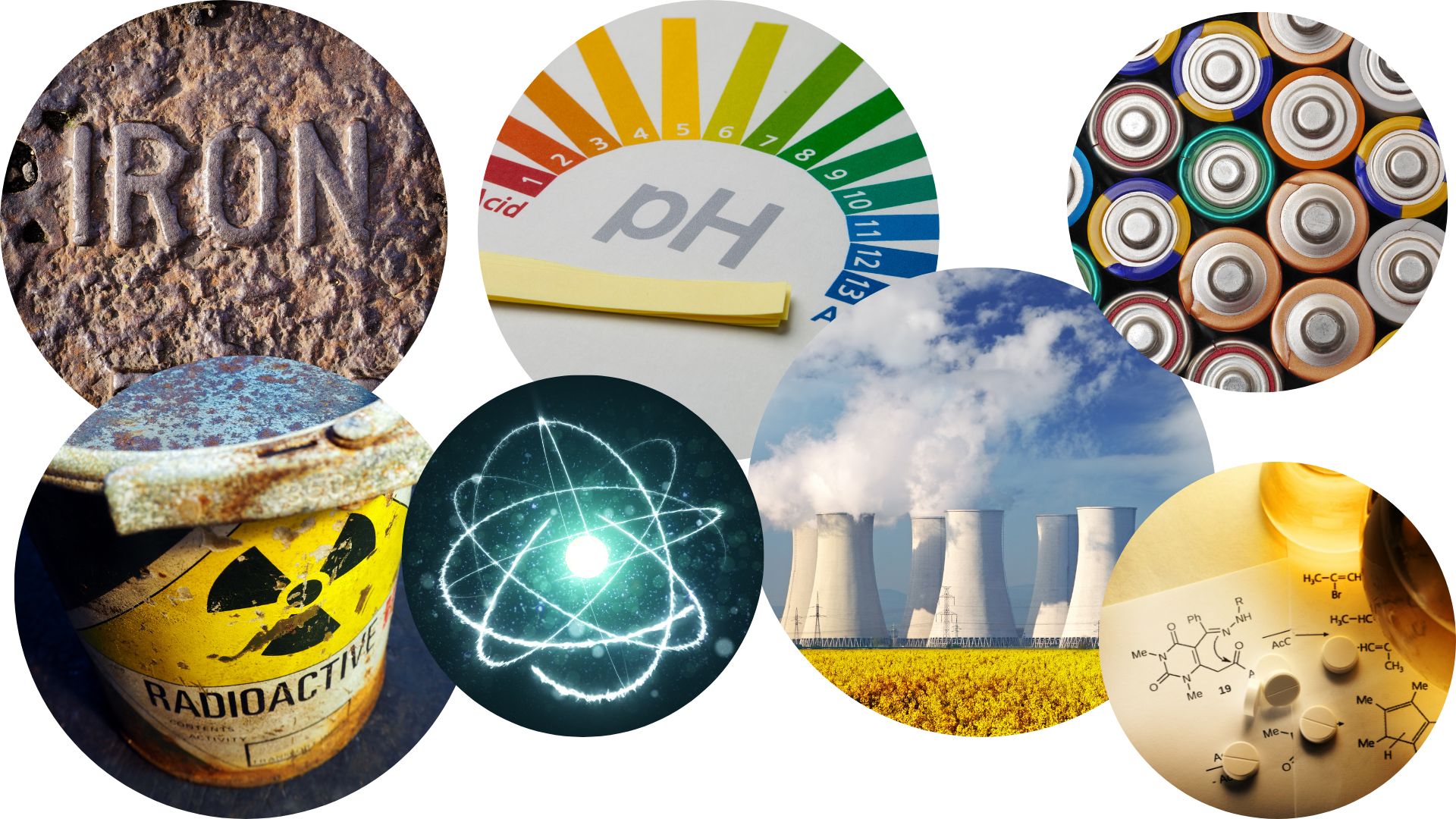
          There are eight (8) modules to complete, which provide an introduction to:

          Module 1: Thermochemistry and Thermodynamics
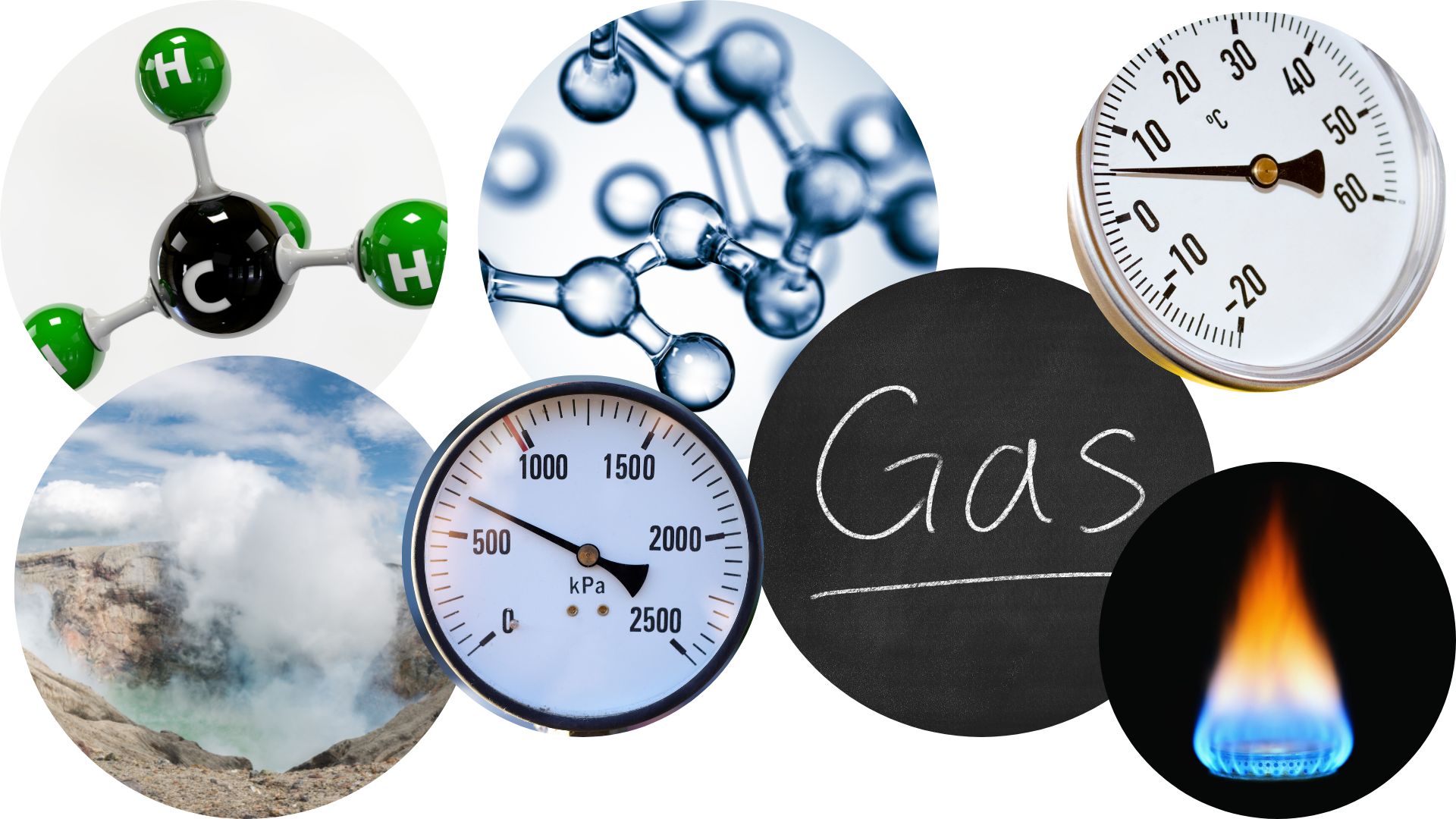
          Module 2: Gases
          Module 3: Aqueous Reactions and Solution Stoichiometry
          Module 4: Physical Properties of Solutions
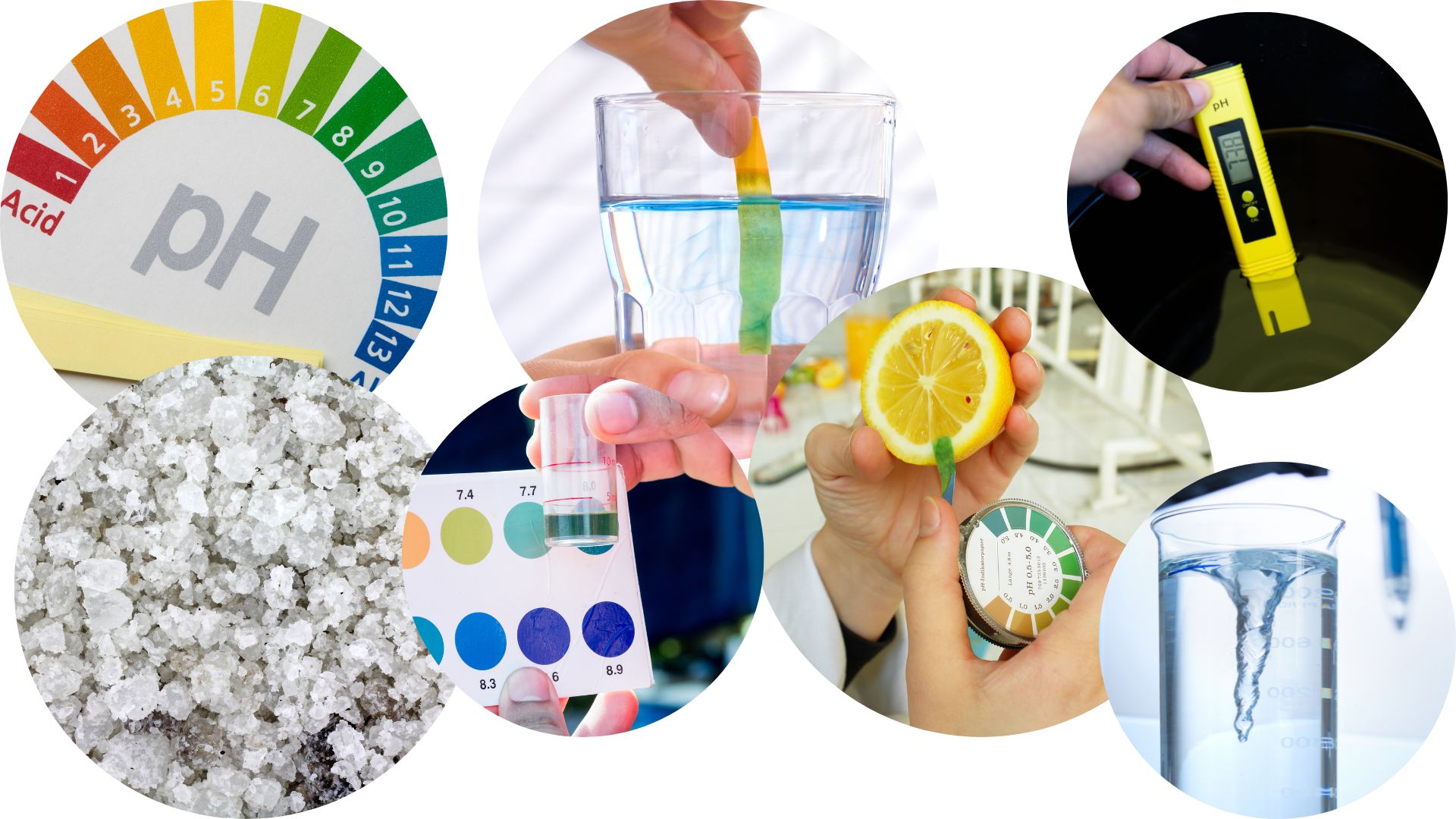
          Module 5:  Acids, Bases, and Salts
          Module 6: Equilibria of Other Reactions
          Module 7: Electrochemistry
          Module 8: Nuclear Chemistry

          The completion time for this course is estimated at 52 hours, comprising 15 hours of learning resources, 29 hours of studying and assimilation of the content, and 8 hours of participating in learning activities and quizzes to assist the learners in synthesizing learning materials. This course is equivalent to 1 credit hours in the U.S. undergraduate/bachelor’s degree system.

          The course requires the completion of all quizzes, discussion forums, and practical activities to receive a course certificate. Practice quizzes are available throughout the course and contain 10 Multiple-Choice Questions each. After you’ve completed each module, quiz, and learning activity, at the end of the course, you’ll have access to a final exam consisting of 40 Multiple-Choice Questions and a chance to evaluate this course. Participants have up to three opportunities to take the final exam and achieve the required passing score of >=80%. Once you’ve passed the final exam and completed the evaluations, you will be able to download a certificate of completion from NextGenU.org and our course’s co-sponsoring organizations. 

          We keep all of your personal information confidential, never sell any of your information, and only use anonymized data for research purposes. Also, we are happy to report your testing information and share your work with anyone (your school, employer, etc.) at your request. 

          Engaging with this Course:

          This free course is aimed at students who have graduated from high school and want to prepare to become a health professional and/or pass the MCAT exam. You can also browse this course for free to learn for your personal enrichment,

          If you are using the course to prepare for your career as a health professional or prepare for the MCAT exam, you must complete General Chemistry 1 before.

          To PASS and Obtain a Certificate, a learner must first register for the course and then successfully complete:

          • The pre-test,
          • All the reading requirements,
          • All quizzes and pass with 80% with unlimited attempts,
          • All learning activities,
          • The final exam with a minimum of 80% and a maximum of 3 attempts, and
          • The self and course evaluation forms.


          To obtain credit:

          • Complete all requirements listed above for the certificate, and
          • Your learning institution or workplace should approve the partner-university-sponsored NextGenU.org course for educational credit, as they usually would for their learner taking a course anywhere.

          NextGenU.org is happy to provide your institution with:

          • A link to and description of the course training so they can see all of its components, including the co-sponsoring institutions,
          • Your grade on the final exam,
          • Your work products (e.g., discussion forum responses) and any other required or optional shared materials that you produce and authorize to share with them, 
          • Your evaluations -- course and self-assessments,
          • A copy of your certificate of completion with the co-sponsoring organizations listed.

          To obtain a degree, NextGenU.org co-sponsors degree programs with institutional partners. To obtain a full degree co-sponsored with NextGenU.org, registrants must be enrolled in a degree program as a student of a NextGenU.org institutional partner. If you think your institution might be interested in offering a degree with NextGenU.org, contact us.

          We hope you will find this a rewarding learning experience, and we count on your assessment and feedback to help us improve this training for future students.

          Here are the next steps to take the course and earn a certificate:

          • Complete the registration form,
          • Take the pre-test, and 
          • Begin the course with Module 1: Building Blocks of Biochemistry. In each lesson, read the description, complete all required readings and any required activity, as well as take the corresponding quizzes.

        • Module 1: Thermochemistry and Thermodynamics

          Instructional Goals covered in this module:

          • Understand the properties and applications of energy changes in chemical reactions.
          • Understand the relationship between microscopic properties of molecules with thermodynamic observables.
        • Module 1: Lesson 1: Energy Basics

          Student Learning Outcomes:
          Upon completion of this lesson, you will be able to:
          • Define energy, distinguish types of energy, and describe the nature of energy changes that accompany chemical and physical changes.
          • Distinguish the related properties of heat, thermal energy, and temperature.
          • Define and distinguish specific heat and heat capacity, and describe the physical implications of both.
          • Perform calculations involving heat, specific heat, and temperature change.
          Approximate time required for the readings for this lesson (at 144 words/minute): 1 hour and 33 minutes.

          Click here to start this lesson

          • Students must
            Mark as done
            Required Learning Resources and Activities
          • url icon
            Energy Basics URL
            Students must
            View

            Read the entire section. ( 31 minutes)

            Chemistry libre texts - 2020

        • Module 1: Lesson 2: Calorimetry

          Student Learning Outcomes:
          Upon completion of this lesson, you will be able to:
          • Explain the technique of calorimetry.
          • Calculate and interpret heat and related properties using typical calorimetry data
          Approximate time required for the readings for this lesson (at 144 words/minute): 1 hour and 39 minutes.

          Click here to start this lesson

          • Students must
            Mark as done
            Required Learning Resources and Activities
          • url icon
            Calorimetry URL
            Students must
            View

            Read the entire section. (33 minutes)

            Chemistry libre texts - 2020

        • Module 1: Lesson 3: Enthalpy

          Student Learning Outcomes:
          Upon completion of this lesson, you will be able to:
          • State the first law of thermodynamics.
          • Define enthalpy and explain its classification as a state function.
          • Write and balance thermochemical equations.
          • Calculate enthalpy changes for various chemical reactions.
          • Explain Hess’s law and use it to compute reaction enthalpies.
          Approximate time required for the readings for this lesson (at 144 words/minute): 1 hour and 45 minutes.

          Click here to start this lesson

          • Students must
            Mark as done
            Required Learning Resources and Activities
          • url icon
            Enthalpy URL
            Students must
            View

            Read the entire section. (35 minutes)

            Chemistry libre texts - 2020

        • Module 1: Lesson 4: Spontaneity

          Student Learning Outcomes:
          Upon completion of this lesson, you will be able to:
          • Distinguish between spontaneous and nonspontaneous processes.
          • Explain the dispersal of matter and energy that accompanies certain spontaneous processes
          Approximate time required for the readings for this lesson (at 144 words/minute): 27 minutes.

          Click here to start this lesson

          • Students must
            Mark as done
            Required Learning Resources and Activities
          • url icon
            Spontaneity URL
            Students must
            View

            Read the contents under the headings "Learning Objectives" to "Key Concepts and Summary," and "Glossary." (9 minutes)

            boisestate.pressbooks.pub

        • Module 1: Lesson 5: Entropy

          Student Learning Outcomes:
          Upon completion of this lesson, you will be able to:
          • Define entropy.
          • Explain the relationship between entropy and the number of microstates.
          • Estimate the sign of the entropy change for chemical and physical processes.
          Approximate time required for the readings for this lesson (at 144 words/minute): 48 minutes.

          Click here to start this lesson

          • Students must
            Mark as done
            Required Learning Resources and Activities
          • url icon
            Entropy URL
            Students must
            View

            Read the contents under the headings "Learning Objectives" to "Key Concepts and Summary," and "Glossary." (16 minutes)

            boisestate.pressbooks.pub

        • Module 1: Lesson 6: The Second and Third Laws of Thermodynamics

          Student Learning Outcomes:
          Upon completion of this lesson, you will be able to:
          • State and explain the second and third laws of thermodynamics.
          • Calculate entropy changes for phase transitions and chemical reactions under standard conditions.
          Approximate time required for the readings for this lesson (at 144 words/minute): 30 minutes.

          Click here to start this lesson

          • Students must
            Mark as done
            Required Learning Resources and Activities
          • url icon
            The Second and Third Laws of Thermodynamics URL
            Students must
            View

            Read the contents under the headings "Learning Objectives" to "Key Concepts and Summary," and "Glossary." (10 minutes)

            boisestate.pressbooks.pub

        • Module 1: Lesson 7: Free Energy

          Student Learning Outcomes:
          Upon completion of this lesson, you will be able to:
          • Break down the concept of Gibbs free energy and describe its relation to spontaneity.
          • Calculate free energy change for a process using free energies of formation for its reactants and products.
          • Calculate free energy change for a process using enthalpies of formation and the entropies for its reactants and products.
          • Explain how temperature affects the spontaneity of some processes.
          • Relate standard free energy changes to equilibrium constants.
          Approximate time required for the readings for this lesson (at 144 words/minute): 2 hours and 58 minutes.

          Click here to start this lesson

          • Students must
            Mark as done
            Required Learning Resources and Activities
          • url icon
            Free Energy URL
            Students must
            View

            Read the contents under the headings "Learning Objectives" to "Key Concepts and Summary," and "Glossary." (16 minutes)

            boisestate.pressbooks.pub

          • forum icon
            Reflection Peer Activity 1: Thermodynamic Calculations (120 minutes) Forum
            Students must
            View
            Start discussions: 1

            General Instructions

            In this learning activity, you will reflect on all you have learned about thermochemistry and thermodynamics in order to perform calculations involving heat, enthalpy, entropy, or free energy and write a balanced chemical reaction. To successfully achieve this, you will need to review all the study materials for Module One.

            Step 1: Review

            Review the material based on the topics below.

            • Energy Basics
            • Enthalpy
            • The Second and Third Laws of Thermodynamics
            • Free Energy

            Step 2: Respond

            Read the scenario below, and using supporting data to back your arguments, prepare a 500-600 word written piece that answers all of the questions: 

            Case Scenario:

            An experiment was conducted to find the thermochemical and thermodynamic properties of a reaction. The reaction is between potassium chloride (KCl) and sulfuric acid (H2SO4). The reaction is as follows:

            In the experiment, the following values were obtained:

            • Mass of KCl = 2.4 g 
            • Temperature at start of reaction = 21°C
            • Temperature at the end of reaction = 28°C
            • Heat of fusion of KCl = 4.17 kJ/mol
            • Heat of reaction = -36.8 kJ
            • Entropy change of reaction = -21.2 J/K
            • Free energy of reaction = -30.2 kJ

            Questions:

            1. How much heat was released during the reaction?
            2. What is the enthalpy change of the reaction?
            3. What is the entropy change of the reaction at 25°C?
            4. What is the free energy change of the reaction at 25°C?
            5. How much energy is required to melt 1 mol of KCl?

            Step 3: Share 

            To share your work, click on the “Add a new discussion topic” button under this post and paste your work into the “Message” box. Make sure to reference others’ intellectual property when necessary. All references should follow 7th Edition APA formatting. For further instructions, see the resource on the Himmelfarb Health Sciences Library: APA citation resource (N.B.: references are excluded from word counts).

            Step 4: Interact 

            To complete the activity, evaluate and categorize the work from one of your peers based on items A - E of the rubric below. Provide a rationale for the grade you have provided, as well as comments or suggestions for improvement. To post a reply, click “Reply” on a particular discussion, write your feedback and then click on “Post to forum.” 

            You can use the list below as an example:

            Item A is  .…. because….  My suggestions for improvement are….
            Item B is  .…. because….  My suggestions for improvement are….
            Item C is  .…. because….  My suggestions for improvement are….
            Item D is  .…. because….  My suggestions for improvement are….
            Item E is  .…. because….  My suggestions for improvement are….

            OPTIONAL Step 5: Interact (10 minutes)

            If you would like to, you can reply to your peers' posts in a respectful and professional manner. Ensure that your post engages your peers' ideas by including a reflection on their comments, sharing ideas of other potential difficulties and parties involved, or asking thought-provoking questions. If a peer comments on your posting, please reply. To post a reply, click “Reply” on a particular discussion, write your feedback and then click on “Post to forum.”


          • quiz icon
            Quiz: Module 1
            Students must
            View
            Receive a grade
            Receive a passing grade

            To access the quiz, click on the name of the quiz provided above. On the following screen, click the attempt quiz button to view the case studies and respond to the questions.

        • Module 2: Gases

          Instructional Goals covered in this module:

          • Apply the “gas laws” governing the physical/chemical behavior of gases to understand the mathematical relationship between pressure, volume, and temperature of a gas, the partial pressures of a gas in a mixture, quantitative relationships of reactants and products in a gaseous reaction and the behavior and properties of gases at the molecular level.
        • Module 2: Lesson 1: Gas Pressure

          Student Learning Outcomes:
          Upon completion of this lesson, you will be able to:
          • Define the property of pressure and convert among the units of pressure measurements.
          • Explain the operation of common tools for measuring gas pressure.
          • Calculate pressure from manometer data.
          Approximate time required for the readings for this lesson (at 144 words/minute): 1 hour.

          Click here to start this lesson

          • Students must
            Mark as done
            Required Learning Resources and Activities
          • url icon
            Gas Pressure URL
            Students must
            View

            Read the contents under the headings "Learning Objectives" to "Key Concepts and Summary," and "Glossary." (20 minutes)

            boisestate.pressbooks.pub

        • Module 2: Lesson 2: Relating Pressure, Volume, Amount, and Temperature: The Ideal Gas Law

          Student Learning Outcomes:
          Upon completion of this lesson, you will be able to:
          • Examine the mathematical relationships between the various properties of gases.
          • Use the ideal gas law, and related gas laws, to compute the values of various gas properties under specified conditions.
          Approximate time required for the readings for this lesson (at 144 words/minute): 1 hour and 12 minutes.

          Click here to start this lesson

          • Students must
            Mark as done
            Required Learning Resources and Activities
          • url icon
            Relating Pressure, Volume, Amount, and Temperature: The Ideal Gas Law URL
            Students must
            View

            Read the contents under the headings "Learning Objectives" to "Key Concepts and Summary," and "Glossary." (24 minutes)

            boisestate.pressbooks.pub

        • Module 2: Lesson 3: Stoichiometry of Gaseous Substances, Mixtures, and Reactions

          Student Learning Outcomes:
          Upon completion of this lesson, you will be able to:
          • Determine the density and molar masses of a gas using the ideal gas law.
          • Perform stoichiometric calculations involving gaseous substances.
          • Examine Dalton’s law of partial pressures and implement it in calculations involving gaseous mixtures.
          Approximate time required for the readings for this lesson (at 144 words/minute): 45 minutes.

          Click here to start this lesson

          • Students must
            Mark as done
            Required Learning Resources and Activities
          • url icon
            Stoichiometry of Gaseous Substances, Mixtures, and Reactions URL
            Students must
            View

            Read the contents under the headings "Learning Objectives" to "Key Concepts and Summary," and "Glossary." (15 minutes)

            boisestate.pressbooks.pub

        • Module 2: Lesson 4: Effusion and Diffusion of Gases

          Student Learning Outcomes:
          Upon completion of this lesson, you will be able to:
          • Define and explain effusion and diffusion.
          • Describe how individual gas molecules move when undergoing diffusion.
          • Calculate the ratio of effusion rates of gases.
          • Describe Graham’s law and use it to compute relevant gas properties.
          Approximate time required for the readings for this lesson (at 144 words/minute): 33 minutes.

          Click here to start this lesson

          • Students must
            Mark as done
            Required Learning Resources and Activities
          • url icon
            Effusion and Diffusion of Gases URL
            Students must
            View

            Read the contents under the headings "Learning Objectives" to "Key Concepts and Summary," and "Glossary." (11 minutes)

            boisestate.pressbooks.pub

        • Module 2: Lesson 5: The Kinetic-Molecular Theory

          Student Learning Outcomes:
          Upon completion of this lesson, you will be able to:
          • Explain the postulates of the kinetic-molecular theory.
          • Use this theory’s postulates to explain the gas laws.
          • Judge how the root-mean-square (rms) molecular speed and molecular-speed distribution of gas molecules varies with temperature.
          • Calculate the rms speed of gas molecules.
          Approximate time required for the readings for this lesson (at 144 words/minute): 42 minutes.

          Click here to start this lesson

          • Students must
            Mark as done
            Required Learning Resources and Activities
          • url icon
            Kinetic Molecular Theory URL
            Students must
            View

            Read the contents under the headings "Learning Objectives" to "Key Concepts and Summary," and "Glossary." (14 minutes)

            boisestate.pressbooks.pub

        • Module 2: Lesson 6: Non-Ideal Gas Behavior

          Student Learning Outcomes:
          Upon completion of this lesson, you will be able to:
          • Examine the physical factors that lead to deviations from ideal gas behavior.
          • Explain how the physical factors are represented in the van der Waals equation.
          • Define compressibility (Z) and describe how its variation with pressure reflects non-ideal behavior.
          • Quantify non-ideal behavior by comparing computations of gas properties using the ideal gas law and the van der Waals equation.
          Approximate time required for the readings for this lesson (at 144 words/minute): 2 hours and 16 minutes.

          Click here to start this lesson

          • Students must
            Mark as done
            Required Learning Resources and Activities
          • url icon
            Non-Ideal Gas Behavior URL
            Students must
            Mark as done

            Read the contents under the headings "Learning Objectives" to "Key Concepts and Summary," and "Glossary." (12 minutes)

            boisestate.pressbooks.pub

          • forum icon
            Discussion Forum: Gases (90 minutes)
            Students must
            View
            Start discussions: 1

            General Instructions

            In this activity, you will describe the ideal gas law, effusion and diffusion, and non-ideal gas behavior. You will also calculate pressure and determine the density and molar masses of a gas using the ideal gas law. To successfully achieve this, you will need to review all the study materials for Module Two.

            Step 1: Select and Reflect

            Select one of the following lessons below and reflect on how they are applied in practical settings.

            • Gas Pressure
            • Relating Pressure, Volume, Amount, and Temperature: The Ideal Gas Law
            • Stoichiometry of Gaseous Substances, Mixtures, and Reactions
            • Effusion and Diffusion of Gases
            • Non-Ideal Gas Behavior

            Step 2: Respond

            Using supporting data to back your arguments, prepare a 500-600 word written piece which discusses any one of the following: 

            • Describe some of the practical applications of using pressurized gas to power machines and the safety considerations for working with high gas pressures in industrial settings.
            • Describe how changing the temperature of an ideal gas affects the relationship between its pressure, volume, and amount.
            • Discuss why some gases diffuse more readily than others and how temperature affects the rate of diffusion.
            • What are the limitations of real gases compared to ideal gases, and how can we account for non-ideal behavior in our models?
            • Given that the Ideal Gas Law equation is PV = nRT, what is the density (ρ) of a gas with a pressure of 1.2 atm, a molar mass of 32 g/mol and a temperature of 25°C?

            Step 3: Share 

            To share your work, click on the “Add a new discussion topic” button under this post and paste your work into the “Message” box. Make sure to reference others’ intellectual property when necessary. All references should follow 7th Edition APA formatting. For further instructions, see the resource on the Himmelfarb Health Sciences Library: APA citation resource (N.B.: references are excluded from word counts).

            Step 4: Interact 

            To complete the activity, you will need to reply to at least two posts made by your peers in a respectful and professional manner. Be sure your post engages your peers' ideas by including a reflection on their comments, sharing ideas on other potential difficulties and parties involved, or asking thought-provoking questions. If a peer comments on your posting, please reply. To post a reply, click “Reply” on a particular discussion, write your feedback and then click on “Post to forum.”

            OPTIONAL Step 5: Interact (10 minutes)

            If you would like to, you can reply to your peers' posts in a respectful and professional manner. Ensure that your post engages your peers' ideas by including a reflection on their comments, sharing ideas of other potential difficulties and parties involved, or asking thought-provoking questions. If a peer comments on your posting, please reply. To post a reply, click “Reply” on a particular discussion, write your feedback and then click on “Post to forum.”


          • quiz icon
            Quiz: Module 2
            Students must
            View
            Receive a grade
            Receive a passing grade

            To access the quiz, click on the name of the quiz provided above. On the following screen, click the attempt quiz button to view the case studies and respond to the questions.

        • Module 3: Aqueous Reactions and Solution Stoichiometry

          Instructional Goals covered in this module:

          • Understand the fundamentals of acid/base reactions, redox reactions, and precipitation reactions.
        • Module 3: Lesson 1: General Properties of Aqueous Solutions

          Student Learning Outcomes:
          Upon completion of this lesson, you will be able to:
          • Describe how and why solutions form.
          • Define polar substances.
          • Identify electrolytes in solutions.
          Approximate time required for the readings for this lesson (at 144 words/minute): 30 minutes.

          Click here to start this lesson

          • Students must
            Mark as done
            Required Learning Resources and Activities
          • url icon
            General Properties of Aqueous Solutions URL
            Students must
            View

            Read the entire section. (10 minutes)

            Chemistry libre texts - 2016

        • Module 3: Lesson 2: Precipitation Reactions

          Student Learning Outcomes:
          Upon completion of this lesson, you will be able to:
          • Identify the characteristics of a precipitation reaction.
          • Use guidelines to predict the solubility of ionic compounds in water.
          Approximate time required for the readings for this lesson (at 144 words/minute): 1 hour and 33 minutes.

          Click here to start this lesson

          • Students must
            Mark as done
            Required Learning Resources and Activities
          • url icon
            Precipitation Reactions URL
            Students must
            View

            Read the entire section and look at the video contents. (31 minutes)

            Chemistry libre texts - 2016

        • Module 3: Lesson 3: Introduction to Acid-Base Reactions

          Student Learning Outcomes:
          Upon completion of this lesson, you will be able to:
          • Examine the principal properties of acids and bases.
          • Describe acids and bases using the Arrhenius and /Bronsted-Lowry definition.
          Approximate time required for the readings for this lesson (at 144 words/minute): 1 hour and 3 minutes.

          Click here to start this lesson

          • Students must
            Mark as done
            Required Learning Resources and Activities
          • url icon
            An Introduction to Acid-Base Reactions URL
            Students must
            View

            Read the entire section and look at the video content. (21 minutes)

            Chemistry libre texts - 2016

        • Module 3: Lesson 4: Introduction to Oxidation-Reduction Reactions

          Student Learning Outcomes:
          Upon completion of this lesson, you will be able to:
          • Identify oxidation–reduction reactions in solution.
          • Identify the characteristics required in chemical reactions in order to be considered as redox reactions.
          Approximate time required for the readings for this lesson (at 144 words/minute): 1 hour and 18 minutes.

          Click here to start this lesson

          • Students must
            Mark as done
            Required Learning Resources and Activities
          • url icon
            Introduction to Oxidation-Reduction Reactions URL
            Students must
            View

            Read the entire section. (26 minutes)

            Chemistry libre texts - 2016

        • Module 3: Lesson 5: Concentration of a Solution

          Student Learning Outcomes:
          Upon completion of this lesson, you will be able to:
          • Describe the concentrations of solutions quantitatively.
          • Determine how solutions are prepared.
          Approximate time required for the readings for this lesson (at 144 words/minute): 1 hour and 30 minutes.

          Click here to start this lesson

          • Students must
            Mark as done
            Required Learning Resources and Activities
          • url icon
            Concentration of a Solution URL
            Students must
            View

            Read the entire section and look at the video contents. (30 minutes)

            Chemistry libre texts (Heartland Community College) - 2016

        • Module 3: Lesson 6: Solution Stoichiometry and Chemical Analysis

          Student Learning Outcomes:
          Upon completion of this lesson, you will be able to:
          • Calculate the concentration of an unknown solution using a titration.
          Approximate time required for the readings for this lesson (at 144 words/minute): 2 hours and 4 minutes.

          Click here to start this lesson

          • Students must
            Mark as done
            Required Learning Resources and Activities
          • url icon
            Solution Stoichiometry and Chemical Analysis URL
            Students must
            View

            Read the entire section and look at the video contents. (18 minutes)

            Chemistry libre texts (Heartland Community College) - 2016

          • forum icon
            Discussion Forum: Solution Stoichiometry (60 minutes)
            Students must
            View
            Start discussions: 1

            General Instructions

            In this activity, you will describe the general properties of aqueous solutions, precipitation reactions, acid-base reactions, and oxidation-reduction reactions. You will also calculate the concentration of unknown solutions using titration. To successfully achieve this, you will need to review all the study materials for Module Three.

            Step 1: Select and Reflect

            Select one of the following lessons below and reflect on how they are applied in practical settings.

            • General Properties of Aqueous Solutions
            • Precipitation Reactions
            • Introduction to Acid-Base Reactions
            • Introduction to Oxidation-Reduction Reactions
            • Concentration of a Solution

            Step 2: Respond

            Using supporting data to back your arguments, prepare a 350-500 word written piece which discusses any one of the following:

            • How can you use electrochemical methods to identify the presence of electrolytes in a solution accurately?
            • Describe the predictive models that can be used to determine the solubility of ionic compounds in water.
            • What is the Henderson-Hasselbalch equation, and how is it used to calculate the pH of a buffer solution?
            • Describe what species gains electrons in an oxidation-reduction reaction, what happens when zinc metal reacts with hydrochloric acid, and what is said to be oxidized in an oxidation-reduction reaction.

            Step 3: Share 

            To share your work, click on the “Add a new discussion topic” button under this post and paste your work into the “Message” box. Make sure to reference others’ intellectual property when necessary. All references should follow 7th Edition APA formatting. For further instructions, see the resource on the Himmelfarb Health Sciences Library: APA citation resource (N.B.: references are excluded from word counts).

            Step 4: Interact 

            To complete the activity, evaluate and categorize the work from one of your peers based on items A - E of the rubric below. Provide a rationale for the grade you have provided, as well as comments or suggestions for improvement. To post a reply, click “Reply” on a particular discussion, write your feedback and then click on “Post to forum.” You can use the list below as an example:

            Item A is  .…. because….  My suggestions for improvement are….
            Item B is  .…. because….  My suggestions for improvement are….
            Item C is  .…. because….  My suggestions for improvement are….
            Item D is  .…. because….  My suggestions for improvement are….
            Item E is  .…. because….  My suggestions for improvement are….

            OPTIONAL Step 5: Interact (10 minutes)

            If you would like to, you can reply to your peers' posts in a respectful and professional manner. Ensure that your post engages your peers' ideas by including a reflection on their comments, sharing ideas of other potential difficulties and parties involved, or asking thought-provoking questions. If a peer comments on your posting, please reply. To post a reply, click “Reply” on a particular discussion, write your feedback and then click on “Post to forum.”


          • quiz icon
            Quiz: Module 3
            Students must
            View
            Receive a grade
            Receive a passing grade

            To access the quiz, click on the name of the quiz provided above. On the following screen, click the attempt quiz button to view the case studies and respond to the questions.

        • Module 4: Physical Properties of Solutions

          Instructional Goals covered in this module:

          • Understand solubility, complex ion equilibria, and the basic (colligative) properties of solutions.
        • Module 4: Lesson 1: The Dissolution Process

          Student Learning Outcomes:
          Upon completion of this lesson, you will be able to:
          • Describe the basic properties of solutions and how they form.
          • Predict whether a given mixture will yield a solution based on molecular properties of its components.
          • Explain why some solutions either produce or absorb heat when they form.
          Approximate time required for the readings for this lesson (at 144 words/minute): 45 minutes.

          Click here to start this lesson

          • Students must
            Mark as done
            Required Learning Resources and Activities
          • url icon
            The Dissolution Process URL
            Students must
            View

            Read the contents under the headings "Learning Objectives" to "Key Concepts and Summary," and "Glossary." (15 minutes)

            boisestate.pressbooks.pub

        • Module 4: Lesson 2: Electrolytes

          Student Learning Outcomes:
          Upon completion of this lesson, you will be able to:
          • Define and give examples of electrolytes.
          • Distinguish between the physical and chemical changes that accompany dissolution of ionic and covalent electrolytes.
          • Relate electrolyte strength to solute-solvent attractive forces.
          Approximate time required for the readings for this lesson (at 144 words/minute): 30 minutes.

          Click here to start this lesson

          • Students must
            Mark as done
            Required Learning Resources and Activities
          • url icon
            Electrolytes URL
            Students must
            View

            Read the contents under the headings "Learning Objectives" to "Key Concepts and Summary," and "Glossary." (10 minutes)

            boisestate.pressbooks.pub

        • Module 4: Lesson 3: Solubility

          Student Learning Outcomes:
          Upon completion of this lesson, you will be able to:
          • Describe the effects of temperature and pressure on solubility.
          • State Henry’s law and use it in calculations involving the solubility of a gas in a liquid.
          • Explain the degrees of solubility possible for liquid-liquid solutions.
          Approximate time required for the readings for this lesson (at 144 words/minute): 1 hour and 24 minutes.

          Click here to start this lesson

          • Students must
            Mark as done
            Required Learning Resources and Activities
          • url icon
            Solubility URL
            Students must
            View

            Read the contents under the headings "Learning Objectives" to "Key Concepts and Summary," and "Glossary." (28 minutes)

            boisestate.pressbooks.pub

        • Module 4: Lesson 4: Colligative Properties

          Student Learning Outcomes:
          Upon completion of this lesson, you will be able to:
          • Express concentrations of solution components using mole fraction and molality.
          • Describe the effect of solute concentration on various solution properties (vapor pressure, boiling point, freezing point, and osmotic pressure).
          • Perform calculations using the mathematical equations that describe these various colligative effects.
          • Describe the process of distillation and its practical applications.
          • Explain the process of osmosis and describe how it is applied industrially and in nature
          Approximate time required for the readings for this lesson (at 144 words/minute): 1 hour and 33 minutes.

          Click here to start this lesson

          • Students must
            Mark as done
            Required Learning Resources and Activities
          • url icon
            Colligative Properties URL
            Students must
            View

            Read the contents under the headings "Learning Objectives" to "Key Concepts and Summary," and "Glossary." (31 minutes)

            boisestate.pressbooks.pub

        • Module 4: Lesson 5: Colloids

          Student Learning Outcomes:
          Upon completion of this lesson, you will be able to:
          • Describe the composition and properties of colloidal dispersions.
          • List and explain several technological applications of colloids.
          • Distinguish between dispersion methods and condensation methods for preparing colloidal systems.
          • Describe how colloidal particles are electrically charged.
          Approximate time required for the readings for this lesson (at 144 words/minute): 1 hour.

          Click here to start this lesson

          • Students must
            Mark as done
            Required Learning Resources and Activities
          • url icon
            Colloids URL
            Students must
            View

            Read the contents under the headings "Learning Objectives" to "Key Concepts and Summary," and "Glossary." (20 minutes)

            boisestate.pressbooks.pub

        • Module 4: Lesson 6: Common Ion Effect

          Student Learning Outcomes:
          Upon completion of this lesson, you will be able to:
          • Recognize common ions from various salts, acids, and bases.
          • Calculate concentrations involving common ions.
          • Calculate ion concentrations involving chemical equilibrium.
          Approximate time required for the readings for this lesson (at 144 words/minute): 40 minutes.

          Click here to start this lesson

          • Students must
            Mark as done
            Required Learning Resources and Activities
          • url icon
            Common Ion Effect URL
            Students must
            View

            Read the entire section. (10 minutes)

            Chemistry libretexts - 2021

          • quiz icon
            Quiz: Module 4
            Students must
            View
            Receive a grade
            Receive a passing grade

            To access the quiz, click on the name of the quiz provided above. On the following screen, click the attempt quiz button to view the case studies and respond to the questions.

        • Module 5: Acids, Bases, and Salts

          Instructional Goals covered in this module:

          • Understand the fundamentals of acid/base equilibria, including pH calculations, buffer behavior, acid/base titrations, and their relationship to electrophiles and nucleophiles.
        • Module 5: Lesson 1: Brønsted-Lowry Acids and Bases

          Student Learning Outcomes:
          Upon completion of this lesson, you will be able to:
          • Identify acids, bases, and conjugate acid-base pairs according to the Brønsted-Lowry definition.
          • Write equations for acid and base ionization reactions.
          • Use the ion-product constant for water to calculate hydronium and hydroxide ion concentrations.
          • Describe the acid-base behavior of amphiprotic substances.
          Approximate time required for the readings for this lesson (at 144 words/minute): 45 minutes.

          Click here to start this lesson

          • Students must
            Mark as done
            Required Learning Resources and Activities
          • url icon
            Brønsted-Lowry Acids and Bases URL
            Students must
            View

            Read the contents under the headings "Learning Objectives" to "Key Concepts and Summary," and "Glossary." (15 minutes)

            boisestate.pressbooks.pub

        • Module 5: Lesson 2: pH and pOH

          Student Learning Outcomes:
          Upon completion of this lesson, you will be able to:
          • Explain the characterization of aqueous solutions as acidic, basic, or neutral.
          • Express hydronium and hydroxide ion concentrations on the pH and pOH scales.
          • Perform calculations relating pH and pOH.
          Approximate time required for the readings for this lesson (at 144 words/minute): 30 minutes.

          Click here to start this lesson

          • Students must
            Mark as done
            Required Learning Resources and Activities
          • url icon
            pH and pOH URL
            Students must
            View

            Read the contents under the headings "Learning Objectives" to "Key Concepts and Summary," and "Glossary." (10 minutes)

            boisestate.pressbooks.pub

        • Module 5: Lesson 3 : Relative Strengths of Acids and Bases

          Student Learning Outcomes:
          Upon completion of this lesson, you will be able to:
          • Assess the relative strengths of acids and bases according to their ionization constants.
          • Rationalize trends in acid–base strength in relation to molecular structure.
          • Carry out equilibrium calculations for weak acid–base systems.
          • Deduce whether a salt solution will be acidic, basic, or neutral.
          • Calculate the concentrations of the various species in a salt solution.
          • Describe the process that causes solutions of certain metal ions to be acidic.
          Approximate time required for the readings for this lesson (at 144 words/minute): 2 hours and 39 minutes.

          Click here to start this lesson

          • Students must
            Mark as done
            Required Learning Resources and Activities
          • url icon
            Relative Strengths of Acids and Bases URL
            Students must
            View

            Read the contents under the headings "Learning Objectives" to "Key Concepts and Summary," and "Glossary." (32 minutes)

            boisestate.pressbooks.pub

          • url icon
            Hydrolysis of Salts URL
            Students must
            View

            Read the contents under the headings "Learning Objectives" to "Key Concepts and Summary," and "Glossary." (21 minutes)

            boisestate.pressbooks.pub

        • Module 5: Lesson 4: Polyprotic Acids

          Student Learning Outcomes:
          Upon completion of this lesson, you will be able to:
          • Extend previously introduced equilibrium concepts to acids and bases that may donate or accept more than one proton.
          Approximate time required for the readings for this lesson (at 144 words/minute): 45 minutes.

          Click here to start this lesson

          • Students must
            Mark as done
            Required Learning Resources and Activities
          • url icon
            Polyprotic Acids URL
            Students must
            View

            Read the contents under the headings "Learning Objectives" to "Key Concepts and Summary," and "Glossary." (15 minutes)

            boisestate.pressbooks.pub

        • Module 5: Lesson 5: Buffers

          Student Learning Outcomes:
          Upon completion of this lesson, you will be able to:
          • Breakdown the composition and function of acid–base buffers.
          • Calculate the pH of a buffer before and after the addition of added acid or base.
          Approximate time required for the readings for this lesson (at 144 words/minute): 51 minutes.

          Click here to start this lesson

          • Students must
            Mark as done
            Required Learning Resources and Activities
          • url icon
            Buffers URL
            Students must
            View

            Read the contents under the headings "Learning Objectives" to "Key Concepts and Summary," and "Glossary." (17 minutes)

            boisestate.pressbooks.pub

        • Module 5: Lesson 6: Acid-Base Titrations

          Student Learning Outcomes:
          Upon completion of this lesson, you will be able to:
          • Interpret titration curves for strong and weak acid-base systems.
          • Compute sample pH at important stages of a titration.
          • Explain the function of acid-base indicators.
          Approximate time required for the readings for this lesson (at 144 words/minute): 55 minutes.

          Click here to start this lesson

          • Students must
            Mark as done
            Required Learning Resources and Activities
          • url icon
            Acid-Base Titrations URL
            Students must
            View

            Read the contents under the headings "Learning Objectives" to "Key Concepts and Summary," and "Glossary." (15 minutes)

            boisestate.pressbooks.pub

          • quiz icon
            Quiz: Module 5
            Students must
            View
            Receive a grade
            Receive a passing grade

            To access the quiz, click on the name of the quiz provided above. On the following screen, click the attempt quiz button to view the case studies and respond to the questions.

        • Module 6: Equilibria of Other Reactions

          Instructional Goals covered in this module:

          • Understand the principles of Lewis acids and bases and Chemical Equilibria.
        • Module 6: Lesson 1: Precipitation and Dissolution

          Student Learning Outcomes:
          Upon completion of this lesson, you will be able to:
          • Write chemical equations and equilibrium expressions representing solubility equilibria.
          • Carry out equilibrium computations involving solubility, equilibrium expressions, and solute concentrations.
          Approximate time required for the readings for this lesson (at 144 words/minute): 1 hour and 3 minutes.

          Click here to start this lesson

          • Students must
            Mark as done
            Required Learning Resources and Activities
          • url icon
            Precipitation and Dissolution URL
            Students must
            View

            Read the contents under the headings "Learning Objectives" to "Key Concepts and Summary," and "Glossary." (21 minutes)

            boisestate.pressbooks.pub

        • Module 6: Lesson 2: Lewis Acids and Bases

          Student Learning Outcomes:
          Upon completion of this lesson, you will be able to:
          • Explain the Lewis model of acid-base chemistry.
          • Write equations for the formation of adducts and complex ions.
          • Perform equilibrium calculations involving formation constants.
          Approximate time required for the readings for this lesson (at 144 words/minute): 45 minutes.

          Click here to start this lesson

          • Students must
            Mark as done
            Required Learning Resources and Activities
          • url icon
            Lewis Acids and Bases URL
            Students must
            View

            Read the contents under the headings "Learning Objectives" to "Key Concepts and Summary," and "Glossary." (15 minutes)

            boisestate.pressbooks.pub

        • Module 6: Lesson 3: Coupled Equilibria

          Student Learning Outcomes:
          Upon completion of this lesson, you will be able to:
          • Describe examples of systems involving two (or more) simultaneous chemical equilibria.
          • Calculate reactant and product concentrations for multiple equilibrium systems.
          • Compare dissolution and weak electrolyte formation.
          Approximate time required for the readings for this lesson (at 144 words/minute): 44 minutes.

          Click here to start this lesson

          • Students must
            Mark as done
            Required Learning Resources and Activities
          • url icon
            Coupled Equilibria URL
            Students must
            View

            Read the contents under the headings "Learning Objectives" to "Key Concepts and Summary," and "Glossary." (12 minutes)

            boisestate.pressbooks.pub

          • quiz icon
            Quiz: Module 6
            Students must
            View
            Receive a grade
            Receive a passing grade

            To access the quiz, click on the name of the quiz provided above. On the following screen, click the attempt quiz button to view the case studies and respond to the questions.

        • Module 7: Electrochemistry

          Instructional Goals covered in this module:

          • Understand the basics of electrochemistry, and the relationship of electrical parameters to thermodynamic and stoichiometric parameters.
        • Modulo 7: Lesson 1: Balancing Oxidation-Reduction Reactions

          Student Learning Outcomes:
          Upon completion of this lesson, you will be able to:
          • Define electrochemistry and a number of important associated terms.
          • Split oxidation-reduction reactions into their oxidation half-reactions and reduction half-reactions.
          • Produce balanced oxidation-reduction equations for reactions in acidic or basic solutions.
          • Identify oxidizing agents and reducing agents.
          Approximate time required for the readings for this lesson (at 144 words/minute): 1 hour and 6 minutes.

          Click here to start this lesson

          • Students must
            Mark as done
            Required Learning Resources and Activities
          • url icon
            Balancing Oxidation-Reduction Reactions URL
            Students must
            View

            Read the contents under the headings "Learning Objectives" to "Key Concepts and Summary," and "Glossary" (22 minutes)

            boisestate.pressbooks.pub

        • Module 7: Lesson 2: Galvanic Cells

          Student Learning Outcomes:
          Upon completion of this lesson, you will be able to:
          • Use cell notation to describe galvanic cells.
          • Describe the basic components of galvanic cells.
          Approximate time required for the readings for this lesson (at 144 words/minute): 39 minutes.

          Click here to start this lesson

          • Students must
            Mark as done
            Required Learning Resources and Activities
          • url icon
            Galvanic Cells URL
            Students must
            View

            Read the contents under the headings "Learning Objectives" to "Key Concepts and Summary," and "Glossary" (13 minutes)

            boisestate.pressbooks.pub

        • Modelu 7: Lesson 3: Standard Reduction Potentials

          Student Learning Outcomes:
          Upon completion of this lesson, you will be able to:
          • Determine standard cell potentials for oxidation-reduction reactions.
          • Use standard reduction potentials to determine the better oxidizing or reducing agent from among several possible choices.
          Approximate time required for the readings for this lesson (at 144 words/minute): 45 minutes.

          Click here to start this lesson

          • Students must
            Mark as done
            Required Learning Resources and Activities
          • url icon
            Standard Reduction Potentials URL
            Students must
            View

            Read the contents under the headings "Learning Objectives" to "Key Concepts and Summary," and "Glossary" (15 minutes)

            boisestate.pressbooks.pub

        • Module 7: Lesson 4: Potential, Free Energy, and Equilibrium

          Student Learning Outcomes:
          Upon completion of this lesson, you will be able to:
          • Relate cell potentials to free energy changes.
          • Use the Nernst equation to determine cell potentials at nonstandard conditions.
          • Perform calculations that involve converting between cell potentials, free energy changes, and equilibrium constants.
          Approximate time required for the readings for this lesson (at 144 words/minute): 30 minutes.

          Click here to start this lesson

          • Students must
            Mark as done
            Required Learning Resources and Activities
          • url icon
            Potential, Free Energy, and Equilibrium URL
            Students must
            View

            Read the contents under the headings "Learning Objectives" to "Key Concepts and Summary," and "Glossary" (10 minutes)

            boisestate.pressbooks.pub

        • Module 7: Lesson 5: Batteries and Fuel Cells

          Student Learning Outcomes:
          Upon completion of this lesson, you will be able to:
          • Classify batteries as primary or secondary.
          • List some of the characteristics and limitations of batteries.
          • Provide a general description of a fuel cell.
          Approximate time required for the readings for this lesson (at 144 words/minute): 42 minutes.

          Click here to start this lesson

          • Students must
            Mark as done
            Required Learning Resources and Activities
          • url icon
            Batteries and Fuel Cells URL
            Students must
            View

            Read the contents under the headings "Learning Objectives" to "Key Concepts and Summary," and "Glossary" (14 minutes)

            boisestate.pressbooks.pub

        • Module 7: Lesson 6: Corrosion

          Student Learning Outcomes:
          Upon completion of this lesson, you will be able to:
          • Define corrosion.
          • List some of the methods used to prevent or slow corrosion.
          Approximate time required for the readings for this lesson (at 144 words/minute): 33 minutes.

          Click here to start this lesson

          • Students must
            Mark as done
            Required Learning Resources and Activities
          • url icon
            Corrosion URL
            Students must
            View

            Read the contents under the headings "Learning Objectives" to "Key Concepts and Summary," and "Glossary" (11 minutes)

            boisestate.pressbooks.pub

        • Module 7: Lesson 7: Electrolysis

          Student Learning Outcomes:
          Upon completion of this lesson, you will be able to:
          • Describe electrolytic cells and their relationship to galvanic cells.
          • Perform various calculations related to electrolysis.
          Approximate time required for the readings for this lesson (at 144 words/minute): 46 minutes.

          Click here to start this lesson

          • Students must
            Mark as done
            Required Learning Resources and Activities
          • url icon
            Electrolysis URL
            Students must
            View

            Read the contents under the headings "Learning Objectives" to "Key Concepts and Summary," and "Glossary" (12 minutes)

            boisestate.pressbooks.pub

          • quiz icon
            Quiz: Module 7
            Students must
            View
            Receive a grade
            Receive a passing grade

            To access the quiz, click on the name of the quiz provided above. On the following screen, click the attempt quiz button to view the case studies and respond to the questions.

        • Module 8: Nuclear Chemistry

          Instructional Goals covered in this module:

          • Understand basic aspects of nuclear chemistry.

        • Module 8: Lesson 1: Nuclear Structure and Stability

          Student Learning Outcomes:
          Upon completion of this lesson, you will be able to:
          • Describe nuclear structure in terms of protons, neutrons, and electrons.
          • Calculate mass defect and binding energy for nuclei.
          • Explain trends in the relative stability of nuclei.
          Approximate time required for the readings for this lesson (at 144 words/minute): 45 minutes.

          Click here to start this lesson

          • Students must
            Mark as done
            Required Learning Resources and Activities
          • url icon
            Nuclear Structure and Stability URL
            Students must
            View

            Read the contents under the headings "Learning Objectives" to "Key Concepts and Summary," and "Glossary" (15 minutes)

            boisestate.pressbooks.pub

        • Module 8: Lesson 2: Nuclear Equations

          Student Learning Outcomes:
          Upon completion of this lesson, you will be able to:
          • Identify common particles and energies involved in nuclear reactions.
          • Write and balance nuclear equations.
          Approximate time required for the readings for this lesson (at 144 words/minute): 24 minutes.

          Click here to start this lesson

          • Students must
            Mark as done
            Required Learning Resources and Activities
          • url icon
            Nuclear Equations URL
            Students must
            View

            Read the contents under the headings "Learning Objectives" to "Key Concepts and Summary," and "Glossary" (8 minutes)

            boisestate.pressbooks.pub

        • Module 8: Lesson 3: Radioactive Decay

          Student Learning Outcomes:
          Upon completion of this lesson, you will be able to:
          • Recognize common modes of radioactive decay.
          • Identify common particles and energies involved in nuclear decay reactions.
          • Write and balance nuclear decay equations.
          • Calculate kinetic parameters for decay processes, including half-life.
          • Describe common radiometric dating techniques.
          Approximate time required for the readings for this lesson (at 144 words/minute): 1 hour and 21 minutes.

          Click here to start this lesson

          • Students must
            Mark as done
            Required Learning Resources and Activities
          • url icon
            Radioactive Decay URL
            Students must
            View

            Read the contents under the headings "Learning Objectives" to "Key Concepts and Summary," and "Glossary" (27 minutes)

            boisestate.pressbooks.pub

        • Module 8: Lesson 4: Transmutation and Nuclear Energy

          Student Learning Outcomes:
          Upon completion of this lesson, you will be able to:
          • Describe the synthesis of transuranium nuclides.
          • Explain nuclear fission and fusion processes.
          • Relate the concepts of critical mass and nuclear chain reactions.
          • Summarize basic requirements for nuclear fission and fusion reactors.
          Approximate time required for the readings for this lesson (at 144 words/minute): 1 hour and 57 minutes.

          Click here to start this lesson

          • Students must
            Mark as done
            Required Learning Resources and Activities
          • url icon
            Transmutation and Nuclear Energy URL
            Students must
            View

            Read the contents under the headings "Learning Objectives" to "Key Concepts and Summary," and "Glossary" (39 minutes)

            boisestate.pressbooks.pub

        • Module 8: Lesson 5: Uses of Radioisotopes

          Student Learning Outcomes:
          Upon completion of this lesson, you will be able to:
          • List common applications of radioactive isotopes.
          Approximate time required for the readings for this lesson (at 144 words/minute): 33 minutes.

          Click here to start this lesson

          • Students must
            Mark as done
            Required Learning Resources and Activities
          • url icon
            Uses of Radioisotopes URL
            Students must
            View

            Read the contents under the headings "Learning Objectives" to "Key Concepts and Summary," and "Glossary" (11 minutes)

            boisestate.pressbooks.pub

        • Module 8: Lesson 6: Biological Effects of Radiation

          Student Learning Outcomes:
          Upon completion of this lesson, you will be able to:
          • Describe the biological impact of ionizing radiation.
          • Define units for measuring radiation exposure.
          • Explain the operation of common tools for detecting radioactivity.
          • List common sources of radiation exposure in the US.
          Approximate time required for the readings for this lesson (at 144 words/minute): 2 hours and 31 minutes.

          Click here to start this lesson

          • Students must
            Mark as done
            Required Learning Resources and Activities
          • url icon
            Biological Effects of Radiation URL
            Students must
            View

            Read the contents under the headings "Learning Objectives" to "Key Concepts and Summary," and "Glossary" (17 minutes)

            boisestate.pressbooks.pub

          • forum icon
            Case Scenario: Applications of Nuclear Chemistry (90 min) Forum
            Students must
            View
            Start discussions: 1

            General Instructions

            In this activity, you will read a short expository essay and describe the biological impact of ionizing radiation, explain the operation of common tools for detecting radioactivity, and list common sources of radiation exposure in their countries. To successfully achieve this, you will need to review all the study materials for Module Eight (Nuclear Chemistry).

            Step 1: Select and Reflect

            Read the topic below and demonstrate your understanding of intermolecular forces in theoretical and practical settings.

            • Biological effects of radiation

            Step 2: Respond

            Using supporting data to back your arguments, prepare a 500-600 word written piece that answers any one of the following questions based on the scenario you selected. 

            Case Scenario: 

            The town of Riverside is located near a nuclear power plant that has been in operation for over 30 years. Over the last few years, residents have become increasingly concerned about the biological effects of ionizing radiation from the plant. In response, the local government has commissioned a study to investigate the potential health impacts of living in close proximity to the plant. 

            The study began by measuring the levels of ionizing radiation in the environment. To do this, the team employed a variety of tools, such as Geiger counters and dosimeters. The Geiger counters measure the amount of radiation present, while dosimeters measure the amount of radiation absorbed by a person or object. These readings revealed that the levels of radiation in the area were above the safe levels recommended by the World Health Organization. 

            The team then conducted a survey of the health of the local population. Participants were asked questions about their health, including any symptoms they may have experienced which could be associated with radiation exposure. The results of the survey suggested that there was an increased risk of certain types of cancer and other health conditions for those living in close proximity to the nuclear power plant. 

            Questions: 

            1. What are some of the potential health risks associated with exposure to ionizing radiation? 
            2. What methods are typically used to measure levels of ionizing radiation in the environment? 
            3. How can the results of a survey be used to assess the potential health impacts of living near a nuclear power plant?
            4. List the common sources of radiation exposure in your country of residence

            Step 3: Share 

            To share your work, click on the “Add a new discussion topic” button under this post and paste your work into the “Message” box. Make sure to reference others’ intellectual property when necessary. All references should follow 7th Edition APA formatting. For further instructions, see the resource on the Himmelfarb Health Sciences Library: APA citation resource (N.B.: references are excluded from word counts).

            Step 4: Interact 

            To complete the activity, evaluate and categorize the work from one of your peers based on items A - E of the rubric below. Provide a rationale for the grade you have provided, as well as comments or suggestions for improvement. To post a reply, click “Reply” on a particular discussion, write your feedback and then click on “Post to forum.” 

            You can use the list below as an example:

            Item A is  .…. because….  My suggestions for improvement are….
            Item B is  .…. because….  My suggestions for improvement are….
            Item C is  .…. because….  My suggestions for improvement are….
            Item D is  .…. because….  My suggestions for improvement are….
            Item E is  .…. because….  My suggestions for improvement are….

            OPTIONAL Step 5: Interact (10 minutes)

            If you would like to, you can reply to your peers' posts in a respectful and professional manner. Ensure that your post engages your peers' ideas by including a reflection on their comments, sharing ideas of other potential difficulties and parties involved, or asking thought-provoking questions. If a peer comments on your posting, please reply. To post a reply, click “Reply” on a particular discussion, write your feedback and then click on “Post to forum.”


          • quiz icon
            Quiz: Module 8
            Students must
            View
            Receive a grade
            Receive a passing grade

            To access the quiz, click on the name of the quiz provided above. On the following screen, click the attempt quiz button to view the case studies and respond to the questions.

        • Final Exam

          Click here to start Final Examination

          • quiz icon
            Final Exam Quiz

            To take the final exam, you must complete all quizzes and complete all the required activities. The final exam consists of 40 questions, and you will have 40 minutes to complete it. When the time is over, you will have two minutes to submit your attempt before it expires, and your progress is discarded. You will not be able to answer additional questions in the grace period.

            To access the exam, click on the name of the exam provided above. On the following screen, click the attempt quiz button to respond to the questions.

            Not available unless: All of: ...
            Not available unless:
            • All of:
              • The activity Course Registration is marked complete
              • The activity Pre-Test is marked complete
              • The activity Quiz: Module 1 is marked complete
              • The activity Quiz: Module 2 is marked complete
              • The activity Quiz: Module 3 is marked complete
              • The activity Quiz: Module 4 is marked complete
              • The activity Quiz: Module 5 is marked complete
              • The activity Quiz: Module 6 is marked complete
              • The activity Quiz: Module 7 is marked complete
              • The activity Quiz: Module 8 is marked complete
            • All of:
              • The activity Reflection Peer Activity 1: Thermodynamic Calculations (120 minutes) is marked complete
              • The activity Discussion Forum: Gases (90 minutes) is marked complete
              • The activity Discussion Forum: Solution Stoichiometry (60 minutes) is marked complete
              • The activity Case Scenario: Applications of Nuclear Chemistry (90 min) is marked complete
        • Course and Self Evaluation & Certificate

          In this section, you can provide feedback about this course to help us make NextGenU.org better. Once evaluations are completed, you will be able to download your certificate of completion.

          Click here give your feedback

          • questionnaire icon
            Course Evaluation Questionnaire
            Not available unless: The activity Final Exam is marked complete
          • questionnaire icon
            Self Evaluation Questionnaire
            Not available unless: The activity Final Exam is marked complete
        Skip Rating and Review

        Rating and Review

        0

        0 Course Rating

        0%
        0%
        0%
        0%
        0%

        Reviews

        Contact site support
        You are currently using guest access (Log in)
        Powered by Moodle


        Copyright © 2025 NextGenU.org / All Rights Reserved


        Privacy Policy 


        Terms Of Use 


        Privacy Policy Terms & Conditions

        Copyrights Content