Prevention and Treatment of Tobacco Use
You do not have permission to view discussions in this forum.
-
Medicine CoursesPrevention and Treatment of Tobacco UseResume0% complete0% complete
-
Students mustStudent must submit this questionnaire to complete it
-
Students mustViewReceive a grade
Show More-
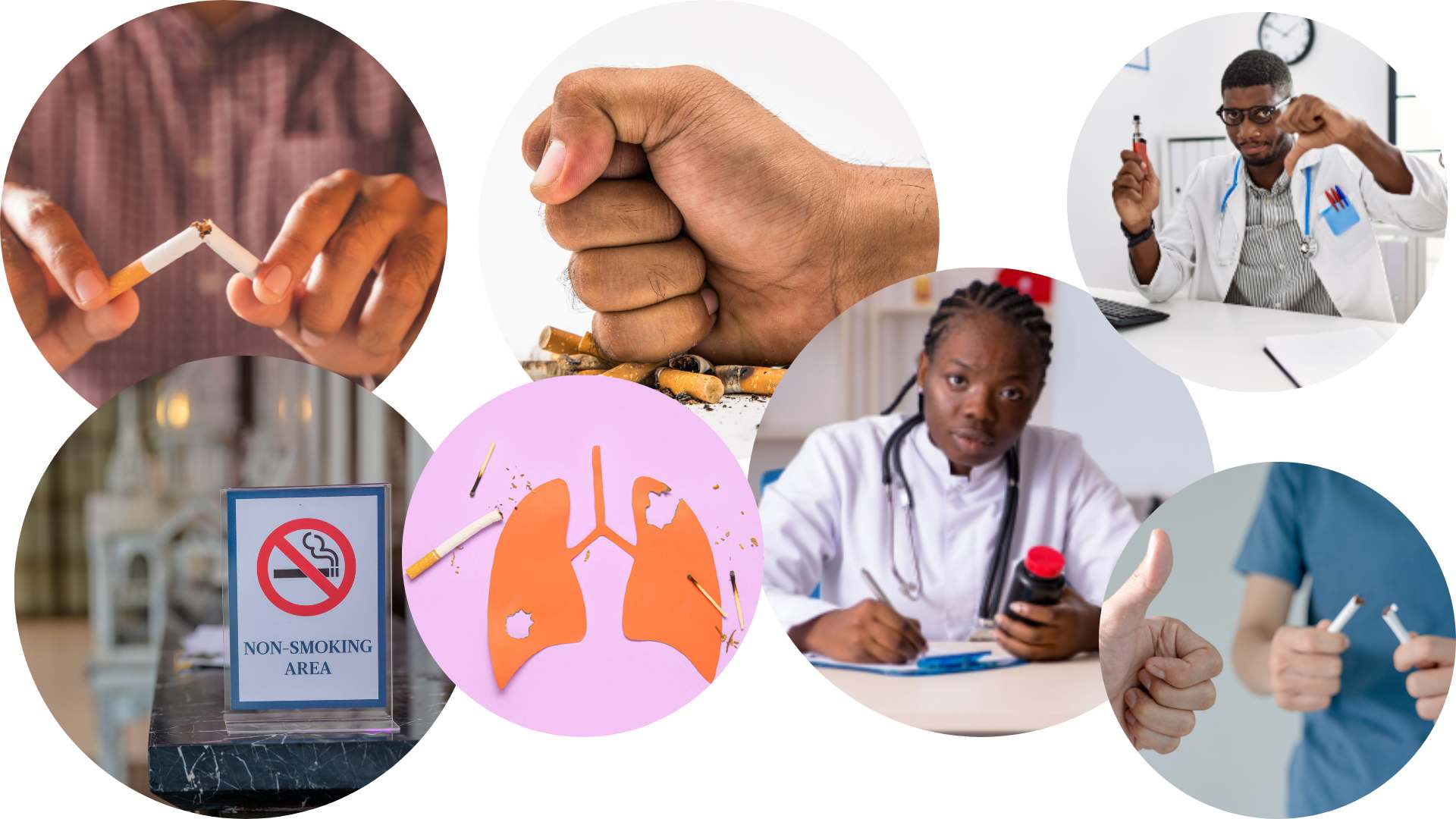

This redesigned introductory course about the Prevention and Treatment of Tobacco Use provides a foundation regarding the effects of tobacco on human health, offers effective approaches to preventing and treating tobacco use, and gives opportunities to practice intervention techniques for smoking cessation. All parts of this training are free, including registration, learning, testing, and a certificate of completion. This course is intended for medical and other clinical and public health trainees and practitioners. This course was redesigned in 2024.
The Prevention and Treatment of Tobacco Use course is co-sponsored by the University of the Incarnate Word. Like all NextGenU.org courses, this course is competency-based, using the competencies in Tobacco Control Competencies for US Medical Students and the Core Competencies for evidence-based treatment of tobacco use and dependence. In addition, the course uses resources from world-class organizations such as the Government of Canada, the U.S. National Library of Medicine, U.S. Centers for Disease Control and Prevention, NU.S. National Institutes of Health, and the World Health Organization. The course developers are Florian Stigler MD; Kentya Ford DrPH; Salma Marani MS; Alexander V. Prokhorov MD, PhD; Valeria Reynolds MD, MPH; Hugo Rojas MD, MSc; Madison Cox MSN, RN; Juan Bravo MD; and Pablo Baldiviezo MD.

For publications on NextGenU.org’s courses’ efficacy, see “A Novel Integration of Online and Flipped Classroom Instructional Models in Public Health Higher Education,” (2014), BMC Medical Education, “Building Public Health Capacity through Online Global Learning,” (2018), Open Praxis, or here on NextGenU.org’s publication page. Subscribe to our newsletter to be notified of future updates, new courses, and to be part of our community.
There are 9 modules to complete, providing:
- Introduction to Tobacco Consumption as a Public Health Problem
- Health, Social, Economic, and Environmental Impact of Tobacco Use and Exposure
- Understanding the Neurobiology and Pathophysiology of Nicotine Addiction & Withdrawal
- Tobacco Cessation as a Process
- Clinical Approach to Smoking Cessation and Tobacco Dependence Treatment
- Behavioral Interventions for Tobacco Dependence Treatment
- Pharmacological Interventions for Tobacco Dependence Treatment
- Complementary and Alternative Therapies for Smoking Cessation
- Relapse: Prevention and Management
To obtain credit, the course requires completion of all case studies and peer activities. Module seven is a practicum where you will engage in seven peer activities that will require your interaction with practice patients to complete them. At the end of each lesson, there is a practice quiz. At the end of the course, after you’ve completed each lesson, quiz, and activity, you’ll have access to a final exam, and a chance to evaluate this course. Once you’ve passed that last test, you will be able to download a certificate of completion from NextGenU.org and our course’s co-sponsoring organizations (listed above). We keep all of your personal information confidential, never sell any of your information, and only use anonymized data for research purposes, and we are also happy to report your testing information and share your work with anyone (your school, employer, etc.) at your request.Engaging with this Course:
You may browse this course for free to learn for your personal enrichment; there are no requirements. To register in this course for credit, it is required that learners have obtained a bachelor's degree, or be enrolled in a health sciences training program at the bachelor's level or higher.
To obtain a certificate a learner must successfully complete
- all the reading requirements,
- all quizzes and pass with a 70% with unlimited attempts,
- all case studies,
- all activities,
- the final exam with a minimum of 70% and a maximum of 3 attempts, and
- the self and course evaluation forms.
- complete all requirements listed above for the certificate, and
- your learning institution or workplace should approve the partner-university-sponsored NextGenU.org course for educational credit, as they would for their learner taking a course anywhere.
NextGenU.org is happy to provide your institution with
- a link to and description of the course training, so they can see all its components, including the cosponsoring universities and other professional organization cosponsors;
- your grade on the final exam;
- your work products (e.g. case study activities), and any other required or optional shared materials that you produce and authorize to share with them;
- your evaluations -- course, and self-assessments;
- a copy of your certificate of completion, with the co-sponsoring universities and other organizations listed.
We hope that you will find this a rewarding learning experience, and we count on your assessment and feedback to help us improve this training for future students.Here are the next steps to take the course for credit.
- Complete the registration form.
- Take the pre-test.
- Begin the course with Module 1: Introduction to Prevention and Treatment of Tobacco Use. In each lesson, read the description, complete all required readings and any required activity, and take the corresponding quizzes.
This course meets nationally approved standards of education developed for the addiction/substance use disorders counseling profession. This course's participants are assured that the continuing education (CE) credits provided will be accepted toward national credentialing by the NAADAC Certification Commission for Addiction Professionals (NCC AP), as well as by many of the individual state licensing/certification bodies in the addiction and other helping professions.
-
 Competency covered in this module:
- Value physician’s role in tobacco smoking prevention, assessment, screening, and treatment.
- Understand that a high “standard of care” depends on a team approach.
- Value physicians’ and health professionals’ role in public health advocacy and participation.
- Value medical practice “team approach” for tobacco smoking prevention, assessment, screening, and treatment.
- Understand that tobacco cessation advice/patient-centered counseling is a learned skill and can be a highly effective skill.
-
Student Learning Outcomes:
Upon completion of this lesson, you will be able to:
- Recall a brief history of tobacco cultivation and cigarette manufacturing.
- Understand the social and cultural history of smoking.
- Identify different tobacco products.
- Understand the composition of a cigarette and cigarette smoke.
-
Required Learning Resources and Activities
-
Students mustView
Read the entire chapter. (23 minutes)
World Lung Foundation
-
Students mustView
Read the entire page. (17 minutes)
Britannica
-
Students mustView
Read the entire page. (30 minutes)
-
-
-
Students mustView
Read all of 1.1. (32 minutes)
NIH - 2004
-
Student Learning Outcomes:
Upon completion of this lesson, you will be able to:- Explain epidemiology in relation to tobacco use.
- Discuss the global and regional prevalence of tobacco use.
- Discuss various factors that promote tobacco use and dependence.
- Discuss various factors that prevent tobacco use and dependence.
-
Required Learning Resources and Activities
-
Students mustView
Read the abstract, introduction/background, discussion, and conclusion. (30 minutes)
BMJ Journal - 2023
-
Students mustView
Read the abstract, introduction/background, discussion, and conclusion. (5 minutes)
The Lancet - 2021
-
Students mustView
Read the entire chapter, except the reference list. (60 minutes)
National Academy of Sciences - 2009
-
-
Students mustView
Read the entire page. (12 minutes)
NICE - 2023
-
Students mustMark as done
Recommended Additional Readings
-
Students mustView
Read the abstract, results, discussion, and conclussion. (20 minutes)
NIH, PubMed - 2021
-
Student Learning Outcomes:
Upon completion of this lesson, you will be able to:- Understand why some groups are at high risk for tobacco consumption.
- Explain why some groups are at low risk for tobacco consumption.
- Describe the common patterns of tobacco use and cessation.
- Discuss factors that influence these patterns.
- Discuss how demographic, economic, and cultural factors influence patterns of tobacco use, dependence, and cessation.
- Analyze and interpret data demonstrating these variations.
-
Students mustMark as done
Required Learning Resources and Activities
-
Students mustView
Read full document. (30 minutes)
African American Tobacco Control Leadership Council; the American Cancer Society, etc.- 2015
-
Students mustView
Read pages 225-233. (45 minutes)
Surgeon General's Report
-
Students mustView
Read the abstract, introduction/background, discussion, and conclusion. (30 minutes)
SSM - Population Health - 2017
-
Students mustViewReceive a gradeReceive a passing grade
To access the quiz, click on the name of the quiz provided above. On the following screen, click the "Preview quiz now" button to respond to the questions.
-
Students mustMark as done
Recommended Additional Readings
-
Students mustView
Read abstract, introduction, demographic characteristics, discussion, public health implications, and conclusion. (20 minutes)
CD - 2023
-
Students mustView
Read the entire chapter, except the reference list. (169 minutes)
Surgeon General's Report - 2020
-
Students mustView
Read the abstract, introduction/background, discussion, and conclusion. (30 minutes)
Smoking Cessation and Quit Attempts - 2023
-
Students mustView
Read entire page. (5 minutes)
The Cancer Council - 2022
-
Students mustView
Read full document. (16 minutes)
Campaign for Tobacco-Free Kids / Hope Neuling - 2023
-
 Competency covered in this module:
 - Describe the chronic-relapsing nature of tobacco dependence, including typical relapse patterns, and predisposing factors.
- Understand the pathophysiology (tissues, systems) of tobacco use and the mechanisms of addiction.
- Explain the health consequences of tobacco use and benefits of quitting, and the basic mechanisms of the more common tobacco induced disorders.
- Understand the pathophysiology, mechanisms, and behavioral manifestations of nicotine withdrawal.
- Know how to intervene to help patients decrease withdrawal symptoms.
- Describe how tobacco dependence develops and be able to explain the biological, psychological, and social causes of tobacco dependence.
- Explain the effects of tobacco use, its addictive properties, and the physiological effects of withdrawal to patients.
- Communicate the symptoms, duration, incidence, and magnitude of nicotine withdrawal.
-
Student Learning Outcomes:
Upon completion of this lesson, you will be able to:- Explain the direct and indirect effects of smoking on general health.
- Outline the specific impacts of smoking on respiratory health.
- Explain the exposure pathways and health effects of second and third-hand smoke.
- Discuss the specific risks and implications for vulnerable populations such as pregnant women and children.
- Discuss the correlation between tobacco use and various diseases.
- Explain the biopsychosocial implications of these associations.
-
Required Learning Resources and Activities
-
Students mustView
Read the entire page. (5 minutes)
CDC - 2022
-
Students mustView
Read under Headlines : (19 minutes)
- Major conclusions
- Chapter conclusions (pgs. 7-13)Department of Health and Human Services,CDC, Prevention and Health Promotion - 2014
-
Students mustView
Read the abstract, introduction/background, discussion, and conclusion. (30 minutes)
Current Addiction Reports - 2014
-
Students mustView
Read the abstract, introduction/background, discussion, and conclusion. (20 minutes)
NIH, PubMed - 2022
-
Students mustView
Read the abstract, introduction/background, discussion, and conclusion. (30 minutes)
Addiction - 2007
-
Students mustMark as done
Recommended Additional Readings
-
Students mustView
Read the entire chapter. (161 minutes)
National Center for Chronic Disease Prevention and Health Promotion (US) Office on Smoking and Health - 2014
-
Students mustView
Read the abstract, introduction/background, discussion, and conclusion. (45 minutes)
Environmental Science and Pollution Research - 2023
-
Student Learning Outcomes:
Upon completion of this lesson, you will be able to:- Discuss the global trends and data related to tobacco use.
- Explain the economic costs associated with smoking at a global level.
- Assess the burden of smoking on public health, considering morbidity, mortality, and quality of life.
- Explain the economic drain from smoking, considering healthcare costs, productivity losses, and other factors.
-
Students mustMark as done
Required Learning Resources and Activities
-
Students mustView
Read pgs 5-37. (2 minutes)
Harvard University - 2021
-
Students mustView
Read the entire document. (20 minutes)
Institute for Health Research and Policy - 2019
-
Students mustView
Read the entire chapter. (90 minutes)
National Center for Chronic Disease Prevention and Health Promotion (US) Office on Smoking and Health - 2014
-
Students mustView
Read the abstract, introduction/background, discussion, and conclusion. (30 minutes)
BMJ Journals - 2017
-
Student Learning Outcomes:
Upon completion of this lesson, you will be able to:- Describe the environmental footprint of tobacco from cultivation to disposal.
- Explain the impacts of tobacco on various environmental sectors (e.g., soil, water, air, biodiversity).
- Identify the environmental determinants of non-communicable diseases linked to tobacco use.
- Explain potential environmental interventions to reduce tobacco-related harms.
-
Students mustMark as done
Required Learning Resources and Activities
-
Students mustView
Read the entire page. (20 minutes)
University of Bath - 2022
-
Students mustView
Read the entire page. (20 minutes)
University of Bath - 2022
-
Students mustView
Read the entire document. (5 minutes)
Campaign for Tobacco Free Kids - 2013
-
Students mustView
Read the entire document. (20 minutes)
MPower
-
Students mustViewReceive a gradeReceive a passing grade
To access the quiz, click on the name of the quiz provided above. On the following screen, click the attempt quiz button to view the case studies and respond to the questions.
-
Competency covered in this module:
- Explain the societal and environmental factors that promote and inhibit the spread of tobacco use and dependence.
- Understand personal and family health risks associated with tobacco use.
- Explain the risks of tobacco use, including its effect on cancer, oral disease, and the cardiovascular, cerebrovascular, respiratory, endocrine, and reproductive systems.
- Be aware of the beneficial effects of quitting at all ages in terms of overall health, reduced risk of disease, and personal/social issues.
- Explain the benefits of quitting smoking for each major age group.
- Understand the basic principles of patient-centered counseling.
- Define each affective objective and associated questions in the 5 A’s for tobacco treatment (ask, advise, assess, assist, arrange follow-up).
- Demonstrate the application of system-based practice/practice-based learning that follows the 2000 Public Health Service guidelines.
- Identify evidence-based treatment strategies and the pros and cons of each strategy.
- Describe the benefits of combining pharmacotherapy and counseling.
-
Student Learning Outcomes:
Upon completion of this lesson, you will be able to:- Define and discuss the concept of nicotine addiction.
- Explain the process of how tobacco use disorder develops over time.
- Describe the neurophysiological changes associated with tobacco use disorder.
- Analyze the implications of these changes for the onset and progression of tobacco use disorder.
- Explain how nicotine interacts with the nervous system on a molecular level.
- Discuss the role of genetics in nicotine addiction.
Click here to start this lesson-
Required Learning Resources and Activities
-
Students mustView
Read the abstract, introduction/background, discussion, and conclusion. (15 minutes)
Journal of Pharmacopuncture - 2020
-
Students mustView
Read the entire chapter. (70 minutes)
Institute of Medicine (US) Committee to Assess the Science Base for Tobacco Harm Reduction - 2001
-
Students mustView
Read the abstract, introduction/background, discussion, and conclusion. (45 minutes)
Molecular Neuropsychiatry - 2018
-
Students mustView
Read the abstract, introduction/background, discussion, and conclusion. (15 minutes)
Journal of Pharmacopuncture - 2020
-
Students mustView
Read the abstract, introduction/background, discussion, and conclusion. (55 minutes)
European Journal of Neuroscience - 2018
-
Student Learning Outcomes:
Upon completion of this lesson, you will be able to:- Describe the physiological changes that occur during nicotine withdrawal.
- Explain how these changes contribute to the symptoms and challenges of nicotine withdrawal.
- Describe the primary clinical manifestations of nicotine withdrawal.
- Explain the typical course and evolution of nicotine withdrawal.
-
Students mustMark as done
Required Learning Resources and Activities
-
Students mustView
Read the abstract, introduction/background, discussion, and conclusion. (20 minutes)
Journal of Applied Science - 2021
-
Students mustView
Read the web content and watch the two videos. (11 minutes)
Quit Victoria - 2023
-
Students mustView
Read the abstract, introduction/background, discussion, and conclusion. (60 minutes)
Journal of Neuropharmacology - 2014
-
Students mustViewStart discussions: 1
In this activity, you will create an educational tool about the addictive properties of tobacco and withdrawal for future patients.
Step 1: Select your preferred format/media to create your educational tool. You can create a slideshow (PowerPoint presentation), a piece of writing in a blog format (with pictures included), a trifold, a video, or an infographic for social media, etc.
Step 2: Develop a tool that explains the effects of tobacco use including its addictive properties and the physiological effects of withdrawal on patients.
You must consider:
- The tool's clarity and accuracy in explaining the addictive properties of tobacco.
- The tool's effectiveness in describing the physiological effects of withdrawal.
- The appropriateness of the content for prospective patients.
- The creativity and usability of the tool in real-world settings.
Step 3: Share your work on the course's designated discussion area for learners to view and discuss. To do this, click “add a new discussion topic” below, complete the fields, and paste a link to your product. If you want your work to be published on our website and social media, please specify this in your forum post description.
Step 4: Although not required, you are encouraged to review and discuss the works of your fellow learners. This is a great way to learn from each other and improve your own work.
OPTIONAL Step 5: Interact (10 minutes)
If you would like to, you can reply to your peers' posts in a respectful and professional manner. Ensure that your post engages your peers' ideas by including a reflection on their comments, sharing ideas of other potential difficulties and parties involved, or asking thought-provoking questions. If a peer comments on your posting, please reply. To post a reply, click “Reply” on a particular discussion, write your feedback and then click on “Post to forum.”
-
Students mustViewReceive a gradeReceive a passing grade
To access the quiz, click on the name of the quiz provided above. On the following screen, click the attempt quiz button to view the case studies and respond to the questions.
-
Students mustMark as done
Recommended Additional Readings
-
Students mustView
Read the entire document. (50 minutes)
2000
-
Competency covered in this module:
- Understand the major risks of environmental tobacco smoke exposure to children in the household.
- Understand the prevalence of smoking in the pediatric population.
- Identify developmental issues and age-appropriate interventions for tobacco treatment and provide age-appropriate anticipatory guidance through patient-centered counseling.
- Know the medical literature regarding vulnerability to tobacco use and quick onset of addiction properties with early tobacco use.
- Describe strategies and coping skills that can reduce relapse risk.
- Know resistance skills for early onset of smoking with children and adolescents.
- Understand the major risks of environmental tobacco smoke exposure to children in the household.
-
Upon completion of this lesson, you will be able to: Student Learning Outcomes:
- Distinguish between the processes and goals of cessation vs dependence treatment.
- Discuss appropriate strategies and approaches for each.
- Describe the stages of change and how they apply to tobacco cessation.
- Analyze a patient's readiness for change based on this model.
- Compare and contrast the 'cold turkey' and gradual quitting methods.
- Evaluate the effectiveness of each approach and align them with the needs of different patients.
Click here to start this lesson-
Required Learning Resources and Activities
-
Students mustView
Read page 4. (8 minutes)
WHO - 2013
-
Students mustView
Read the abstract, introduction/background, discussion, and conclusion. (30 minutes)
BMJ Journals - 2012
-
Students mustView
Read the abstract, introduction/background, discussion, and conclusion. (20 minutes)
Journal of Applied Social Science - 2021
-
Students mustView
Read the abstract, introduction/background, discussion, and conclusion. (20 minutes)
NIH, PubMed - 2022
-
Students mustView
Read the full page. (11 minutes)
The Cancer Council - 2022
-
Student Learning Outcomes:
Upon completion of this lesson, you will be able to:- List common challenges individuals face when attempting to quit smoking.
- Discuss strategies to address these barriers.
- Describe the experience of living with a tobacco addiction from a patient's viewpoint.
- Understand the implications of this perspective for treatment and support.
-
Students mustMark as done
Required Learning Resources and Activities
-
Students mustView
Read the abstract, introduction/background, discussion, and conclusion. (20 minutes)
Family Practice - 2016
-
Students mustView
Read the abstract, introduction/background, results, discussion, and conclusion. (20 minutes)
University of Edinburgh, UNITED KINGDOM - 2015
-
Students mustViewStart discussions: 1
In this activity, you will assess nicotine dependence in three case studies for pediatric patients. These case studies were adapted from ASH Scotland, The Royal Australian College of General Practitioners, the AlbertaQuits Cessation Supports/Services, and the Journal of Medical Case Reports. For this, you will use the Modified Version of the Fagerstrom Tolerance Questionnaire (mFTQ) tool.
Step 1: Read the following case studies:
Case Study 1:
GM is 17 years old; she has been referred by her GP to assess her cannabis and tobacco dependency, which she had turned to since she was 13 years old because of sexual abuse as a child, her dyslexia and bullying at school. She has a history of self-esteem issues and self-harm. In fighting back against people, due to her insecurities, she had developed aggressive tendencies and had become isolated and withdrawn.
She admits that right after waking up she has a joint (cannabis cigarette), a cigarette, and very little breakfast. She had been underweight and very malnourished. She was, however, motivated to work on improving her health and lifestyle and in particular her cannabis dependency.
Alcohol, tobacco, and cannabis as well as long bouts on her PlayStation were part of her coping strategy but she acknowledged that these needed to be tackled, she has a 60-a-day cigarette dependence and she inhales quite often. Her main concerns were regarding sleep. Cannabis was used as an aid to sleep and to relax and she wondered if less cannabis might result in heavier drinking or insomnia.
She has been suspended 2 times from school for smoking cigarettes inside the building; she explains that it is impossible to refrain from smoking even when she knows the school rules forbid it, also because she usually smokes more at the beginning of the day. She has also been making attempts to quit smoking, has tried patches, as yet unsuccessfully but shows a commitment to reduce her smoking further.
Case Study 2:
JD, currently 18 years old, started smoking at 17 years old; he tried his first cigarette during a youth group event, where a friend taught them how to inhale. A week after that event he was already smoking over 20 cigarettes a day. He has most of the cigars after waking up, even more than 10 before he has a cup of coffee.
He admitted craving for this substance to the extent of doing dirty jobs for people to sustain the habit and neglecting other previous forms of enjoyment, such as watching television with family members.
He identifies himself as the kind of person who always goes out in any situation to have a smoke, even when sick in bed he can´t stop himself from smoking. He has tried several times to quit on his own, but now he is asking his General Practitioner for help.
Case Study 3:
A 17-year-old is brought to a psychiatric hospital with a 5-year history of tobacco smoking and delinquent behaviors; he has been expelled from school because of consuming and sharing tobacco inside of the school. He lives with his mother who is of low socioeconomic status; she has a busy schedule and works full time. There is no history of mental illness or substance abuse in the family.
He was first introduced to tobacco smoking by his friends at age 12 years. He gradually stepped up his use from one cigarette/day over the next 2 to 3 years to approximately 20 to 30 cigarettes per day to sustain the relaxing and stimulating effect, he admits he inhales always, to get the ¨maximum effect¨. He has had several unsuccessful attempts at controlling the amount he took in a day despite the knowledge of its harmful consequences. His longest period of abstinence was 3 months in a rehabilitation center which was approximately 3.5 years ago. He had once experimented with cannabis and alcohol, but he never enjoyed these substances and so did not continue.
Two months ago he progressively neglected his personal hygiene and food, became emaciated to the point he could not even leave the bed, and spent more time cigarette smoking (that is, smoking continuously); he decided to seek medical attention at this time.
Before he started smoking cigarettes, he was described as an easy child, quite cheerful, and an outgoing person who enjoyed the company of other children.
Step 2: Using the Modified Version of the Fagerstrom Tolerance Questionnaire (mFTQ), identify the level of dependence according to the score you calculated for each case. Prepare an assignment that specifies the mFTQ score and level of dependence for all three case studies. Include an explanation for your results.
Step 3: Post your work on the course's designated discussion board for other learners to view. Click “add a new discussion topic” below, complete the fields, and paste a link to your product.
Step 4: Although not mandatory, you are encouraged to review the work of your fellow learners. You can engage with the posts and use the critical questions to guide your review. This will help you develop your assessment skills and learn from the analysis of others.
OPTIONAL Step 5: Interact (10 minutes)
If you would like to, you can reply to your peers' posts in a respectful and professional manner. Ensure that your post engages your peers' ideas by including a reflection on their comments, sharing ideas of other potential difficulties and parties involved, or asking thought-provoking questions. If a peer comments on your posting, please reply. To post a reply, click “Reply” on a particular discussion, write your feedback and then click on “Post to forum.”
-
Students mustViewReceive a gradeReceive a passing grade
To access the quiz, click on the name of the quiz provided above. On the following screen, click the attempt quiz button to view the case studies and respond to the questions.
-
Students mustMark as done
Recommended Additional Readings
-
Students mustView
Read the objectives, introduction, results, discussion, and conclusion. (30 minutes)
Front. Psychol - 2023
-
 Competency covered in this module:
- Understand patient instructions for effective use of pharmacological forms of tobacco cessation.
- Provide appropriate patient education for therapeutic choices and dosing for a wide range of patient situations.
-
Student Learning Outcomes:
Upon completion of this lesson, you will be able to:- Describe the clinical criteria for diagnosing tobacco use and dependence.
- Apply these criteria in practice scenarios.
- List the main recommendations from the guidelines.
- Discuss the application of these guidelines in a clinical setting.
Click here to start this lesson-
Required Learning Resources and Activities
-
Students mustView
Read the entire page. (40 minutes)
NIH , PubMed - 2013
-
Students mustView
Read the abstract, introduction/background, discussion, and conclusion. (55 minutes)
National Comprehensive Cancer Network - 2023
-
Student Learning Outcomes:
Upon completion of this lesson, you will be able to:- Recognize common barriers to smoking cessation.
- Describe how stress and anxiety can become a barrier to smoking cessation.
- Describe how weight gain can be a barrier to smoking cessation.
- Describe how family and social circles can become a barrier to smoking cessation.
- Give examples of non-cigarette forms of tobacco and nicotine use.
- Summarize effectiveness of the treatment available for non-cigarette tobacco users.
-
Students mustMark as done
Required Learning Resources and Activities
-
Students mustView
Read the abstract, introduction/background, discussion, and conclusion. (30 minutes)
Nicotine and Tobacco Research - 2018
-
Students mustView
Read the abstract, introduction/background, discussion, and conclusion. (25 minutes)
BMC Public Health - 2019
-
Students mustView
Read the full document. (23 minutes)
UNIVERSITY OF OTTAWA HEART
INSTITUTE AND THE ADDICTION MEDICINE SERVICE, CENTRE FOR ADDICTION AND MENTAL HEALTH - 2008 -
Students mustView
Read abstract, introduction/background, discussion, strengths and limitations, and conclusion. (21 minutes)
MDPI - 2019
-
Students mustView
Read abstract, introduction/background, and discussion. (15 minutes)
medRxiv and bioRxiv - 2022
-
-
Students mustView
Read pages 15-17.
-
Students mustView
Read the abstract, introduction/background, discussion, and conclusion. (60 minutes)
Tobacco Control - 2012
-
Students mustViewStart discussions: 1
In this activity, you will design a comprehensive treatment program for future patients. This program will focus on managing weight gain and stress during the tobacco cessation process.
Step 1: Decide on your preferred format/media to present your treatment program. You can use Slides (PowerPoint presentation), a piece of writing in a Blog format (with pictures included), a trifold, a video, an infographic for social media, etc.
Step 2: Develop a detailed treatment program that outlines strategies for managing potential weight gain and handling stress during a tobacco cessation attempt. Make sure to include the following elements:
- A brief overview of the program
- Specific strategies to counteract weight gain
- Stress management techniques
- A clear explanation of how these methods contribute to an effective tobacco cessation journey
Remember to consider:
- The program's comprehensiveness and clarity
- The relevance and effectiveness of the strategies included
- The usability of the program in real-world settings
Step 3: Post your treatment program on the course's discussion board for other learners to view. Click “add a new discussion topic” below, complete the fields, and paste a link to your product. If you're open to having your work showcased on our website and social media, include this in your post description.
Step 4: Though not required, you're encouraged to explore the treatment programs created by other learners. Engaging with these works can provide inspiration, offer new insights, and allow you to appreciate different creative approaches.
OPTIONAL Step 5: Interact (10 minutes)
If you would like to, you can reply to your peers' posts in a respectful and professional manner. Ensure that your post engages your peers' ideas by including a reflection on their comments, sharing ideas of other potential difficulties and parties involved, or asking thought-provoking questions. If a peer comments on your posting, please reply. To post a reply, click “Reply” on a particular discussion, write your feedback and then click on “Post to forum.”
-
Students mustViewReceive a gradeReceive a passing grade
To access the quiz, click on the name of the quiz provided above. On the following screen, click the attempt quiz button to respond to the questions.
-
Students mustMark as done
Recommended Additional Readings
-
Students mustView
Read the abstract, introduction/background, discussion, and conclusion. (16 minutes)
NIH, PubMed - 2021
-
Students mustView
Read the abstract, introduction/background, discussion and conclusion. (60 minutes)
Tobacco Control - 2012
-
 Competency covered in this module:
- Demonstrate application of system-based practice/practice-based learning that follows the 2000 Public Health Service guidelines.
- Understand the risks and benefits of smoking in common cultural groups and family structures.
- Describe specific treatment indications for special population groups (i.e., pregnant women, adolescents, young adults, elderly, hospitalized patients, and those with co-morbid psychiatric conditions).
- Understand the range of risks related to smoking during pregnancy
- Understand the high risk of relapse for postpartum women who stopped smoking while pregnant and who have recently delivered their children.
- Demonstrate application of system-based practice/practice-based learning that follows the 2000 Public Health Service guidelines.
-
Student Learning Outcomes:
Upon completion of this lesson, you will be able to:- Explain different behavior change theories and models.
- Discuss how these theories and models apply to smoking cessation.
- Evaluate the strengths and limitations of different theories and models for smoking cessation.
- Propose how to integrate multiple theories or models in a comprehensive cessation intervention.
- Describe the principles of motivational interviewing.
- Discuss the role of motivational interviewing in facilitating behavior change in smoking cessation.
- Demonstrate the use of motivational interviewing techniques through role-plays or case studies.
-
Students mustMark as done
Required Learning Resources and Activities
-
Students mustView
Read the entire document. (25 minutes)
Behavioral and Social Science Report
-
Students mustView
Read the abstract, introduction/background, discussion, and conclusion. (10 minutes)
Health Promotion Perspective - 2017
-
Students mustView
Watch the video. (24 minutes)
YouTube - 2015
-
Students mustView
Read the abstract, introduction/background, discussion, and conclusion. (20 minutes)
Australian Family Physician - 2012
-
Students mustView
Read the entire chapter. (9 minutes)
Tobacco in Australia - 2019
-
Students mustView
Read the abstract, introduction/background, discussion, and conclusion. (25 minutes)
BMC Public Health - 2022
-
Students mustView
Read the abstract, introduction/background, discussion, and conclusion. (15 minutes)
Frontiers in Digital Health - 2022
-
Student Learning Outcomes:
Upon completion of this lesson, you will be able to:- Describe the role of various healthcare workers in smoking cessation.
- Discuss how a healthcare worker's attitude may influence a patient's smoking cessation journey.
- Differentiate between patients who are prepared and unprepared to quit smoking.
- Adapt intervention strategies based on a patient's level of preparedness.
-
Students mustMark as done
Required Learning Resources and Activities
-
Students mustView
Read the abstract, introduction/background, discussion, and conclusion. (20 minutes)
Tobacco Prevention and Cessation - 2020
-
Students mustView
Read the abstract, introduction/background, discussion, and conclusion. (20 minutes)
Patient Related Outcome Measures - 2021
-
Students mustView
Read the abstract, introduction/background, discussion, and conclusion. (15 minutes)
BMC Medicine - 2015
-
Students mustView
Read the abstract, introduction/background, discussion, and conclusion. (25 minutes)
Frontiers in Public Health - 2022
-
Students mustViewStart discussions: 1
In this activity, you will put your skills to the test in locating and critically evaluating information regarding new standards, practices, and learning objectives about tobacco cessation.
Step 1: Select any topic related to this course that piques your interest. This could include new standards, practices, teaching methods, drugs, tests, etc.
Step 2: Conduct a literature search to find a recent research article that discusses a new intervention related to your chosen topic. Ensure the article was published within the past two years from the date you're undertaking this activity.
Step 3: Prepare a summary of 250 - 750 words where you evaluate key aspects of the research paper:
- What kind of intervention was implemented?
- What are the main advantages and disadvantages of this intervention?
Step 4: Post your work on the course's designated discussion board. To do this, click “add a new discussion topic” below, complete the fields, and include a link to the research you used for this task.
Step 5: While it is not required, you're encouraged to review and comment on the works of other learners.
OPTIONAL Step 6: Interact (10 minutes)
If you would like to, you can reply to your peers' posts in a respectful and professional manner. Ensure that your post engages your peers' ideas by including a reflection on their comments, sharing ideas of other potential difficulties and parties involved, or asking thought-provoking questions. If a peer comments on your posting, please reply. To post a reply, click “Reply” on a particular discussion, write your feedback and then click on “Post to forum.”
-
Students mustViewReceive a gradeReceive a passing grade
To access the quiz, click on the name of the quiz provided above. On the following screen, click the attempt quiz button to respond to the questions.
-
Students mustMark as done
Recommended Additional Readings
-
Students mustView
Read entire page. (40 minutes)
The Cancer Council. - 2022
-
 Competency covered in this module:
- Be aware of successful anti-tobacco initiatives outside the clinical setting, including legislative, policy, media, and partnership building.
- Understand the influence of the media on tobacco use, behavior, and attitudes toward tobacco.
- Describe the implications and utilize the regulations that apply to the tobacco treatment setting (confidentiality, HIPAA, and work site-specific regulations).
- Know resources (or how to access resources) for current information on new standards, new practices, and learning objectives.
- Demonstrate sources/skills that enable medical professionals to keep current with tobacco information and trends.
- Demonstrate critical appraisal of intervention modalities.
-
Student Learning Outcomes:
Upon completion of this lesson, you will be able to:- Describe the mechanisms of action of various smoking cessation drugs.
- Explain how these mechanisms contribute to smoking cessation.
- Categorize drugs as first-line or second-line drugs.
- Discuss the factors that determine these classifications and their implications for prescribing.
-
Students mustMark as done
Required Learning Resources and Activities
-
Students mustView
Read the page. (5 minutes)
National Library of Medicine - 2023
-
Students mustView
Read entire page. (35 minutes)
Indian Journal of Psychiatry - 2014
-
Students mustView
Read the abstract, introduction/background, discussion, and conclusion. (45 minutes)
Clinical Pharmacology - 2010
-
Students mustView
Read full document. (25 minutes)
Ethiopian Journal of Health Sciences - 2018
-
Students mustMark as done
Recommended Additional Readings
-
Students mustView
Read the entire article. (5 minutes)
NIH - 2018
-
Student Learning Outcomes:
Upon completion of this lesson, you will be able to:- Describe the correct usage of various smoking cessation medications.
- Discuss the importance of medication adherence and strategies to promote it.
- Identify potential side effects and contraindications of various smoking cessation medications.
- Discuss the importance of monitoring for adverse events during treatment.
- Explain how to adapt pharmacotherapy to individual patient needs, taking into account potential exclusions.
-
Students mustMark as done
Required Learning Resources and Activities
-
-
Students mustView
Read the abstract, introduction/background, discussion, and conclusion. (30 minutes)
Cochrane Database Systems Review - 2019
-
Students mustView
Read the page. (10 minutes)
Rx List - 2023
-
Students mustView
Read the entire article. (75 minutes)
UpToDate - 2023
-
Students mustView
Read the abstract, introduction/background, discussion, and conclusion. (35 minutes)
JAMA Network Open - 2023
-
Students mustViewReceive a gradeReceive a passing grade
To access the quiz, click on the name of the quiz provided above. On the following screen, click the attempt quiz button to respond to the questions.
-
 Competency covered in this module:
- Empathize with addicted patients.
- Appreciate that smoking cessation is a process; not all smokers are successful on the first attempt.
- Implement treatment strategies for someone who has lapsed or relapsed.
- Provide guidance in modifying the treatment plan to reduce the risk of relapse throughout the course of treatment.
- Respect the importance of keeping current with evidence-based findings in tobacco smoking prevention and control (e.g., epidemiological, behavioral, clinical, and policy science).
- Utilize the findings of national reports, research studies, and guidelines on tobacco treatment.
- Demonstrate the ability to access information on the above topics.
- Name and use peer-reviewed journals, professional societies, websites, and newsletters related to tobacco dependence treatment and/or research.
-
Student Learning Outcomes:
Upon completion of this lesson, you will be able to:- Identify different types of complementary and alternative therapies used in smoking cessation.
-
Describe the principles and procedures involved in these therapies.
- Evaluate the appropriateness of these therapies for different patient profiles or contexts.
- Discuss the current state of evidence supporting the use of these therapies in smoking cessation.
- Evaluate the quality of a research study investigating the effectiveness of a complementary or alternative therapy.
-
Students mustMark as done
Required Learning Resources and Activities
-
Students mustView
Read the entire article. (8 minutes)
National Center for Complementary and Integrative Health - 2021
-
Students mustView
Read the abstract, introduction/background, discussion, and conclusion. (15 minutes)
BMJ - 1999
-
Students mustView
Read the abstract, introduction/background, discussion, and conclusion. (15 minutes)
BMJ - 1999
-
Student Learning Outcomes:
Upon completion of this lesson, you will be able to:- Discuss how to incorporate these therapies into smoking cessation treatment plans.
-
Identify potential challenges in incorporating these therapies and propose solutions.
- Develop a comprehensive smoking cessation plan for a hypothetical patient that includes both conventional and alternative therapies.
- Identify situations where referral for these therapies would be beneficial.
- Identify potential referral sources for these therapies within their community or region.
- Demonstrate how to communicate a referral recommendation to a patient in a supportive and informative way.
-
Students mustMark as done
Required Learning Resources and Activities
-
Students mustView
Read from pages 15-25. (30 minutes)
School of Medicine of the University of North Carolina at Chapel Hill - 2004
-
Students mustView
Read the abstract, introduction/background, discussion, and conclusion. (15 minutes)
Sacramento County
-
Students mustView
Read the abstract, introduction/background, discussion, and conclusion. (10 minutes)
Journal of Pharmacy Practice - 2013
-
Students mustView
Read the abstract, introduction/background, discussion, and conclusion. (30 minutes)
BMC Health Services Research - 2021
-
Students mustViewStart discussions: 1
In this activity, you will design a comprehensive program that utilizes alternative therapies for tobacco cessation tailored for future patients.
Step 1: Choose your preferred format/media to present your program. You can create a Slideshow (PowerPoint presentation), a piece of writing in a Blog format (with pictures included), a trifold, a video, an infographic for social media, etc.
Step 2: Develop a detailed program that outlines various alternative therapies used for tobacco cessation. Classify these therapies based on their effectiveness and compare the benefits of each alternative therapy. Consider:
- The depth and clarity of explanation for each therapy.
- The effectiveness of the classification of therapies.
- The quality of comparison between the benefits of each therapy.
- The creativity and practicality of your program.
Step 3: Post your treatment program on the course's discussion board for other learners to view. Click “add a new discussion topic” below, complete the fields, and paste a link to your product. If you're open to having your work showcased on our website and social media, include this in your post description.
Step 4: Though not required, you're encouraged to explore the work done by other learners. Engaging with these works can provide inspiration, offer new insights, and allow you to appreciate different creative approaches.
OPTIONAL Step 5: Interact (10 minutes)
If you would like to, you can reply to your peers' posts in a respectful and professional manner. Ensure that your post engages your peers' ideas by including a reflection on their comments, sharing ideas of other potential difficulties and parties involved, or asking thought-provoking questions. If a peer comments on your posting, please reply. To post a reply, click “Reply” on a particular discussion, write your feedback and then click on “Post to forum.”
-
Students mustViewReceive a gradeReceive a passing grade
To access the quiz, click on the name of the quiz provided above. On the following screen, click the attempt quiz button to respond to the questions.
-
 Competency covered in this module:
- Understand the factors that influence the probability of relapse to smoking.
- Understand the consequences and implications of relapse for the smoking cessation process.
- Understand strategies and techniques for preventing relapses in smoking cessation.
- Develop and implement a relapse prevention plan.
- Understand how to respond to a relapse in smoking cessation.
- Apply strategies for rebuilding motivation and commitment to cessation following a relapse.
-
Student Learning Outcomes:
Upon completion of this lesson, you will be able to:- Describe common predictors of relapse.
-
Explain how these predictors influence the probability of relapse.
- Explain the role of individual, interpersonal, and environmental factors in relapse.
- Explain the consequences of relapse for a patient's physical health and motivation to quit.
- Discuss the implications of relapse for the adjustment and continuation of the smoking cessation treatment plan.
-
Students mustMark as done
Required Learning Resources and Activities
-
Students mustView
Read the abstract, introduction/background, discussion, and conclusion. (35 minutes)
Drug Alcohol Dependence - 2013
-
Students mustView
Read the abstract, introduction/background, discussion, and conclusion. (35 minutes)
Drug Alcohol Dependence - 2013
-
Students mustView
Read the abstract, introduction/background, discussion, and conclusion. (30 minutes)
Addiction Disorders and their Treatment - 2014
-
Students mustView
Read abstract, introduction/background, discussion, limitations and strengths, implications, and future directions. (45 minutes)
Substance Abuse and Mental Health Services Administration - 2019
-
Students mustView
Read the abstract, introduction/background, discussion, and conclusion. (20 minutes)
Internal and Emergency Medicine - 2013
-
Student Learning Outcomes:
Upon completion of this lesson, you will be able to:- Identify different strategies and techniques for preventing relapses in smoking cessation.
-
Explain how these strategies work to prevent relapses.
- Discuss the circumstances under which each strategy or technique might be most effective.
- Describe the elements of a relapse prevention plan.
- Apply strategies and techniques for preventing relapses to the development of a prevention plan.
- Implement a relapse prevention plan in the context of an ongoing smoking cessation intervention.
-
Students mustMark as done
Required Learning Resources and Activities
-
-
Students mustView
Read the entire paper. (60 minutes)
Cochrane Database System Review - 2019
-
Student Learning Outcomes:
Upon completion of this lesson, you will be able to:- Discuss how to respond to a relapse in a supportive and positive manner.
-
Explain how to adjust a treatment plan following a relapse.
- Identify different strategies and techniques for rebuilding motivation and commitment to cessation.
- Discuss how to tailor these strategies to meet the needs and circumstances of different patients.
- Demonstrate empathy and supportive communication in a role-play scenario featuring a patient who has experienced a relapse.
-
Students mustMark as done
Required Learning Resources and Activities
-
Students mustView
Web page. (10 minutes)
GoodRX Health - 2022
-
Students mustView
Read the entire article. (4 minutes)
Tobacco Use and Dependence Guideline Panel - 2008
-
Students mustViewStart discussions: 1
In this activity you will learn about the experience of patients during their smoking cessation efforts and reflect on these experiences.
Step 1: Read stories from former smokers at the following link: Former Smokers
Step 2: Reflect on what you learned from the readings, and select the case that made the most impact on you.
Step 3: Write a reflection piece (250 - 500 words) discussing:
- The challenges these individuals faced in their efforts to quit smoking
- Your emotional response to their stories
- Your understanding of why smoking cessation is a process
Step 4: Post your treatment program on the course's discussion board for other learners to view. Click “add a new discussion topic” below, complete the fields, and paste a link to your product. If you're open to having your work showcased on our website and social media, include this in your post description.
Step 5: Though not required, you're encouraged to explore the work done by other learners. Engaging with these works can provide inspiration and offer new insights.
OPTIONAL Step 6: Interact (10 minutes)
If you would like to, you can reply to your peers' posts in a respectful and professional manner. Ensure that your post engages your peers' ideas by including a reflection on their comments, sharing ideas of other potential difficulties and parties involved, or asking thought-provoking questions. If a peer comments on your posting, please reply. To post a reply, click “Reply” on a particular discussion, write your feedback and then click on “Post to forum.”
-
Students mustViewReceive a gradeReceive a passing grade
To access the quiz, click on the name of the quiz provided above. On the following screen, click the attempt quiz button to respond to the questions.
-
-
Final Exam Quiz
To take the final exam, you must complete all quizzes and complete all the required activities. The final exam consists of ---- questions, and you will have ---- minutes to complete it. When the time is over, you will have two minutes to submit your attempt before it expires, and your progress is discarded. You will not be able to answer additional questions in the grace period.
To access the exam, click on the name of the exam provided above. On the following screen, click the attempt quiz button to respond to the questions.
Not available unless: All of: ...Not available unless:-
All of:
- The activity Course Registration is marked complete
- The activity Pre-Test is marked complete
- The activity Quiz: Module 1 is marked complete
- The activity Quiz: Module 2 is marked complete
- The activity Quiz: Module 3 is marked complete
- The activity Quiz: Module 4 is marked complete
- The activity Quiz: Module 5 is marked complete
- The activity Quiz: Module 6 is marked complete
- The activity Quiz: Module 7 is marked complete
- The activity Quiz: Module 8 is marked complete
- The activity Quiz: Module 9 is marked complete
-
All of:
- The activity Discussion Forum 1 is marked complete
- The activity Discussion Forum 2 is marked complete
- The activity Discussion Forum 3: Treatment Program Design: Weight Management and Stress Reduction During Tobacco Cessation is marked complete
- The activity Discussion Forum 4: Research Exploration and Appraisal is marked complete
- The activity Discussion Forum 5: Designing a Program Utilizing Alternative Therapies for Tobacco Cessation is marked complete
- The activity Discussion Forum 6: Reflecting on Smoking Cessation Experiences is marked complete
-
All of:
-
-
 In this section, you can provide feedback about this course to help us make NextGenU.org better. Once evaluations are completed, you will be able to download your certificate of completion.
-
Course Evaluation QuestionnaireNot available unless: The activity Final Exam is marked complete
-
Self Evaluation QuestionnaireNot available unless: The activity Final Exam is marked complete
-
-
-
Students mustMark as done
-
-