

Lifestyle Medicine
You do not have permission to view discussions in this forum.
-
-
Students mustStudent must submit this questionnaire to complete it
-
Students mustStudent must submit this questionnaire to complete it
-
Students mustViewReceive a grade
-
Students mustMark as done
-
Students mustMark as done
-
Students mustMark as done
Show More-

This Lifestyle Medicine introductory course provides a foundation of theoretical and practical knowledge and skills, as well as an opportunity to plan strategies and practice techniques for assisting patients with positive health behavior changes. All parts of this training are free, including registration, learning, testing, and a certificate of completion. This course is intended for primary-care physicians, nurses, and allied health professionals in training and in practice.
This Lifestyle Medicine course was developed in partnership with Bar-Ilan University, the Brookfield Centre for Lifestyle Medicine, the European Lifestyle Medicine Organization, the Institute of Lifestyle Medicine at Harvard, the Israeli Society of Family Medicine - Lifestyle Medicine Section, the Lifestyle Medical Education Collaborative, and the USC School of Medicine Greenville. Like all NextGenU.org courses, the course is competency-based; this course utilizes competencies from the Lifestyle Medicine Program Curriculum Outline of the American College of Lifestyle Medicine and the Israeli Society of Family Medicine - Lifestyle Medicine Section. In addition, the Lifestyle Medicine course uses resources from accredited world-class organizations, including the American College of Lifestyle Medicine, the American College of Preventive Medicine, the American College of Sports Medicine, the U.S. Centers for Disease Control and Prevention, the U.S. National Institutes of Health, and the World Health Organization. The course developer is Lilach Malatskey, MD, MHA, Chairman of the Israeli Society of Lifestyle Medicine of the Family Physicians Association, who received substantial input from the Executive Members of the Israeli Society of Family Medicine, Lifestyle Medicine Section. Significant feedback was also received from our Advisory Group members, Ioannis Arkadianos, MD; Erica Frank, MD, MPH; Ioan Hanes, MD; Jenny Lee, MD, PhD, MPH; Dr. Ifeoma Monye, MBBS, DCH, DFFP, DRCOG, FRCGP; Edward M. Phillips, MD; Verena Rossa-Roccor, MD; Mary Rudolf, MB, BS, BSc, FRCPCH, FAAP; Jennifer Trilk, PhD; and Stefania Ubaldi, MD, PhD.
For a publication on this course’s efficacy, see “NextGenU.org’s Free, Globally Available Online Training in Lifestyle Medicine,” (2017), American Journal of Lifestyle Medicine, https://doi.org/10.1177/1559827616682444; see also “Building Public Health Capacity through Online Global Learning,” (2018), Open Praxis, to see more research related to NextGenU.org’s educational model, click on NextGenU.org’s publication page. Subscribe to our newsletter to be notified of future updates, new courses, and to be part of our community.
There are two components to this course.
The first component involves completing the modules and which provide:
- An introduction to the principles of lifestyle medicine, and an understanding of the effects of physical activity, nutrition, sleep, stress, and sexuality on health;
- Overviews of smoking cessation and alcohol use disorders;
- Skills to develop and implement action plans for lifestyle medicine in both clinical and personal settings.
In order to receive a certificate of completion, you will need to also complete the second, skills-based component of the course, which requires you to identify a person (could be a patient or an acquaintance) who would like to make one or more lifestyle changes. During this course, you will meet with this person 3 times and practice strategies you have learned to help others make behavioral changes. You may meet in person or via video conferencing. You will also need to identify a mentor with professional health care training at least at the bachelor’s level (a college degree), and with a certificate or other specific training in Lifestyle Medicine, who can provide you with feedback on the assignments you submit about your relationship with your patient.
The results of your assessments will be provided to you, and we can report your testing information and share your work with anyone you request (school, employer, etc.). The evaluation you provide at the course’s conclusion will help us improve the training for future students. We hope you find this Lifestyle Medicine course a wonderful learning experience!
Approximate time for completion of this course is 49 hours at an average reading rate of 144 words/minute.
Before you begin the course, please take a moment to take the short knowledge Pre-test below. It allows us to assess various aspects of the course itself and is mandatory to receive your certificate upon completion of the course.
The course requires the completion of peer and mentored activities. At the end of each lesson, there is a practice quiz. At the end of the course, after you’ve completed each lesson, quiz, and activity, you’ll have access to a final exam, and a chance to assess the training. Once you’ve passed that last test, you will be able to download a certificate of completion from NextGenU.org and our course’s co-sponsoring organizations (listed above). We keep all of your personal information confidential, never sell any of your information, and only use anonymized data for research purposes, and we are also happy to report your testing information and share your work with anyone (your school, employer, etc.) at your request. We hope that you will find this a rewarding learning experience, and we count on your feedback to help us improve this training for future students.
Engaging with this Course
You may browse this course for free to learn for your personal enrichment; there are no requirements.
To obtain a certificate
- Show in the registration fields that you have the appropriate prerequisites to be certified. This course requires the learner to have already obtained a college-level degree.
- Take the brief pre-test.
- Complete all the reading requirements.
- Complete all quizzes and pass with a 70% with unlimited attempts.
- Complete 1 peer activity and associated certification quizzes.
- Find a mentor and complete the 8 required mentor activities.
- Successfully complete the final exam with a minimum of 70% and a maximum of 3 attempts.
- Complete the self and course evaluation forms.
To obtain credit
- Complete all requirements listed above for the certificate.
- Your learning institution or workplace should approve the partner-university-sponsored NextGenU.org course for educational credit, as they would for their learner taking a course anywhere.
- NextGenU.org is happy to provide your institution with:
- a link to and description of the course training, so they can see all its components, including the cosponsoring universities and other professional organization cosponsors;
- your grade on the final exam;
- your work products (e.g. peer and mentored activities), and any other required or optional shared materials that you produce and authorize to share with them;
- your evaluations -- course, self, peer, and mentor assessments;
- a copy of your certificate of completion, with the co-sponsoring universities and other organizations listed.
To obtain a degree co-sponsored with NextGenU.org, registrants must be enrolled in a degree program as a student of a NextGenU.org institutional partner. If you think that your institution might be interested in offering a degree with NextGenU.org contact us
We hope that you will find this a rewarding learning experience, and we count on your assessment and feedback to help us improve this training for future students.
Next Steps
- Take the short knowledge pre-test below. It allows us to assess various aspects of the course itself.
- Complete the registration form.
- Complete the survey on your health practices, as this will allow us to study any personal behavioral changes that happened during the time you took this behavioral change course.
- Begin the course with Module 1: Introduction to Lifestyle Medicine. In each lesson, read the description, complete all required readings and any required activity, and take the corresponding quizzes.
This course meets nationally approved standards of education developed for the addiction/substance use disorders counseling profession. This course's participants are assured that the continuing education (CE) credits provided will be accepted toward national credentialing by the NAADAC Certification Commission for Addiction Professionals (NCC AP), as well as by many of the individual state licensing/certification bodies in the addiction and other helping professions.
-
Before starting this first module, please take a moment to take the short knowledge Pre-test above. It allows us to assess various aspects of the course, and you must receive your certificate upon completion.
First, do no harm. — Hippocratic oath
This module introduces the foundational concepts of lifestyle medicine, introducing all six pillars (nutrition, physical activity, sleep, stress management, substance use, and relationships/social connectedness) while emphasizing the role of physician health, advocacy, and planetary health in promoting sustainable lifestyle interventions. It establishes lifestyle medicine as an evidence-based approach to preventing and treating chronic disease through behavior change.

Instructional Goals covered in this module:
- Introduction to Lifestyle Medicine.
Approximate time required for the readings for this module (at 144 words/minute): 29 hours and 43 minutes.-
Students mustMark as done
This module acts as a foundation for the rest of the course, providing an introduction to the principles of lifestyle medicine (LM) and an understanding of LM as an evidence-based practice. You will learn the definition of LM and how LM plays a unique role in the prevention and treatment of non-communicable diseases. By understanding both the health advantages and disadvantages of lifestyle behaviors, you will comprehend primary healthcare's important role in screening, diagnosing, and monitoring lifestyle-related conditions. By the end of this module, you will appreciate that a physician's healthy lifestyle influences a patient's health behavior outcome. You are invited to examine your personal lifestyle and identify a health habit you would like to improve upon (and subsequently maintain) while taking this course.
This module requires you identify a mentor with whom you would like to work. Your mentor should be someone who has worked as a primary-care physician for five years or more, with a particular interest in LM. Your mentor will serve as your main consultant and educator on new material and will help you understand application of these lessons in clinical practice.
Upon completion of this module, students should be able to perform the following:
- Define lifestyle medicine (LM) and describe the unique role of LM
- Describe the LM core competencies as identified by a national consensus panel
- Cite the scientific evidence that demonstrates the association of risk conditions (from unhealthy behaviors) as key to health outcomes
- Understand the importance of LM in treating the world's lifestyle disease burden
- Cite scientific data supporting that physicians who practice healthy lifestyles are more likely to offer counseling and improve patient outcomes
- Understand environmental lifestyle-related factors and their impact on non-communicable diseases
-
Required Learning Resources
-
Students mustMark as doneNOTE: Each lesson includes a corresponding Lesson Summary (LS) as part of the required learning materials. Please review each LS carefully, as it will help you become familiar with the course content and reinforce key concepts.
-
Supplementary Learning Resources (Not Required)
-
Students mustMark as done
In this document, we summarized key topics of the module to help you study. Please note that these notes do not cover all of the material in its entirety; you are still encouraged to read and study all of the required learning resources.
324.0 KB -
Students mustView
Here are specialized flashcards designed to reinforce and test your knowledge throughout this course.
-
Students mustMark as done
-
Students mustMark as done
To refresh your mind and body before taking this module, let's start with some stretching exercises:
-
Learning Objectives:
• Define Lifestyle Medicine (LM) and describe the unique role of LM
• Describe the LM core competencies as identified by a national consensus panel
• Understand the importance of LM in treating the nation's lifestyle disease burden
• Cite the scientific evidence that demonstrates the association of risk conditions (from unhealthy behaviors) as key to health outcomes
-
Required Learning Resources
-
Students mustMark as doneThe lesson summaries provide a detailed overview of the key concepts and information covered in the external resources. However, learners are encouraged to explore the linked materials for a deeper understanding and more comprehensive analysis of the topics.243.8 KB
-
Students mustView
Read the entire article. (7 minutes)
World Health Organization (WHO) - 2024
-
Students mustView
Read the entire article. (18 minutes)
PM - 2022
-
Students mustView
Read the section titled "Definition of Lifestyle Medicine" and the content of Table 1 (page 2). (5 min)
American College of Lifestyle Medicine - 2012
-
Students mustView
Read the entire article. (15 min)
American Journal of Lifestyle Medicine (AJLM) - 2023
-
Students mustView
Read the web page and watch the video. (18 min)
British Society of Lifestyle Medicine - 2023
-
Students mustView
Read the entire article. (15 min)
NIH National Library Medicine - 2023
-
Students mustView
Read the entire article. (17 min)
Medical Clinics of North America - 2023
-
Students mustView
Read under the headline: Introduction - Results - Conclusion. (18 min)
BMC Public Health - 2024
-
Students mustView
Read the entire article. (40 min)
Frontiers Media - 2020
-
Students mustView
Read the entire article. (15 min)
NIH National Library of Medicine - 2023
-
Students mustMark as done
Recommended Additional Readings
-
Students mustView
Watch the entire video. (4 hours 8 min)
British Society of Lifestyle Medicine - 2022
-
Read the entire article. (14 min)
American Journal of Lifestyle Medicine (AJLM) - 2022
-
Read the entire article. (26 min)
American Journal of Lifestyle Medicine (AJLM) - 2022
-
-
Learning Objectives:
• Describe screening and diagnostic tests relevant to lifestyle-related diseases
• List components of the patient history and physical with emphasis on lifestyle risk factors
• Describe how to interpret the tests using evidence-based national guidelines
• Describe appropriate situations for referring and collaborating with other health professionals, such as dieticians, health educators, fitness trainers, and psychologists
• Demonstrate how to screen, diagnose, and monitor a lifestyle-related condition (case example)
-
Required Learning Resources
-
Students mustMark as done
The lesson summaries provide a detailed overview of the key concepts and information covered in the external resources. However, learners are encouraged to explore the linked materials for a deeper understanding and more comprehensive analysis of the topics.
238.7 KB -
Students mustView
Read the entire article. (20 minutes)
American Journal of Lifestyle Medicine - 2023
-
Students mustView
Read the entire article. (13 minutes)
American Academy of Family Physicians - 2016
-
Students mustView
Read the entire article. (11 minutes)
Mayo Clinic - 2022
-
Students mustView
Read the content of the table that is relevant to lifestyle medicine. (5 minutes)
U.S. Preventive Services Task Force (USPSTF) - 2016
-
Students mustView
Read under headlines: (5 minutes)
- Introduction and Background
- Impact of Diet on Cardiovascular Health
- Physical Activity and Cardiovascular Health
- Smoking Cessation and Cardiovascular Health
- Stress Management and Cardiovascular Health
NIH - 2023
-
Students mustView
Examine the questionnaire. (10 minutes)
Mint Health Clinics
-
Students mustView
Read the entire web page. (15 minutes)
HealthLink BC, Government of British Columbia - 2024
-
Students mustView
Read the complete article. (20 minutes)
NIH - 2023
-
Students mustView
Read under headlines: (25 minutes)
- Abstract
- Introduction
- Lifestyle Medicine at LDH
NIH - 2022
-
Students mustView
Read the complete article. (30 minutes)
American College of Cardiology - 2024
-
Students mustView
Read under the headline: (10 minutes)
- Abstract
- Summarizing the evidence
- Interpretation
National Center for Biotechnology Information, U.S. National Library of Medicine, National Institutes of Health - 2022
-
Students mustView
Read the entire guideline. (25 minutes)
National Institute for Health and Care Excellence - 2025
-
Students mustView
Read the entire article. (19 minutes)
Israel Journal of Health Policy Research - 2020
-
Students mustView
Read the entire article. (25 minutes)
Journal of Ecohumanism - 2024
-
Students mustView
Read the entire article. (25 minutes)
Scientific Scholar on behalf of Future Health- 2024
-
Students mustMark as done
Recommended Additional Readings
-
Read the entire article. (7 minutes)
Orlando Clinical Research Center - 2024
-
Read the entire guideline. (30 minutes)
Alberta Health Services - 2020
-
-
Learning Objectives:
• Understand the role of behavioral determinants on positive and negative health outcomes
-
Required Learning Resources
-
Students mustMark as done
The lesson summaries provide a detailed overview of the key concepts and information covered in the external resources. However, learners are encouraged to explore the linked materials for a deeper understanding and more comprehensive analysis of the topics.
222.3 KB -
Students mustMark as done
Read the entire article. (25 minutes)
American Academy of Family Physicians - 2018
-
Students mustMark as done
Read the entire article. (16 minutes)
Harvard Medical School - 2021
-
-
Learning Objectives:
• Cite scientific data supporting that physicians who practice healthy lifestyles are more likely to offer counseling and improve patient outcomes
-
Required Learning Resources
-
Students mustMark as done
The lesson summaries provide a detailed overview of the key concepts and information covered in the external resources. However, learners are encouraged to explore the linked materials for a deeper understanding and more comprehensive analysis of the topics.
221.2 KB -
Students mustView
Read the entire article. (7 minutes)
American Journal of Lifestyle Medicine - 2022
-
Students mustView
Read the entire article. (30 minutes)
American College of LM - 2022
-
Students mustView
Read the entire article. (7 minutes)
American Heart Association-Circulation - 2021
-
Students mustViewStart discussions: 1
Instructions
Respond to the following questions in a cohesive essay-style discussion. Your responses should demonstrate critical analysis, application of concepts, and evaluation of lifestyle medicine principles in healthcare contexts.
Discussion Questions
Evaluation of Paradigms: Analyze how lifestyle medicine fundamentally differs from conventional medical approaches in addressing chronic disease. What evidence-based arguments would you present to healthcare administrators who are skeptical about allocating resources to lifestyle medicine initiatives?
Systems Analysis: Critically examine the interconnections between the six pillars of lifestyle medicine (nutrition, physical activity, sleep, stress management, substance avoidance, and social connections). How might these interconnections create both challenges and opportunities when designing comprehensive treatment plans?
Interprofessional Integration: Design an ideal interprofessional lifestyle medicine team for treating complex lifestyle-related conditions. Justify your team composition and explain how you would address potential disciplinary conflicts or overlapping scopes of practice.
Future Directions: Based on current epidemiological trends and healthcare evolution, predict how lifestyle medicine might transform healthcare delivery systems over the next decade. What emerging technologies or methodologies might enhance or disrupt the practice of lifestyle medicine?
Submit
Submit your completed essay-style analysis through the course learning management system. Your submission should include your comprehensive written responses demonstrating critical analysis, application of concepts, and evaluation of lifestyle medicine principles. Ensure all references follow 7th Edition APA formatting.
-
Quiz: Module 1
To access the quiz, click on the name of the quiz provided above. On the following screen, click the attempt quiz button to view the case studies and respond to the questions.
TO PASS THIS QUIZ YOU MUST OBTAIN A SCORE OF 80%.
Not available unless: The activity Course Registration is marked complete ...Not available unless:- The activity Course Registration is marked complete
- The activity Pre-Test is marked complete
-
Students mustMark as done
Recommended Additional Readings
-
Read the entire article. (20 minutes)
Journal of Primary Care & Community Health - 2022
-
Practice the recommended exercises that you can do at your desk, as outlined in the images at the bottom of the pdf document. (7 minutes)
Johns Hopkins Medicine - 2023
-
Students mustView
-
-
Learning Objectives:
• Explain the concept of planetary health and its connection to human health
• Analyze the environmental impact of dietary choices, transportation, and lifestyle patterns
• Describe co-benefits of lifestyle choices for personal and environmental health
• Apply planetary health principles to patient counseling
• Advocate for policies supporting both human and environmental health
-
This module provides in-depth exploration of behavior change theories, models, and practical applications essential for supporting patients in modifying health behaviors. It covers psychological, social, and environmental factors influencing behavior change across all lifestyle medicine pillars, with emphasis on motivation, self-efficacy, goal-setting, and the critical role of social support and relationships in sustaining change.
Knowing is not enough—we must apply. Willing is not enough—we must do. — Johann Wolfgang von Goethe

Instructional Goals covered in this module:
- Fundamentals of Health Behavior Change.
Approximate time required for the readings for this module (at 144 words/minute): 27 hours and 4 minutes.-
Students mustMark as done
Adoption of a healthy lifestyle is reached through changes in perception and habits. This module provides you with knowledge of the change process, equipping you with tools to support individuals willing to change their health behavior.
This module requires that you identify a patient with lifestyle health-related issues who you will accompany in his/her lifestyle health behavior change. Throughout the course, you will be asked to meet with your patient and practice the use of key materials and behavioral methods. By the end of this module, you should feel comfortable using practical tools that support your patients with their health behavior changes.
Upon completion of this module, students should be able to perform the following:
- Understand the role of behavioral determinants on positive and negative health outcomes
- Demonstrate key elements of conducting patient readiness assessment and stage matched responses
- Understand the gap between clinical guidelines and patient behavior; know how to apply the transtheoretical model of health behavior change
- Apply motivational interviewing, cognitive behavioral, and positive psychology techniques
- Describe the process of building effective relationships with patients
- Describe strategies for helping patients maintain healthy behaviors
-
Required Learning Resources
-
Students mustMark as doneNOTE: Each lesson includes a corresponding Lesson Summary (LS) as part of the required learning materials. Please review each LS carefully, as it will help you become familiar with the course content and reinforce key concepts.
-
Supplementary Learning Resources (Not Required)
-
Students mustMark as done
In this document, we summarized key topics of the module to help you study. Please note that these notes do not cover all of the material in its entirety; you are still encouraged to read and study all of the required learning resources.
323.0 KB -
Students mustMark as done
Here are specialized flashcards designed to reinforce and test your knowledge throughout this course.
-
Students mustMark as done
-
Students mustMark as done
To refresh your mind and body before taking this module, let's start with some stretching exercises:
-

Learning Objectives:
• Understand the gap between clinical guidelines and patient behavior; know how to apply the transtheoretical model of health behavior change
• Demonstrate key elements of conducting patient readiness assessment and stage matched responses
-
-

-
Required Learning Resources
-
Students mustMark as done
The lesson summaries provide a detailed overview of the key concepts and information covered in the external resources. However, learners are encouraged to explore the linked materials for a deeper understanding and more comprehensive analysis of the topics.
274.7 KB -
Students mustView
Read the entire article. (5 minutes)
Advanced Management - 2024
-
Students mustView
Read the entire excerpt. (15 minutes)
StatPearls Publishing - 2025
-
Students mustView
Read under headlines: (15 minutes)
- Introduction
- Discussion
- Conclusions
NIH National Library of Medicine - 20251
-
Students mustView
Read the entire content and download the AMA's "Care for Substance Use Disorder How-To Guide" (PDF). (16 minutes)
American Medical Association (AMA) - 2021
-
Students mustView
Read slides 8-29. (21 minutes)
Governors State University
-
Students mustView
Read the entire content. (28 minutes)
NIH National Library of Medicine - 2023
-
Students mustView
Read the entire content. (11 minutes)
Science Direct - 2021
-
Students mustView
Read: Improving Health (Chapter 8). (17 minutes)
The Association of Faculties of Medicine of Canada (AFMC) - 2024
-
Students mustView
Read under the headline: Summary of the Evidence. (20 minutes)
Society of Behavioral Medicine - 2023
-
Students mustView
Read the complete content. (12 minutes)
Fullscript: INTEGRATIVE MEDICINE - 2022
-
Students mustView
Read the entire content. (13 minutes)
American Medical Association (AMA) - 2024
-
Students mustView
Read pages 5-12. (10 minutes)
Henley Business School - 2021
-
Students mustMark as done
Recommended Additional Readings
-
Read the entire content. (30 minutes)
MAX HealthCare
-
-
Learning Objectives
• Apply motivational interviewing, cognitive behavioral, and positive psychology techniques.
-
-
Required Learning Resources
-
Students mustMark as done
The lesson summaries provide a detailed overview of the key concepts and information covered in the external resources. However, learners are encouraged to explore the linked materials for a deeper understanding and more comprehensive analysis of the topics.
274.1 KB -
Students mustView
Read the entire content. (5 minutes)
Harvard Health Publishing - 2023
-
Students mustView
Read the entire content. (6 minutes)
Psychology Today - 2022
-
Students mustView
Read under headlines: (15 minutes)
- Lifestyle Medicine for Mental Health
- The Current State of Lifestyle Medicine Research
- Mental and Behavioral Health Disciplines
- Mental Health and Physical Health: Important Overlap
- Mental Health Considerations for Lifestyle Medicine
American College of Lifestyle Medicine - 2021
-
Students mustView
Read the entire article. (20 minutes)
Springer Nature Limited - 2024
-
Students mustView
Read under the headline: (15 minutes)
- Abstract
- Behavioral and psychological outcomes
- Discussion
Scientific Reports - 2023
-
Students mustView
Read the entire text. (7 minutes)
Clarion University of Pennsylvania
-
Students mustView
Read the entire content. (5 minutes)
Investopedia: Caroline Banton - 2024
-
Students mustView
Read the entire article interact with the links to access the entire reading material. (17 minutes)
University of California, San Francisco (UCSF) - 2024
-
Students mustView
Watch the entire video. (8 minutes)
Lifesum - 2021
-
Students mustView
Watch the entire video. (3 minutes)
Your Personal Nutrition Guide - 2020
-
Students mustView
Read the entire document and the Resource: 5 A’s Behavior Change Model Adapted for Self-Management Support Improvement. (15 minutes)
National Institute of Diabetes and Digestive and Kidney Diseases - 2015
-
Students mustView
Read the entire document. (5 minutes)
Health and Safety Fund - 2023
-
Students mustView
Read the entire article. (15 minutes)
Journal of Advanced Nursing - 2024
-
Students mustView
Read the entire article. (20 minutes)
Progress in Cardiovascular Diseases - 2023
-
Students mustView
Read pages 25-40. (30 minutes)
Community Care of North Carolina - 2017
-
Students mustView
Read the entire article. (25 minutes)
Baqiyatallah University of Medical Sciences - 2016
-
Students mustView
Read the entire article. (30 minutes)
NIH National Library Medicine - 2023
-
Students mustMark as done
Recommended Additional Readings
-
Students mustView
Watch the entire video. (3 minutes)
Lifesum - 2019
-
Students mustView
Read the entire article. (25 minutes)
Mental Health Academy - 2025
-
Students mustViewMake a submission
-
-

Learning Objectives
Upon completion of the first lesson of Module 2, students should be able to:
- Apply motivational interviewing, cognitive behavioral, and positive psychology techniques.
- Match interventions to patient stage of change
- Examine patient readiness and motivation for behavior change
- Develop stage-appropriate counseling strategies
Approximate time required for the readings for this lesson (at 144 words/minute): 1 hour
-

Learning Objectives
- Describe the process of building effective relationships with patients
-
-
Required Learning Resources
-
Students mustMark as done
The lesson summaries provide a detailed overview of the key concepts and information covered in the external resources. However, learners are encouraged to explore the linked materials for a deeper understanding and more comprehensive analysis of the topics.
273.0 KB -
Students mustView
Read the entire article. (5 minutes)
ANDY LAZRIS MD, CMD. - 2021
-
Students mustView
Read the entire article. (13 minutes)
NIH National Library of Medicine - 2020
-
Students mustView
Read the entire web page and watch the videos. (30 minutes)
Health Navigator Charitable Trust - 2022
-
Learning Objective:
- Describe strategies for helping patients maintain healthy behaviors
- Develop a written action plan based on the treatment prescription adjusted for the appropriate stage of change
-
-
Required Learning Resources
-
Students mustMark as done
The lesson summaries provide a detailed overview of the key concepts and information covered in the external resources. However, learners are encouraged to explore the linked materials for a deeper understanding and more comprehensive analysis of the topics.
245.2 KB -
Students mustView
Read the web page. (5 minutes)
Practical Health Psychology - 2020
-
Students mustView
Read the web page. (7 minutes)
American Medical Association (AMA) - 2024
-
Students mustView
Read the entire article. (13 minutes)
Patient Education and Counseling - 2024
-
Students mustViewStart discussions: 1
Applying the Transtheoretical Model: Bridging the Clinical-Behavioral Gap
Brief Description
Students will analyze a complex health behavior change scenario and develop a comprehensive intervention plan that bridges the gap between clinical guidelines and patient behavior using the transtheoretical model and evidence-based techniques.
Instructions for Students
You are a health professional working with Jamie, a 42-year-old patient recently diagnosed with metabolic syndrome. Clinical guidelines recommend multiple lifestyle changes including dietary modifications, increased physical activity, stress management, and medication adherence. In your initial assessment, you notice Jamie expresses understanding of these recommendations but shows varying levels of readiness to implement different changes.
Your task is to develop a comprehensive written analysis that demonstrates your ability to apply behavior change frameworks in a patient-centered manner. Your response should integrate principles from the transtheoretical model, motivational interviewing, and cognitive-behavioral approaches.
Critical Thinking Prompts
Analyze the potential gaps between clinical recommendations and Jamie's behavior, considering psychological, social, environmental, and systemic factors that might create barriers to change.
Assess Jamie's stage of change for each recommended behavior modification (diet, exercise, stress management, medication). What specific indicators would you look for to determine readiness?
Design stage-matched interventions for each behavior, explaining your rationale for selecting specific techniques and how they address the identified barriers.
Develop a detailed motivational interviewing approach for the behavior where Jamie shows the most resistance. Demonstrate how you would navigate ambivalence and elicit change talk.
Create a maintenance strategy that anticipates potential relapse triggers and builds resilience. How would this strategy evolve as Jamie progresses through the stages of change?
Reflection Prompt
Reflect on a time when you experienced a gap between knowing what health behaviors you should adopt and actually implementing them. How does this personal experience inform your approach to working with patients facing similar challenges?
Written Assignment:
Comprehensive Behavior Change Intervention Plan
Submit
Submit your completed comprehensive written analysis through the course learning management system. Your submission should include your behavior change assessment, stage-matched interventions, motivational interviewing approach, and maintenance strategy. Ensure all references follow 7th Edition APA formatting.
-
Quiz: Module 2
To access the quiz, click on the name of the quiz provided above. On the following screen, click the attempt quiz button to view the case studies and respond to the questions.
TO PASS THIS QUIZ YOU MUST OBTAIN A SCORE OF 80%.
Not available unless: The activity Quiz: Module 1 is marked complete -
Students mustMark as done
Recommended Additional Readings
-
Students mustView
Read the entire document. (10 minutes)
BMC Family Practice volume - 2019
-
Students mustView
Download the Document pdf and read the entire article. (21 minutes)
Journal of Human Sport and Exercise - 2020
-
This module covers the science, assessment, and prescription of physical activity as a cornerstone of lifestyle medicine. It addresses physical activity's role in preventing and treating chronic diseases, provides evidence-based guidelines for exercise prescription, and explores the social dimensions of physical activity, including group exercise, team sports, and active transportation that simultaneously promote fitness and social connection.
Those who think they have no time for bodily exercise will sooner or later have to find time for illness. — Edward Stanley, Earl of Derby (1873)

Instructional Goals covered in this module:
- Physical Activity Science and Prescription.
Approximate time required for the readings for this module (at 144 words/minute): 24 hours and 55 minutes.-
Students mustMark as done
“Physical inactivity is a fast-growing public health problem and contributes to a variety of chronic diseases and health complications, including obesity, diabetes and cancer. In addition to improving a patient’s overall health, increasing physical activity has proven effective in the treatment and prevention of chronic diseases. Even with all the benefits of physical activity…levels of inactivity are alarming. We are facing what is now referred to as an 'inactivity epidemic,' with tremendous costs" (Exercise is Medicine®, American College of Sports Medicine, 2015).
This module provides you with an understanding of the positive effects of physical activity, both on health and with respect to the development of non-communicable diseases worldwide. In addition, you will learn about fundamental concepts in sports medicine and become familiar with general recommendations for physical activity, including the essential components of an exercise prescription.
It is important to correctly perform a physical activity health screening. This module gives you the chance to practice this screening with your patient and, by the end of this module, you will confidently evaluate and write an exercise prescription for your patient. Furthermore, you will be able to motivate your patients to exercise.
Furthermore, through self-examination of your own personal exercise, you will be better equipped to motivate your patients to exercise. As the above-referenced fact sheet (ACSM, 2015) notes, “40% of U.S. primary care doctors and 36% of U.S. medical students do not meet 2008 federal physical activity guidelines. Physically inactive doctors are less likely to provide exercise counseling to patients and provide less credible role models for the adoption of healthy behaviors.”
Upon completion of this module, students should be able to perform the following:
- Describe the relationship between physical activity and health
- Describe the global physical activity guidelines recommended by the WHO
- Describe the major evidence for the physical activity components (aerobic, strength, flexibility, and balance)
- Develop an exercise prescription
- Evaluate a patient prior to the initiation of physical activity
- Motivate patients to increase their physical activity
-
Required Learning Resources
-
Students mustMark as doneNOTE: Each lesson includes a corresponding Lesson Summary (LS) as part of the required learning materials. Please review each LS carefully, as it will help you become familiar with the course content and reinforce key concepts.
-
Supplementary Learning Resources (Not Required)
-
Students mustMark as done
In this document, we summarized key topics of the module to help you study. Please note that these notes do not cover all of the material in its entirety; you are still encouraged to read and study all of the required learning resources.
318.7 KB -
Students mustView
Here are specialized flashcards designed to reinforce and test your knowledge throughout this course.
-
Students mustMark as done
-

Learning Objectives
- Describe the relationship between physical activity and health
-
Required Learning Resources
-
Students mustMark as done
The lesson summaries provide a detailed overview of the key concepts and information covered in the external resources. However, learners are encouraged to explore the linked materials for a deeper understanding and more comprehensive analysis of the topics.
278.7 KB -
-
Students mustView
Read the entire article. (6 minutes)
Physical Activity Basics - 2024
-
Students mustView
Read the entire guide. (20 minutes)
World Health Organization (WHO) - 2020
-
Students mustView
Read the entire article. (18 minutes)
EIM- Exercise Is Medicine - 2019
-
Students mustMark as done
Recommended Additional Readings
-
Students mustView
Read the entire article. (18 minutes)
Front Public Health - 2022
-
Watch the entire video. (9 minutes)
Dr. Mike Evans, Associate Professor at the University of Toronto, Department of Family and Community Medicine - 2021
-
Learning Objectives

- Describe the global physical activity guidelines recommended by the WHO
-
Required Learning Resources
-
Students mustMark as done
The lesson summaries provide a detailed overview of the key concepts and information covered in the external resources. However, learners are encouraged to explore the linked materials for a deeper understanding and more comprehensive analysis of the topics.
291.7 KB -
Students mustView
Read the entire article. (7 minutes)
NIH National Library of Medicine - 2023
-
Students mustView
Read the web page. (8 minutes)
The NCD Alliance - 2022
-
Students mustView
Read the entire web page and interact with the links to access the entire reading material. (15 minutes)
Physical Activity Basics - 2024
-
Students mustMark as done
Recommended Additional Readings
-
Read the section titled "Abstract". If you require additional information, please feel free to read the entire article (optional). Note: This article is based on scientific research. (3 minutes)
BMJ Publishing Group Ltd - 2011
-

Learning Objectives
- Describe the major evidence for the physical activity components (aerobic, strength, flexibility, and balance).
-
Required Learning Resources
-
Students mustMark as done
The lesson summaries provide a detailed overview of the key concepts and information covered in the external resources. However, learners are encouraged to explore the linked materials for a deeper understanding and more comprehensive analysis of the topics.
287.4 KB -
Students mustView
Read the entire article. (60 minutes)
American College of Sports Medicine - 2011
-
Students mustView
Read the web page. (5 minutes)
Stanford Lifestyle Medicine
-
Students mustView
Read the entire content and watch the video. (30 minutes)
Physiopedia - 2022
-
Students mustMark as done
Recommended Additional Readings
-
Choose one exercise video designed for you to perform either "At Home", at the "Office" or in the "Waiting Area" and do the exercises. Enjoy. (6 minutes)
ABE for Fitness - 2010
-
-
Required Learning Resources
-
Students mustMark as done
The lesson summaries provide a detailed overview of the key concepts and information covered in the external resources. However, learners are encouraged to explore the linked materials for a deeper understanding and more comprehensive analysis of the topics.
314.9 KB -
Students mustView
Read from the section titled "The FITT Principle" (page 168) until the end of page 175. (18 minutes)
Government of Manitoba - 2008
-
Students mustView
Read the entire website. (15 minutes)
Cleveland Clinic - 2023
-
-
Students mustView
Explore the many Rx prescriptions for physical activity, get familiarized with the prescriptions, and read the "Foundational Exercise Rx " documents. The rest of the information is supplementary. (30 minutes)
EIM- Exercise Is Medicine
-
Students mustView
Read the entire content. (7 minutes)
Physical Education and Physical Activity - 2024
-
Students mustMark as done
Recommended Additional Readings
-
Students mustView
Read the text. (3 minutes)
EIM- Exercise Is Medicine - 2008
-
Students mustViewMake a submission
-
-

Learning Objectives
- Evaluate a patient prior to the initiation of physical activity
-
Required Learning Resources
-
Students mustMark as done
The lesson summaries provide a detailed overview of the key concepts and information covered in the external resources. However, learners are encouraged to explore the linked materials for a deeper understanding and more comprehensive analysis of the topics.
252.3 KB -
Students mustView
Read the entire content and download the extra resources. (40 minutes)
American Academy of Pediatrics (AAP) - 2023
-
Students mustView
Read the entire content. (25 minutes)
PUB Med Line - Transl J Am Coll Sports Med. - 2018
-
Students mustView
Read the text and study the tabs. (22 minutes)
American College of Sports Medicine - 2020
-
Students mustView
Read the entire content. (10 minutes)
The Canadian Society for Exercise Physiology - 2021
-
Students mustViewMake a submission
-

Learning Objectives
- Motivate patients to increase their physical activity.
-
Required Learning Resources
-
Students mustMark as done
The lesson summaries provide a detailed overview of the key concepts and information covered in the external resources. However, learners are encouraged to explore the linked materials for a deeper understanding and more comprehensive analysis of the topics.
305.4 KB -
Students mustView
Read the entire content. (23 minutes)
Physiopedia - 2025
-
Students mustView
Read the entire content. (20 minutes)
Nursing in Practice - Cogora - 2024
-
Students mustView
Read pages 2-3, 8-11, and 17-19. (25 minutes)
EIM- Exercise Is Medicine - 2016
-
Students mustView
Read the subsection: Chapter 8. Taking Action: Increasing Physical Activity Levels of Americans (PDF pages 94-112). (30 minutes)
U.S. Department of Health and Human Services - 2018
-
Students mustViewMake a submissionReceive a grade
-
Students mustViewMake a submissionReceive a grade
-
Students mustViewStart discussions: 1
Brief Description
In this activity, you will develop and critically evaluate a personalized exercise prescription for a complex patient case, applying evidence-based physical activity guidelines while addressing barriers to adherence and safety considerations.
Instructions for Students
You are a healthcare provider working with a 52-year-old patient who presents with type 2 diabetes (HbA1c 7.8%), hypertension (145/92 mmHg), and obesity (BMI 33). The patient works in an office setting, sits 10+ hours daily, and reports occasional lower back pain. They have attempted exercise programs in the past but stopped due to time constraints and lack of enjoyment. Your task is to develop a comprehensive exercise prescription that addresses their health conditions while maximizing adherence and safety.
Critical Thinking Prompts:
Based on current WHO global physical activity guidelines, design a comprehensive exercise prescription for this patient that includes specific recommendations for all four components of physical activity (aerobic, strength, flexibility, and balance). Justify your choices for each component, including frequency, intensity, time, and type (FITT) parameters.
Outline your pre-participation evaluation process for this patient. What specific assessments would you conduct, what risk factors would you evaluate, and how would your findings influence your exercise prescription decisions?
Analyze potential barriers to exercise adherence for this specific patient and develop evidence-based strategies to address each barrier. How would you incorporate the patient's preferences and lifestyle factors to enhance long-term maintenance?
Project:
Evidence-Based Exercise Prescription Portfolio
Submit
Submit your completed exercise prescription portfolio through the course learning management system. Your submission should include your comprehensive exercise prescription, pre-participation evaluation process, and adherence strategies. Ensure all references follow 7th Edition APA formatting.
-
Quiz: Module 3
To access the quiz, click on the name of the quiz provided above. On the following screen, click the attempt quiz button to view the case studies and respond to the questions.
TO PASS THIS QUIZ YOU MUST OBTAIN A SCORE OF 80%.
Not available unless: The activity Quiz: Module 2 is marked complete
-
This module provides comprehensive coverage of nutrition science, dietary assessment, and evidence-based nutrition interventions for health promotion and disease management. It addresses nutrition's central role in lifestyle medicine while exploring the social and relational dimensions of eating including family meals, cultural food traditions, and commensality, recognizing that eating is both a biological necessity and a profoundly social activity.
Let food be thy medicine and medicine be thy food. — Hippocrates
Instructional Goals covered in this module:
- Nutrition Science, Assessment and Prescription (and Obesity)
Approximate time required for the readings for this module (at 144 words/minute): 24 hours and 48 minutes.-
Students mustMark as done
Effective dietary counseling is difficult within the constraints of a primary healthcare clinic—and yet, poor nutrition and obesity play significant roles in every day health issues.
This module provides you with the basic concepts of nutrition, the connection between nutrition and illness, and an understanding of the risk factors of obesity, along with its complications and treatment principles. You will learn about popular diets and their evidenced-based health benefits and risks, as well as how to shop for and cook healthy food. Moreover, you will gain the expertise to write a nutrition prescription and assist your patients in adopting healthy eating behaviors.
Upon completion of this module, students should be able to perform the following:
- Describe the basics of nutrition, as well as the metabolic effects of different foods
- Summarize the major nutrition studies and evidence base for nutrition prescriptions
- Describe different types of diets and their effects on health
- Understand the role of nutrition in preventing and treating chronic diseases such as cardiovascular disease
- Describe the role of nutrition in preventing, treating, and reversing diabetes
- Summarize nutrition prescriptions for the most common chronic diseases including hyperlipidemia, diabetes, hypertension, and cancer
- Know how to prescribe nutrition for basic disease processes including inflammation: food patterns / macronutrients, food types / micronutrients, food preparation / oxidation
- Demonstrate the ability to perform a basic nutrition assessment and to apply practical strategies to assist patients in achieving dietary changes
- Describe the basic principles of healthy cooking
- Properly interpret nutrition labels
- Define obesity and understand its epidemiology, as well as assist patients in the prevention and treatment of obesity
-
Required Learning Resources
-
Students mustMark as doneNOTE: Each lesson includes a corresponding Lesson Summary (LS) as part of the required learning materials. Please review each LS carefully, as it will help you become familiar with the course content and reinforce key concepts.
-
Supplementary Learning Resources (Not Required)
-
Students mustMark as done
In this document, we summarized key topics of the module to help you study. Please note that these notes do not cover all of the material in its entirety; you are still encouraged to read and study all of the required learning resources.
338.1 KB -
Students mustView
Here are specialized flashcards designed to reinforce and test your knowledge throughout this course.
-
Students mustMark as done
-
Students mustMark as done
-
Learning Objectives
- Describe the basics of nutrition as well as the metabolic effects of different foods
- Summarize the major nutrition studies and evidence-base for nutrition prescriptions
-
-
Required Learning Resources
-
Students mustMark as done
The lesson summaries provide a detailed overview of the key concepts and information covered in the external resources. However, learners are encouraged to explore the linked materials for a deeper understanding and more comprehensive analysis of the topics.
318.3 KB -
Students mustView
Read the web page. (12 minutes)
World Health Organization (WHO) - 2020
-
Students mustView
Read down to the section titled "Micronutrients". (10 minutes)
Merck Sharp & Dohme Corp - 2024
-
Students mustView
Read the content in the following subtitles in the menu on the left: (30 minutes)
- Healthy Eating Plate & Pyramid expand child menu
- Whole Grains
- Protein
- Vegetables and Fruits
- Fats and Cholesterol
- Vitamins and Minerals
Harvard Chan Home - 2023
-
Students mustView
Explore the webpage and read the summary of all the articles inside the Subjects: Minerals and Vitamins; the rest of the information is supplementary. (45 minutes)
Oregon State University Linus Pauling Science Center
-
Students mustView
Read the subsection titled "Eat a Healthy Diet" and the section titled " Potential of Dietary and Lifestyle Factors to Prevent Chronic Diseases". (10 minutes)
National Center for Biotechnology Information, U.S. National Library of Medicine, National Institutes of Health - 2006
-
Students mustMark as done
Recommended Additional Readings
-
Read the web page. (5 minutes)
European Food Safety Authority - 2010
-
Read the full lesson 1.1: Introduction to Nutrition. (15 minutes)
LibreText Medicine "The University of Hawai" - 2022
-
Watch entire video (6 minutes)
High school biology | Khan Academy - 2017
-
Read the document. (5 minutes)
Linus Pauling Institute, Oregon State University
-

Learning Objectives
- Understand the role of nutrition in preventing and treating chronic diseases, such as cardiovascular disease.
- Describe different types of diets and their effects on health.
- Describe the role of nutrition in preventing, treating, and reversing diabetes.
- Know how to prescribe nutrition for basic disease processes, including inflammation: food patterns/macronutrients, food types/micronutrients, food preparation/oxidation.
-
-
Required Learning Resources
-
Students mustMark as done
The lesson summaries provide a detailed overview of the key concepts and information covered in the external resources. However, learners are encouraged to explore the linked materials for a deeper understanding and more comprehensive analysis of the topics.
327.8 KB -
-
Students mustView
Read the entire article. (5 minutes)
Wolters Kluwer Health, Inc. - 2023
-
Students mustView
Read the entire article. (9 minutes)
NIH - 2023
-
Students mustView
Read the entire article. (20 minutes)
Vascular Health and Risk Management - 2023
-
Students mustView
Read the section titled "Facts About Nutrition-Related Health Conditions in the United States" (PDF page 18). (5 minutes)
USDA - 2020
-
Students mustView
Read the entire article. (3 minutes)
National Institutes of Health, Department of Health and Human Services - 2025
-
Students mustView
Read the entire article. (20 minutes)
MDPI Encyclopedia - 2021
-
Students mustView
Read the entire article. ( 8 minutes)
VA Office of Patient Centered Care and Cultural Transformation - 2020
-
Students mustView
Read the entire information. (15 minutes)
Vermont Department of Health - 2014
-
Students mustView
Read the entire article. (32 minutes)
National Center for Biotechnology Information, U.S. National Library of Medicine, National Institutes of Health - 2014
-
Students mustView
Read the entire content.
By Harvard Health Publishing Staff - 2023
-
Students mustView
Read the entire article. (17 minutes)
ELSEVIERCOMPANY on behalf of the American Society for Nutrition. - 2021
-
Students mustView
Read the web page. (8 minutes)
Newcastle University - 2023
-
Students mustView
Read the entire article. (15 minutes)
Harvard University - 2021
-
Students mustView
Read the web page. (5 minutes)
Harvard University - 2024
-
Students mustMark as done
Recommended Additional Readings
-
Read the entire article. (10 minutes)
Spanish Society of Arteriosclerosis (SEA) - 2024
-
Read the entire article. (33 minutes)
National Center for Biotechnology Information, U.S. National Library of Medicine, National Institutes of Health - 2014
-
Read the entire article. (30 minutes)
2022
-

Learning Objectives
- Demonstrate ability to perform a basic nutrition assessment and to apply practical strategies to assist patients in achieving dietary changes.
- Describe the basic principles of healthy cooking.
- Summarize nutrition prescriptions for the most common chronic diseases, including hyperlipidemia, diabetes, hypertension, and cancer.
-
-
Required Learning Resources
-
Students mustMark as done
The lesson summaries provide a detailed overview of the key concepts and information covered in the external resources. However, learners are encouraged to explore the linked materials for a deeper understanding and more comprehensive analysis of the topics.
285.6 KB -
Students mustView
Read from PDF pages 30 to 42. (25 minutes)
Office of Disease Prevention and Health Promotion, Office of the Assistant Secretary for Health, Office of the Secretary, U.S. Department of Health and Human Services - 2020
-
Students mustView
Scroll through the site. (4 minutes)
United States Department of Agriculture (USDA) - 2020
-
Students mustView
Read the entire web page and then click on the links titled "Planning Meals using Eating Well with Canada’s Food Guide!" and "Healthy Eating: Variety and Balance". Read the content contained in those links as well. (8 minutes)
Dietitians of Canada - 2024
-
Students mustView
Read under the headline: (20 minutes)
- Nutrition Page S42
- MEDICAL NUTRITION THERAPY Pag S60 -S76
THE JOURNAL OF CLINICAL AND APPLIED RESEARCH AND EDUCATION - 2023
-
Students mustView
Read the entire article. (31 minutes)
Prev Nutr Food Sci. - 2020
-
Students mustView
Read the entire web page. (9 minutes)
Harvard University - 2021
-
Students mustMark as done
Recommended Additional Readings
-
Students mustView
Read through the guideline pdf. (10 minutes)
Office of Disease Prevention and Health Promotion, Office of the Assistant Secretary for Health, Office of the Secretary, U.S. Department of Health and Human Services - 2020 - 2025
-
Read the entire article. (36 minutes)
National Center for Biotechnology Information, U.S. National Library of Medicine, National Institutes of Health - 2014
-
Students mustViewMake a submissionReceive a grade
-

Learning Objectives
- Define obesity and understand its epidemiology as well as assist patients in the prevention and treatment of obesity.
-
-
Required Learning Resources
-
Students mustMark as done
The lesson summaries provide a detailed overview of the key concepts and information covered in the external resources. However, learners are encouraged to explore the linked materials for a deeper understanding and more comprehensive analysis of the topics.
377.0 KB -
Students mustView
Read the Fact Sheet. (10 minutes)
World Health Organization (WHO) - 2021
-
Students mustView
Read down to the section titled "Clinical Considerations". Be sure to read Table 1. (5 minutes)
American Academy of Family Physicians - 2012
-
Students mustView
Read the entire article. (20 minutes)
Royal College of Physicians - 2023
-
Students mustView
Read down to the section titled "Weight-loss Medicines." (15 minutes)
National Institutes of Health, Department of Health and Human Services - 2022
-
Students mustMark as done
Recommended Additional Readings
-
Students mustView
Scroll through the site. (15 minutes)
Centers for Disease Control and Prevention (CDC) - 2022
-
Students mustView
If you require additional information, please feel free to read the rest of the web page and watch the video. (10 minutes)
National Institutes of Health, Department of Health and Human Services - 2020
-
Read the entire article. (22 minutes)
Nutrition Support in Bariatric Surgery) - 2025
-
Read the entire content. (15 minutes)
Jillian Kubala, MS, RD - 2023
-
Students mustViewStart discussions: 1
Title: Clinical Nutrition Prescription Portfolio
Context: As a healthcare provider, you'll need to develop personalized nutrition plans for patients with various chronic conditions.
Instructions:
Create a fictional patient profile with multiple chronic conditions (select at least two from: hypertension, type 2 diabetes, hyperlipidemia, and obesity). Then complete the following:
Develop your patient's profile including demographic information, medical history, medications, and lifestyle factors that influence their nutritional status. Conduct a basic nutrition assessment documenting relevant measurements, laboratory values, and a 24-hour dietary recall that reveals patterns contributing to their chronic conditions.
Based on evidence from major nutrition studies, create a detailed nutrition prescription that addresses each of your patient's chronic conditions. Include a recommended dietary pattern with scientific rationale, specific food recommendations, and practical meal planning suggestions that consider the patient's lifestyle.
Identify potential barriers your patient might face implementing your nutrition prescription and explain how you would modify your recommendations to increase adherence while maintaining therapeutic effectiveness.
Reflect on how your nutrition prescription integrates evidence-based guidelines with personalized care. How does your approach balance the scientific evidence regarding nutrition's role in chronic disease management with the practical realities of behavior change?
Written Assignment:
Personalized Nutrition Prescription Development
Submit
Submit your completed nutrition prescription portfolio through the course learning management system. Your submission should include your patient profile, nutrition assessment, evidence-based prescription, and implementation strategies. Ensure all references follow 7th Edition APA formatting.
-
Quiz: Module 4
To access the quiz, click on the name of the quiz provided above. On the following screen, click the attempt quiz button to view the case studies and respond to the questions.
TO PASS THIS QUIZ YOU MUST OBTAIN A SCORE OF 80%.
Not available unless: The activity Quiz: Module 3 is marked complete
-
This module covers sleep science, assessment of sleep disorders, and evidence-based interventions to optimize sleep health. It addresses sleep as a critical lifestyle medicine pillar affecting all aspects of health while exploring the relational context of sleep, including partner sleep dynamics, relationship quality's impact on sleep, and how sleep problems affect intimate relationships and family functioning.
Instructional Goals covered in this module:
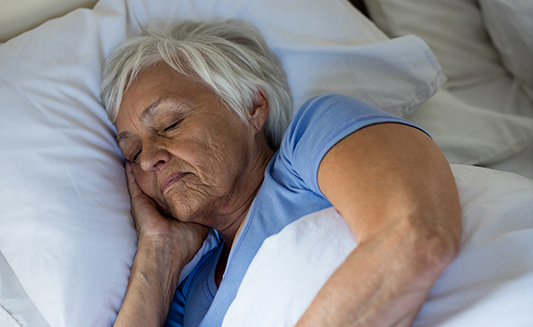
- Sleep Health Science and Interventions.
Approximate time required for the readings for this module (at 144 words/minute): 14 hours and 49 minutes.-
Students mustMark as done
Insufficient sleep has been linked to the development of a number of chronic diseases and conditions, including diabetes, cardiovascular disease, obesity, and depression.
In this module, you will be provided with information about the basic structural organization of sleep as well as the types of sleep disturbances and how to manage common sleep disorders. By the end of this module, you will be able to evaluate patients who cannot sleep and suggest lifestyle-based changes as well as coping behaviors that can improve their sleep.
Upon completion of this module, students should be able to:
- Understand sleep’s role in health and chronic disease
- Understand the basic physiology and the structural organization of sleep
- Know the common types of sleep disorders and the tools to evaluate and manage sleep
- Identify lifestyle-based activity, dietary, environmental and coping behaviors that can improve sleep health
- Identify at least two lifestyle adjustments related to light exposure and meal composition and timing that support improved sleep
-
Required Learning Resources
-
Students mustMark as doneNOTE: Each lesson includes a corresponding Lesson Summary (LS) as part of the required learning materials. Please review each LS carefully, as it will help you become familiar with the course content and reinforce key concepts.
-
Supplementary Learning Resources (Not Required)
-
Students mustMark as done
In this document, we summarized key topics of the module to help you study. Please note that these notes do not cover all of the material in its entirety; you are still encouraged to read and study all of the required learning resources.
317.5 KB -
Students mustView
Here are specialized flashcards designed to reinforce and test your knowledge throughout this course.
-
Students mustMark as done
-
Students mustMark as done
-
Learning Objectives
- Understand sleep’s role in health and chronic disease.
- Understand the basic physiology and the structural organization of sleep.
-
Required Learning Resources
-
Students mustMark as done
The lesson summaries provide a detailed overview of the key concepts and information covered in the external resources. However, learners are encouraged to explore the linked materials for a deeper understanding and more comprehensive analysis of the topics.
317.2 KB -
Students mustView
Read the entire content. (38 minutes)
Lancet Public Health - 2023
-
Students mustView
Read the entire web page. (15 minutes)
American Medical Women's Association.
-
Students mustView
Read the entire web page. (11 minutes)
Columbia University Department of Psychiatry - 2022
-
Students mustView
Read the entire article. (16 minutes)
Verywell Health - 2024
-
Students mustView
Read whichever section(s) that is of interest to you (for those interested in depth). (120 minutes)
National Center for Biotechnology Information, U.S. National Library of Medicine, National Institutes of Health - 2006
-
Students mustMark as done
Recommended Additional Readings
-
Read the entire article. (42 minutes)
PLOS - 2012
-
Read the entire article. (16 minutes)
Verywell Health - 2024
-

Learning Objectives
- Know the common types of sleep disorders and the tools to evaluate and manage sleep.
- Identify lifestyle-based activity, dietary, environmental, and coping behaviors that can improve sleep health.
- Identify at least two lifestyle adjustments related to light exposure and meal composition and timing that support improved sleep.
-
Students mustMark as done
The lesson summaries provide a detailed overview of the key concepts and information covered in the external resources. However, learners are encouraged to explore the linked materials for a deeper understanding and more comprehensive analysis of the topics.
344.6 KB -
Required Learning Resources
-
Students mustView
Read the entire article. (30 minutes)
American Academy of Family Physicians - 2013
-
Students mustView
Read the entire information. (35 minutes)
PubMed Line - StatPearls Publishing - 2025
-
Students mustView
Read the web page. (15 minutes)
Sleep Apnea Doctor Holdings - 2023
-
Students mustView
Read the entire article. (7 minutes)
Harvard Health Publishing - 2025
-
Students mustView
Read the web page. (5 minutes)
Mayo Clinic Staff - 2025
-
Students mustView
Read both: "Behavioral Sleep Consultation" & "Twelve Simple Tips to Improve Your Sleep". (20 minutes)
Division of Sleep Medicine at Harvard Medical School - 2021
-
Students mustView
Read the entire article. (28 minutes)
National Center for Biotechnology Information, U.S. National Library of Medicine, National Institutes of Health - 2016
-
Students mustView
Read the entire health letter. (8 minutes)
Harvard University - 2020
-
Students mustView
Read the entire article. (15 minutes)
Science Direct - 2020
-
Students mustMark as done
Recommended Additional Readings
-
Students mustView
Look through the booklet. (5 minutes)
U.S. Department of Health & Human Services, National Institutes of Health, National Heart, Lung, and Blood Institute - 2011
-
Students mustView
Read the entire article. (12 minutes)
APNEWS By ALBERT STUMM - 2024
-
Students mustViewStart discussions: 1
Sleep Health Assessment and Intervention Planning
Title: Clinical Sleep Health Assessment and Intervention Design
Context: As a health professional, you'll frequently encounter patients whose health concerns are impacted by poor sleep quality or insufficient sleep duration.
Instructions:
Begin by creating a fictional patient profile with a chronic health condition that could be affected by sleep (examples: hypertension, type 2 diabetes, obesity, depression, or chronic pain). Include relevant demographic information, primary health concerns, and current lifestyle factors.
Next, design a comprehensive sleep assessment for this patient:
Develop 5-7 key questions you would ask to evaluate their sleep patterns, habits, and environment
Identify which sleep disorder screening tools would be most appropriate for this patient and explain why
Describe what physical or laboratory assessments might be relevant to evaluate their sleep health
Based on your fictional assessment findings, create a sleep intervention plan that includes:
Two specific lifestyle modifications related to light exposure that would benefit this patient
Two dietary/nutritional adjustments (considering meal timing and composition) that could improve their sleep quality
One environmental modification to their sleep setting
One behavioral intervention to address potential circadian rhythm disruption
Conclude with a reflection on how improving this patient's sleep might positively impact their primary health condition, considering the physiological mechanisms that connect sleep with their specific health concern. What measurable outcomes would you track to evaluate the effectiveness of your intervention?
Case Study Project:
Comprehensive Sleep Health Intervention Plan
Submit
Submit your completed sleep health intervention plan through the course learning management system. Your submission should include your patient profile, comprehensive sleep assessment, intervention plan, and physiological impact analysis. Ensure all references follow 7th Edition APA formatting.
-
Quiz: Module 5
To access the quiz, click on the name of the quiz provided above. On the following screen, click the attempt quiz button to view the case studies and respond to the questions.
TO PASS THIS QUIZ YOU MUST OBTAIN A SCORE OF 80%.
Not available unless: The activity Quiz: Module 4 is marked complete
-
This module addresses tobacco use as a critical lifestyle medicine pillar, covering the health effects of tobacco, evidence-based cessation strategies, and the role of healthcare providers in supporting tobacco cessation. It emphasizes the social dimensions of tobacco use including the influence of social networks on smoking behavior, the importance of partner and family support in cessation, and strategies for navigating social smoking contexts.
Tobacco kills up to half of its users. - World Health Organization (2016)Instructional Goals covered in this module:
- Fundamentals of Tobacco Cessation
Approximate time required for the readings for this module (at 144 words/minute): 16 hours and 42 minutes.-
Students mustMark as done
Stimulation of nicotinic cholinergic receptors releases a variety of neurotransmitters in the brain. Those signals present a pleasurable experience. Cigarette addiction involves physiological, psychological, and behavioral factors. As a physician, you generally have only five to ten minutes in your office to spend with a patient to help him/her stop smoking. Before you continue with this module, we recommend you watch this video titled "30 Seconds to save a life".
In this module, you will learn about the epidemiology of smoking-related diseases and their prevention. By the end of this module, you will know how to interview and counsel patients who smoke, as well as how to offer appropriate treatment in the setting of a primary healthcare clinic or practice.
Upon completion of this module, students should be able to:
- Understand the role of tobacco cessation in preventing and treating chronic disease
- Summarize the evidence-based literature on tobacco cessation interventions
- Be able to state the aspects of tobacco addiction (physiological, psychological, and behavioral)
- Demonstrate the ability to assist patients to develop and implement plans for smoking cessation
- Be familiar with the medications and treatments commonly used for tobacco cessation
- Develop a written action plan based on the treatment prescription, adjusted for the appropriate stage of change
-
Required Learning Resources
-
Students mustMark as doneNOTE: Each lesson includes a corresponding Lesson Summary (LS) as part of the required learning materials. Please review each LS carefully, as it will help you become familiar with the course content and reinforce key concepts.
-
Supplementary Learning Resources (Not Required)
-
Students mustMark as done
In this document, we summarized key topics of the module to help you study. Please note that these notes do not cover all of the material in its entirety; you are still encouraged to read and study all of the required learning resources.
369.1 KB -
Students mustView
Here are specialized flashcards designed to reinforce and test your knowledge throughout this course.
-
Students mustMark as done
-
Students mustMark as done
-
Learning Objective:
- Understand the role of tobacco cessation in preventing and treating chronic disease.
- Summarize the evidence-based literature on tobacco cessation interventions.
-
Required Learning Resources
-
Students mustMark as done
The lesson summaries provide a detailed overview of the key concepts and information covered in the external resources. However, learners are encouraged to explore the linked materials for a deeper understanding and more comprehensive analysis of the topics.
283.6 KB -
Students mustView
Read the entire article and sections. (20 minutes)
The American Lung Association - 2024
-
Students mustView
Read the entire article and watch the video. (8 minutes)
CDC - 2023
-
Students mustView
Read the entire article. (8 minutes)
CDC - 2020
-
Students mustView
Read down to the section titled "Picture warnings work". (4 minutes)
World Health Organization (WHO) - 2023
-
Students mustView
Read the entire content. (33 minutes)
American Journal of Preventive Medicine - 2024
-
Students mustView
Read the entire content. (20 minutes)
Tobacco in Australia - 2022
-
Students mustView
Read the entire article. (30 minutes)
U.S. Preventive Services Task Force - 2020
-
Students mustMark as done
Recommended Additional Readings
-
Students mustView
Read the entire content. (18 minutes)
American Lung Association - 2025
-
Students mustView
Read the recommendation statement. (53 minutes)
U.S. Preventive Services Task Force - 2021
-
Learning Objective:
- Be able to state the aspects of tobacco addiction (physiological, psychological, behavioral).
-
Required Learning Resources
-
Students mustMark as done
The lesson summaries provide a detailed overview of the key concepts and information covered in the external resources. However, learners are encouraged to explore the linked materials for a deeper understanding and more comprehensive analysis of the topics.
267.4 KB -
Students mustView
Read the entire article. (20 minutes)
NIH - 2021
-
Students mustView
Scroll down and read the section titled "How does tobacco deliver its effects?" (3 minutes)
National Institutes of Health - 2022
-

Learning Objective:
- Demonstrate ability to assist patients to develop and implement plans for smoking cessation.
- Be familiar with the medications and treatments commonly used for tobacco cessation.
-
Required Learning Resources
-
Students mustMark as done
The lesson summaries provide a detailed overview of the key concepts and information covered in the external resources. However, learners are encouraged to explore the linked materials for a deeper understanding and more comprehensive analysis of the topics.
279.6 KB -
Students mustView
Read the entire article. (30 minutes)
American Family Physician - 2022
-
Students mustView
Read the section titled "II. The unique role of the healthcare provider in tobacco control" (page 6). Then, read from the sub-section titled "iii. Three Challenges of Quitting" (page 10) down to the end of the section titled "V. The 5R's model to increase motivation to quit" (page 14). (30 minutes)
World Health Organization (WHO) - 2014
-
Students mustView
Read the web page. (16 minutes)
Industrial Psychiatry Journal - 2021
-
Students mustView
Read the entire guideline. (60 minutes)
World Health Organization (WHO) - 2024
-
Students mustView
Read the section titled "The 2As & R" (page 1). (2 minutes)
Centers for Disease Control and Prevention (CDC)
-
Students mustView
Read the entire article. (25 minutes)
American Academy of Family Physicians - 2012
-
Students mustMark as done
Recommended Additional Readings
-
Students mustView
Scroll through the site. (5-10 minutes)
smokefree.gov
-
Watch the video titled "30 Seconds to Save a Life". (4 minutes)
The National Centre for Smoking Cessation and Training (NCSCT)
-
Read the entire booklet. (25 minutes)
Canadian Cancer Society - 2013
-
Students mustViewMake a submission
-
Students mustViewMake a submissionReceive a grade
-
Students mustViewStart discussions: 1
Tobacco Cessation Case Management Simulation
Title: Patient-Centered Tobacco Cessation Planning
Context: As a healthcare professional, you will create and manage a tobacco cessation case, applying evidence-based approaches to help your patient quit.
Instructions:
Step 1: Create Your Patient Profile
Develop a brief patient profile including:Basic demographics and smoking history
One relevant tobacco-related health condition
Previous quit attempts and barriers
Readiness to change
Step 2: Conduct a Three-Component Assessment
Analyze your patient's tobacco addiction by addressing:Physiological factors (dependence level, withdrawal symptoms)
Psychological aspects (motivations, beliefs, emotional triggers)
Behavioral patterns (routines, environmental cues, habits)
Step 3: Develop an Evidence-Based Cessation Plan
Create a personalized cessation plan including:One appropriate pharmacotherapy option with rationale
Two behavioral strategies targeting specific triggers
A brief follow-up schedule with anticipated challenges
One relapse prevention strategy
Throughout your simulation, demonstrate your understanding of tobacco addiction mechanisms and evidence-based cessation approaches while keeping your patient's individual needs at the center of your planning.
Simulation Project:
Evidence-Based Cessation Case Management
Submit
Submit your completed tobacco cessation simulation through the course learning management system. Your submission should include your patient profile, three-component assessment, evidence-based cessation plan, and relapse prevention strategy. Ensure all references follow 7th Edition APA formatting.
-
Quiz: Module 6
To access the quiz, click on the name of the quiz provided above. On the following screen, click the attempt quiz button to view the case studies and respond to the questions.
TO PASS THIS QUIZ YOU MUST OBTAIN A SCORE OF 80%.
Not available unless: The activity Quiz: Module 5 is marked complete
-
This module comprehensively addresses substance use including alcohol, cannabis, opioids, stimulants, and other substances as a critical lifestyle medicine pillar. It covers screening, brief interventions, harm reduction approaches, and treatment for substance use disorders while emphasizing the bidirectional relationships between substance use and social connections, the role of relationship stress in substance use, and the critical importance of social support in recovery.
"What are you doing here?" he asked the drunkard... "Drinking," replied the drunkard, with a gloomy expression. "Why are you drinking?" the little prince asked. "To forget," replied the drunkard. "To forget what?" inquired the little prince, who was already feeling sorry for him. "To forget that I'm ashamed," confessed the drunkard, hanging his head. "What are you ashamed of?" inquired the little prince, who wanted to help. "Of drinking!" concluded the drunkard... - Antoine de Saint-Exupéry, "The Little Prince."
Instructional Goals covered in this module:
- Managing Risky Alcohol Use
Approximate time required for the readings for this module (at 144 words/minute): 11 hours and 44 minutes.-
Students mustMark as done
According to the WHO , “the harmful use of alcohol ranks among the top five risk factors for disease, disability and death throughout the world”. Alcoholism often goes undiagnosed; the rate of screening for alcohol consumption in healthcare settings remains low. Some patients also may withhold information because of shame or fear of stigmatization.
In this module, you will learn about the epidemiology and the harm of alcohol use, useful screening tools, and the implementation of treatment plans to reduce alcohol-related health risks. Your ability to implement an intervention is of great importance; its effectiveness requires a close relationship with your patients.
Upon completion of this module, students should be able to:
- Understand the role of moderating alcohol use in preventing and treating chronic diseases
- Describe screening processes for harmful alcohol use
- Demonstrate the ability to assist patients to develop and implement plans for avoiding risky alcohol use
- Know the components of relapse prevention planning
- Develop a written action plan based on the treatment prescription, adjusted for the appropriate stage of change
-
Required Learning Resources
-
Students mustMark as doneNOTE: Each lesson includes a corresponding Lesson Summary (LS) as part of the required learning materials. Please review each LS carefully, as it will help you become familiar with the course content and reinforce key concepts.
-
Supplementary Learning Resources (Not Required)
-
Students mustMark as done
In this document, we summarized key topics of the module to help you study. Please note that these notes do not cover all of the material in its entirety; you are still encouraged to read and study all of the required learning resources.
291.4 KB -
Students mustView
Here are specialized flashcards designed to reinforce and test your knowledge throughout this course.
-
Students mustMark as done
-
Students mustMark as done
-
Learning Objective:
- Understand the role of moderating alcohol use in preventing and treating chronic diseases.
-
Required Learning Resources
-
Students mustMark as done
The lesson summaries provide a detailed overview of the key concepts and information covered in the external resources. However, learners are encouraged to explore the linked materials for a deeper understanding and more comprehensive analysis of the topics.
295.7 KB -
Students mustView
Download the article and read 4. Health Consequences from page 62 to page 82. (57 minutes)
World Health Organization (WHO) - 2018
-
Students mustMark as done
Recommended Additional Readings
-
Download the document and read chapter 2, only pages 19-50. (60 minutes)
World Health Organization (WHO) - 2024
-
Learning Objective:
- Describe screening processes for harmful alcohol use.
-
Required Learning Resources
-
Students mustMark as done
The lesson summaries provide a detailed overview of the key concepts and information covered in the external resources. However, learners are encouraged to explore the linked materials for a deeper understanding and more comprehensive analysis of the topics.
287.4 KB -
Students mustView
Read the entire article. (30 minutes)
Am Fam Physician - 2022
-
Students mustView
Read the entire page. (4 minutes)
Centers for Disease Control and Prevention (CDC) - 2024
-
Students mustView
Read the entire page. (4 minutes)
National library of medicine - 2016
-
Students mustView
Read the content of the box titled "Recommendation Summary". Then, scroll through the box titled "Related Information for Health Professionals" and click on the links to the "AUDIT" and "CAGE" questionnaires. Read the content of those links. (5 minutes)
U.S. Preventive Services Task Force - 2020
-

Learning Objective:
- Demonstrate ability to assist patients to develop and implement plans for avoiding risky alcohol use.
- Know the components of relapse prevention planning.
-
Required Learning Resources
-
Students mustMark as done
The lesson summaries provide a detailed overview of the key concepts and information covered in the external resources. However, learners are encouraged to explore the linked materials for a deeper understanding and more comprehensive analysis of the topics.
265.4 KB -
Students mustView
Read the entire guideline. (23 minutes)
National Institute on Alcohol Abuse and Alcoholism - 2025
-
-
Students mustView
Read the entire article. (20 minutes)
CDC - 2020
-
Students mustView
Watch the video and read the text found below it. (8 min for reading, 6 min for the video)
ADDICTIONS and RECOVERY.org - 2021
-
Students mustMark as done
Recommended Additional Readings
-
Read under headlines: (60 minutes)
- Abstract
- Imtroduction
- SBIRT
- SCREENING
- BRIEF INTERVENTIONS
- REFERRAL TO TREATMENT
NIH - 2020
-
Students mustViewMake a submission
-
Students mustViewStart discussions: 1
Comprehensive Alcohol Risk Assessment and Intervention Simulation
Title: Clinical Pathway for Alcohol Risk Reduction
Context: As a healthcare professional, you'll develop and implement a complete clinical approach to addressing harmful alcohol use with a patient in your practice setting.
Instructions:
Begin by creating a detailed patient profile who presents with potential alcohol-related concerns:
Select a demographic that interests you (e.g., college student, professional adult, older adult, pregnant woman)
Describe their alcohol consumption patterns and history
Include relevant medical, social, and family factors
Note any presenting symptoms or concerns that might relate to their alcohol use
Assess their readiness to discuss or change their drinking behaviors
Next, conduct a thorough screening assessment:
Select and apply an appropriate validated screening tool (e.g., AUDIT, CAGE, SBIRT)
Justify your choice of screening instrument for this specific patient
Document hypothetical screening results and your clinical interpretation
Identify any additional assessment information you would need to gather
Based on your screening results, develop a personalized intervention plan:
Outline your approach to discussing the screening results with the patient
Describe specific motivational interviewing techniques you would employ
Set realistic short-term and long-term goals appropriate for this patient
Include appropriate educational components about alcohol's health impacts
Consider when and how you might involve other resources or referrals
Create a comprehensive relapse prevention framework tailored to your patient:
Identify potential triggers specific to their life circumstances
Recommend environmental modifications to support reduced consumption
Develop coping strategies for high-risk situations
Design a follow-up schedule with specific monitoring parameters
Plan for how you would address potential setbacks
Throughout your simulation, demonstrate your understanding of screening processes, intervention techniques, and relapse prevention planning while keeping the connection between alcohol consumption and chronic disease management at the forefront of your clinical reasoning.
Simulation Project:
Comprehensive Alcohol Risk Assessment and Intervention Plan
Submit
Submit your completed alcohol risk management simulation through the course learning management system. Your submission should include your patient profile, screening assessment, personalized intervention plan, and relapse prevention framework. Ensure all references follow 7th Edition APA formatting.
-
Quiz: Module 7
To access the quiz, click on the name of the quiz provided above. On the following screen, click the attempt quiz button to view the case studies and respond to the questions.
TO PASS THIS QUIZ YOU MUST OBTAIN A SCORE OF 80%.
Not available unless: The activity Quiz: Module 6 is marked complete
- Demonstrate ability to assist patients to develop and implement plans for avoiding risky alcohol use.
-
Learning Objective:
• Describe health effects of cannabis, opioids, stimulants, sedatives, and other substances
Approximate time required for the readings for this lesson (at 144 words/minute): 1 hour
• Summarize diagnostic criteria for substance use disorders across substance categories
• Apply universal screening approaches using validated tools (DAST-10, NIDA single-item)
• Explain medication-assisted treatment for opioid use disorder
• Develop harm reduction strategies to reduce immediate risks
• Identify indications for referral to addiction specialists
• Integrate social support and address relationship factors in substance use and recovery
-
This module addresses stress management and mental health as critical lifestyle medicine pillars, covering the bidirectional relationships between stress and health, screening for mental health conditions, evidence-based interventions including mindfulness, and the fundamental role of social connectedness in mental health. It integrates positive psychology concepts and addresses modern challenges including social media effects, recognizing that mental health and social connection are inseparable.
"God, grant me the serenity to accept the things I cannot change, Courage to change the things I can, And wisdom to know the difference." - Reinhold Niebuhr, The Serenity Prayer

Instructional Goals covered in this module:
- Emotional and Mental Well-Being Assessment and Interventions
People accept stress as an inevitable part of their lives, but exposure to chronic high levels leads to various forms of significant stress-induced morbidity.
In this module, you will learn how to identify a stressed patient and how to help him/her manage emotional and mental well-being.
Upon completion of this module, students should be able to:
- Understand the basic elements of stress response and the relationship between emotional distress and poor health.
- Describe the components of emotional wellness self-management.
- Use screening tools for stress, depression, and anxiety.
- Understand how skills of mindfulness-based stress reduction (MBSR) and other approaches can help patients intervene in stress reactions and better care for themselves.
- Demonstrate the ability to manage depression and anxiety in patients with comorbidities.
- Be familiar with the unique stressors associated with being a physician, along with the possible ways of coping with stress, and describe the role of the provider in facilitating the emotional well-being of patients.
Approximate time required for the readings for this module (at 144 words/minute): 10 hours and 59 minutes.-
Required Learning Resources
-
Students mustMark as doneNOTE: Each lesson includes a corresponding Lesson Summary (LS) as part of the required learning materials. Please review each LS carefully, as it will help you become familiar with the course content and reinforce key concepts.
-
Supplementary Learning Resources (Not Required)
-
Students mustMark as done
In this document, we summarized key topics of the module to help you study. Please note that these notes do not cover all of the material in its entirety; you are still encouraged to read and study all of the required learning resources.
338.2 KB -
Students mustView
Here are specialized flashcards designed to reinforce and test your knowledge throughout this course.
-
Students mustMark as done
-
Students mustMark as done
-

Learning Objectives
- Understand the basic elements of stress response and the relationship between emotional distress and poor health.
- Describe the components of emotional wellness self-management.
-
-
Required Learning Resources
-
Students mustMark as done
The lesson summaries provide a detailed overview of the key concepts and information covered in the external resources. However, learners are encouraged to explore the linked materials for a deeper understanding and more comprehensive analysis of the topics.
279.1 KB -
Students mustView
Scroll through the article and read the headline: KEY BIOLOGICAL MECHANISMS THROUGH WHICH STRESS IMPACTS HEALTH - (35 minutes)
Annual Review of Psychology - 2021
-
Students mustView
Read the entire web page and watch the video. (6 minutes)
WHO - 2022
-
Students mustMark as done
Recommended Additional Readings
-
Read the entire article. (15 minutes)
-
Read the entire article. (40 minutes)
International Center for Nutritional Research, Inc - 2018
-
Read the entire article. (3 minutes)
eat.rigth.org - 2022
-

Learning Objectives
- Use screening tools for stress, depression and anxiety.
-
-
Required Learning Resources
-
Students mustMark as done
The lesson summaries provide a detailed overview of the key concepts and information covered in the external resources. However, learners are encouraged to explore the linked materials for a deeper understanding and more comprehensive analysis of the topics.
290.6 KB -
Students mustView
Read the entire website. (18 minutes)
HelpGuide. Org International - 2024
-
Students mustView
Click on the link titled "Overview of DASS" and read the content. Then, return to the home page and click on the link titled "Download DASS". Choose which version you want to download and then download the "DASS response form". Read the questionnaire. (10 minutes)
The University of New South Wales - 2023
-
Students mustView
Read: the entire subsection "Lifestyle Medicine and Stress Management" on PDF pages 26 to 30. (15 minutes)
The American College of Lifestyle Medicine - 2022
-
Students mustView
Read the web page. (4 minutes)
The American Heart Association - 2021
-
Students mustMark as done
Recommended Additional Readings
-
Watch the entire video. (5 minutes)
TED - Ed Videos - 2015
-
Watch the entire video. (5 minutes)
TED - Ed Videos - 2015
-
Students mustViewMake a submission
-

Learning Objectives
- Understand how skills of mindfulness-based stress reduction (MBSR) can help patients intervene in stress reactions and better care for themselves.
-
-
Required Learning Resources
-
Students mustMark as done
The lesson summaries provide a detailed overview of the key concepts and information covered in the external resources. However, learners are encouraged to explore the linked materials for a deeper understanding and more comprehensive analysis of the topics.
353.2 KB -
Students mustView
Read the entire article. (30 minutes)
Medical News Today - 2023
-
Students mustView
Read the web page. (20 minutes)
Choosing Therapy - 2023
-

Learning Objectives
- Demonstrate ability to manage depression and anxiety in patients with comorbidities.
-
-
Required Learning Resources
-
Students mustMark as done
The lesson summaries provide a detailed overview of the key concepts and information covered in the external resources. However, learners are encouraged to explore the linked materials for a deeper understanding and more comprehensive analysis of the topics.
401.6 KB -
Students mustView
Read under headlines: (25 minutes)
- Abstract
- Background
- Results
- Discussion
BMC Medicine - 2020
-
Students mustViewMake a submission
-

Learning Objectives
- Be familiar with the unique stressors associated with being a physician, along with the possible ways of coping with stress, and describe the role of the provider in facilitating the emotional well-being of patients.
-
-
Required Learning Resources
-
Students mustMark as done
The lesson summaries provide a detailed overview of the key concepts and information covered in the external resources. However, learners are encouraged to explore the linked materials for a deeper understanding and more comprehensive analysis of the topics.
279.4 KB -
Students mustView
Read the web page. (20 minutes)
Wheel Health - 2023
-
Students mustViewMake a submissionReceive a grade
-
Students mustViewStart discussions: 1
As a healthcare provider, you'll analyze a patient case involving stress-related symptoms and develop a comprehensive assessment and intervention plan addressing both emotional and physical health needs.
Activity Instructions
Part 1: Case Assessment (300-400 words)
You are presented with the following case:
Maria is a 42-year-old project manager who visits your clinic complaining of frequent headaches, disturbed sleep, and digestive issues that have worsened over the past three months. During the appointment, she mentions feeling "constantly on edge" due to a recent promotion, caring for her elderly parents, and financial concerns. Her medical history includes hypertension that has been difficult to control despite medication adjustments.
For this patient:
Analyze the potential connections between Maria's reported stressors and her physical symptoms
Select and justify two appropriate screening tools you would use to assess her emotional wellbeing
Explain what results would indicate need for intervention
Part 2: Intervention Development (400-500 words)
Assuming your screening indicates moderate anxiety and signs of chronic stress, develop a comprehensive intervention plan that:
Incorporates specific mindfulness-based stress reduction techniques appropriate for Maria's situation
Outlines two additional emotional wellness self-management strategies
Addresses how these interventions support both her emotional and physical health concerns
Creates a realistic implementation timeline considering her busy schedule.
Written Assignment:
Stress-Related Health Case Analysis and Intervention Development
Submit
Submit your completed case analysis and intervention plan through the course learning management system. Your submission should include your case assessment, screening tool justification, and comprehensive intervention plan. Ensure all references follow 7th Edition APA formatting.
-
Quiz: Module 8
To access the quiz, click on the name of the quiz provided above. On the following screen, click the attempt quiz button to view the case studies and respond to the questions.
TO PASS THIS QUIZ YOU MUST OBTAIN A SCORE OF 80%.
Not available unless: The activity Quiz: Module 7 is marked complete
-
This module addresses sexuality as an integral component of health and well-being across the lifespan, emphasizing the relational dimensions of sexual health. It covers the bidirectional relationships between sexuality and overall health, communication about sexual concerns, and management of common sexual health issues, recognizing that healthy sexuality encompasses physical, emotional, mental, and social dimensions fundamentally connected to relationship quality and social connectedness.
Sexual health working definition: “... a state of physical, emotional, mental and social well-being in relation to sexuality; it is not merely the absence of disease, dysfunction or infirmity. Sexual health requires a positive and respectful approach to sexuality and sexual relationships, as well as the possibility of having pleasurable and safe sexual experiences, free of coercion, discrimination, and violence. For sexual health to be attained and maintained, the sexual rights of all persons must be respected, protected, and fulfilled.” The World Health Organization (2006)

Instructional Goals covered in this module:
- Sexuality and Health
Approximate time required for the readings for this module (at 144 words/minute): 6 hours and 2 minutes.-
Students mustMark as done
- Sexuality and health
Patients may have difficulty talking to their physician about sexuality and sexual health for many reasons. Sexual problems can greatly impact a person’s life, influencing both physical and psychological well-being. The causes for sexual dysfunction are numerous; they include various medical conditions and treatments, and can happen at any stage of life. Your responsibility as a physician is to create a trustworthy and secure environment where delicate subjects can be discussed during the medical visit.
In this module, you will learn about sexuality-related health issues and how to talk to your patients about these issues.
Upon completion of this module, students should be able to:
- Understand what is meant by the term ‘healthy sexuality’, and the relationship between sexuality and health
- Understand the role and the limitations of the physician in counseling and treating in the field of sexuality
-
Required Learning Resources
-
Students mustMark as doneNOTE: Each lesson includes a corresponding Lesson Summary (LS) as part of the required learning materials. Please review each LS carefully, as it will help you become familiar with the course content and reinforce key concepts.
-
Supplementary Learning Resources (Not Required)
-
Students mustMark as done
In this document, we summarized key topics of the module to help you study. Please note that these notes do not cover all of the material in its entirety; you are still encouraged to read and study all of the required learning resources.
317.2 KB -
Students mustView
Here are specialized flashcards designed to reinforce and test your knowledge throughout this course.
-
Students mustMark as done
-
Students mustMark as done
-

Learning Objectives
- Understand what is meant by the term ‘healthy sexuality’, and the relationship between sexuality and health.
-
Required Learning Resources
-
Students mustMark as done
The lesson summaries provide a detailed overview of the key concepts and information covered in the external resources. However, learners are encouraged to explore the linked materials for a deeper understanding and more comprehensive analysis of the topics.
218.1 KB -
Students mustView
Read the web page. (7 minutes)
World Health Organization (WHO) - 2025
-
Students mustView
Read the guidelines. (25 minutes)
The Society of Obstetricians and Gynaecologists of Canada (SOGC) - 2023
-
Students mustView
Read the web page. (15 minutes)
Agile Telehealth
-
Students mustView
Read the entire content: Definition, Categories, In males, In females, Contacting a doctor, Causes, Diagnosis, Treatment. (20 minutes)
Mediocal News Today - Healthline Media - 2024
-
Students mustMark as done
Recommended Additional Readings
-
Read the web page. (12 minutes)
National Institutes of Health - 2022
-

Learning Objectives
- Understand the role and the limitations of the physician in counseling and treating in the field of sexuality.
-
Required Learning Resources
-
Students mustMark as done
The lesson summaries provide a detailed overview of the key concepts and information covered in the external resources. However, learners are encouraged to explore the linked materials for a deeper understanding and more comprehensive analysis of the topics.
243.9 KB -
Students mustView
Read the web page. (7 minutes)
Association of Reproductive Health Professionals - 2022
-
Students mustView
Read the web page. (10 minutes)
Association of Reproductive Health Professionals - 2022
-
Students mustViewStart discussions: 1
As a health professional, you'll encounter patients with diverse sexuality concerns. This activity explores how to balance personal values with professional responsibilities.
Instructions
Part 1: Values Reflection
Write a brief reflection (1 paragraph) on:
Your understanding of "healthy sexuality" compared to the WHO definition
How your personal values might influence your professional approach to sexuality discussions
Part 2: Clinical Scenario
Create a fictional clinical scenario where a patient presents with a sexuality concern that might challenge your personal comfort zone. Your scenario should include:
Patient demographics (age, gender, relationship status)
Chief complaint related to sexuality (be specific but appropriate)
Relevant medical and psychosocial history
How the patient presents their concern (reluctant, matter-of-fact, distressed)
Part 3: Professional Response
Analyze your approach to this patient by addressing:
What falls within your scope of practice versus when to refer
How you would maintain professional boundaries while providing compassionate care
Specific communication techniques you would use
Part 4: Development Plan
Identify:
One knowledge gap regarding sexuality and health
One communication skill you need to develop
How you'll recognize when a concern exceeds your professional boundaries
Your complete response should demonstrate critical thinking about the complex relationship between personal values and professional responsibilities when addressing sexuality in healthcare settings.
Reflective Assignment:
Professional Values and Sexual Health Practice Integration
Submit
Submit your completed reflective analysis through the course learning management system. Your submission should include your values reflection, clinical scenario, professional response analysis, and development plan. Ensure all references follow 7th Edition APA formatting.
-
Quiz: Module 9
To access the quiz, click on the name of the quiz provided above. On the following screen, click the attempt quiz button to view the case studies and respond to the questions.
TO PASS THIS QUIZ YOU MUST OBTAIN A SCORE OF 80%.
Not available unless: The activity Quiz: Module 8 is marked complete -
Students mustMark as done
Recommended Additional Readings
-
Students mustViewMake a submissionReceive a grade
-
This module provides practical strategies for implementing lifestyle medicine in clinical settings, covering health promotion in practices, leveraging interdisciplinary teams, connecting with community resources, optimizing office systems, and developing comprehensive implementation plans. It emphasizes implementing interventions across all six pillars including social connection through group visits, social prescribing, and community partnerships that address both individual health and social isolation.
“People are generally better persuaded by the reasons which they have themselves discovered than by those which have come into the minds of others.” - Blaise Pascal

Instructional Goals covered in this module:
- Implementing Lifestyle Medicine
Approximate time required for the readings for this module (at 144 words/minute): 17 hours and 17 minutes.-
Students mustMark as done
You have reached the final module in this training. Now is the time to summarize and integrate the course components into a comprehensive practical plan that will serve both you and your patients. As was mentioned throughout this course, change is a gradual process that requires patience; new skills are incorporated incrementally into your life through small, manageable steps.
In this module you will be provided with the tools necessary to implement health promotion into your practice.
Upon completion of this module, students should be able to:
- Describe strategies for incorporating wellness into clinic, medical office, or other healthcare settings (wellness programs for health providers)
- Describe the key strategies for leveraging the interdisciplinary team to enhance health behavior change interventions
- Describe how planned and group visits can optimize office visits to support lifestyle modification
- Describe screening and diagnostic tests relevant to lifestyle-related diseases
- List components of the patient history and physical, with emphasis on lifestyle risk factors
- Describe how to interpret the tests using evidence-based national guidelines
- Demonstrate how to screen, diagnose, and monitor a lifestyle-related condition (case examples)
- Describe appropriate situations for referring and collaborating with other health professionals, such as dieticians, health educators, fitness trainers, and psychologists
- Cite strategies for effective office systems and office tools for tracking screening frequency and test results, and proactively prompting follow-up
- Develop an action plan for implementing lifestyle medicine in clinical and personal settings by using tools and strategies for effective office systems
- Describe strategies for a clinical practice to obtain information about local community resources
-
-
Required Learning Resources
-
Students mustMark as doneNOTE: Each lesson includes a corresponding Lesson Summary (LS) as part of the required learning materials. Please review each LS carefully, as it will help you become familiar with the course content and reinforce key concepts.
-
Supplementary Learning Resources (Not Required)
-
Students mustMark as done
In this document, we summarized key topics of the module to help you study. Please note that these notes do not cover all of the material in its entirety; you are still encouraged to read and study all of the required learning resources.
294.0 KB -
Students mustView
Here are specialized flashcards designed to reinforce and test your knowledge throughout this course.
-
Students mustMark as done
-

Learning Objectives
- Describe strategies for incorporating wellness into clinic, medical office or other health care settings (wellness programs for health providers).
- Describe the key strategies for leveraging the interdisciplinary team to enhance health behavior change interventions.
- Describe how planned and group visits can optimize office visits to support lifestyle modification.
-
Students mustMark as doneTo start learning about the Four(4) Strategies for Promoting Healthy Lifestyle, WATCH the 0:00- 8:53 of this video lecture:
-
Required Learning Resources
-
Students mustMark as done
The lesson summaries provide a detailed overview of the key concepts and information covered in the external resources. However, learners are encouraged to explore the linked materials for a deeper understanding and more comprehensive analysis of the topics.
254.1 KB -
Students mustView
Read CHAPTER 3 Theoretical Approaches to Health Promotion and Disease Prevention. (60 minutes)
Jones & Bartlett Learning, LLC. - 2023
-
Students mustView
Read the web page. (40 minutes)
American Heart Association - 2021
-
Students mustView
Read the entire article. (15 minutes)
The MedCommons - 2022
-
-
Students mustView
Read the entire article. (23 minutes)
Alex Heaps - 2020
-
Students mustView
Read the entire abstract. (2 minutes)
SAGE Publications - 2016
-
Students mustMark as done
-
Students mustView
Read the entire article below. For a concise summary of the article, you may view 10:09-12:27 of this video lecture:
-
Students mustView
Read the entire abstract of the resource below this page. You may also view 12:27 of this video lecture for more information.
-
Students mustMark as done
Recommended Additional Readings
-
Students mustView
Read the entire article. (30 minutes)
BMC Health Services Research - 2022
-
Students mustView
Read the entire article. (10 minutes)
ASSOCIATION OF STATE AND TERRITORIAL HEALTH OFFICIALS - 2024
-
Students mustView
Read the entire article. (20 minutes)
Healthcare (Basel) - 2021
-
Students mustView
Read the entire article. (38 minutes)
The American Nurses Association, Inc. - 2005
-
Students mustView
Read the entire article. (30 minutes)
Nutrients - 2019
-
Students mustView
Read the entire article. (30 minutes)
National Center for Biotechnology Information, U.S. National Library of Medicine, National Institutes of Health - 2013
-
Students mustView
Read the entire article. (30 minutes)
NIH PubMed Central - 2022
-
Students mustView
Read under headlines: (20 minutes)
- Results
- Conclusion
Ns. Int. J. Environ. Res. Public Health 2 - 2022
-
Students mustView
Read the entire article. (18 minutes)
BMC Public Health volume - 2022
-

Learning Objectives
- Describe strategies for a clinical practice to obtain information about local community resources.
-
Students mustMark as done
This video lecture summarizes all the key components of the lesson. You may watch it to revise before your quiz. Timestamps are shared in the page content
-
Students mustMark as done
Recommended Additional Readings
-
Students mustMark as done
The lesson summaries provide a detailed overview of the key concepts and information covered in the external resources. However, learners are encouraged to explore the linked materials for a deeper understanding and more comprehensive analysis of the topics.
225.4 KB -
Students mustView
Scroll down and click on the link titled "Chapter 3. Assessing Community Needs and Resources". Then, click on the link titled "Section 8. Identifying Community Assets and Resources" and read the entire web page. (22 minutes)
Community Tool Box, University of Kansas Work Group for Community Health and Development - 2023
-
Students mustView
Explore the web page. (20 minutes)
Alberta Health Services - 2017
-
Students mustView
Read under headlines: (20 minutes)
- Background
- Results
- Discussion
- Conclusion
NIH PubMed Central - 2022
-
Students mustView
Read the entire article. (17 minutes)
Center for Healthcare Strategies - 2020
-

Learning Objectives
- Cite strategies for effective office systems and office tools for tracking screening frequency and test results, and proactively prompting follow-up.
-
Required Learning Resources
-
Students mustMark as done
The lesson summaries provide a detailed overview of the key concepts and information covered in the external resources. However, learners are encouraged to explore the linked materials for a deeper understanding and more comprehensive analysis of the topics.
254.9 KB -
Students mustView
Read the entire article. (13 minutes)
American Congress of Obstetricians and Gynecologists - 2016
-
Students mustView
Read the entire article. (23 minutes)
NIH PubMed Central - 2020
-
Students mustView
Read the entire article. (22 minutes)
Agency for Healthcare Research and Quality - 2025
-
Students mustView
Read the entire article. (6 minutes)
Stark, U.A., Frese, T., Unverzagt, S. - 2020
-
-
Students mustMark as done
Recommended Additional Readings
-
Students mustView
Read the entire article. (25 minutes)
ClinicalTrials - 2012
-
Students mustViewMake a submission
-
Students mustViewMake a submissionReceive a grade
-
Students mustViewStart discussions: 1
We hope that by the end of this course, you feel healthier and happier thanks to the personal health behavior change project!
In this forum, you can share your reflections on your peer project experience. To do it, Summarize your project in writing according to the following guidelines:
- Your summary should be around 500 words.
- Describe the chosen area of change and goals of your peer
- Describe the intervention and behavioral tools you used
- Report the results, successes, and challenges
- Describe how the project affected your health
- Describe how the project affected your attitude towards the attempts of patients to change their behavior
- In a few sentences, state the most important lessons you learned in the project
- Cite strategies for effective office systems and office tools for tracking screening frequency and test results, and proactively prompting follow-up.
-
Learning Objective:

- Develop an action plan for implementing lifestyle medicine in clinical and personal settings by using tools and strategies for effective office systems.
-
Required Learning Resources
-
Students mustMark as done
The lesson summaries provide a detailed overview of the key concepts and information covered in the external resources. However, learners are encouraged to explore the linked materials for a deeper understanding and more comprehensive analysis of the topics.
267.2 KB -
Students mustView
Read the entire article. (12 minutes)
NIH PubMed Central - 2020
-
Students mustView
Read the entire article. (40 minutes)
BMC PubMed Central - 2023
-
Students mustView
Read the entire article. (8 minutes)
NIH PubMed Central - 2023
-
Students mustMark as done
We hope that you have enhanced your personal health with the personal health behavior change project and that you will continue to become healthier and happier in the future!
Final thoughts
You are invited to read the story titled The 100th Monkey, a story about social change (found within the learning activity labeled "Enrichment Activity (optional): Commitment to Lifestyle Medicine", Module 10, Lesson 3). The story is also included in this next video: Module10 Lesson 4: Summary and Closing Remarks
Try to reflect on its deeper meaning for a few moments and imagine how you can contribute to the good health of our planet - and why not start doing so right away?
Thank you for taking this course. We wish you good luck on your final exam and all the best for a good, happy, and healthy life!
-
Students mustMark as done
This video lecture summarizes all the key components of the lesson. It also serves as closure for this course.
-
Students mustViewStart discussions: 1
As healthcare professionals, you must develop strategies to enhance patient care through lifestyle medicine while also addressing provider wellness. This activity challenges you to create a comprehensive action plan for implementing wellness initiatives in a clinical setting.
Activity: Developing a Wellness Integration Blueprint
Imagine you have been hired as a Wellness Coordinator for a medium-sized primary care practice struggling with provider burnout and seeking to implement lifestyle medicine approaches for both patients and staff. Your task is to develop a detailed action plan that addresses the following components:
Step 1: Assess the Current Environment
Identify potential barriers and opportunities in the clinical setting that might affect wellness implementation. Consider:
What challenges might providers face in prioritizing their own wellness?
What current office systems might support or hinder lifestyle medicine implementation?
How might the current patient visit structure limit lifestyle medicine counseling?
Step 2: Team-Based Approach Design
Create a strategy for leveraging an interdisciplinary team to enhance health behavior change interventions:
Outline specific roles for different team members (nurses, medical assistants, dietitians, etc.)
Describe how responsibilities could be distributed to maximize efficiency while reducing provider burden
Propose a communication framework that ensures consistent messaging about lifestyle medicine across the team
Step 3: Visit Structure Optimization
Develop a framework for implementing planned visits and/or group visits to support lifestyle modification:
Design a template for a 30-minute lifestyle medicine focused visit that maximizes efficiency
Create a structure for a group visit addressing a specific health behavior (e.g., nutrition, physical activity)
Explain how these visit structures could improve both patient outcomes and provider satisfaction
Step 4: Community Resource Integration
Outline a systematic approach for the practice to identify and utilize local community resources:
Develop a protocol for staff to research and document community wellness resources
Create a template for evaluating the quality and accessibility of community programs
Design a system for matching patients with appropriate community resources based on their specific needs and barriers
Step 5: Office Systems Implementation
Design office tools and systems for tracking lifestyle medicine interventions and outcomes:
Create a template for documenting lifestyle medicine interventions in the electronic health record
Develop a tracking system for monitoring patient progress with lifestyle changes
Design a proactive follow-up protocol that doesn't increase provider workload
Step 6: Comprehensive Action Plan
Synthesize your strategies into a cohesive 3-month implementation plan that:
Prioritizes interventions based on feasibility and potential impact
Includes specific timelines and responsible parties
Incorporates provider wellness alongside patient-focused initiatives
Describes metrics to evaluate success
Addresses potential challenges and contingency plans
Your final action plan should demonstrate how lifestyle medicine can be practically implemented in a clinical setting while supporting provider wellness and leveraging team-based care, optimized visit structures, community resources, and effective office systems.
Capstone Project:
Comprehensive Wellness Implementation Strategy
Submit
Submit your completed wellness integration blueprint through the course learning management system. Your submission should include your environmental assessment, team-based approach, visit optimization framework, community resource integration, office systems design, and 3-month implementation plan. Ensure all references follow 7th Edition APA formatting.
-
Quiz: Module 10
To access the quiz, click on the name of the quiz provided above. On the following screen, click the attempt quiz button to view the case studies and respond to the questions.
TO PASS THIS QUIZ YOU MUST OBTAIN A SCORE OF 80%.
Not available unless: The activity Quiz: Module 9 is marked complete
-
-
Final Exam Quiz
To take the final exam, you must complete all quizzes and complete all the required activities. The final exam consists of 40 questions, and you will have 40 minutes to complete it. When the time is over, you will have two minutes to submit your attempt before it expires, and your progress is discarded. You will not be able to answer additional questions in the grace period.
To access the exam, click on the name of the exam provided above. On the following screen, click the "Preview quiz now" button to respond to the questions.
Not available unless any of: You belong to a group in Kirksville College of Osteopathic Medicine ...Not available unless any of:- You belong to a group in Kirksville College of Osteopathic Medicine
- You belong to UMMSM
-
All of:
-
All of:
- The activity Course Registration is marked complete
- The activity Pre-Test is marked complete
- The activity Quiz: Module 1 is marked complete
- The activity Quiz: Module 2 is marked complete
- The activity Quiz: Module 3 is marked complete
- The activity Quiz: Module 4 is marked complete
- The activity Quiz: Module 5 is marked complete
- The activity Quiz: Module 6 is marked complete
- The activity Quiz: Module 7 is marked complete
- The activity Quiz: Module 8 is marked complete
- The activity Quiz: Module 9 is marked complete
- The activity Quiz: Module 10 is marked complete
- The activity Module 1- Critical Thinking Discussion: Exploring Lifestyle Medicine in Modern Healthcare is marked complete
- The activity Module 2- Individual Discussion Activity for Health Sciences Education is marked complete
- The activity Module 3- Activity: Comprehensive Physical Activity Prescription Development and Evaluation is marked complete
- The activity Module 4- Nutritional Prescription Case Development is marked complete
- The activity Module 5- Sleep Health Science Activities for Health Professionals is marked complete
- The activity Module 6- Tobacco Cessation Activity Design for Health Professionals is marked complete
- The activity Module 7- Alcohol Risk Management Activity for Health Professionals is marked complete
- The activity Module 8- Emotional Wellbeing Case Analysis and Intervention Plan is marked complete
- The activity Module 9- Navigating Professional Boundaries in Sexual Health Counseling is marked complete
- The activity Module 10- Wellness Integration Action Plan for Healthcare Settings is marked complete
-
All of:
- You belong to Faculty of Medicine in the Galilee
- You belong to Miami Med
- You belong to Public Health U
-
-
 In this section, you can provide feedback about this course to help us make NextGenU.org better. Once evaluations are completed, you will be able to download your certificate of completion.
Click here give your feedback-
Course Evaluations QuestionnaireNot available unless: The activity Final Exam is marked complete
-
Self Evaluation QuestionnaireNot available unless: The activity Final Exam is marked complete
-
Students mustMark as done
-
-
Activities
Not available
-


 Click here to start Final Examination