

Section: Module 1: Lesson 4: Data Analysis and Study Design | Biostatistics | NextGenU.org
-
Learning Objectives
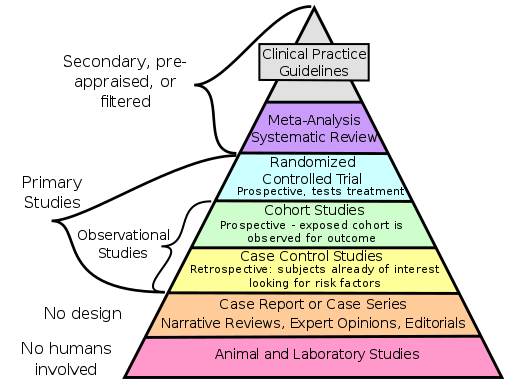
- Understand the basic types of data, the main ways in which data are used, and important considerations when using data in analysis.
- Identify the design of a study and explain how this impacts interpretation.
- Apply knowledge and skills in working with different data types in a chosen public health setting.
-
Students mustView
- Read all slides.
- Understand the basic types of data, the main ways in which data are used, and important considerations when using data in analysis.
-
Students mustView
- Read the entire article. It provides an overview of the entire course.
- Understand the basic types of data, the main ways in which data are used, and important considerations when using data in analysis.
-
Students mustViewWatch the entire webinar. The webinar deals with how the timely analysis and public dissemination of data being used to guide and evaluate policy and public health response to the overdose crisis in Rhode Island. (60 minutes)
-
Students mustViewReceive a grade
- Find a local public health professional, someone who works regularly with health data and produces quantitative reports on health data -- e.g., mortality and morbidity, service and administrative data, health assessments, program evaluation.
- In 500 to 700 words, answer the questions below for yourself based on your research of your mentor’s role or organization.
- Data type

- What data does your mentor work with?
- Where do these data come from? How are they collected?
- What type of variables are they?
- Data quality and manipulations
- How does your mentor ensure the data are of good quality?
- Do they encounter missing data? What would they do about missing data?
- What other data quality or validity challenges do they experience?
- Measures and metrics
- What kind of statistics does your mentor produce in their reports?
- Why would they or their organization choose to report these measures rather than others?
- What kind of visual tools (e.g., tables and graphics) does your mentor use to present their data and findings? How are these data visualization tools appropriate to the audience?
- Apply knowledge and skills in working with different data types in a chosen public health setting.
-
Students mustViewMake a submission
- Discuss the following questions with your mentor to get their perspective. (Optional: Revise your peer-reviewed assignment to include what you learned from your mentor.)
- Data type

- What data does your mentor work with?
- Where do these data come from? How are they collected?
- What type of variables are they?
- Data quality and manipulations
- How does your mentor ensure the data are of good quality?
- Do they encounter missing data? What would they do about missing data?
- What other data quality or validity challenges do they experience?
- Measures and metrics
- What kind of statistics does your mentor produce in their reports?
- Why would they or their organization choose to report these measures rather than others?
- What kind of visual tools (e.g., tables and graphics) does your mentor use to present their data and findings? How are these data visualization tools appropriate to the audience?
- Apply knowledge and skills in working with different data types in a chosen public health setting.
-
Students mustViewReceive a gradeReceive a passing grade
To access the quiz, click on the name of the quiz provided above. On the following screen, click the "Preview quiz now" button to view the case studies and respond to the questions.
-