

Section: Module 4: Lesson 1: Principles of Hypothesis Testing | Biostatistics | NextGenU.org
-
Learning Objectives
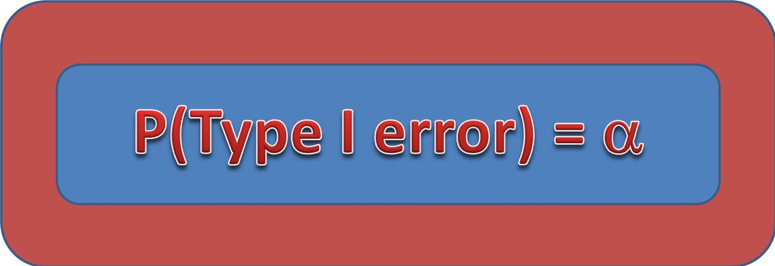
- Reinforce understanding of probability distributions in the context of hypothesis testing, especially in drawing conclusions and types of errors.
- Distinguish types of explanatory and response variables.
- Understand the relationship between confidence interval and hypothesis testing.
-
Students mustView
- Read the web page, as well as the content of sections S.3.1 to S.3.3. Access sections S.3.1, "Hypothesis Testing (Critical value approach)", S.3.2, "Hypothesis Testing (P-Value Approach)", and S.3.3, "Hypothesis Testing: Examples" by clicking on the titled links found on the left side of the web page.
- Reinforce understanding of probability distributions in the context of hypothesis testing, especially in drawing conclusions and types of errors.
-
Students mustView
- Read the web page. Then, on the left-hand side of the web page, click on the link titled "Standard" found under the heading "4. Type I and Type II Errors". Read the content of that web page.
- Reinforce understanding of probability distributions in the context of hypothesis testing, especially in drawing conclusions and types of errors.
-
Students mustView
- Read the entire web page.
- Distinguish types of explanatory and response variables.
-
Students mustView
- Read the entire web page.
- Distinguish types of explanatory and response variables.
-
Students mustView
- Read the entire web page.
- Understand the relationship between confidence interval and hypothesis testing.
-
Students mustViewReceive a gradeReceive a passing grade
To access the quiz, click on the name of the quiz provided above. On the following screen, click the "Preview quiz now" button to view the case studies and respond to the questions.
-
- Read from the beginning of the article to the beginning of the section titled “Question 1. Is there a difference between groups or data sets that are unpaired (parallel or independent)?”.
-
Students mustView
- Read the web page.