loader image
Skip to main content
  • Evidence-based Journalism for Health
    0%

Focus Mode is ON. Click on the ‘collapse icon’ to close it.

  • Previous
  • Course data
    Introduction
    Course Registration
    Pre-Test
    Peer Corner
    Module 1: Introduction to Risk Communication and Community Engagement (RCCE) and solutions journalism
    Informative Guide: Introduction to Risk Communication and Community Engagement (RCCE) and solutions journalism (Required)
    Module 1: Lesson 1: Solutions Approach for Health Journalism
    Lesson 1: Solutions Approach for Health Journalism (Required)
    Recommended Learning Resources
    Module 1: Lesson 2: Journalism and Behaviour Change
    Lesson 2: Journalism and Behaviour Change (Required)
    Recommended Learning Resources
    Module 1: Lesson 3: Risk Communication and Community Engagement (RCCE)
    Lesson 3: Risk Communication and Community Engagement (RCCE) (Required)
    Case Study 1: Sputnik Vaccine (Required)
    Recommended Learning Resources
    Module 2: Countering Misinformation and Stigma through the Media
    Informative Guide : Countering Misinformation and Stigma through the Media (Required)
    Module 2: Lesson 1: How to evaluate health-related information
    Lesson 1: How to evaluate health-related information (Required)
    Recommended Learning Resources
    M2/L1: How to Evaluate Health-Related Information - D.Basu
    Module 2: Lesson 2: How to avoid generating misinformation and misplaced fear.
    Lesson 2: How to avoid generating misinformation and misplaced fear (Required)
    M2/L2: How to Avoid Generating Misinformation and M. Fear
    Recommended Learning Resources
    Module 2: Lesson 3: How to cover Stigma and discrimination
    Lesson 3: How to cover Stigma and discrimination (Required)
    M2/L3: How to cover Stigma and discrimination-Allyson Leacock
    M2/L3: How to cover Stigma and Discrimination - M. Pietrus (Part 1)
    M2/L3: How to cover Stigma and discrimination - M. Pietrus (Part 2)
    Case study 2: Stigma and discrimination (Required))
    Recommended Learning Resources
    Module 3: Reporting Specific Health Topics
    Informative Guide 3.1: Reporting Specific Health Topics (Required)
    Informative Guide 3.2: Reporting Specific Health Topics (Required)
    Informative Guide 3.3: Reporting Specific Health Topics (Required)
    Module 3: Lesson 1: How to cover Mental health and psychosocial support
    Lesson 1: How to cover Mental health and psychosocial support (Required)
    M3/L1: How to cover Mental Health and Psychosocial Support (Part 1)
    M3/L1: How to Cover Mental Health and Psychosocial Support (Part 2)
    Recommended Learning Resources
    Module 3: Lesson 2: How to cover Violence Prevention
    Lesson 2: How to cover Violence Prevention (Required)
    Recommended Learning Resources
    Module 3: Lesson 3: How to cover Climate change and health
    Lesson 3: How to cover Climate change and health (Required)
    M3/L3: How to cover Climate Change and Health-Calum Macpherson
    M3/L3: How to cover Climate Change and Health -M. Akpinar (Part 1)
    M3/L3: How to cover Climate Change and Health -M. Akpinar (Part 2)
    M3/L3: How to cover Climate Change and Health -Mona Sarfaty (Part 1)
    M3/L3: How to cover Climate Change and Health -Mona Sarfaty (Part 2)
    Recommended Learning Resources
    Module 3: Lesson 4: How to cover outbreaks of diseases in a responsible and evidence-based manner
    Lesson 4: How to cover outbreaks of diseases in a responsible and evidence-based manner (Required)
    Recommended Learning Resources
    Module 3: Lesson 5: How to cover vaccine misinformation
    Lesson 5: How to cover vaccine misinformation (Required)
    Activity Simulation (Required)
    Recommended Learning Resources
    Module 4: Self-care
    Informative Guide : Self-care (Required)
    Module 4: Lesson 1: Tips and Recommendations for Self-Care
    Lesson 1: Tips and Recommendations for Self-Care (Required)
    Case study 4: Hurricane in the Caribbean (Required))
    Recommended Learning Resources
    Final Exam
    Course and Self Evaluation & Certificate
    Course Activities
    Informative Guides
    Video interviews
    Discussions.
  • Next
  • Categories
    • All categories
    • Public Health
    • Medicine Courses
    • Nursing
    • Professional Development Courses
    • Community Health Workers
    • Humanitarian Response
    • Health Sciences
    • Sciences
    • For our institutional partners: Full Programs/Graduate Medical Education
    • NIED Courses
  • Home
  • Calendar
  • About Us
    About Us FAQs The Frank Foundation Board Members Publications Quality Assurance
  • Guests
    Learners Mentors Universities
  • Courses
    All Courses Medicine Courses Public Health Courses Community Health Courses Professional Development Courses Nursing Courses Health Sciences Sciences
  • Programs
    Addiction Training for Health Professionals Public Health U - MPH Primary Education STEPS Humanitarian U
  • Connect
    Contact Us Volunteer Careers Join Our Network sign up for our newsletter
  • Donate
  • Blog
  • Recent
    Environmental Health SC
    Climate Change and Health - old
You are currently using guest access
Log in
Categories Collapse Expand
  • All categories
  • Public Health
  • Medicine Courses
  • Nursing
  • Professional Development Courses
  • Community Health Workers
  • Humanitarian Response
  • Health Sciences
  • Sciences
  • For our institutional partners: Full Programs/Graduate Medical Education
  • NIED Courses
Home Calendar About Us Collapse Expand
About Us FAQs The Frank Foundation Board Members Publications Quality Assurance
Guests Collapse Expand
Learners Mentors Universities
Courses Collapse Expand
All Courses Medicine Courses Public Health Courses Community Health Courses Professional Development Courses Nursing Courses Health Sciences Sciences
Programs Collapse Expand
Addiction Training for Health Professionals Public Health U - MPH Primary Education STEPS Humanitarian U
Connect Collapse Expand
Contact Us Volunteer Careers Join Our Network sign up for our newsletter
Donate Blog Recent Collapse Expand
Environmental Health SC
Climate Change and Health - old
Evidence-based Journalism for Health
Expand all Collapse all
Skip Course Activities and Resources

Course Activities and Resources

  • Syllabus
  • Resources
  • Informative Guides
  • Video Interviews
  • Quizzes

      Public Health

      Evidence-based Journalism for Health

      • Course
      • Competencies
      • Public Health

        Evidence-based Journalism for Health

        0% complete
        0% complete
        Resume

        Introduction


        Show More Show Less
        • questionnaire icon
          Course Registration Questionnaire
          Students must
          Student must submit this questionnaire to complete it
        • quiz icon
          Pre-Test Quiz
          Students must
          View
          Receive a grade
        • forum icon
          Peer Corner Forum
        Show More
      • How to create an account and enroll in the course?


      • Evidence-Based Journalism for Health Homepage


        This course is a comprehensive introduction to concepts and tools for Evidence-Based Journalism for Health.  It aims to develop and enhance the capacity of journalists and health communicators in producing and reporting accurate and timely information, in a language and format that people understand, with a solutions-based approach to journalism, to enable populations to make health-promoting decisions and to adopt positive behaviors that contribute to achieving public health goals, while combating misinformation, fear, and stigma. The course offers tools for communicators and journalists, particularly those covering or interested in health and science, to communicate evidence-based, clear, accurate, and timely content through news, human interest stories, editorials, interviews, reports, press releases, chronicles, and other formats, in multiple media while keeping a sense of ethics and values on their work.

        The Evidence-Based Journalism for Health course is sponsored by the Pan American Health Organization (PAHO), Caribbean Development Bank (CDB).  Like all NextGenU.org courses, it is competency-based; competencies were developed in collaboration with subject matter experts in journalism, climate change, mental health, substance abuse, and taking into consideration the following competencies set and programs "UNESCO Series on Journalism Education Model Curricula for Journalism Education", “Tartu Declaration of the European Journalism Training Association”, “Health and Medical Journalism; University of Georgia”, “Health Communication, BA/BS Grand Valley State University”, “Health Communication and Precision Journalism; Instituto de Humanidades y Ciencias de la Salud Gregorio Marañón”, “Medical Journalism Elective NYU Langone Health”, and  “Medical Journalism; Shiraz University of Medical Sciences”,

        The course uses learning resources from accredited, world-class organizations such as WHO/PAHO, the U.S. Centers for Disease Control and Prevention (CDC), the U.S. National Institutes of Health, and the World Health Organization. The course was funded by the Caribbean Development Bank (CDB) working alongside Lothar M. Mikulla (Corporate Communications Officer, President’s Office) and Kemberley Gittens (Operations Officer (Social Analyst) at the Caribbean Development Bank). The course was developed in collaboration with PAHO. The PAHO team includes Dr. Luis Alfonzo B, (Substance Abuse Advisor);  Lisa Bayley (International PAHO Consultant); Dr. Claudina Cayetano (Mental Health Regional Advisor (NMH/MH));  Dr. Jonathan Drewry (Climate Change and Health Advisor); Dr. Elisa Prieto Lara (Caribbean Subregional NCD and Mental Health Advisor); Sebastian Oliel (WHO/PAHO Media and Communication Specialist); and Dr. Benjamin Puertas (Sub-, Human Resources Regional Advisor at Pan American Health Organization). The course was designed by and Pablo Baldiviezo, MD, DiplEd.; Carolina Bustillos, MD, DiplEd; Jamila Conliffe, MPH; Hugo Rojas, MD, MSc.

        For publications on NextGenU.org’s courses’ efficacy, see “A Novel Integration of Online and Flipped Classroom Instructional Models in Public Health Higher Education,” (2014), BMC Medical Education, “Building Public Health Capacity through Online Global Learning,” (2018), Open Praxis, or on NextGenU.org’s publication page. Subscribe to our newsletter to be notified of future updates, new courses, and to be part of our community.


        There are 4 modules to complete, which include:

        1. Module 1: Introduction to Risk Communication and Community Engagement (RCCE) and Solutions Journalism;
        2. Module 2: Countering Misinformation and Stigma through the Media;
        3. Module 3: Reporting Specific Health Topics;
        4. Module 4: Self-care for journalists; 

        The completion time for this course is estimated at 23 hours, comprising 6 hours of learning resources, 6 hours for time to study content and assimilation, and 11 hours of participating in learning activities and quizzes, to assist the learners in the synthesis of learning materials. 

        The course requires completion of case studies and activity simulation. At the end of each module, there is a practice quiz of ten (10-20) multiple-choice questions. After you’ve completed each lesson, quiz, and learning activity, at the end of the course, you’ll have access to a final exam consisting of fifty (50) multiple-choice questions, and a chance to evaluate this course. Participants have up to three opportunities to take the final exam and achieve the required score of >=70%.

        Once you’ve passed that last test, you will be able to download a certificate of completion from NextGenU.org and our course’s co-sponsoring organizations. We keep all of your personal information confidential, never sell any of your information, and only use anonymized data for research purposes. Also, we are happy to report your testing information and share your work with anyone (your school, employer, etc.) at your request.

        Engaging with this Course:

        You may browse this course for free to learn for your personal enrichment; there are no requirements. To register for this course, it is required that learners have obtained a college-level/bachelor's degree.  

        To obtain a certificate, a learner must successfully complete:

        • all the reading requirements,
        • all quizzes and pass with an 80% with unlimited attempts,
        • all case studies,
        • activity simulation,
        • the final exam with a minimum of 80% and a maximum of 3 attempts, and
        • the self and course evaluation forms.

        NextGenU.org is happy to provide your institution with

        • a link to and description of the course training, so they can see all its components, including the cosponsoring universities and other professional organization cosponsors; 
        • your grade on the final exam;
        • your work products (e.g. case study activities), and any other required or optional shared materials that you produce and authorize to share with them;  
        • your evaluations -- course, and self-assessments;
        • a copy of your certificate of completion, with the co-sponsoring universities and other organizations listed.


        To obtain a degree, NextGenU.org co-sponsors degree programs with institutional partners. To obtain a full degree co-sponsored with NextGenU.org, registrants must be enrolled in a degree program as a student of a NextGenU.org institutional partner. If you think that your institution might be interested in offering a degree with NextGenU.org contact us.

        We hope that you will find this a rewarding learning experience, and we count on your assessment and feedback to help us improve this training for future students.

        Here are the next steps to take the course for credit:

        • Complete the registration form.
        • Take the pre-test.
        • Begin the course with Module 1. In each lesson, read the description, complete all required readings and any required activity, and take the corresponding quizzes.


      • Module 1: Introduction to Risk Communication and Community Engagement (RCCE) and solutions journalism

        Instructional Goals covered in this module:

        • Evaluate the effects of solution journalism on individuals' and authorities' response to health-related issues.
        • Gain understanding about how to transmit an accessible, actionable, credible, relevant, timely, and understandable health-related message that can influence populations to adopt healthy behaviors.
        • Understand how inclusive and participatory Risk Communication and Community Engagement Plans can safeguard populations health.

        • url icon
          Informative Guide: Introduction to Risk Communication and Community Engagement (RCCE) and solutions journalism (Required) URL
          Students must
          View

          This document provides an overview of the contents to be covered in Module 1 and includes some key concepts that will help you assimilate the remaining readings with more ease.

      • Module 1: Lesson 1: Solutions Approach for Health Journalism

        Learning Objective:
        • Understand the concept of solution journalism.
        • Understand the main strengths and criticisms of solutions journalism.
        • Evaluate the impact of solutions journalism on populations and authorities' as they respond to human rights and health-related issues.
        Approximate time required for the readings for this lesson (at 144 words/minute): 10 minutes.

        Click here to start this lesson

        • Required Learning Resources and Activities
        • url icon
          Lesson 1: Solutions Approach for Health Journalism (Required) URL
          Students must
          View

          The narrative documents include most of the information you will need to complete the quizzes and activities in this course. Be aware that some of the required readings are linked in the document and will be considered for the course assessments. Additionally, you will find some recommended readings to expand on your preferred topics.

        • scorm icon
          Recommended Learning Resources SCORM package
          Students must
          View
          If you are interested, you can read the entire learning resources used to develop the Synthesis materials.
      • Module 1: Lesson 2: Journalism and Behaviour Change

        Learning objectives:
        • Understand the concepts of Behavioral journalism, and Social and Behavior Change Communications.
        • Understand best practices to transmit accessible, actionable, credible, relevant, timely, and understandable messages at different communication levels.
        • Understand how to use communications to influence populations' behaviors.
        Approximate time required for the readings for this lesson (at 144 words/minute): 24 minutes.

        Click here to start this lesson

        • Students must
          Mark as done
          Required Learning Resources and Activities
        • url icon
          Lesson 2: Journalism and Behaviour Change (Required) URL
          Students must
          View

          The narrative documents include most of the information you will need to complete the quizzes and activities in this course. Be aware that some of the required readings are linked in the document and will be considered for the course assessments. Additionally, you will find some recommended readings to expand on your preferred topics.

        • scorm icon
          Recommended Learning Resources SCORM package
          Students must
          View
          If you are interested, you can read the entire learning resources used to develop the Synthesis materials.
      • Module 1: Lesson 3: Risk Communication and Community Engagement (RCCE)

        Learning Objectives:
        • Understand the definition and goals of Risk Communication and Community Engagement(RCCE).
        • Understand the mechanisms by which Risk Communication and Community Engagement (RCCE) Plans safeguard populations health.
        Approximate time required for the readings for this lesson (at 144 words/minute):  4 Hours and 9 minutes.

        Click here to start this lesson

        • Required Learning Resources and Activities
        • url icon
          Lesson 3: Risk Communication and Community Engagement (RCCE) (Required) URL
          Students must
          View

          The narrative documents include most of the information you will need to complete the quizzes and activities in this course. Be aware that some of the required readings are linked in the document and will be considered for the course assessments. Additionally, you will find some recommended readings to expand on your preferred topics.

        • scorm icon
          Case Study 1: Sputnik Vaccine (Required) SCORM package
          Students must
          View

          In this activity, you can navigate the slides by moving back and forth using the keyboard arrows or swiping left or right if you are using a touch-screen device.

          You must pass the quizzes for the activity to be marked as complete and you will have unlimited attempts to complete the activity.


        • scorm icon
          Recommended Learning Resources SCORM package
          Students must
          View
          If you are interested, you can read the entire learning resources used to develop the Synthesis materials.
        • quiz icon
          Quiz: Module 1

          To access the quiz, click on the name of the quiz provided above. On the following screen, click the attempt quiz button to view the case studies and respond to the questions.

          TO PASS THIS QUIZ YOU MUST OBTAIN A SCORE OF 80%.

          Not available unless: The activity Course Registration is marked complete ...
          Not available unless:
          • The activity Course Registration is marked complete
          • The activity Pre-Test is marked complete
      • Module 2: Countering Misinformation and Stigma through the Media

        Instructional Goals covered in this module:

        • Understand how to evaluate health-related information and terminologies from scientific journals, academic conferences, private industries, and governmental sources.
        • Examine the media's positive or negative impact on topics such as misinformation, fear, and stigma related to health issues in their region.

        • url icon
          Informative Guide : Countering Misinformation and Stigma through the Media (Required) URL
          Students must
          View

          This document provides an overview of the contents to be covered in Module 2 and includes some key concepts that will help you assimilate the remaining readings with more ease.

      • Module 2: Lesson 1: How to evaluate health-related information

        Learning Objectives:
        • Understand the essential elements to be appraised when reviewing a health-related academic article.
        • Understand special considerations that must be taken into account to interpret information from governments or private industries.
        • Understand the importance of Fact-checking along with best practices, tools, and guides currently available for journalists and communicators.
        Approximate time required for the readings for this lesson (at 144 words/minute): 24 minutes.

        Click here to start this lesson

        • Required Learning Resources and Activities
        • url icon
          Lesson 1: How to evaluate health-related information (Required) URL
          Students must
          View

          The narrative documents include most of the information you will need to complete the quizzes and activities in this course. Be aware that some of the required readings are linked in the document and will be considered for the course assessments. Additionally, you will find some recommended readings to expand on your preferred topics.

        • scorm icon
          Recommended Learning Resources SCORM package
          Students must
          View
          If you are interested, you can read the entire learning resources used to develop the Synthesis materials.
        • url icon
          M2/L1: How to Evaluate Health-Related Information - D.Basu URL

          Watch the entire video to learn about some of the experiences learned in the journalism and health field. You will also learn from some key messages provided by the Subject Matter Experts during their interview.

        • Additional Learning Options
      • Module 2: Lesson 2: How to avoid generating misinformation and misplaced fear.

        Learning objectives:
        • Understand recent evidence about "misinformation susceptibility" and manipulation.
        • Understand how misinformation and fear relate to gender and inclusion issues.
        • Evaluate the role of the media to promote or reduce fear and misinformation.
        Approximate time required for the readings for this lesson (at 144 words/minute): 28 minutes.

        Click here to start this lesson

        • Students must
          Mark as done
          Required Learning Resources and Activities
        • url icon
          Lesson 2: How to avoid generating misinformation and misplaced fear (Required) URL
          Students must
          View

          The narrative documents include most of the information you will need to complete the quizzes and activities in this course. Be aware that some of the required readings are linked in the document and will be considered for the course assessments. Additionally, you will find some recommended readings to expand on your preferred topics.

        • url icon
          M2/L2: How to Avoid Generating Misinformation and M. Fear URL

          Watch the entire video to learn about some of the experiences learned in the journalism and health field. You will also learn from some key messages provided by the Subject Matter Experts during their interview.

        • scorm icon
          Recommended Learning Resources SCORM package
          Students must
          View
          If you are interested, you can read the entire learning resources used to develop the Synthesis materials.
        • Students must
          Mark as done
          Additional Learning Options
      • Module 2: Lesson 3: How to cover Stigma and discrimination

        Learning Objective:
        • Understand the interplay between socio-cultural context and stigma, and socio-cultural context and discrimination on social media.
        • Understand the importance of working with and building positive relations with people with lived experiences to share their stories.
        • Understand strategies to address stigma and discrimination as a journalist or communicator.
        • Analyze cases in which the media had negative and positive impacts on topics such as stigma and discrimination.
        Approximate time required for the readings for this lesson (at 144 words/minute): 3 hours and 46 minutes.

        Click here to start this lesson

        • Required Learning Resources and Activities
        • url icon
          Lesson 3: How to cover Stigma and discrimination (Required) URL
          Students must
          View

          The narrative documents include most of the information you will need to complete the quizzes and activities in this course. Be aware that some of the required readings are linked in the document and will be considered for the course assessments. Additionally, you will find some recommended readings to expand on your preferred topics.

        • url icon
          M2/L3: How to cover Stigma and discrimination-Allyson Leacock URL

          Watch the entire video to learn about some of the experiences learned in the journalism and health field. You will also learn from some key messages provided by the Subject Matter Experts during their interview.

        • url icon
          M2/L3: How to cover Stigma and Discrimination - M. Pietrus (Part 1) URL

          Watch the entire video to learn about some of the experiences learned in the journalism and health field. You will also learn from some key messages provided by the Subject Matter Experts during their interview.

        • url icon
          M2/L3: How to cover Stigma and discrimination - M. Pietrus (Part 2) URL

          Watch the entire video to learn about some of the experiences learned in the journalism and health field. You will also learn from some key messages provided by the Subject Matter Experts during their interview.

        • scorm icon
          Case study 2: Stigma and discrimination (Required)) SCORM package
          Students must
          View

          In this activity, you can navigate the slides by moving back and forth using the keyboard arrows or swiping left or right if you are using a touch-screen device.

          You must pass the quizzes for the activity to be marked as complete and you will have unlimited attempts to complete the activity.

        • scorm icon
          Recommended Learning Resources SCORM package
          Students must
          View
          If you are interested, you can read the entire learning resources used to develop the Synthesis materials.
        • quiz icon
          Quiz: Module 2

          To access the quiz, click on the name of the quiz provided above. On the following screen, click the attempt quiz button to view the case studies and respond to the questions.

          TO PASS THIS QUIZ YOU MUST OBTAIN A SCORE OF 80%.

          Not available unless: The activity Quiz: Module 1 is marked complete
        • Additional Learning Options
      • Module 3: Reporting Specific Health Topics

        Instructional Goals covered in this module:
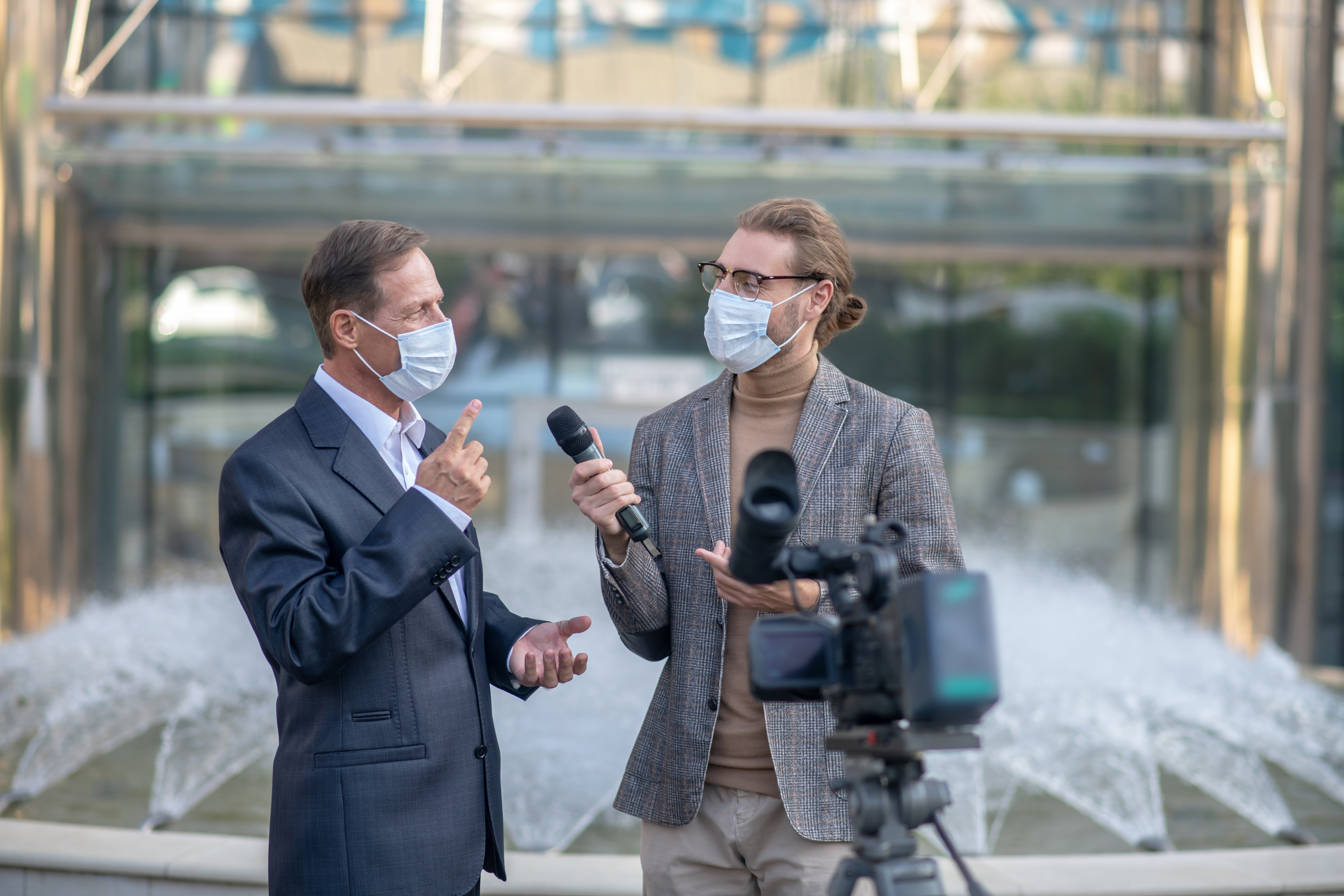
        • Understand how to evaluate health-related information and terminologies from scientific journals, academic conferences, private industries, and governmental sources.
        • Integrate specific recommendations to report about health topics such as mental health and psychosocial support, climate change and health, violence, and outbreaks on communication products.


        • url icon
          Informative Guide 3.1: Reporting Specific Health Topics (Required) URL
          Students must
          View

          This document provides an overview of the contents to be covered in Module 3 and includes some key concepts that will help you assimilate the remaining readings with more ease.

        • url icon
          Informative Guide 3.2: Reporting Specific Health Topics (Required) URL
          Students must
          View

          This document provides an overview of the contents to be covered in Module 3 and includes some key concepts that will help you assimilate the remaining readings with more ease.

        • url icon
          Informative Guide 3.3: Reporting Specific Health Topics (Required) URL
          Students must
          View

          This document provides an overview of the contents to be covered in Module 3 and includes some key concepts that will help you assimilate the remaining readings with more ease.

      • Module 3: Lesson 1: How to cover Mental health and psychosocial support

        Learning Objectives:
        • Understand basic mental health terminology including Mental Health and Mental Disorders.
        • Understand the implications of discussing mental health and psychosocial support in the media
        • Remember recommendations to cover mental health and psychosocial support.
        • Apply solutions journalism to elaborate messages about psychosocial support and common mental issues (anxiety, stress, depression).
        • Understand the role of journalism in the prevention of suicide and the responsible communication of suicide cases.
        • Understand the physical and psychological consequences and stigma of substance use disorders: "Addiction" as a barrier to accessing treatment and to recovery.
        • Describe practices to write about substance use disorders and recommend warning signs without promoting stigma
        Approximate time required for the readings for this lesson (at 144 words/minute): 1 hour and 18 minutes.

        Click here to start this lesson

        • Required Learning Resources and Activities
        • url icon
          Lesson 1: How to cover Mental health and psychosocial support (Required) URL
          Students must
          View

          The narrative documents include most of the information you will need to complete the quizzes and activities in this course. Be aware that some of the required readings are linked in the document and will be considered for the course assessments. Additionally, you will find some recommended readings to expand on your preferred topics.

        • url icon
          M3/L1: How to cover Mental Health and Psychosocial Support (Part 1) URL

          Watch the entire video to learn about some of the experiences learned in the journalism and health field. You will also learn from some key messages provided by the Subject Matter Experts during their interview.

        • url icon
          M3/L1: How to Cover Mental Health and Psychosocial Support (Part 2) URL

          Watch the entire video to learn about some of the experiences learned in the journalism and health field. You will also learn from some key messages provided by the Subject Matter Experts during their interview.

        • scorm icon
          Recommended Learning Resources SCORM package
          Students must
          View
          If you are interested, you can read the entire learning resources used to develop the Synthesis materials.
        • Additional Learning Options
      • Module 3: Lesson 2: How to cover Violence Prevention

        Learning objectives:
        • Understand the concept of violence and different types of violence against women.
        • Understand strategies to communicate about violence with a solutions journalism approach.
        • Apply discretion when communicating information about violence.
        Approximate time required for the readings for this lesson (at 144 words/minute): 46 minutes.

        Click here to start this lesson

        • Students must
          Mark as done
          Required Learning Resources and Activities
        • url icon
          Lesson 2: How to cover Violence Prevention (Required) URL
          Students must
          View

          The narrative documents include most of the information you will need to complete the quizzes and activities in this course. Be aware that some of the required readings are linked in the document and will be considered for the course assessments. Additionally, you will find some recommended readings to expand on your preferred topics.

        • scorm icon
          Recommended Learning Resources SCORM package
          Students must
          View
          If you are interested, you can read the entire learning resources used to develop the Synthesis materials.
        • Students must
          Mark as done
          Additional Learning Options
      • Module 3: Lesson 3: How to cover Climate change and health

        Learning Objectives:
        • Understand the relationship between climate change and human health.
        • Identify key messages and recommendations to cover climate change and health.
        • Apply solutions journalism to effectively inform the public about the effects of climate change on societal health.
        Approximate time required for the readings for this lesson (at 144 words/minute): 54 minutes.

        Click here to start this lesson
        • Required Learning Resources and Activities
        • url icon
          Lesson 3: How to cover Climate change and health (Required) URL
          Students must
          View

          The narrative documents include most of the information you will need to complete the quizzes and activities in this course. Be aware that some of the required readings are linked in the document and will be considered for the course assessments. Additionally, you will find some recommended readings to expand on your preferred topics.

        • url icon
          M3/L3: How to cover Climate Change and Health-Calum Macpherson URL

          Watch the entire video to learn about some of the experiences learned in the journalism and health field. You will also learn from some key messages provided by the Subject Matter Experts during their interview.

        • url icon
          M3/L3: How to cover Climate Change and Health -M. Akpinar (Part 1) URL

          Watch the entire video to learn about some of the experiences learned in the journalism and health field. You will also learn from some key messages provided by the Subject Matter Experts during their interview.

        • url icon
          M3/L3: How to cover Climate Change and Health -M. Akpinar (Part 2) URL

          Watch the entire video to learn about some of the experiences learned in the journalism and health field. You will also learn from some key messages provided by the Subject Matter Experts during their interview.

        • url icon
          M3/L3: How to cover Climate Change and Health -Mona Sarfaty (Part 1) URL

          Watch the entire video to learn about some of the experiences learned in the journalism and health field. You will also learn from some key messages provided by the Subject Matter Experts during their interview.

        • url icon
          M3/L3: How to cover Climate Change and Health -Mona Sarfaty (Part 2) URL

          Watch the entire video to learn about some of the experiences learned in the journalism and health field. You will also learn from some key messages provided by the Subject Matter Experts during their interview.

        • scorm icon
          Recommended Learning Resources SCORM package
          Students must
          View
          If you are interested, you can read the entire learning resources used to develop the Synthesis materials.
        • Additional Learning Options
      • Module 3: Lesson 4: How to cover outbreaks of diseases in a responsible and evidence-based manner

        Learning objectives:
        • Understand basic epidemiological terminology relevant to disease outbreaks.
        • Understand the importance of inclusiveness when reporting about disease outbreaks.
        • Apply solutions journalism to cover disease outbreaks.
        Approximate time required for the readings for this lesson (at 144 words/minute): 1 hour and 10 minutes.

        Click here to start this lesson

        • Students must
          Mark as done

          Required Learning Resources and Activities

        • url icon
          Lesson 4: How to cover outbreaks of diseases in a responsible and evidence-based manner (Required) URL
          Students must
          View

          The narrative documents include most of the information you will need to complete the quizzes and activities in this course. Be aware that some of the required readings are linked in the document and will be considered for the course assessments. Additionally, you will find some recommended readings to expand on your preferred topics.

        • scorm icon
          Recommended Learning Resources SCORM package
          Students must
          View
          If you are interested, you can read the entire learning resources used to develop the Synthesis materials.
        • Students must
          Mark as done
          Additional Learning Options
      • Module 3: Lesson 5: How to cover vaccine misinformation

        Learning Objectives:
        • Understand basic vaccine-related terminology.
        • Understand how different types of media impact vaccine misinformation.
        • Identify existing recommendations and resources to provide information about vaccines.
        • Apply solutions journalism to cover vaccine misinformation.
        Approximate time required for the readings for this lesson (at 144 words/minute): 9 hours and 16 minutes.

        Click here to start this lesson

        • Required Learning Resources and Activities
        • url icon
          Lesson 5: How to cover vaccine misinformation (Required) URL
          Students must
          View

          The narrative documents include most of the information you will need to complete the quizzes and activities in this course. Be aware that some of the required readings are linked in the document and will be considered for the course assessments. Additionally, you will find some recommended readings to expand on your preferred topics.

        • scorm icon
          Activity Simulation (Required) SCORM package
          Students must
          View

          In this activity, you can navigate the slides by moving back and forth using the keyboard arrows or swiping left or right if you are using a touch-screen device.

          You must pass the quizzes for the activity to be marked as complete and you will have unlimited attempts to complete the activity.


        • scorm icon
          Recommended Learning Resources SCORM package
          Students must
          View
          If you are interested, you can read the entire learning resources used to develop the Synthesis materials.
        • quiz icon
          Quiz: Module 3

          To access the quiz, click on the name of the quiz provided above. On the following screen, click the attempt quiz button to view the case studies and respond to the questions.

          TO PASS THIS QUIZ YOU MUST OBTAIN A SCORE OF 80%.

          Not available unless: The activity Quiz: Module 2 is marked complete
        • Additional Learning Options
      • Module 4: Self-care

        Instructional Goals covered in this module:

        • Assess common risks for reporters and communicators along with protection and self-care recommendations.


        • url icon
          Informative Guide : Self-care (Required) URL
          Students must
          View

          This document provides an overview of the contents to be covered in Module 4 and includes some key concepts that will help you assimilate the remaining readings with more ease.

      • Module 4: Lesson 1: Tips and Recommendations for Self-Care

        Learning objectives:
        • Identify common risk factors that can affect the psychological and physical health of reporters and communicators.
        • Understand the importance of prioritizing self-care as a journalist or communicator.
        • Summarize tips and recommendations for self-care and risk reduction in journalism.
        • Evaluate risks for reporters and communicators while covering a story.
        Approximate time required for the readings for this lesson (at 144 words/minute): 5 hours and 44 minutes.

        Click here to start this lesson

        • Students must
          Mark as done
          Required Learning Resources and Activities
        • url icon
          Lesson 1: Tips and Recommendations for Self-Care (Required) URL
          Students must
          View

          The narrative documents include most of the information you will need to complete the quizzes and activities in this course. Be aware that some of the required readings are linked in the document and will be considered for the course assessments. Additionally, you will find some recommended readings to expand on your preferred topics.

        • scorm icon
          Case study 4: Hurricane in the Caribbean (Required)) SCORM package
          Students must
          View

          In this activity, you can navigate the slides by moving back and forth using the keyboard arrows or swiping left or right if you are using a touch-screen device.

          You must pass the quizzes for the activity to be marked as complete and you will have unlimited attempts to complete the activity.

        • scorm icon
          Recommended Learning Resources SCORM package
          Students must
          View
          If you are interested, you can read the entire learning resources used to develop the Synthesis materials.
        • quiz icon
          Quiz: Module 4

          To access the quiz, click on the name of the quiz provided above. On the following screen, click the attempt quiz button to view the case studies and respond to the questions.

          TO PASS THIS QUIZ YOU MUST OBTAIN A SCORE OF 80%.

          Not available unless: The activity Quiz: Module 3 is marked complete
        • Students must
          Mark as done
          Additional Learning Options
      • Final Exam

        Click here to start Final Examination


        • quiz icon
          Final Exam Quiz

          To take the final exam, you must complete all quizzes and complete all the required activities. The final exam consists of 50 questions, and you will have 50 minutes to complete it. When the time is over, you will have two minutes to submit your attempt before it expires, and your progress is discarded. You will not be able to answer additional questions in the grace period.

          To access the exam, click on the name of the exam provided above. On the following screen, click the attempt quiz button to respond to the questions.


          Not available unless: The activity Course Registration is marked complete ...
          Not available unless:
          • The activity Course Registration is marked complete
          • The activity Pre-Test is marked complete
          • The activity Quiz: Module 1 is complete and passed
          • The activity Quiz: Module 2 is complete and passed
          • The activity Quiz: Module 3 is complete and passed
          • The activity Quiz: Module 4 is marked complete
      • Course and Self Evaluation & Certificate

        In this section, you can provide feedback about this course to help us make NextGenU.org better. Once evaluations are completed, you will be able to download your certificate of completion. 

        Click here give your feedback


        • questionnaire icon
          Course Evaluation Questionnaire
          Not available unless: The activity Final Exam is marked complete
        • questionnaire icon
          Self Evaluation Questionnaire
          Not available unless: The activity Final Exam is marked complete
      • Course Activities

        • page icon
          Informative Guides Page
          Students must
          Mark as done
        • page icon
          Video interviews Page
          Students must
          Mark as done
        • page icon
          Discussions. Page
          Students must
          Mark as done
      Skip Rating and Review

      Rating and Review

      0

      0 Course Rating

      0%
      0%
      0%
      0%
      0%

      Reviews

      Contact site support
      You are currently using guest access (Log in)
      Powered by Moodle


      Copyright © 2025 NextGenU.org / All Rights Reserved


      Privacy Policy 


      Terms Of Use 


      Privacy Policy Terms & Conditions

      Copyrights Content